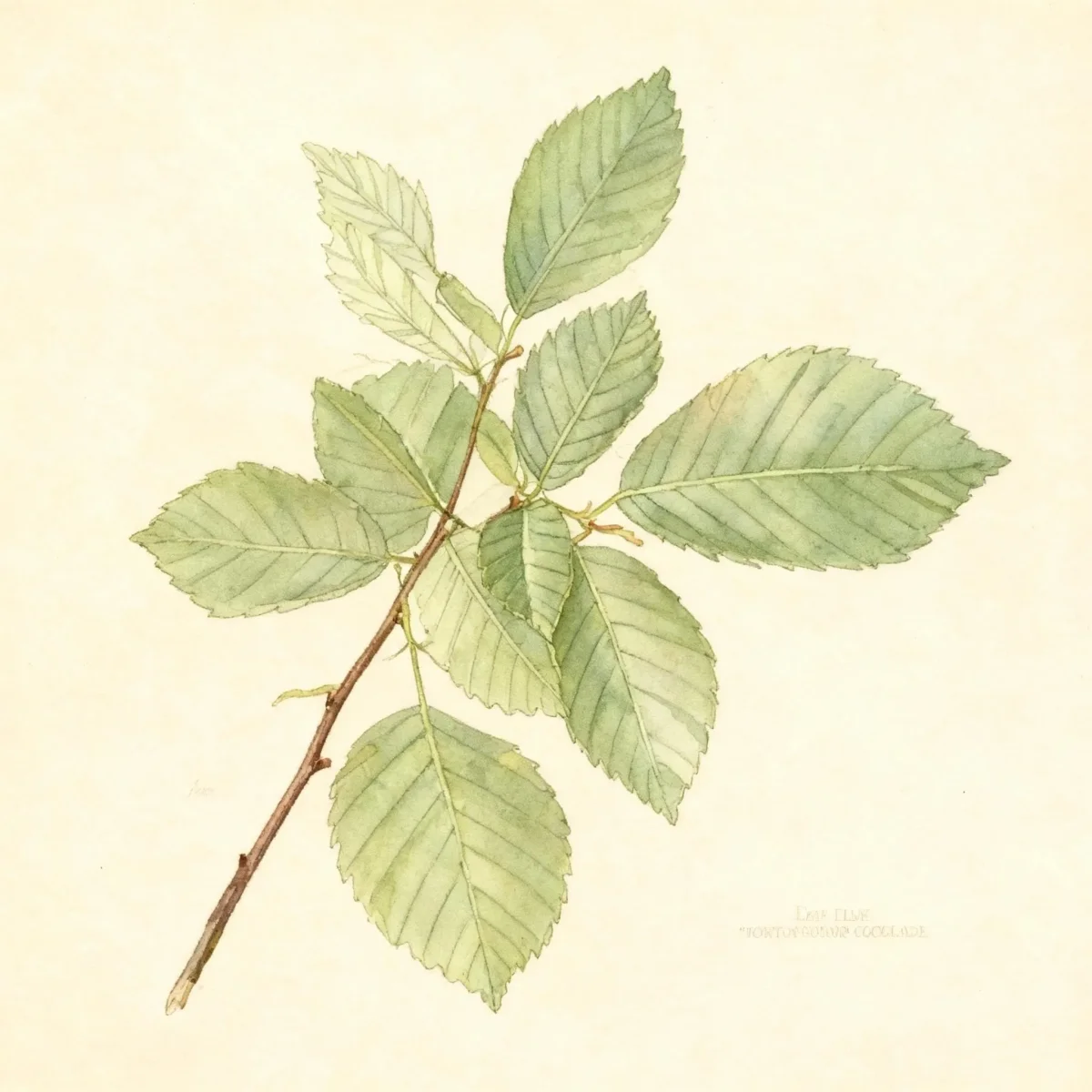
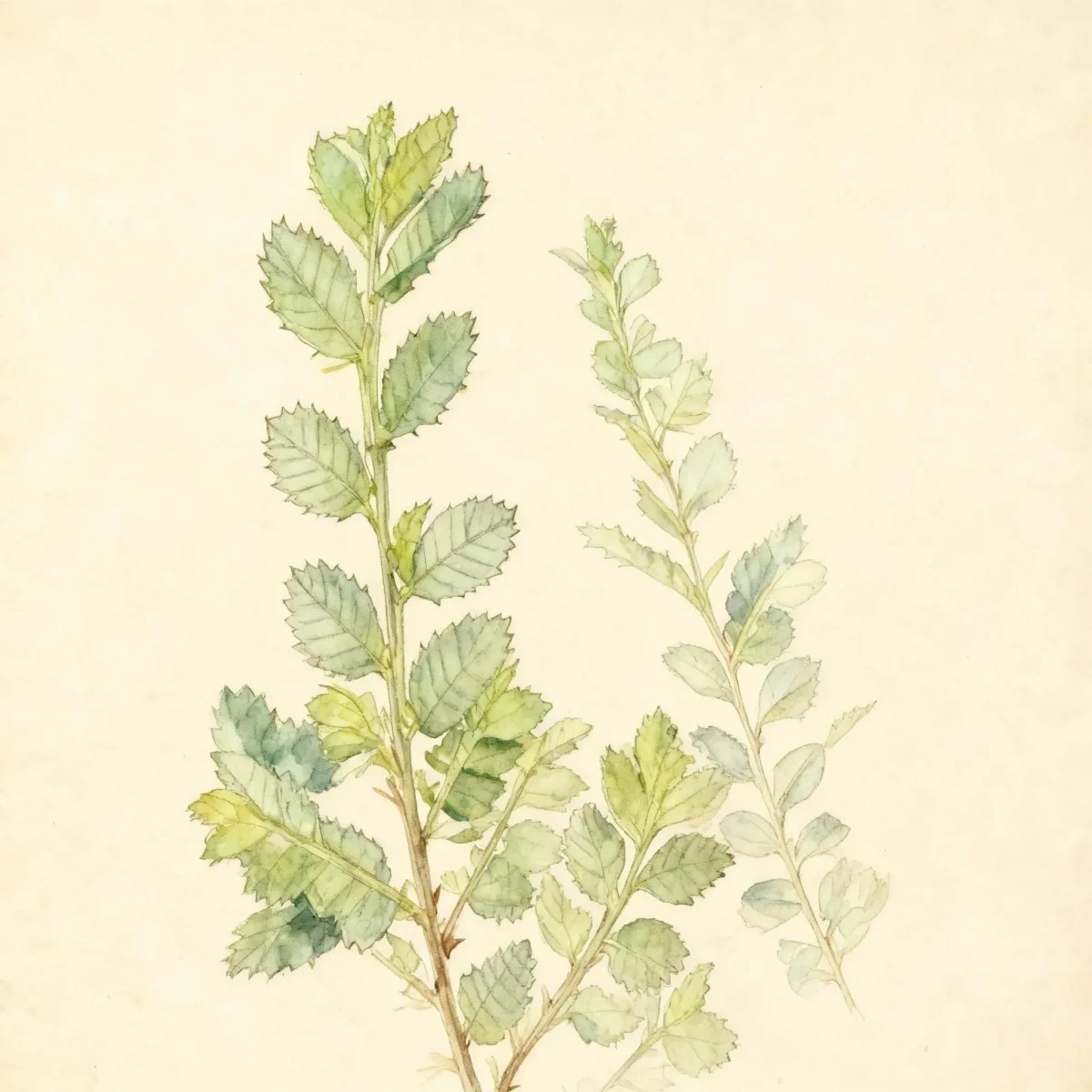
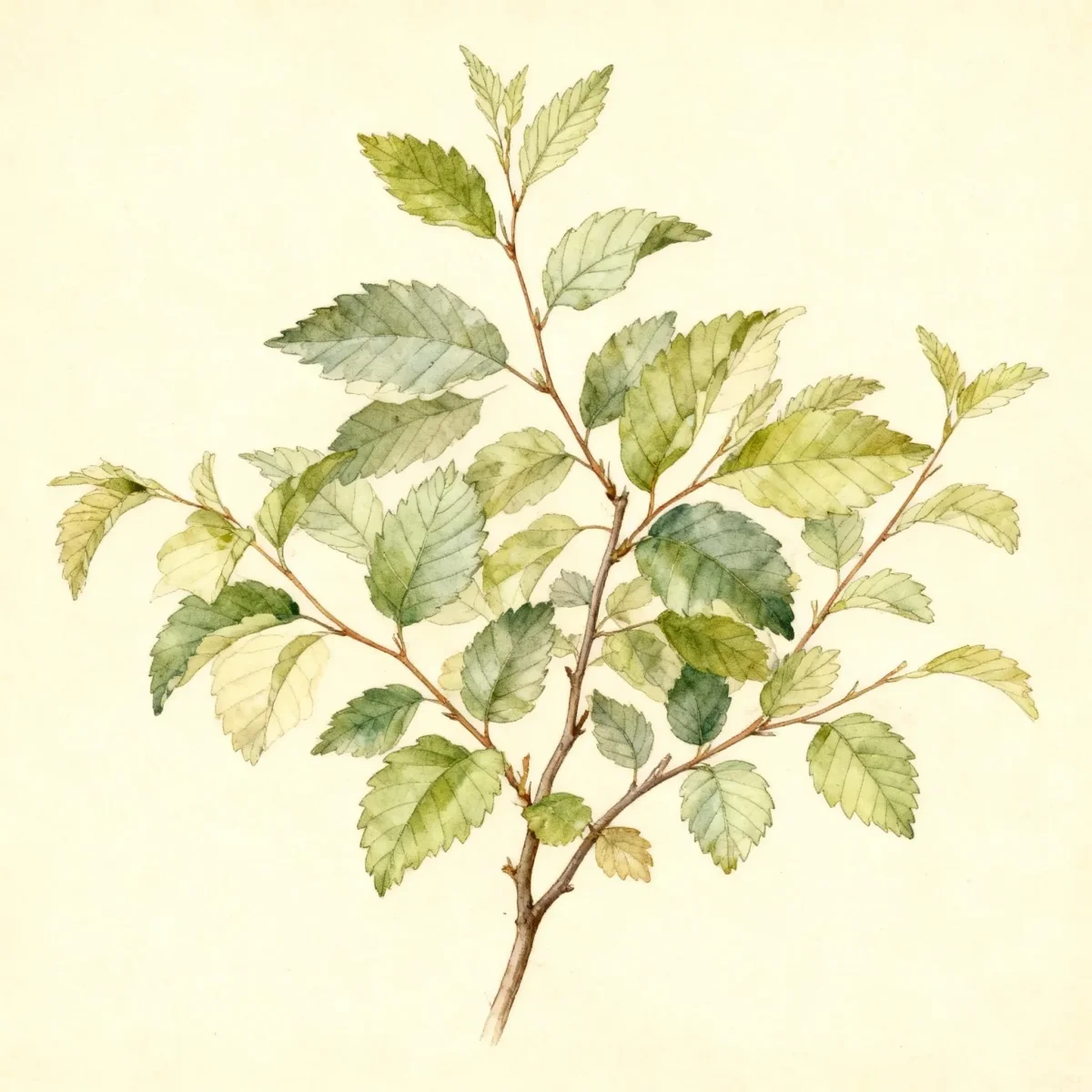
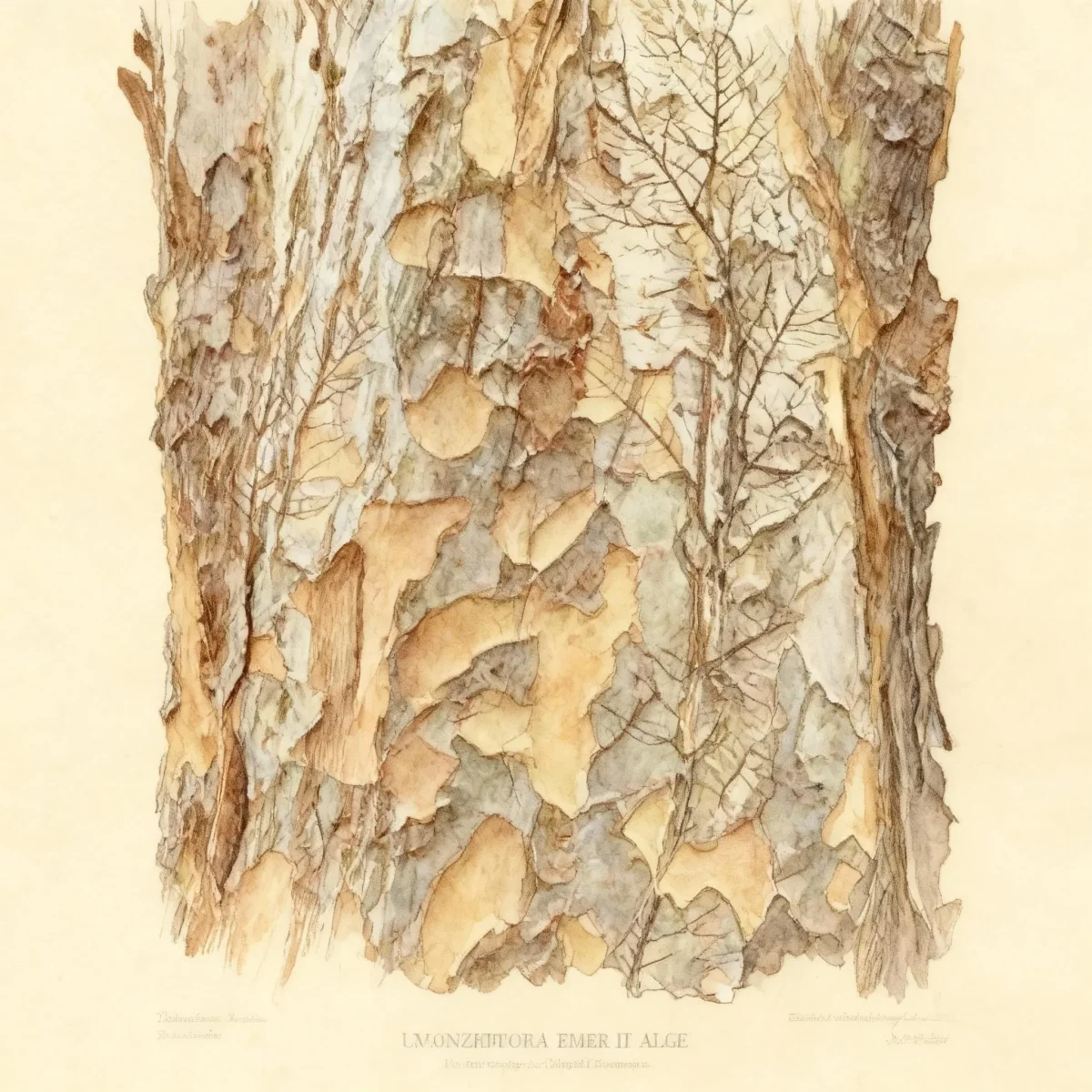
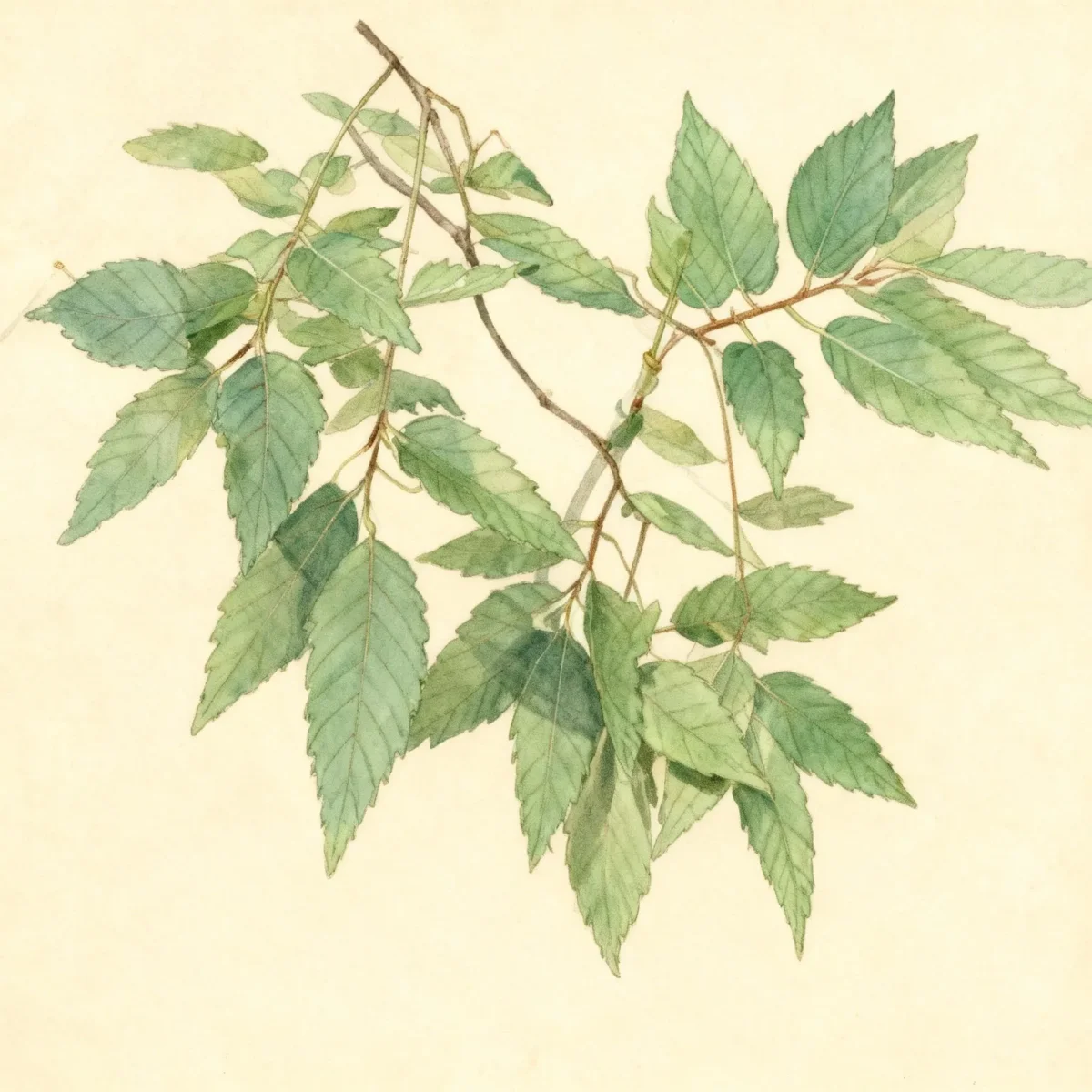
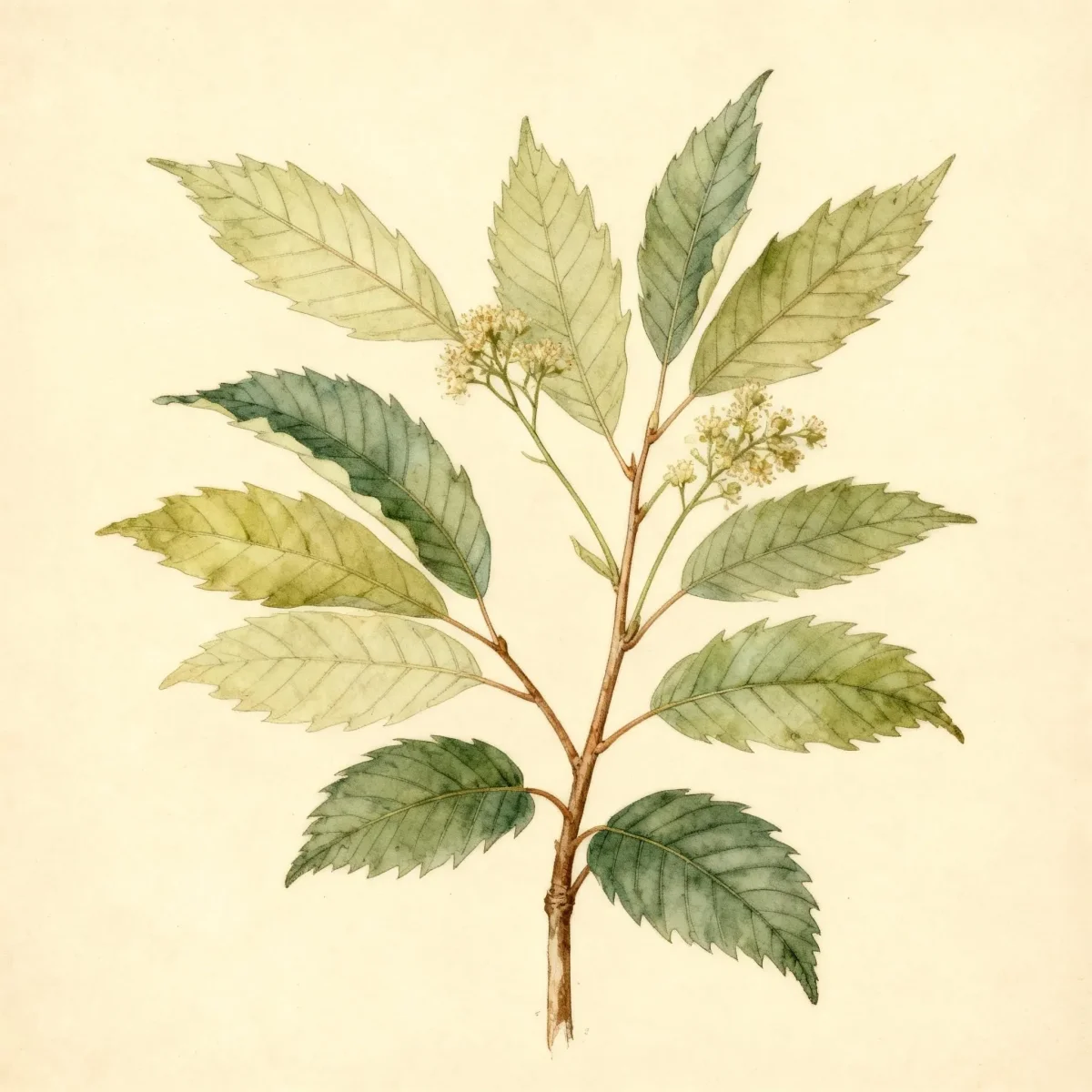
American elm (Ulmus americana 'Jefferson')
Ulmus americana 'Jefferson' is a DED-resistant American elm, perfect as a shade or street tree, thriving in zones 5-9 with low maintenance.
Scroll down to discover growing tips, care requirements, companion plants, and more
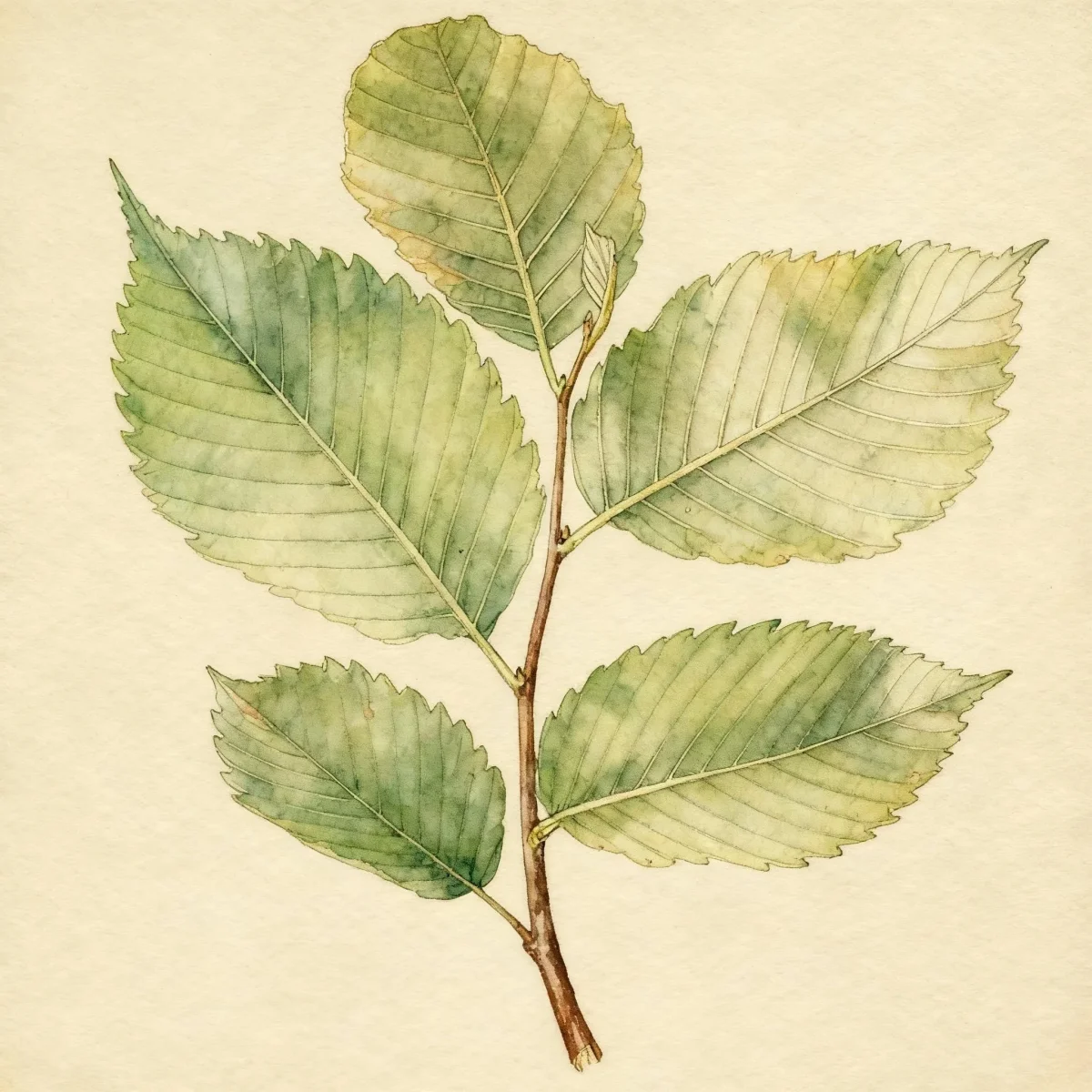
Complete Plant Information
Overview
The Ulmus americana ‘Jefferson’ offers gardeners a chance to reintroduce the majestic form of the classic American elm back into urban and suburban landscapes. Selected specifically for its strong resistance to the devastating Dutch elm disease (DED), this cultivar retains the beloved vase-shaped silhouette renowned across eastern North America. It matures into a substantial, medium-to-large deciduous tree, providing excellent canopy coverage.
This clone of the American elm exhibits adaptability, handling various environmental stresses that commonly affect street trees. While it thrives best in rich, moist environments, its low maintenance requirements and tolerance for pollution make the Ulmus americana ‘Jefferson’ a dependable choice where shade and stately presence are desired. Its growth habit is characterized by broad, gracefully ascending limbs, creating the signature open form.
This selection is a triumph of horticultural breeding, offering the aesthetic appeal of the historical American elm while mitigating the primary risk associated with the species. Gardeners benefit from planting a disease-resistant heritage tree that provides significant shade and structural beauty with relatively little long-term care input.
Fast Facts
- Plant Family: Ulmaceae
- Plant Type: Tree
- Hardiness Zones: USDA Zones 5-9
- Size at Maturity:
- Height: 40-50 ft
- Spread: 40-50 ft
- Bloom Time: March to April
- Bloom Description: Green
- Sun Exposure: Full sun
- Water Needs: Medium
- Maintenance Level: Low
How to Grow
Planting Ulmus americana ‘Jefferson’ should ideally occur during the dormant seasons—early spring or late fall—to minimize transplant shock. Select a site that receives full sun, though this particular clone tolerates light shade well. Optimal growing conditions involve average, medium moisture, well-drained soils, with a preference for rich, moist loams. It demonstrates a good capacity to adapt to both wetter and drier soil conditions once established.
Maintenance for this American elm selection remains low, but vigilance against disease potential is key. Although highly resistant to DED, the cultivation notes advise that regular pruning to remove dead or damaged wood is beneficial. Furthermore, regular spraying may be advisable depending on local disease pressure, even for resistant varieties.
Watering requirements are medium; ensure the tree receives consistent moisture, especially during establishment or periods of drought. Because the Ulmus americana ‘Jefferson’ is generally tolerant of urban stresses like air pollution, it fares well in difficult planting situations near sidewalks or paved areas. Avoid deep root compaction wherever possible.
Landscape Uses
The primary function of the Ulmus americana ‘Jefferson’ is providing commanding overhead structure and shade. Its classic form makes it an exceptional primary specimen tree for large lawns where its 40 to 50-foot spread can fully develop unobstructed. It excels where an impressive canopy is needed over open seating areas or pathways.
This cultivar is specifically noted as being highly suitable for use as a shade tree, a street tree, and within rain gardens due to its adaptability regarding soil moisture. When utilized as a street tree, the above-ground infrastructure clearance must be planned considering its mature height and considerable spread. For rain garden applications, its tolerance for varied moisture levels proves invaluable in managing stormwater runoff.
Plant Ulmus americana ‘Jefferson’ near large, slow-growing shrubs or ornamental grasses that benefit from afternoon shade provided by its high crown. Due to the historical severity of DED, ensure that planting design keeps distances appropriate between this specimen and any known susceptible elm populations, if they exist in your region.
Standout Features
Flower Qualities
- Insignificant
Noteworthy Characteristics
Ulmus americana, commonly called American elm, is a medium to large deciduous tree, typically growing to 60-80’ (less frequently to 130’) tall with a vase-shaped, broad-rounded crown. It is native to eastern and central North America. Although once widely planted as a street and lawn tree, American elm populations have been so decimated by Dutch elm disease that this tree is no longer considered to be a viable selection for landscape uses. ‘Jefferson’ is a Dutch elm disease resistant selection of American elm that typically grows 50’ tall with an equal spread; it was released by the National Park Service and Agricultural Research Service in 2005.
Tolerances
- Drought
- Black Walnut
- Air Pollution
Potential Problems
The Ulmus americana ‘Jefferson’ selection has been bred for excellent resistance to Dutch elm disease, which is its primary historical threat. However, it remains susceptible to other serious issues that gardeners must monitor. Phloem necrosis, caused by a phytoplasma, attacks the tree’s food-conducting tissue, often leading to rapid wilting, defoliation, bark loosening, and eventual death.
Additionally, this tree can contract wetwood, a bacterial infection that manifests as wilting and branch dieback. Look out for various cankers, leaf spots, and other wilt diseases that may sporadically affect performance. Insect pests common to the genus include borers, scale, mealy bugs, caterpillars, and leaf miners, necessitating proactive monitoring.
Management involves keeping the tree healthy through proper watering and fertilization to boost natural defenses, as stressed elms are more susceptible to secondary invaders like borers. Correct identification of any wilting symptoms is crucial to distinguish between DED (unlikely) and phloem necrosis (possible).
Frequently Asked Questions
What hardiness zones is American elm (Ulmus americana ‘Jefferson’) suitable for?
The Ulmus americana ‘Jefferson’ is hardy and suitable for planting within USDA Hardiness Zones 5 through 9.
How large does American elm grow?
This cultivar typically reaches a mature height between 40 to 50 feet, with a corresponding spread also ranging from 40 to 50 feet, maintaining a distinct vase shape.
What sun exposure does Ulmus americana ‘Jefferson’ need?
This tree requires full sun for the best growth structure, although it is tolerant of light shade conditions.
When does Ulmus americana ‘Jefferson’ bloom?
Flowering occurs relatively early in the season, from March to April, producing small green blooms before the leaves fully emerge.
Conclusion
The Ulmus americana ‘Jefferson’ stands as an exceptional, low-maintenance specimen offering the stately architectural beauty of the traditional American elm. Its proven resistance to DED makes it a prudent and valuable landscape addition for providing long-term shade coverage. Before planting, confirm your site falls within USDA Zones 5-9 and ensure adequate space for its 50-foot mature spread.
Companion Planting for Elms
Selecting appropriate companions can enhance the aesthetic appeal and soil health around your Ulmus americana ‘Jefferson’. Since this tree prefers rich, moist, well-drained soils, pairing it with shade-tolerant, moisture-loving perennials is ideal beneath the developing canopy. Consider plants like Hosta varieties, Astilbe, or ferns that thrive in filtered light and appreciate consistent moisture levels.
As the tree matures and casts deeper shade, avoid planting turf directly against the trunk, which can compact the soil and restrict water flow. Instead, create a generous mulched area around the base which helps moderate soil temperature and retain the medium moisture required by the American elm.
Seasonal Care Calendar
Spring preparation should focus on inspecting new spring growth for early signs of insect damage, such as leaf miners or emerging caterpillars. If you plan any soil amendment, this is the perfect time to incorporate organic matter, keeping in mind the preference for rich loams.
Summer care centers on consistent watering, particularly if your installation is new or if the site is extremely exposed, compensating for its medium water needs during dry spells. Avoid heavy fertilization once summer progresses, as this encourages soft growth that can make the tree more attractive to borers later in the season.
Fall cleanup is important for removing leaf litter, which can harbor overwintering pests or spores related to potential leaf spots. Winterizing the Ulmus americana ‘Jefferson’ mainly involves ensuring its root zone is well-mulched to protect against freeze/thaw cycles, especially in the colder reaches of Zones 5 and 6.