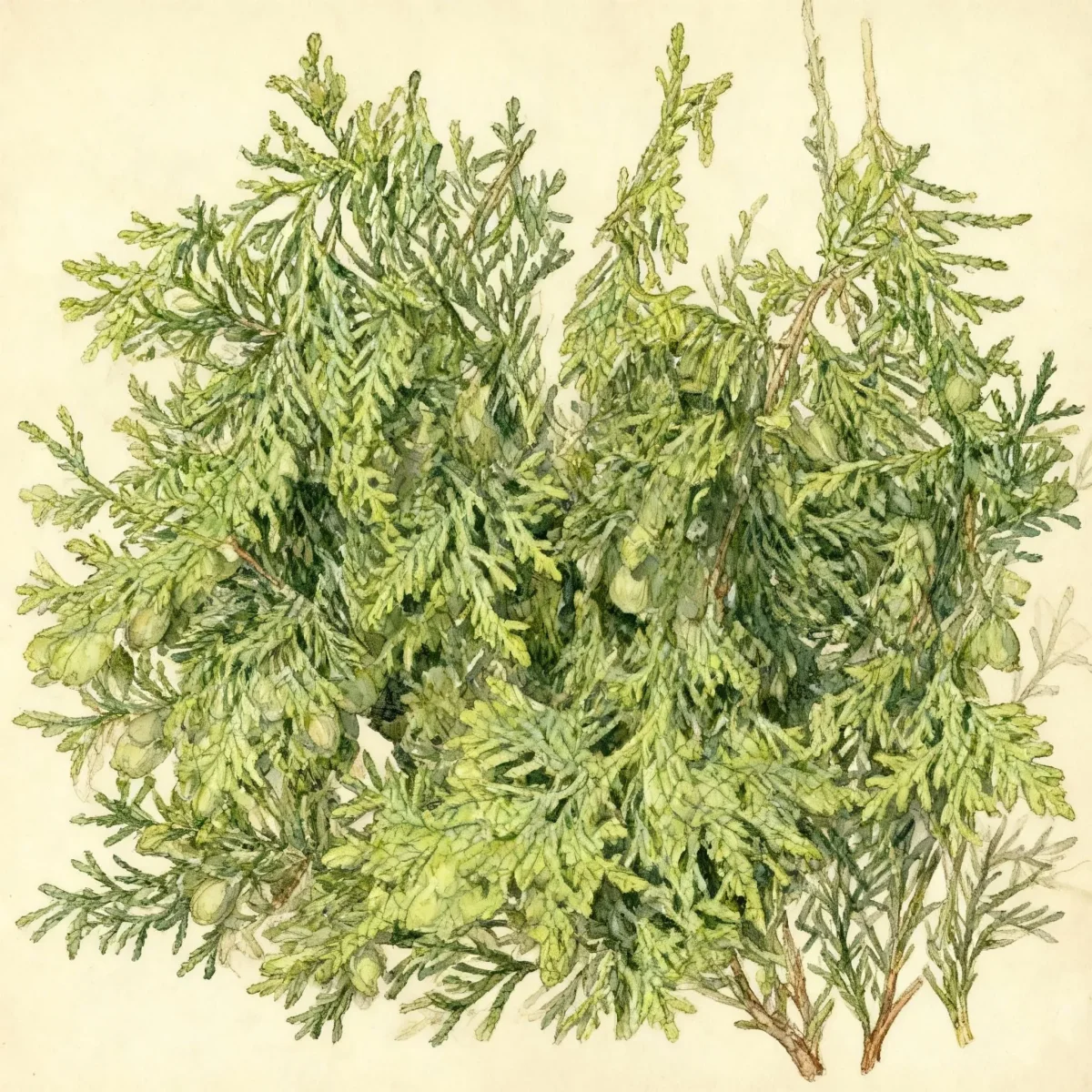
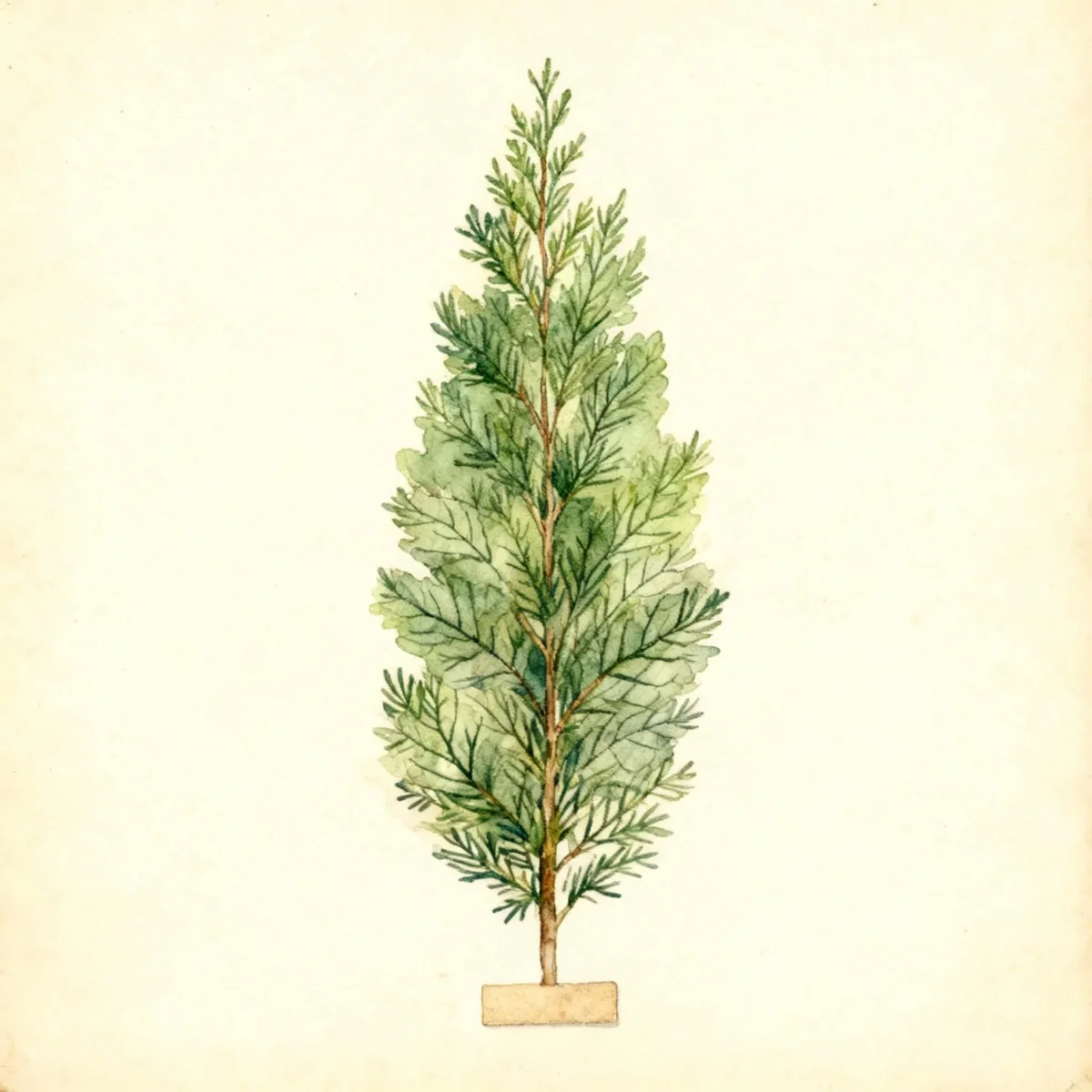
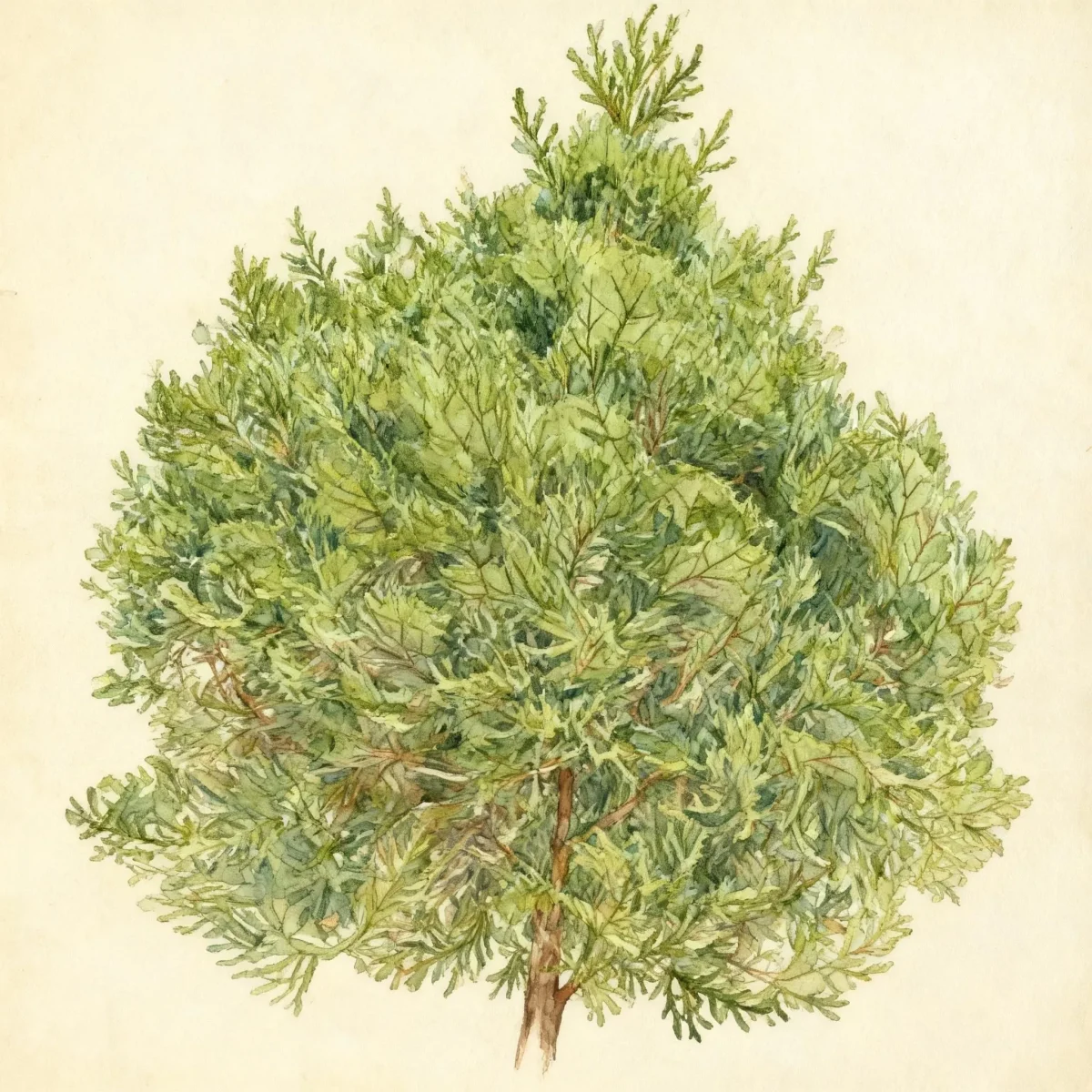
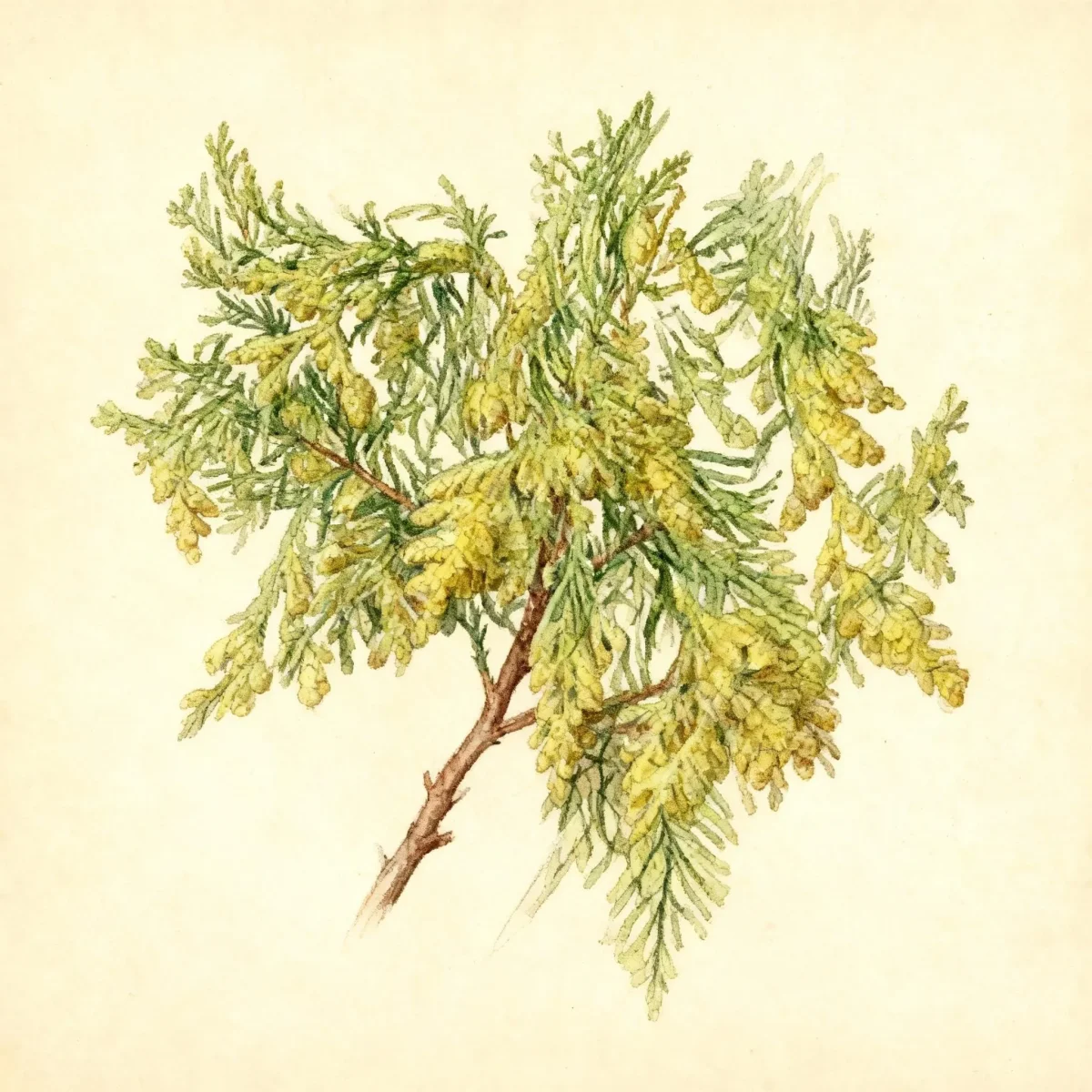
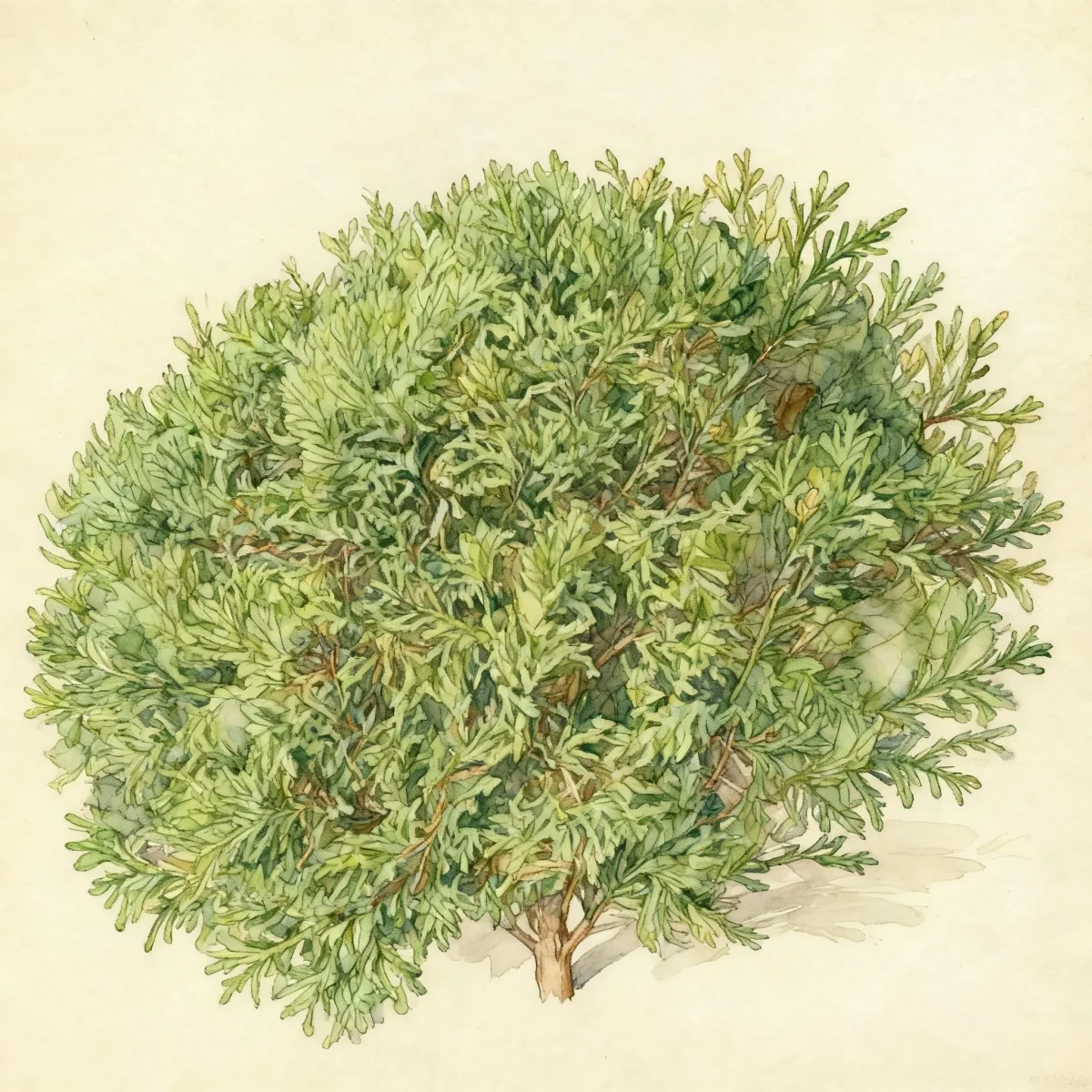
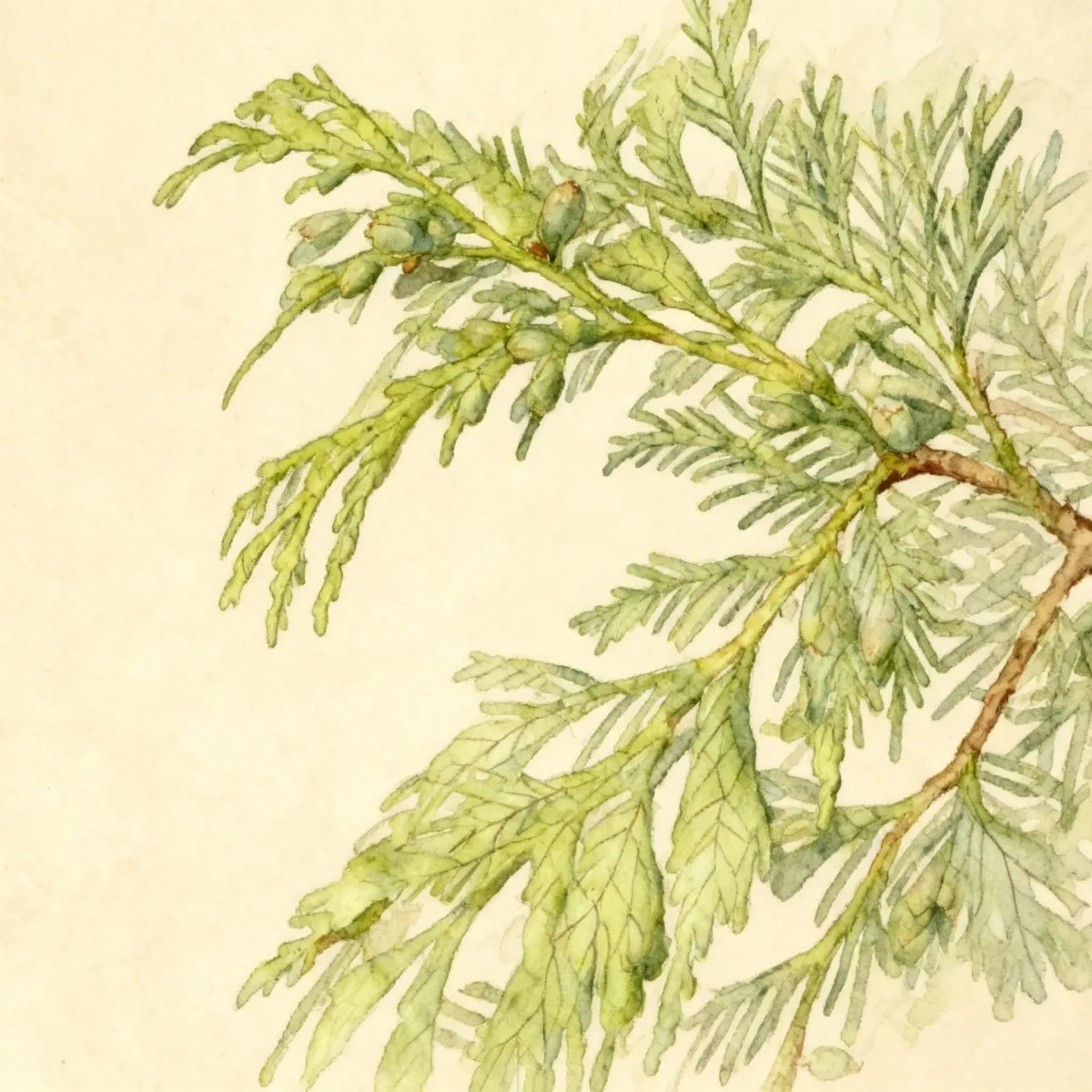
American arborvitae (Thuja occidentalis 'Danica')
Thuja occidentalis 'Danica' is a prime dwarf evergreen, perfect as an American arborvitae accent. Low maintenance and globe-shaped.
Scroll down to discover growing tips, care requirements, companion plants, and more
Complete Plant Information
Overview
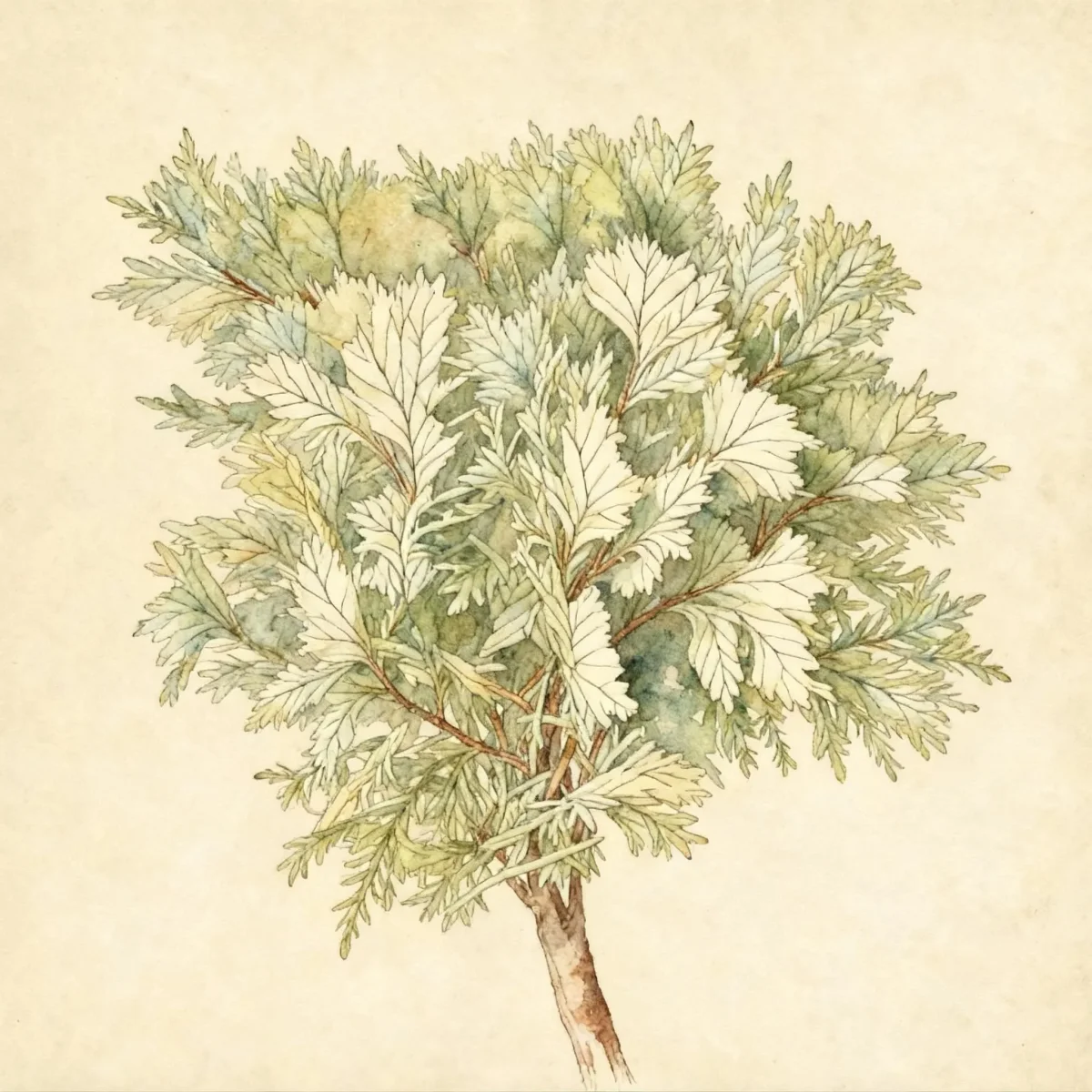
Thuja occidentalis ‘Danica’ offers gardeners an exceptionally compact, dense, and globular form, making it a standout dwarf specimen among the American arborvitae group. This cultivar retains the attractive scale-like foliage characteristic of the species, presenting an emerald green hue that transitions to a pleasing blue-green tone throughout the winter months. Its slow growth rate and diminutive size make it incredibly versatile for small landscapes or structured garden designs where large trees are impractical.
As a needled evergreen, this plant provides crucial year-round structure and texture to the garden. It is renowned for its low maintenance needs, thriving reliably across a broad range of cold climates. The ultimate benefit of growing the Thuja occidentalis ‘Danica’ lies in its ability to deliver dependable evergreen color and form without requiring constant pruning or staking.
This specific cultivar has secured its place in modern landscaping due to its tidy habit, rarely exceeding two feet in height and spread. For gardeners seeking reliable structure in rock gardens, borders, or containers, the American arborvitae ‘Danica’ fulfills the need for controlled, appealing texture.
Fast Facts
- Plant Family: Cupressaceae
- Plant Type: Needled evergreen
- Hardiness Zones: USDA Zones 2-7
- Size at Maturity:
- Height: 1-2 ft
- Spread: 1-2 ft
- Bloom Time: Non-flowering
- Bloom Description: Non-flowering
- Sun Exposure: Full sun to part shade
- Water Needs: Medium
- Maintenance Level: Low
How to Grow
Planting Thuja occidentalis ‘Danica’ is best achieved in average, medium-moisture, well-drained soils. While this variety shows some soil tolerance, it thrives best in moist, neutral to alkaline loams. Ensure the planting location receives full sun for the densest foliage, though light afternoon shade is appreciated in regions experiencing intensely hot summers.
Maintain growth by providing medium water needs; this plant is intolerant of dry conditions once established. While fertilization is generally unnecessary due to its low maintenance rating, applying a balanced, slow-release fertilizer in early spring can encourage vibrant color. Pruning is rarely required, as the natural globular habit of the Thuja occidentalis ‘Danica’ maintains its desirable shape.
Avoid planting in fully shaded areas, as this greatly reduces foliage density, resulting in a sparse appearance. Furthermore, site selection is key; avoid overly exposed, windy locations, as these sites increase the risk of foliage showing winter burn (turning yellow-brown) and increase susceptibility to physical damage from heavy snow or ice accumulation.
Landscape Uses
The compact dimensions of the Thuja occidentalis ‘Danica’ render it an excellent choice for defining edges or adding focal points in restricted spaces. It excels when used as an accent plant, providing a permanent, low mound of green near entryways or along walkways. Its uniform shape makes layering with contrasting textures, such as broadleaf perennials or lacy ferns, highly effective.
These American arborvitae shrubs are perfect for planting in masses to create low, formal borders where taller hedges are undesirable. They integrate beautifully into rock gardens, nestled among stones where their dense form contrasts nicely with hardscape elements. Moreover, their small size makes them premier candidates for year-round interest in containers, providing a dependable anchor for seasonal displays.
Standout Features
Noteworthy Characteristics
Thuja occidentalis, commonly known as American arborvitae, Eastern arborvitae, Eastern white cedar or Northern white cedar, is a dense, conical to narrow-pyramidal (sometimes maturing to broad-pyramidal), often single-trunked, evergreen tree native to eastern and central Canada extending south through the Appalachians. While mature wild forms reach 40–60’ tall, this specific cultivar, ‘Danica’, is unique as a slow-growing, dense, globular, evergreen shrub that typically only reaches 20” tall and wide in its first two decades. Its emerald green foliage forms attractive vertical sprays, which shift to a blue-green shade in winter. The genus name references the Greek term for juniper, highlighting its coniferous nature.
Tolerances
- Clay Soil
- Black Walnut
- Air Pollution
Potential Problems
While low maintenance, monitor the Thuja occidentalis ‘Danica’ for a few common issues. Leaf blight can sometimes cause spotting and premature needle drop, requiring improved air circulation or fungicide treatment depending on severity. Canker, a fungal bark disease, should be watched for on stressed plants.
Pest pressure is generally light; however, leaf miners occasionally damage the tips of the foliage, and infrequent infestations of bagworms, mealybugs, scales, or spider mites may occur. If winter burn is observed (yellowing/browning of foliage), move the plant immediately or provide a burlap wind barrier on the exposed side before winter sets in.
Frequently Asked Questions
What hardiness zones is American arborvitae (Thuja occidentalis ‘Danica’) suitable for?
This adaptable American arborvitae cultivar is hardy across USDA Zones 2 through 7, demonstrating excellent tolerance to winter cold.
How large does Thuja occidentalis ‘Danica’ grow?
This dwarf globe typically matures to a highly manageable size, reaching only 1 to 2 feet in both height and spread.
What sun exposure does Thuja occidentalis ‘Danica’ need?
For best density, aim for full sun exposure, though this plant will successfully tolerate partial shade, growing best with protection from intense afternoon heat.
When does Thuja occidentalis ‘Danica’ bloom?
The Thuja occidentalis ‘Danica’ is a needled evergreen and is classified as non-flowering.
Conclusion
The Thuja occidentalis ‘Danica’ is an invaluable foundational shrub for formal or modern gardens, prized for its dense, globe-like structure and minimal care requirements, truly representing a perfect dwarf American arborvitae. Its ability to thrive across many cold climates ensures reliable, year-round texture. Before planting, confirm your USDA zone falls between 2 and 7, and plant during cooler seasons for best establishment.
Companion Planting
Selecting appropriate partners enhances the appeal of your low-growing Thuja occidentalis ‘Danica’. Pair this evergreen with plants that offer textural or color contrast during its green seasons. Consider groundcovers like creeping thyme or sedums, which thrive in similar sun conditions and contrast well with the dense needles of these American arborvitae specimens.
Hardy, flowering companions such as hardy Geraniums or Hosta varieties with bright chartreuse or variegated foliage can soften the edges around the base of the shrub. Providing good drainage is key for all companions, echoing the requirement of the Thuja occidentalis ‘Danica’ for well-drained loam.
Design Ideas for Dwarf Evergreens
The inherent symmetry of the Thuja occidentalis ‘Danica’ makes it excellent for formal landscape design elements. Use pairs of these shrubs to flank entrances, creating a balanced, welcoming appearance that remains evergreen throughout winter. For contemporary or urban gardens, utilize several along straight lines to form a low, maintenance-free border.
Because they tolerate some shade, these dwarf evergreens can be integrated into the foreground of foundation plantings beneath taller deciduous trees. Contrast their deep emerald color with silver-leaved plants, like certain artemisias or dusty millers (used as annuals), to make the foliage of the Thuja occidentalis ‘Danica’ pop visually against the border.