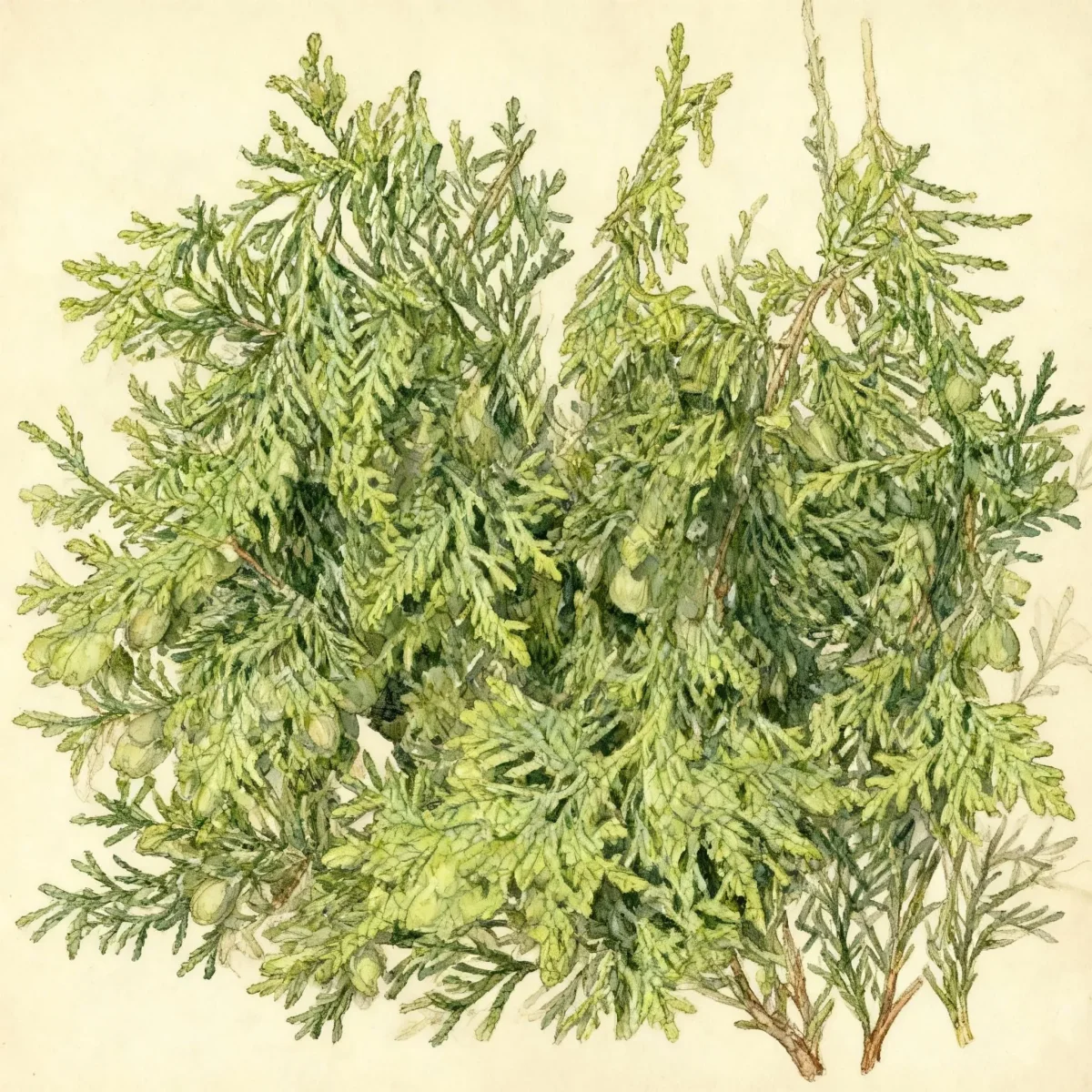
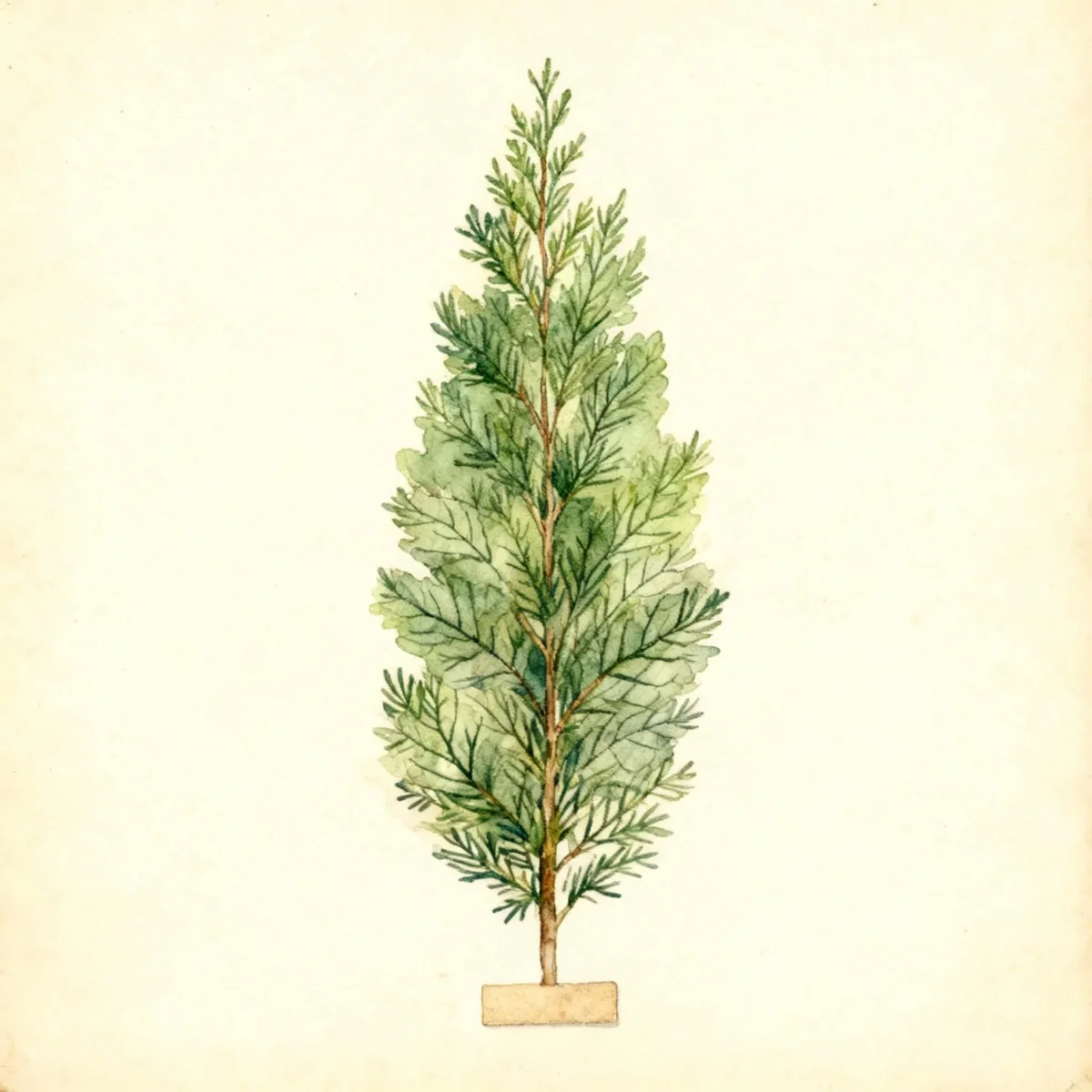
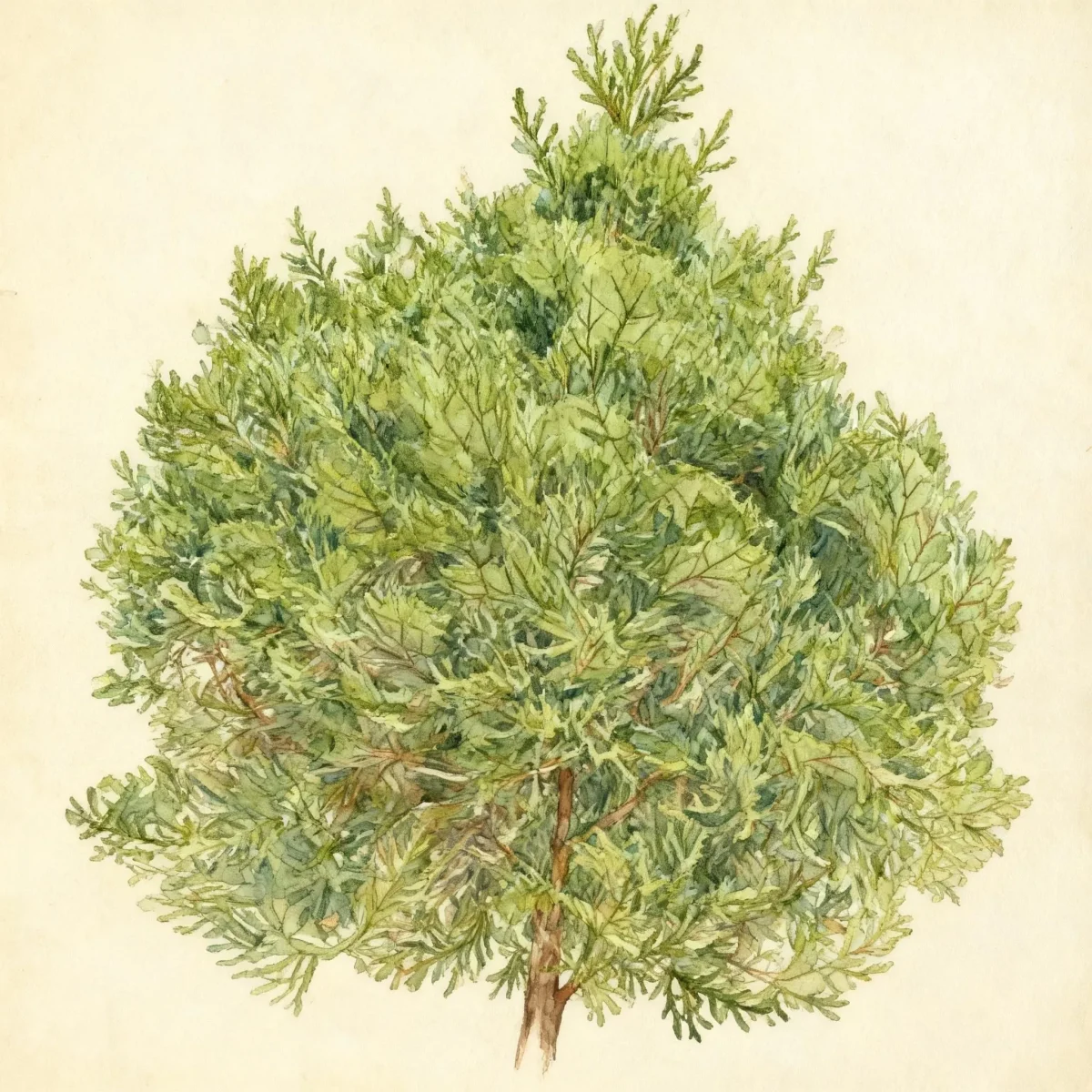
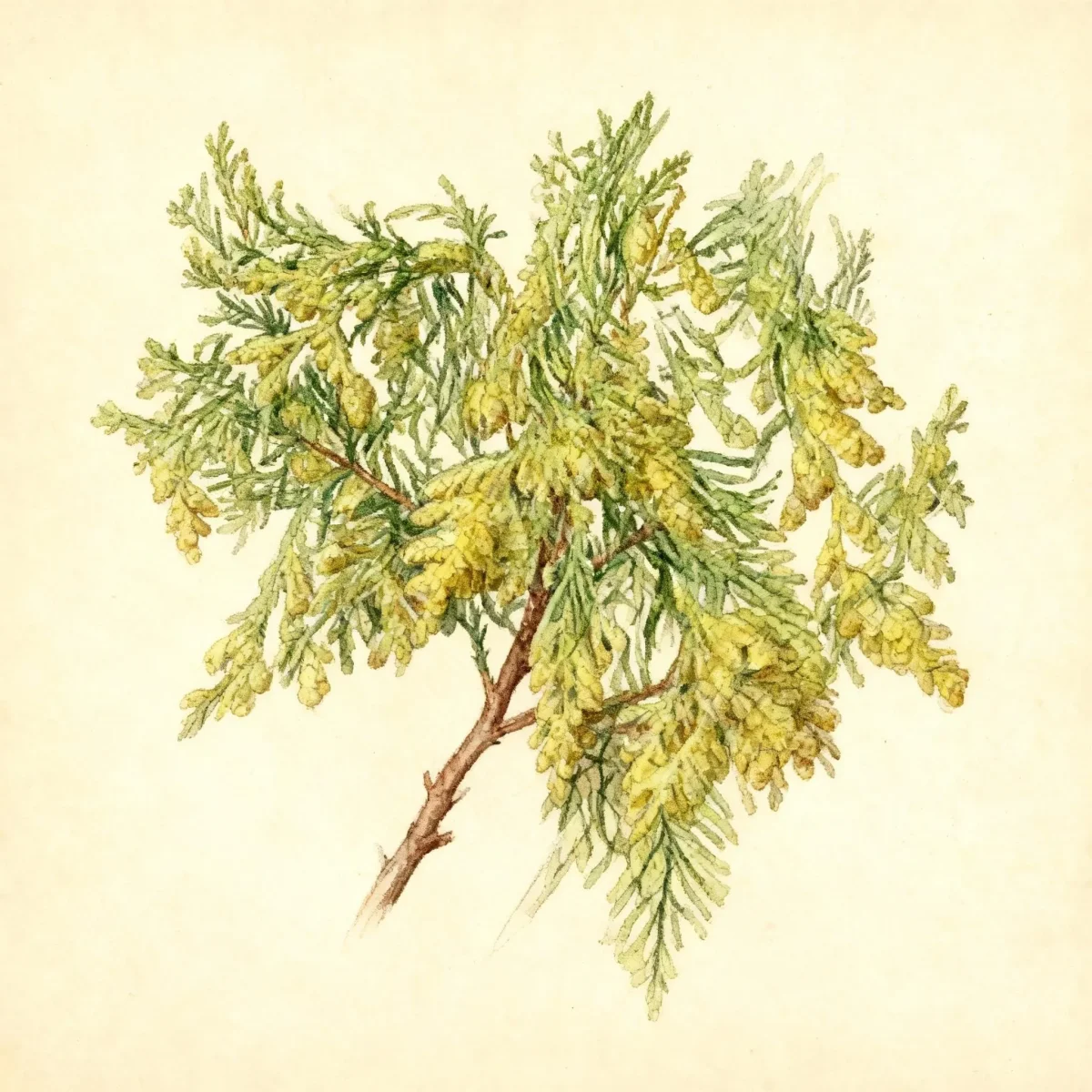
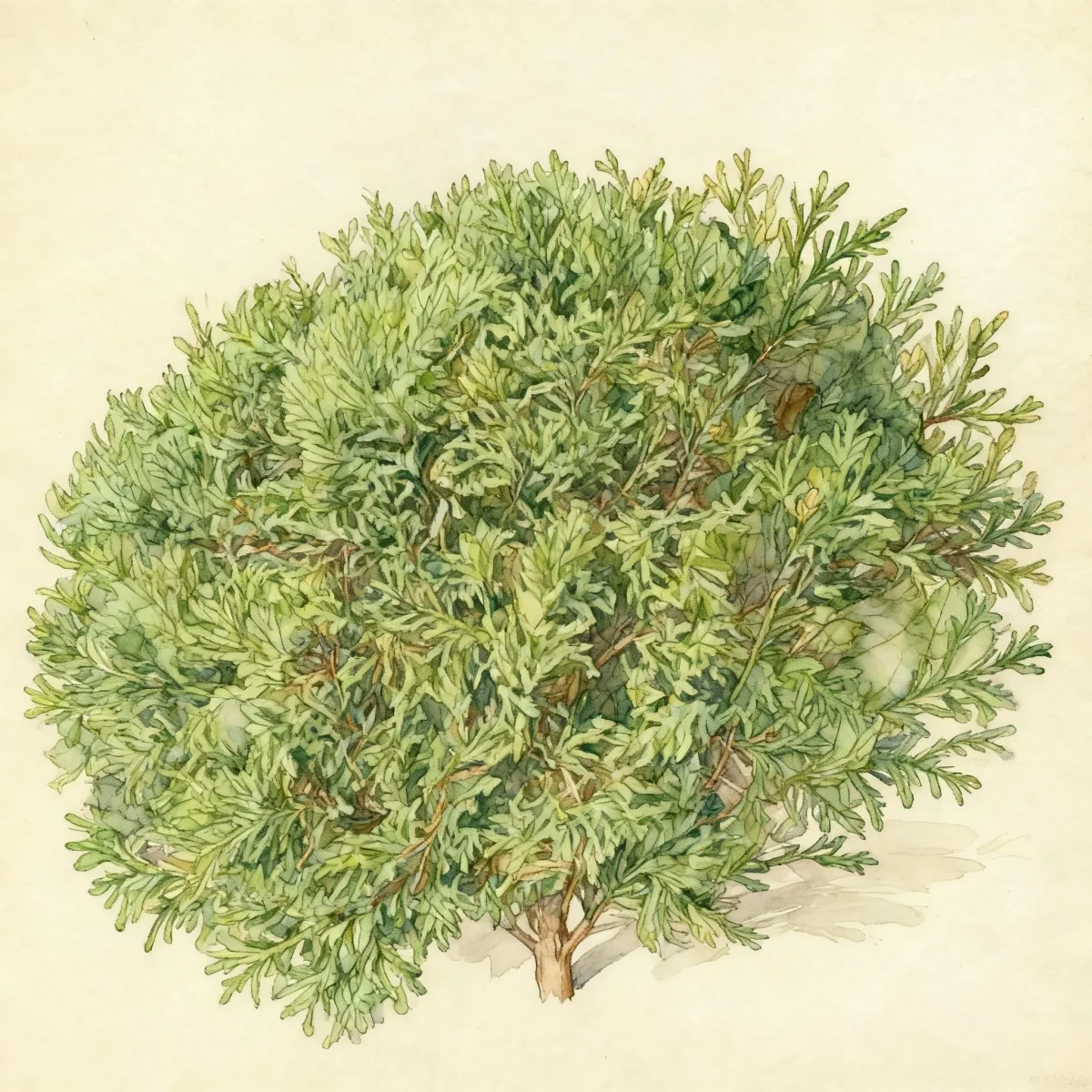
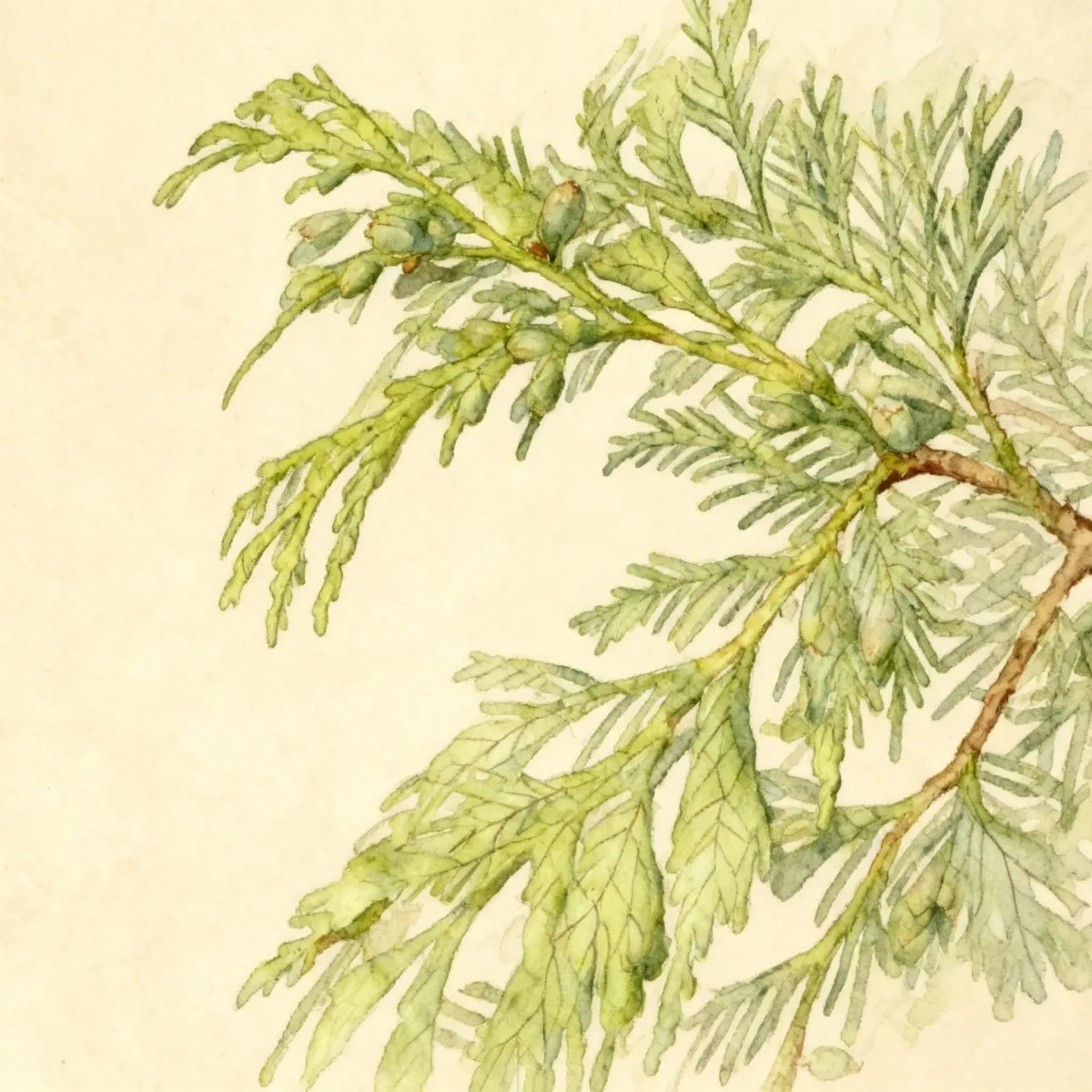
American arborvitae (Thuja occidentalis 'Skinner Dwarf')
Thuja occidentalis 'Skinner Dwarf' is a compact American arborvitae, perfect for small spaces needing low-maintenance, dense, evergreen screening.
Scroll down to discover growing tips, care requirements, companion plants, and more
Complete Plant Information
Overview
Thuja occidentalis ‘Skinner Dwarf’ offers gardeners an excellent, compact option within the stately American arborvitae family. This cultivar is highly valued for maintaining a dense, narrow-pyramidal shape without reaching the towering heights of its wild relatives, making it ideal for constrained landscape areas. As a rich green, slow-growing needled evergreen, it provides critical year-round structure and texture to the garden design.
The dwarf habit of Thuja occidentalis ‘Skinner Dwarf’ ensures it remains manageable, needing very little intervention once established. It brings the classic year-round screening capabilities of Eastern white cedar into smaller settings, functioning beautifully as a vertical accent or foundation planting. Its durability and low maintenance requirements make it a practical choice for busy gardeners seeking reliable evergreen performance.
Fast Facts
- Plant Family: Cupressaceae
- Plant Type: Needled evergreen
- Hardiness Zones: USDA Zones 3-7
- Size at Maturity:
- Height: 6-7 ft
- Spread: 2-3 ft
- Bloom Time: Non-flowering
- Bloom Description: Non-flowering
- Sun Exposure: Full sun to part shade
- Water Needs: Medium
- Maintenance Level: Low
How to Grow
Planting should ideally occur in spring or early fall when temperatures are moderate, allowing the roots of your Thuja occidentalis ‘Skinner Dwarf’ to establish before extreme summer heat or winter cold sets in. This American arborvitae thrives in average, medium-moisture, well-drained soils, though it shows some tolerance for a range of conditions, preferring moist, neutral to alkaline loams. Be certain to avoid heavy clay pockets that retain too much water, as drainage is key to long-term health.
Watering should remain consistent, falling into the “medium” category, meaning the soil should not consistently dry out, especially during the first few growing seasons. While established plants are fairly adaptable, they are intolerant of prolonged dry conditions. While fertilizer is rarely necessary for this low-maintenance evergreen, ensuring the site provides full sun to light afternoon shade—especially in hotter climates—will promote dense foliage.
Avoid placing this cultivar in fully shaded locations, as diminished light substantially reduces foliage density, making the plant appear sparse. Furthermore, choose locations sheltered from intense winter sun and whipping winds, as exposed sites frequently lead to noticeable winter burn, where the foliage turns an unattractive yellow-brown. Protection from heavy ice and snow accumulation is also wise to prevent stem breakage.
Landscape Uses
The compact, dwarf nature of Thuja occidentalis ‘Skinner Dwarf’ unlocks numerous design possibilities where standard arborvitae would overwhelm the space. It excels as a dwarf landscape specimen or accent planting, drawing the eye with its rich green, narrow form. Consider using multiple specimens to frame an entryway or line a short border where precise height control is necessary.
For foundation plantings, this American arborvitae provides excellent vertical break without overshadowing windows. Its tidy habit also makes it a solid addition to rock gardens or mixed evergreen borders where slow growth and evergreen presence are desired throughout the year. Its tolerance for urban conditions makes it suitable for constrained side yards or city gardens.
Standout Features
Noteworthy Characteristics
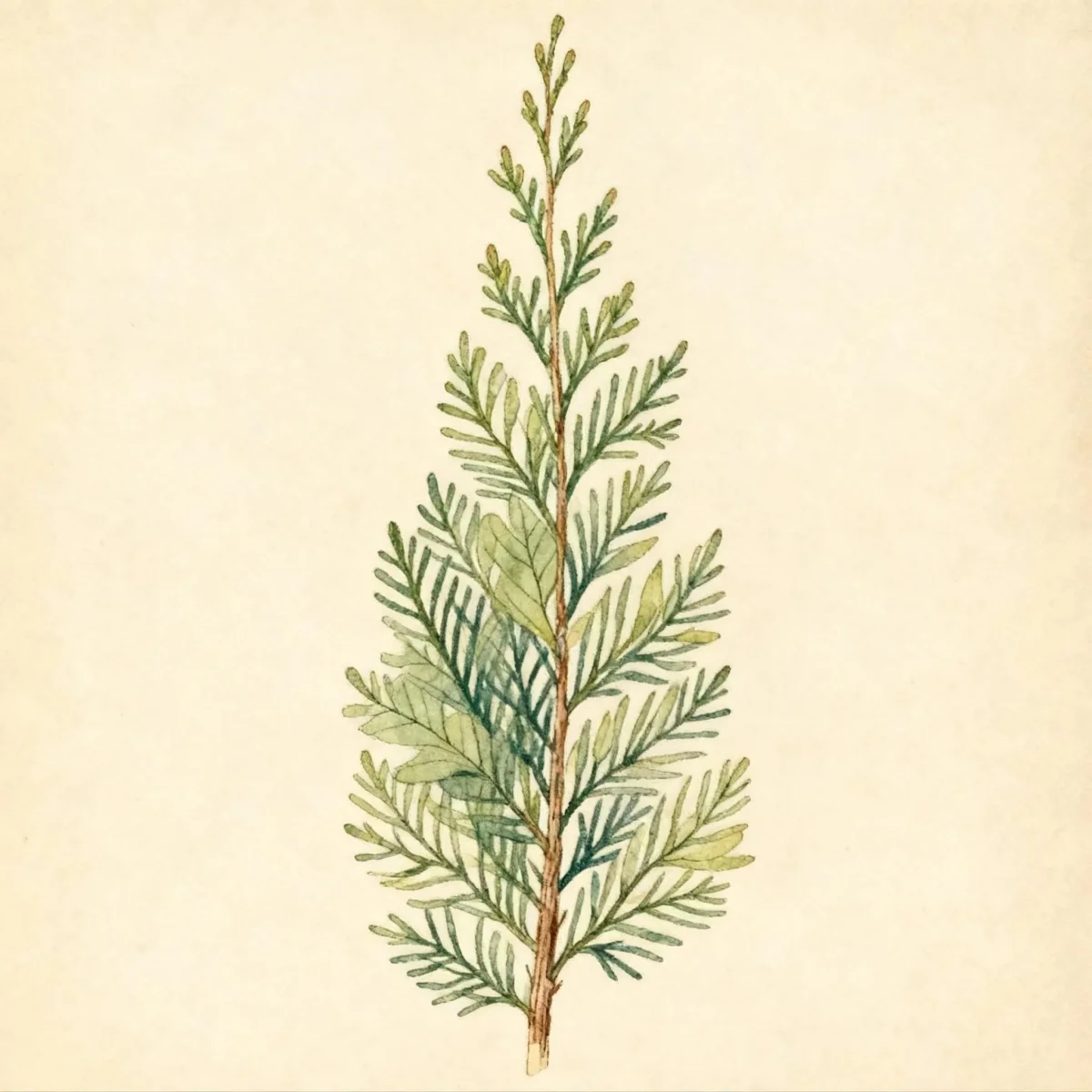
Thuja occidentalis, commonly known as American arborvitae, Eastern arborvitae, Eastern white cedar or Northern white cedar, is typically seen as a larger forest tree, but the ‘Skinner’s Dwarf’ selection provides a dwarf, narrow-pyramidal form that achieves a manageable 6-7 feet tall by 2-3 feet wide. Its distinctive feature is the scale-like, aromatic foliage held in flattened sprays, which maintains a rich green color year-round. The common name ‘arborvitae’ translates to “tree of life,” referencing its historical use by early settlers for treating scurvy.
Tolerances
- Clay Soil
- Black Walnut
- Air Pollution
Potential Problems
The health of Thuja occidentalis ‘Skinner Dwarf’ is generally robust, but certain fungal issues and pests require awareness. Leaf blight can manifest as spotting and subsequent foliage drop, often triggered by overhead watering or poor air circulation; ensure good air flow around the slow-growing shrub. Watch closely for canker, which affects stems, and leaf miners, which damage the tips of the foliage.
Pest management should focus on regular scouting for common culprits like bagworms, scale insects, and spider mites, which occasionally infest the dense sprays. Winter burn is a cosmetic but common issue in fully exposed sites; planting protection against harsh winter winds can mitigate the yellow-brown discoloration that may appear on the foliage when exposed to winter thaw and freeze cycles.
Frequently Asked Questions
What hardiness zones is American arborvitae suitable for?
Thuja occidentalis ‘Skinner Dwarf’ is suitably hardy across USDA Zones 3 through 7, offering reliable performance across a wide climatic band.
How large does American arborvitae grow?
This specific cultivar is noted for its slow, controlled growth, maturing to a height between 6 and 7 feet and a spread of only 2 to 3 feet wide.
What sun exposure does Thuja occidentalis ‘Skinner Dwarf’ need?
For the best density and shape, this needled evergreen requires full sun, although it can tolerate some part shade, particularly light afternoon shade in very hot regions.
When does American arborvitae bloom?
Like all arborvitae, Thuja occidentalis ‘Skinner Dwarf’ is non-flowering, providing aesthetic value through its year-round evergreen foliage structure instead of seasonal blooms.
Conclusion
The Thuja occidentalis ‘Skinner Dwarf’ is an outstanding choice for gardeners seeking the classic look of the American arborvitae packaged in a compact, low-maintenance container suitable for modern small-space landscaping. Its tolerance for varied soils and air quality adds excellent functional value to its evergreen structure. Assess your site conditions to ensure adequate moisture and sun exposure before planting this durable dwarf specimen.
Companion Planting
When planning borders or foundation plantings around your Thuja occidentalis ‘Skinner Dwarf’, select plants that share similar cultural needs: sun exposure and medium water requirements. Low-growing perennials or ground covers that prefer neutral to slightly alkaline soil work well beneath the canopy, provided they do not shade the base of the Arborvitae. Consider pairing its deep green foliage with plants offering contrasting textures or colors, such as silver-leafed Sedums or low-growing blue Hostas if the location receives enough afternoon shade filtration.
Design Ideas
Due to its strong vertical presence and narrow footprint, this dwarf conifer is perfect for creating formal accents without consuming excessive space. Use it symmetrically to flank doorways or mailboxes where a permanent, tidy marker is required. In contemporary gardens, mass plantings of Thuja occidentalis ‘Skinner Dwarf’ can form a tight, low evergreen screen or hedge that remains manageable for years, offering privacy where taller screens are impractical or prohibited by setback rules.