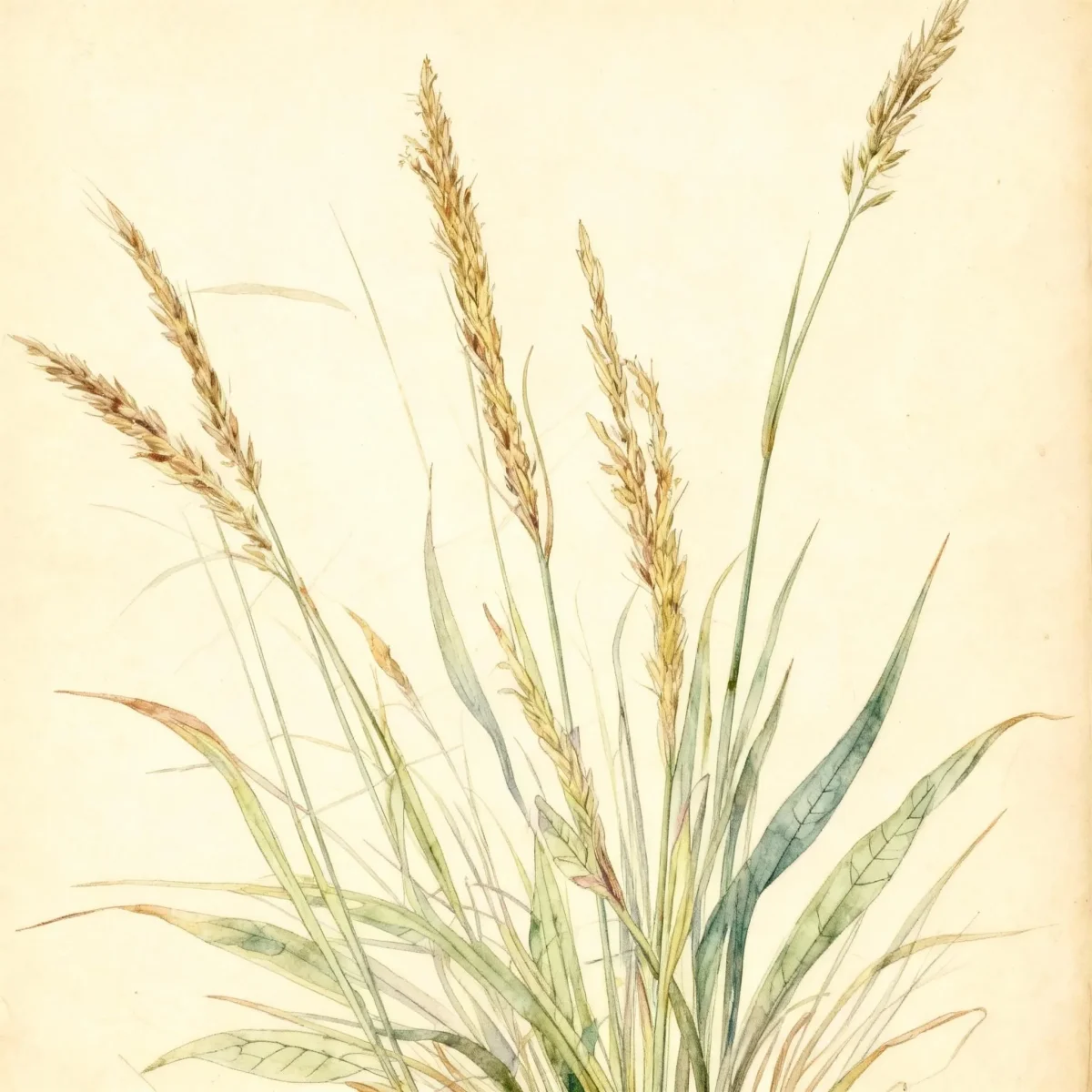
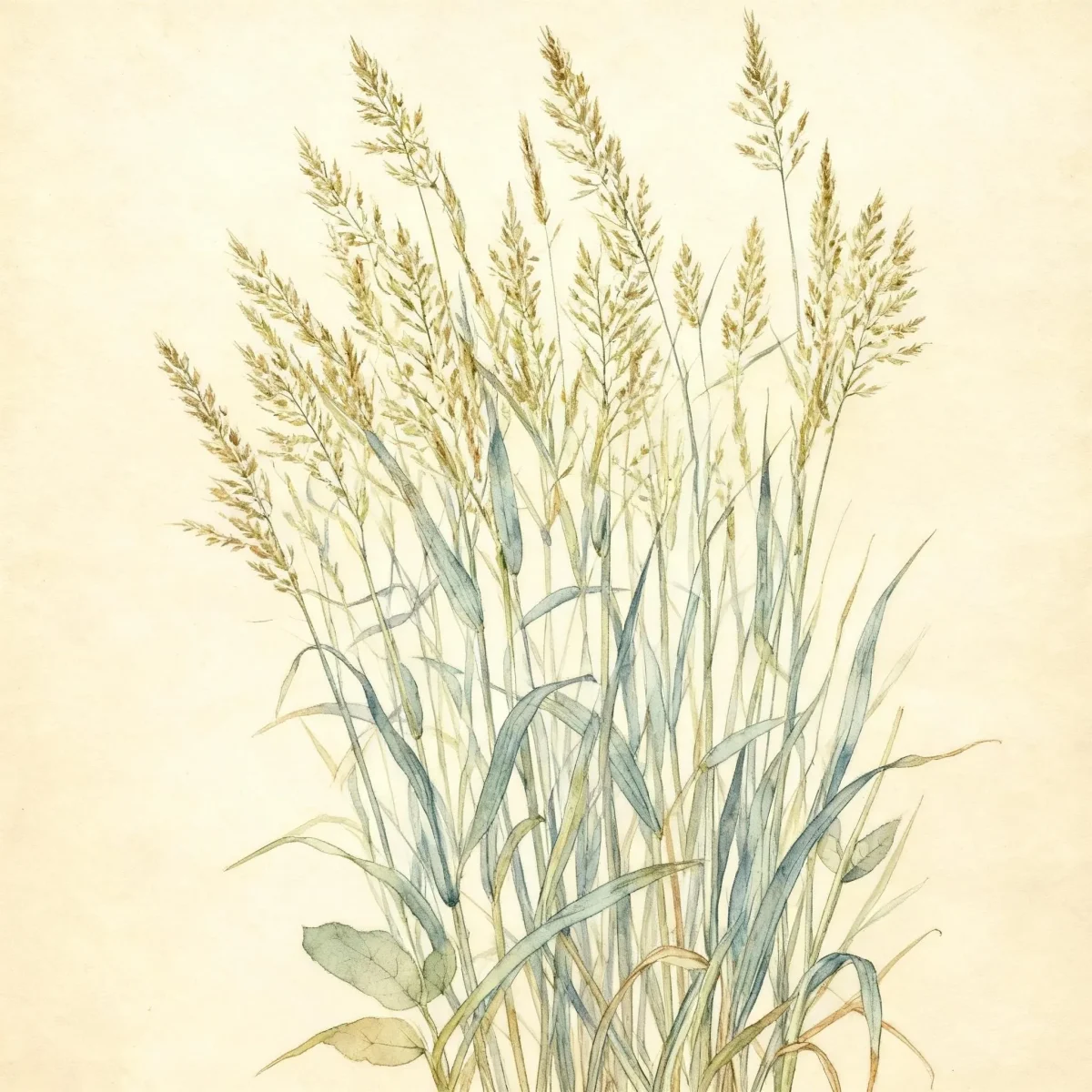
Blue fescue (Festuca glauca 'Boulder Blue')
Festuca glauca 'Boulder Blue', or Blue fescue, offers striking steely blue, finely textured foliage perfect for edging and rock gardens. Adapts well to Zones 4-9.
Scroll down to discover growing tips, care requirements, companion plants, and more
Complete Plant Information
Overview
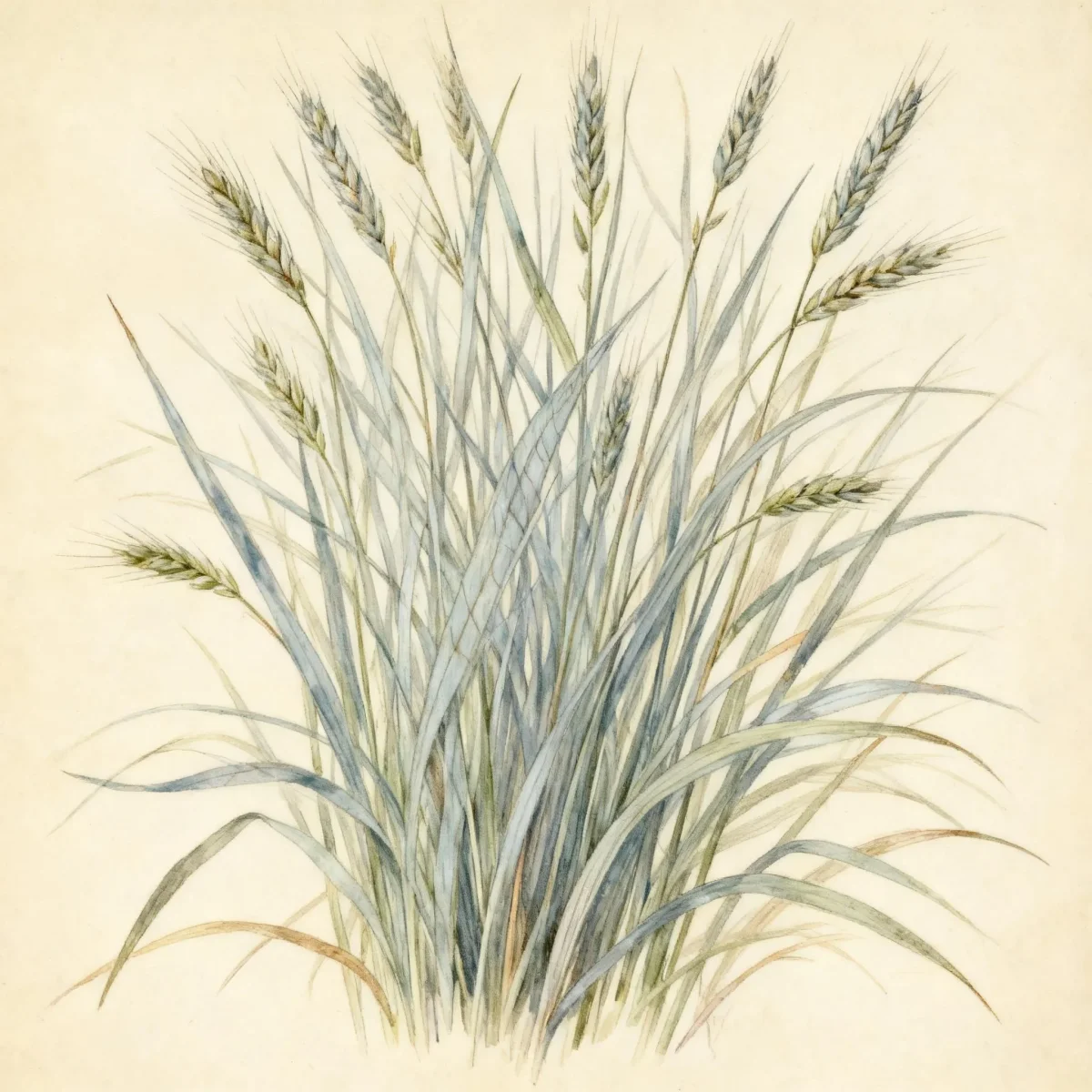
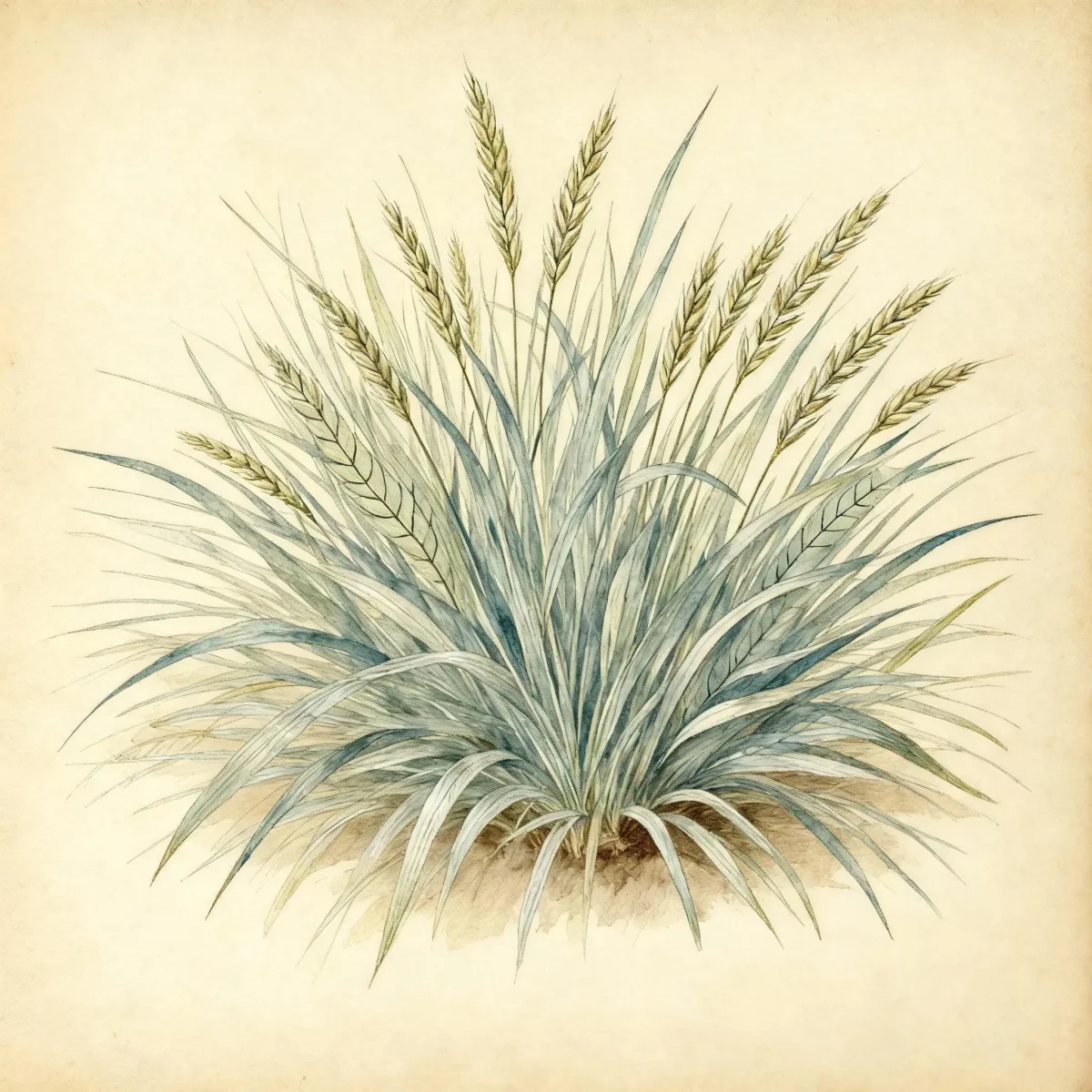
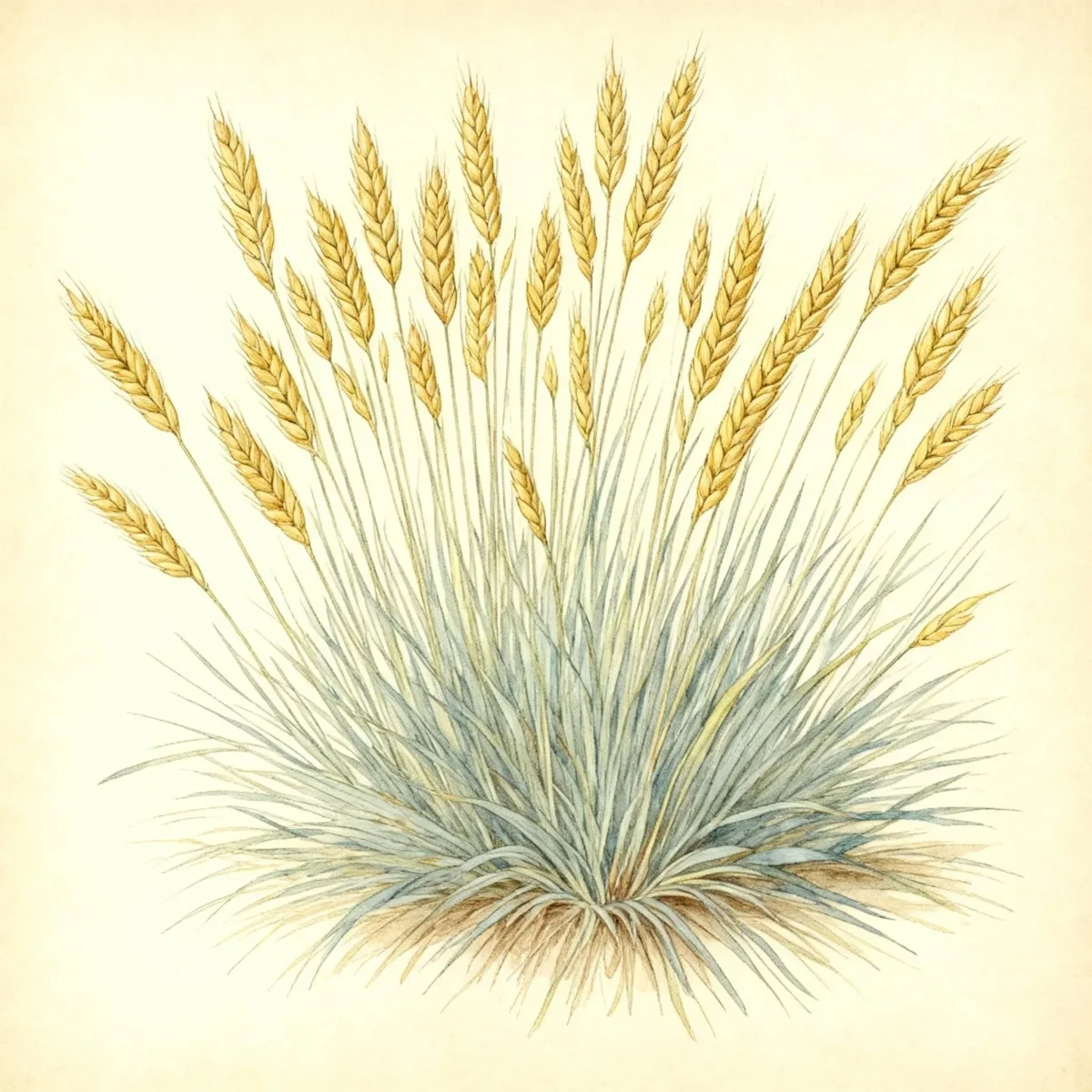
Festuca glauca ‘Boulder Blue’, commonly known as Blue fescue, is highly valued in contemporary landscapes for its intense, finely textured, steel-blue foliage. This low-growing, clump-forming ornamental grass creates striking mounds resembling porcupine tufts, providing year-round color interest. While it produces light brown flower spikelets in the summer, its primary appeal is the vibrant, glaucous leaf texture.
This variety is prized for its durability, handling harsh conditions well once established, making it an excellent choice for xeriscaping or areas with poor soil quality. Despite its toughness, success with Festuca glauca ‘Boulder Blue’ relies on providing it with ample sunlight and ensuring superb drainage, as it strongly resents wet feet.
The semi-evergreen nature of Blue fescue means it offers structure across seasons, but gardeners should plan for routine maintenance, including division, to keep the center of the clumps vigorous and colorful, ensuring the best display of steely blue.
Fast Facts
- Plant Family: Poaceae
- Plant Type: Ornamental grass
- Hardiness Zones: USDA Zones 4-9
- Size at Maturity:
- Height: 0.5-0.75 ft
- Spread: 0.5-0.75 ft
- Bloom Time: July to August
- Bloom Description: Light brown
- Sun Exposure: Full sun
- Water Needs: Dry to medium
- Maintenance Level: Medium
How to Grow
To achieve the best color, plant Festuca glauca ‘Boulder Blue’ where it receives full sun exposure; while it tolerates light shade, the classic blue coloration becomes muted without plenty of direct light. Optimal planting locations are those with average, dry to medium soils that are exceptionally well-drained. This grass actively dislikes wet, poorly-drained conditions, which can quickly lead to crown rot.
Watering should be infrequent once the plant is established, reflecting its drought-tolerant nature. Avoid overwatering, especially during the hot summer months when the foliage is most susceptible to decline. Fertilization is generally not required as this fine grass thrives in poorer soils.
Routine maintenance is essential for this short-lived clump former. In early spring, cut back the old foliage to about 3–4 inches above the soil line to refresh the clump and allow new growth to emerge cleanly. Since clumps tend to die out in the center, plan to divide and replant or replace your Festuca glauca ‘Boulder Blue’ every two to three years. When using it as a ground cover, mass plant densely, spacing them about 8–10 inches apart, as they do not spread aggressively outward.
Landscape Uses
Festuca glauca ‘Boulder Blue’ is a surprisingly versatile player in garden design, excelling where low, tidy texture is needed. Its compact mound form makes it an ideal edging plant, clearly defining the lines of borders, pathways, or hardscaping features. It provides a stunning, cool-toned contrast when placed against the dark greens of evergreen shrubs or the warm tones of sedums and creeping thyme.
Consider using Blue fescue as an accent plant in rock gardens or in the front of a mixed border where its fine texture can be appreciated up close. It also mixes well, providing a tight, low-growing textural foil to larger forms of other ornamental grasses. For a modern, low-maintenance container display, Festuca glauca ‘Boulder Blue’ performs admirably, provided the potting mix allows for excellent drainage.
Standout Features
Flower Qualities
- Insignificant
Noteworthy Characteristics
Festuca glauca, commonly called blue fescue, is a short-lived, low-growing, semi-evergreen, clump-forming ornamental grass noted for its glaucous, finely-textured, blue-gray foliage. Foliage forms a dome-shaped, porcupine-like tuft of erect to arching, needle-like blades radiating upward and outward to a height of 6-8” (inflorescences typically bring total clump height to 10-14”). ‘Boulder Blue’ features steely blue, finely textured foliage and a compact growth habit; the clumps reach around 10” tall with a 10” spread, and light brown flowering spikelets appear in summer, held just above the foliage.
Tolerances
- Deer
- Drought
- Dry Soil
- Shallow-Rocky Soil
- Black Walnut
- Air Pollution
Potential Problems
The primary challenge with growing Festuca glauca ‘Boulder Blue’ is its relatively short lifespan, requiring gardeners to be diligent about division every few years to prevent decline in the center of the clumps. Furthermore, foliage quality can suffer significantly during periods of intense heat combined with high humidity, leading to browning and reduced visual appeal. Managing these issues involves ensuring perfect drainage year-round and performing necessary pruning/tidying in early spring before new vibrant growth emerges.
Frequently Asked Questions
What hardiness zones is Festuca glauca ‘Boulder Blue’ suitable for?
Blue fescue is reliably hardy in USDA Zones 4 through 9, offering adaptability across a wide range of climates.
How large does Blue fescue grow?
This ornamental grass typically forms clumps reaching 0.5 to 0.75 feet in height and spreading between 0.5 to 0.75 feet wide.
What sun exposure does Festuca glauca ‘Boulder Blue’ need?
For the strongest steely blue coloration, Full sun exposure is strongly recommended for Festuca glauca ‘Boulder Blue’.
When does Blue fescue bloom?
The grass produces light brown flowering structures from July through August, held just above the blue foliage mounds.
Conclusion
Festuca glauca ‘Boulder Blue’ is a highly effective, architectural plant offering year-round blue-gray texture ideal for low-maintenance, well-drained settings. Its compact nature ensures it fits seamlessly into rock gardens or tight border fronts, making Blue fescue a visually impactful addition. Before planting, confirm your site receives full sun and excellent drainage, then plan for periodic division to keep your clumps looking their best.
Companion Planting
When selecting companions for Festuca glauca ‘Boulder Blue’, prioritize plants that share its preference for dry soil and full sun, while offering complementary textures or colors. Succulents and drought-tolerant perennials make excellent partners for this ornamental grass. Consider pairing the fine, cool blue needles with the broad, flat surfaces of Sedums, such as ‘Autumn Joy,’ or the contrasting purple hues of ornamental chives. In rock gardens, low-growing thymes or creeping Phlox will effectively weave around the grass mounds, softening edges without competing for space.
Design Ideas
The mounding habit of this Blue fescue makes it perfect for geometric or structured designs. Use masses of Festuca glauca ‘Boulder Blue’ to create a low, flowing river of blue that guides the eye through a larger border planting. For contemporary gardens, plant it alongside hard materials like gravel, decomposed granite, or angular concrete pavers to emphasize the grass’s soft texture. Its small stature is also ideal for bordering walkways where you need a subtle, non-arching transition point rather than a tall screen.