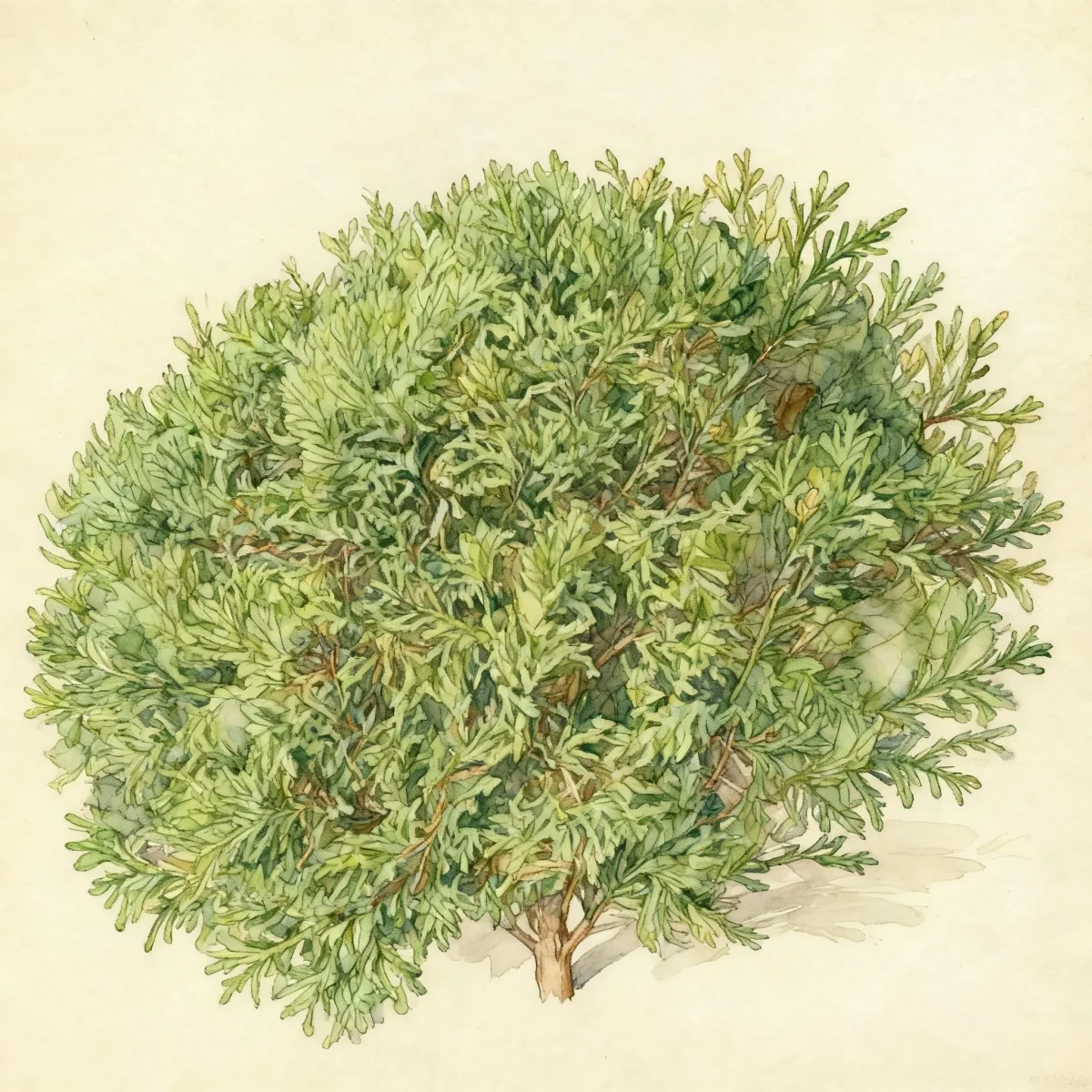
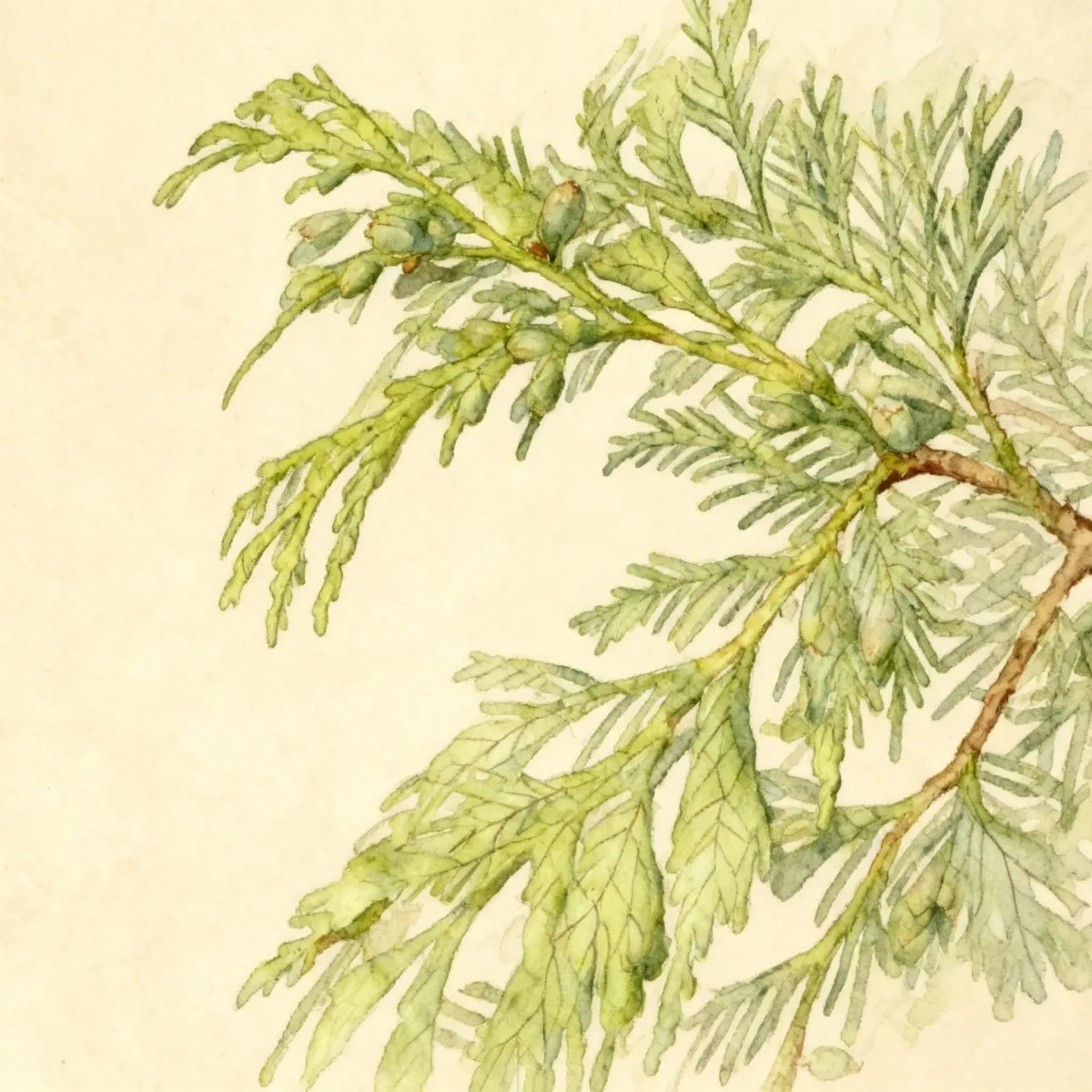
American arborvitae (Thuja occidentalis 'Klmeighteen' PATRIOT)
Thuja occidentalis 'Klmeighteen' PATRIOT is a dense, narrow American arborvitae, ideal for screens in Zones 2-7. Low maintenance.
Scroll down to discover growing tips, care requirements, companion plants, and more
Complete Plant Information
Overview
Thuja occidentalis ‘Klmeighteen’ PATRIOT, commonly known as American arborvitae, is highly valued for its narrow, columnar growth habit, making it a premier selection for tight spaces and vertical accent planting. This evergreen cultivar maintains dense, rich green foliage that is noted for retaining good color throughout the winter months. As a low-maintenance specimen, the PATRIOT variety offers year-round structure to the landscape.
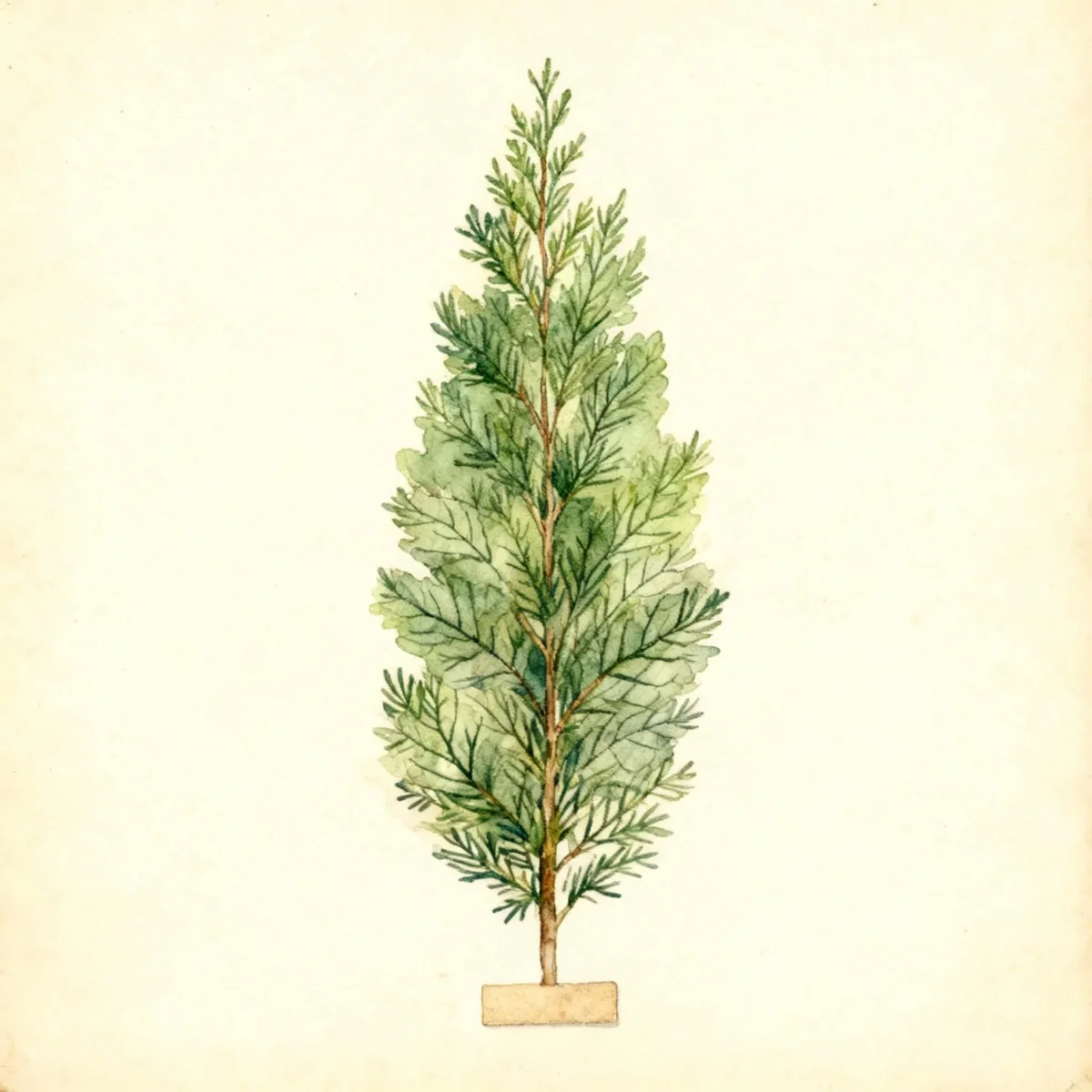
This cultivar is a manageable version of the native American arborvitae, typically reaching heights between 20 and 30 feet but rarely exceeding 6 feet in width. It thrives across a wide range of cool to cold climates, thanks to its exceptional hardiness. Its refined, upright form provides excellent screening and architectural interest without the need for constant pruning.
Gardeners appreciate this Thuja occidentalis selection for its reliable structure and adaptability once established. Whether used as a formal hedge or a solitary specimen, the PATRIOT cultivar delivers the classic beauty of the Eastern white cedar in a space-saving package. Ensure appropriate sun exposure for the best density and color retention.
Fast Facts
- Plant Family: Cupressaceae
- Plant Type: Needled evergreen
- Hardiness Zones: USDA Zones 2-7
- Size at Maturity:
- Height: 20-30 ft
- Spread: 5-6 ft
- Bloom Time: Non-flowering
- Sun Exposure: Full sun to part shade
- Water Needs: Medium
- Maintenance Level: Low
How to Grow
The best time to plant Thuja occidentalis ‘Klmeighteen’ PATRIOT is typically in the spring or early fall when temperatures are moderate. Plant in average, medium moisture, well-drained soils. While this American arborvitae shows some tolerance for various soil types, it performs best in moist, neutral to alkaline loams. Proper site selection is crucial, as this cultivar is intolerant of dry conditions.
Establish a consistent watering schedule, especially during the first growing season, to encourage deep root development. Once established, it requires medium water input. While fertilizing is generally unnecessary for low-maintenance conifers, a balanced, slow-release fertilizer in spring can boost vigor. Avoid pruning heavily unless shaping is required, as the natural columnar habit is its primary appeal.
Positioning is important for maintaining foliage density; aim for full sun, though light afternoon shade is beneficial in harsh summer climates. Avoid planting near exposed, windy sites, which can increase the risk of winter burn turning the foliage yellow-brown.
Landscape Uses
The narrow habit of Thuja occidentalis ‘Klmeighteen’ PATRIOT makes it an indispensable choice for creating fast, effective screens and hedges. Its vertical reach of up to 30 feet, combined with a limited spread of just 5 to 6 feet, minimizes intrusion into pathways or property lines. Use multiple plants spaced appropriately to form a dense, evergreen border that offers privacy year-round.
Beyond hedging, this columnar conifer works exceptionally well in foundation plantings where traditional, wider evergreens would overwhelm the architecture. It also serves effectively as a specimen plant to anchor corners of the garden or to provide vertical contrast against lower, mounding shrubs. Because of its tight form, it fits well into formal or contemporary landscape designs.
When designing, consider pairing the vibrant green of the American arborvitae foliage with plants that offer textural or color contrast during the summer, such as fine-textured ornamental grasses or broad-leaved perennials that enjoy similar moisture and light conditions.
Standout Features
Noteworthy Characteristics
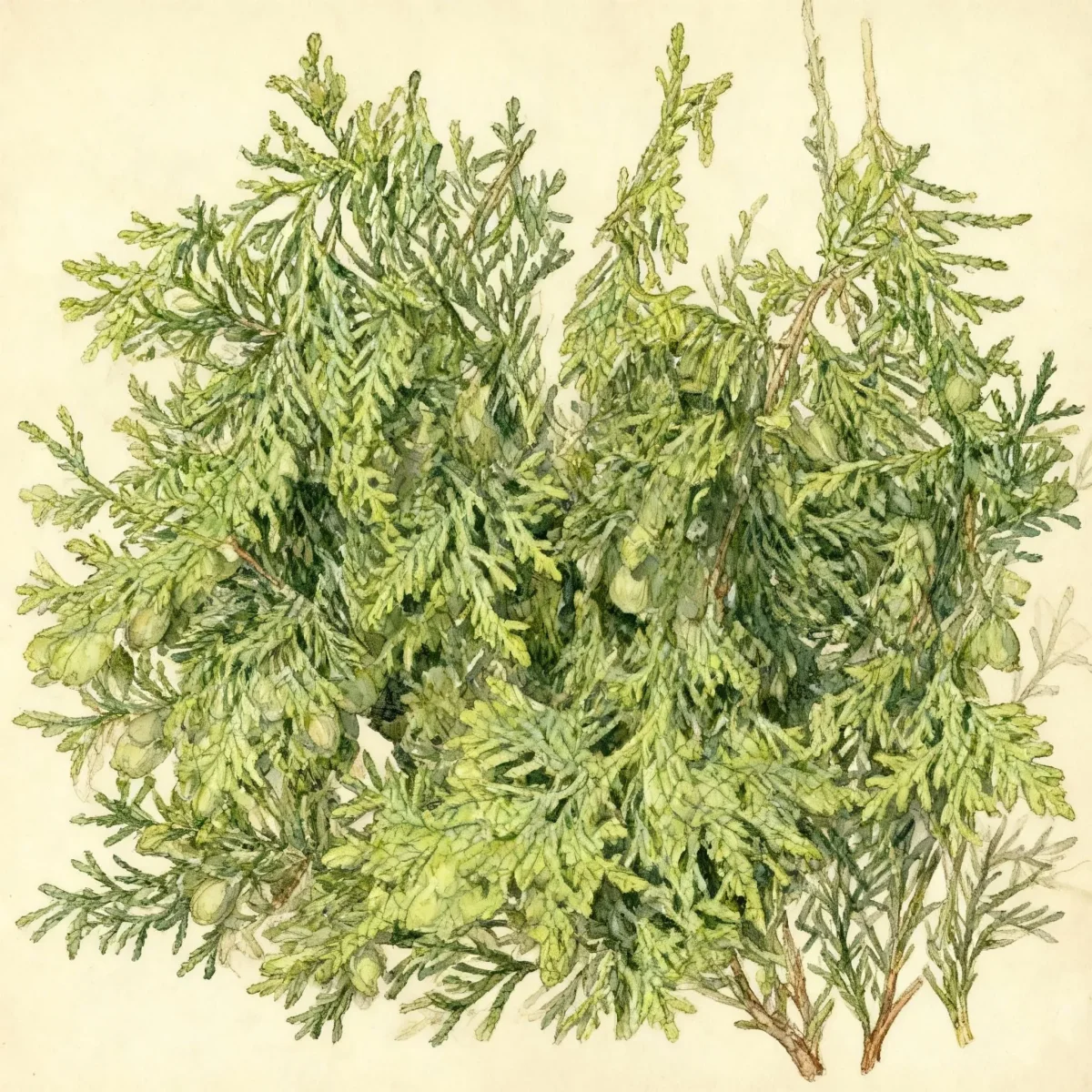
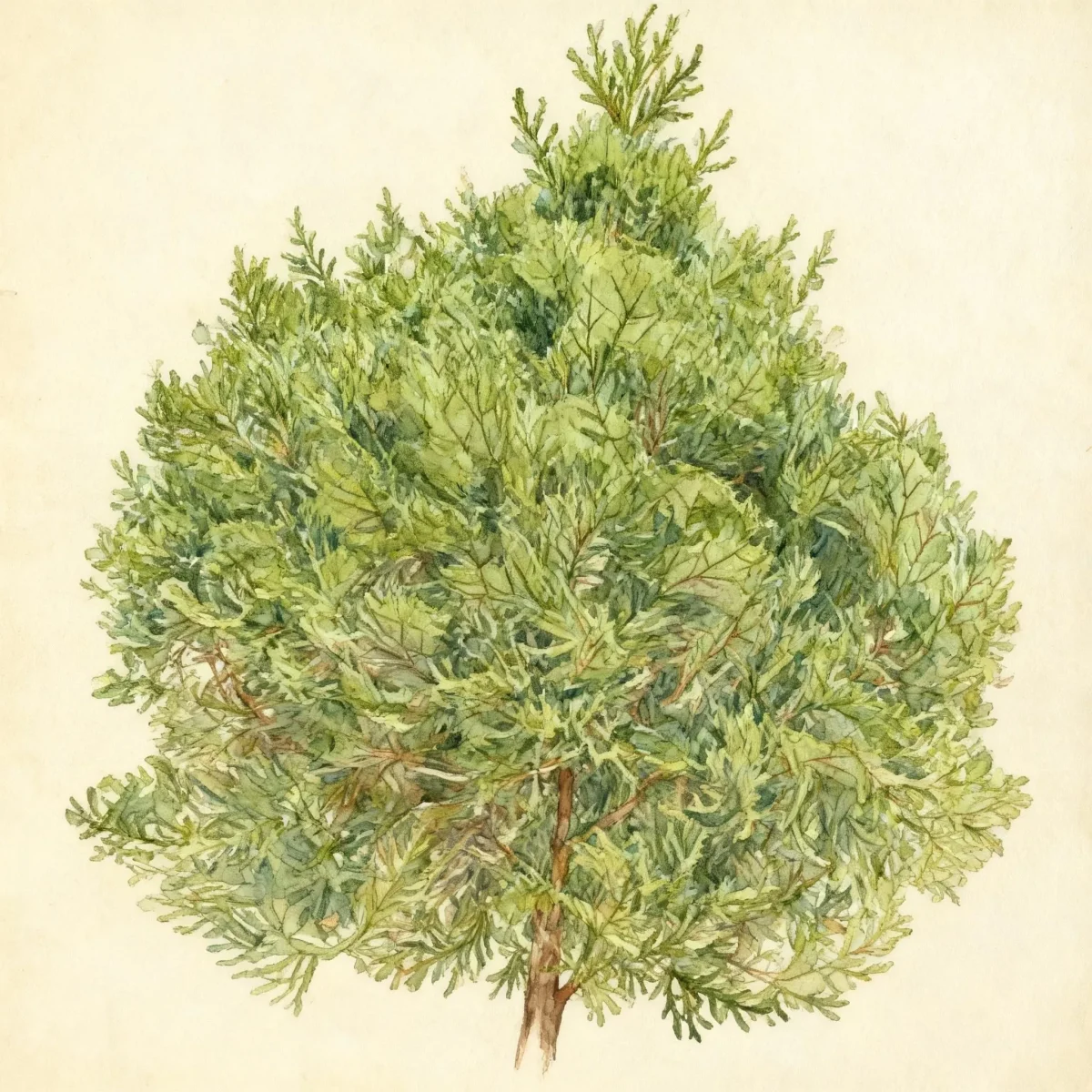
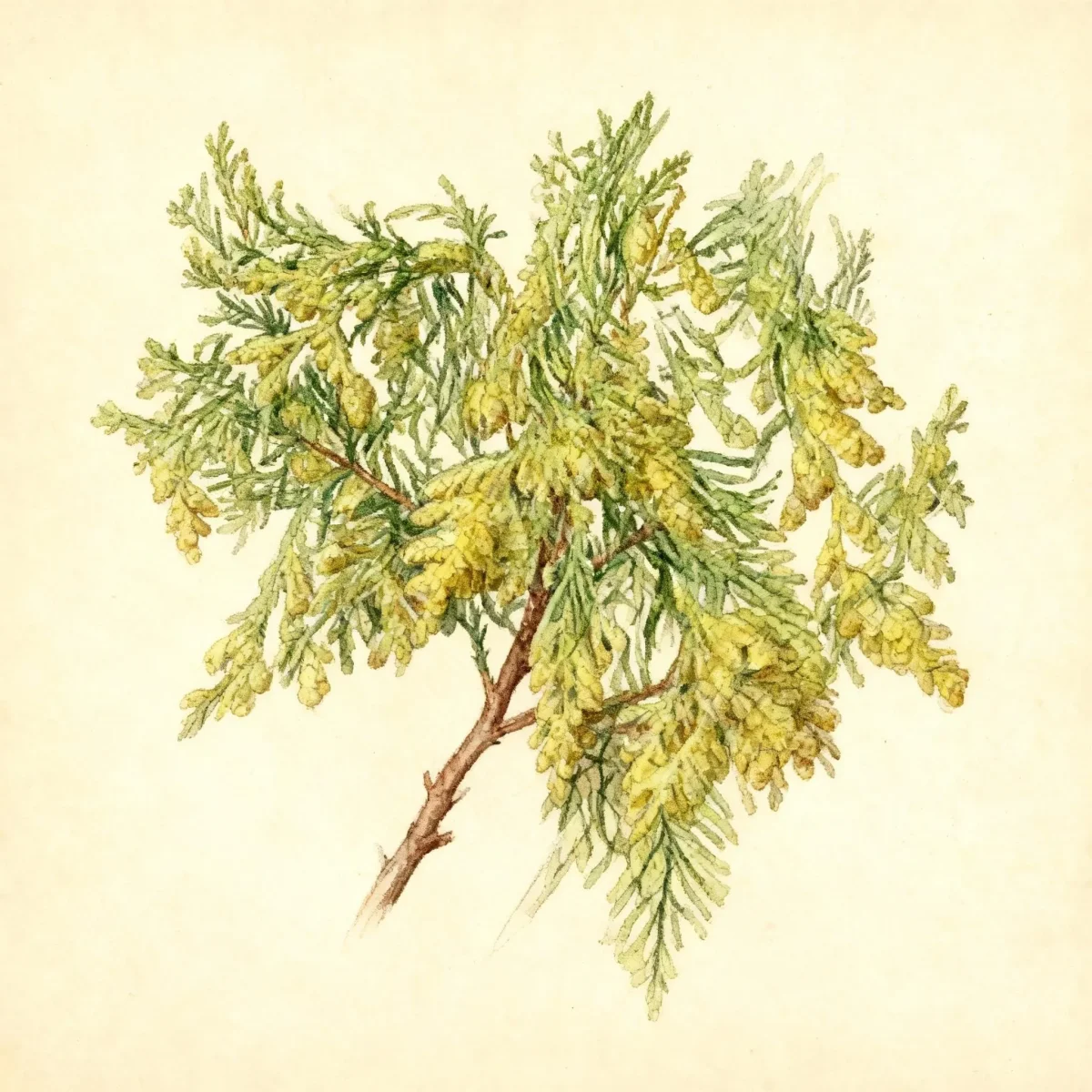
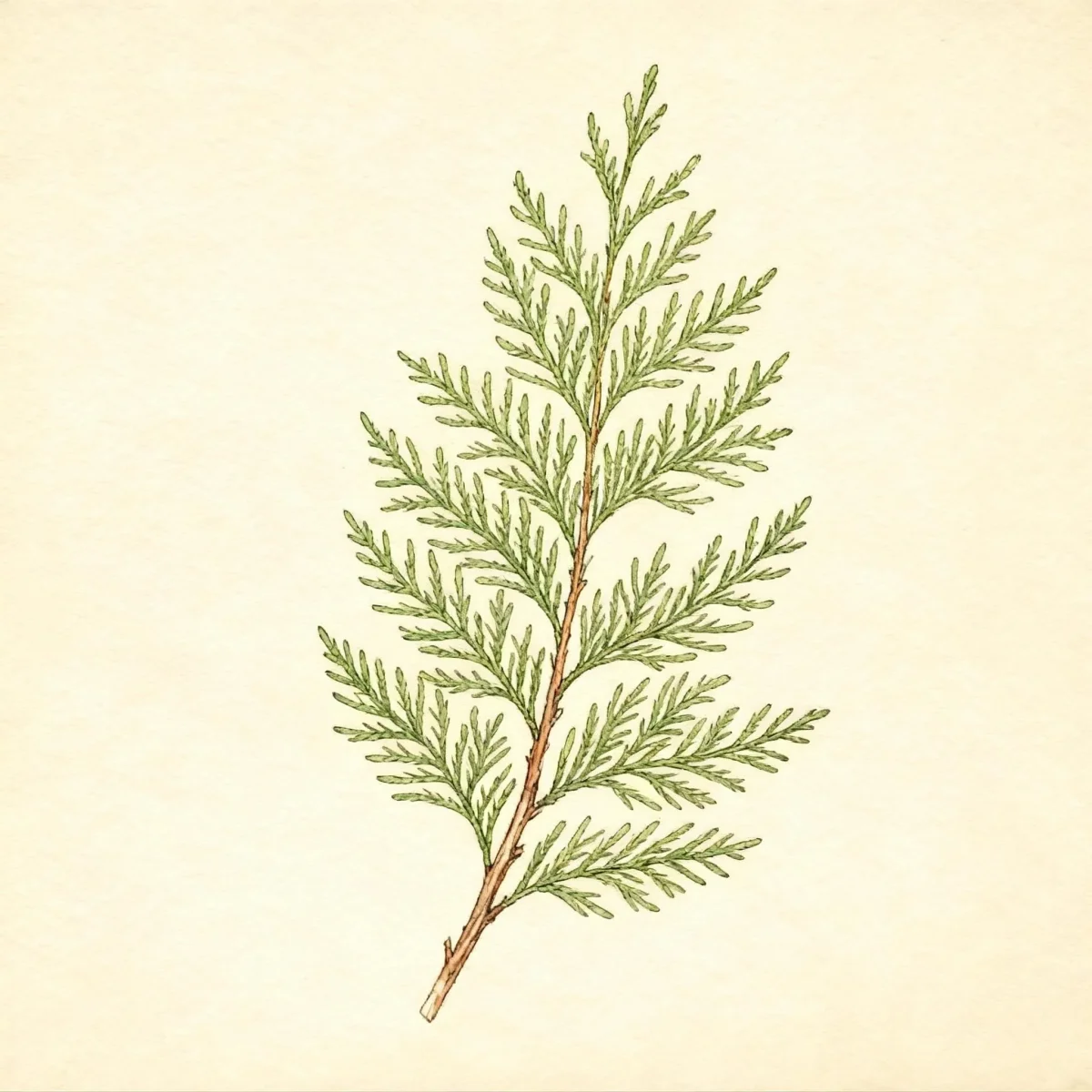
Thuja occidentalis, commonly known as American arborvitae, is a dense, conical evergreen native to eastern and central Canada. The specific cultivar PATRIOT is characterized by its upright, narrow columnar shape, reaching 20-30 feet tall with a spread of only 5 feet wide, displaying dense, scale-like, rich green foliage in vertical sprays. Foliage is noted for retaining good green color throughout winter, adding essential winter interest to northern landscapes.
Tolerances
- Clay Soil
- Black Walnut
- Air Pollution
Potential Problems
While generally robust, the foliage of Thuja occidentalis ‘Klmeighteen’ PATRIOT can occasionally spot and drop due to leaf blight, often manageable by ensuring good air circulation during planting. Watch closely for canker, and in cases of heavy infestations, leaf miners may damage the tips of the foliage. Occasional pests like bagworms, mealybugs, scales, and spider mites should be monitored throughout the growing season.
In exposed locations, winter burn is a risk, causing the foliage to turn an unsightly yellow-brown. More seriously, the dense structure of this American arborvitae can become susceptible to ice and snow accumulation, leading to stem breakage. Select planting sites wisely to mitigate exposure, or consider gently sweeping heavy snow loads off the branches promptly to prevent structural damage.
Frequently Asked Questions
What hardiness zones is American arborvitae suitable for?
Thuja occidentalis ‘Klmeighteen’ PATRIOT is highly cold-hardy and suitable for USDA Zones 2 through 7.
How large does American arborvitae grow?
This cultivar typically matures to a height between 20 and 30 feet tall, maintaining a narrow spread of only 5 to 6 feet wide.
What sun exposure does American arborvitae need?
For optimal density and color, Thuja occidentalis ‘Klmeighteen’ PATRIOT requires full sun, but it can tolerate part shade, particularly in regions experiencing very hot summers.
When does American arborvitae bloom?
This needled evergreen is non-flowering, producing reproductive cones that are not considered a showy landscape feature.
Conclusion
The Thuja occidentalis ‘Klmeighteen’ PATRIOT offers gardeners a space-saving, low-maintenance solution for year-round screening and vertical structure. With its handsome dark green foliage and tight columnar habit, this American arborvitae variety stands out, especially through the colder months. Before adding this durable conifer to your landscape, confirm that your location falls within USDA Zones 2-7 and that you can provide the medium moisture and well-drained conditions required for best performance.
Companion Planting
Choosing companions that share similar cultural needs ensures a thriving planting bed around your Thuja occidentalis ‘Klmeighteen’ PATRIOT. Since this evergreen prefers moist, well-drained soil and full sun to part shade, consider pairing it with shade-tolerant perennials that thrive in spring moisture, such as Hosta (for texture variation) or Astilbe (for summer color). Low-growing Junipers or dwarf Spiraea can work well along the front edge of beds where the narrow silhouette of the American arborvitae provides a dramatic backdrop.
When using PATRIOT as a formal screen, interspersing lower-growing shrubs that flower in summer, like certain Hydrangea varieties that prefer afternoon shade, can soften the transition from the hedge to the lawn or garden path. Avoid planting drought-tolerant succulents or plants that require extremely dry conditions, as this cedar variety is intolerant of dryness.
Seasonal Care Calendar
Spring cleanup is essential for your American arborvitae; gently rake away any accumulated winter debris from the base of the plant to improve air circulation around the root crown. This is the ideal time for light feeding if necessary. Summer care focuses almost entirely on consistent moisture; check soil moisture regularly, especially during heatwaves, as dryness stresses the foliage.
In late summer or early fall, monitor closely for any pest activity, treating early signs of mites or scale before cooler weather sets in. During winter, the main concern for Thuja occidentalis ‘Klmeighteen’ PATRIOT is physical damage; if heavy, wet snow accumulates, use a soft broom to gently brush it off the branches to prevent breakage in the narrow columnar form. Avoid applying de-icing salts near the root zone.