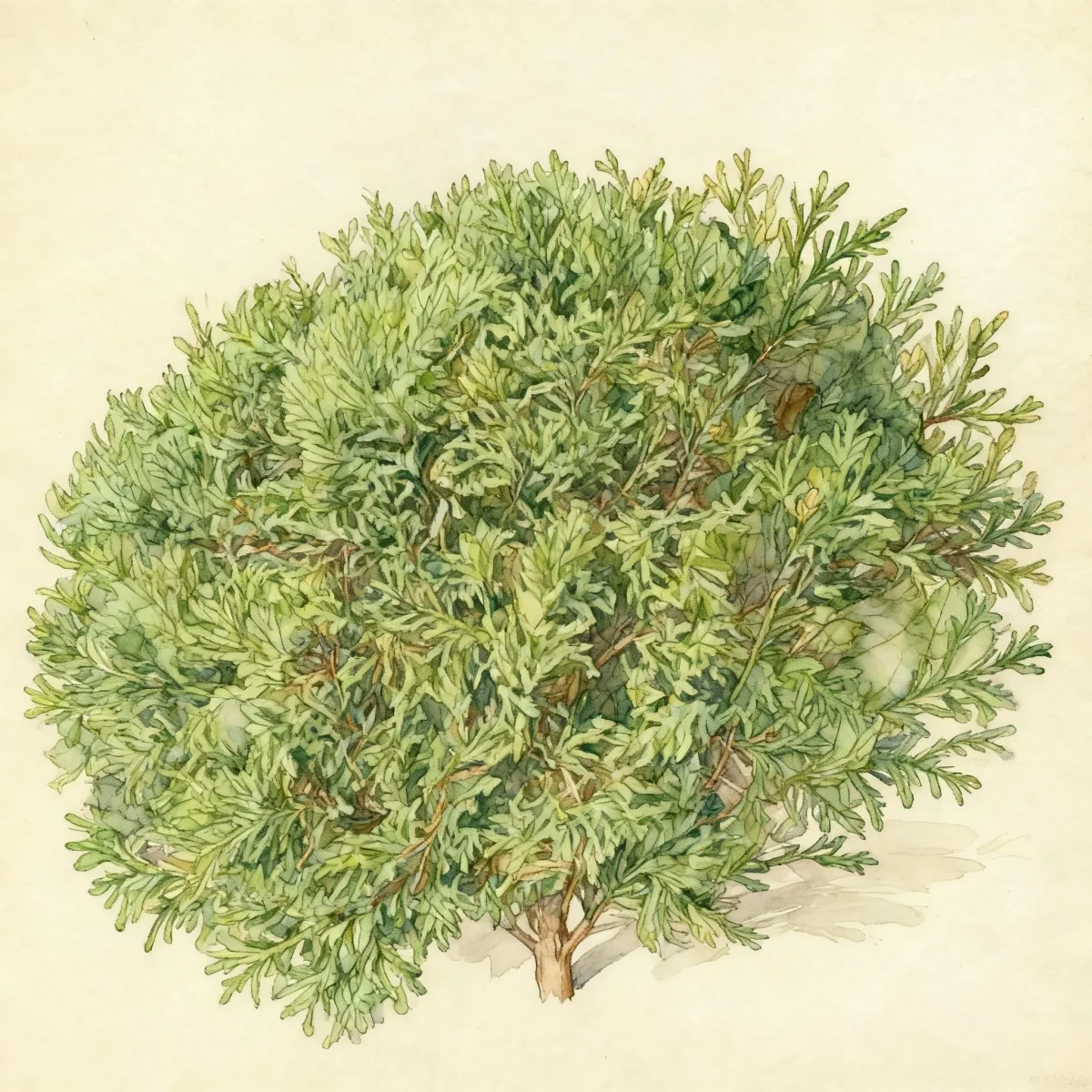
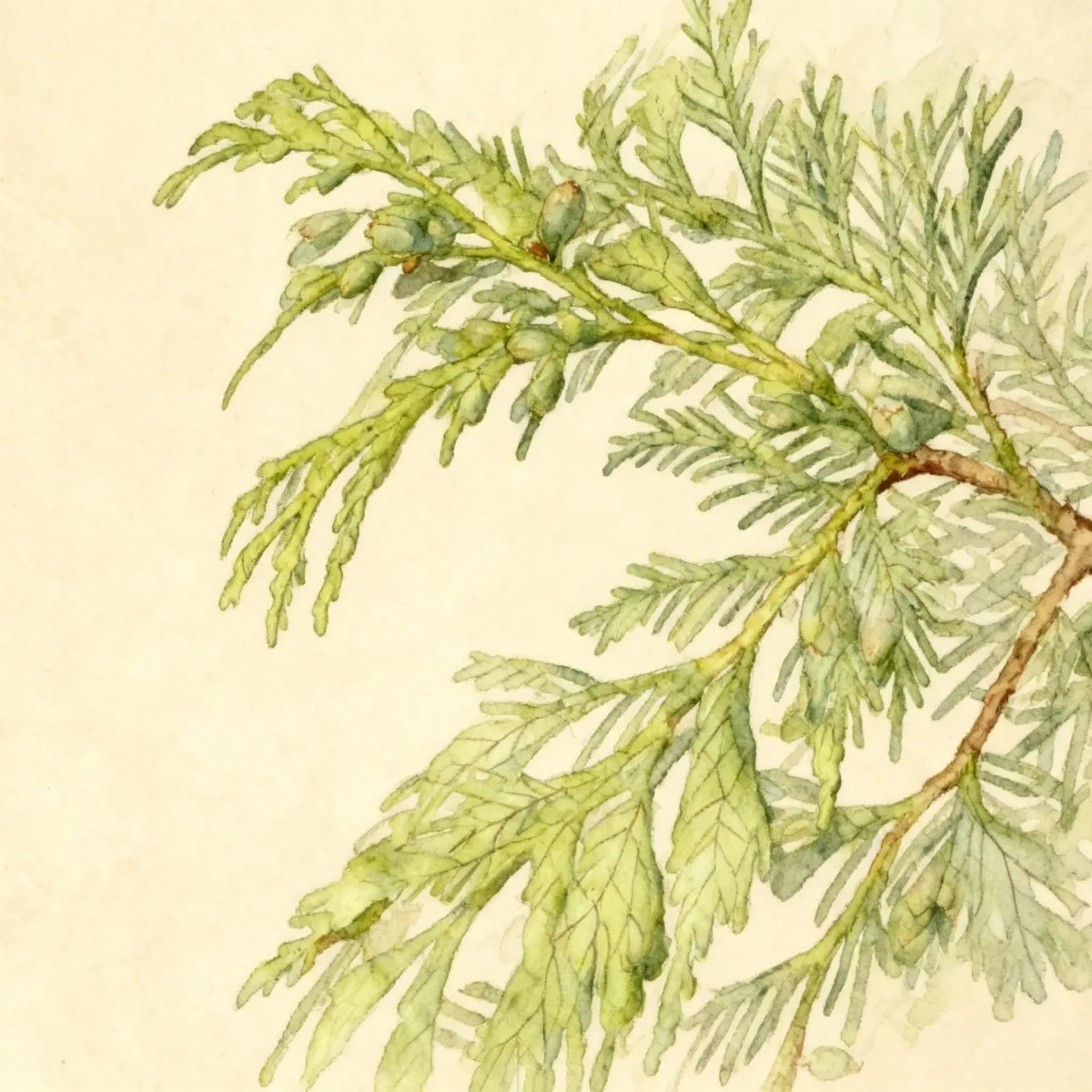
American arborvitae (Thuja occidentalis 'Art Boe' NORTH POLE)
Thuja occidentalis 'Art Boe' NORTH POLE is a dense, narrow American arborvitae perfect for small screens and accents. Low maintenance and hardy for zones 3-7.
Scroll down to discover growing tips, care requirements, companion plants, and more
Complete Plant Information
Overview
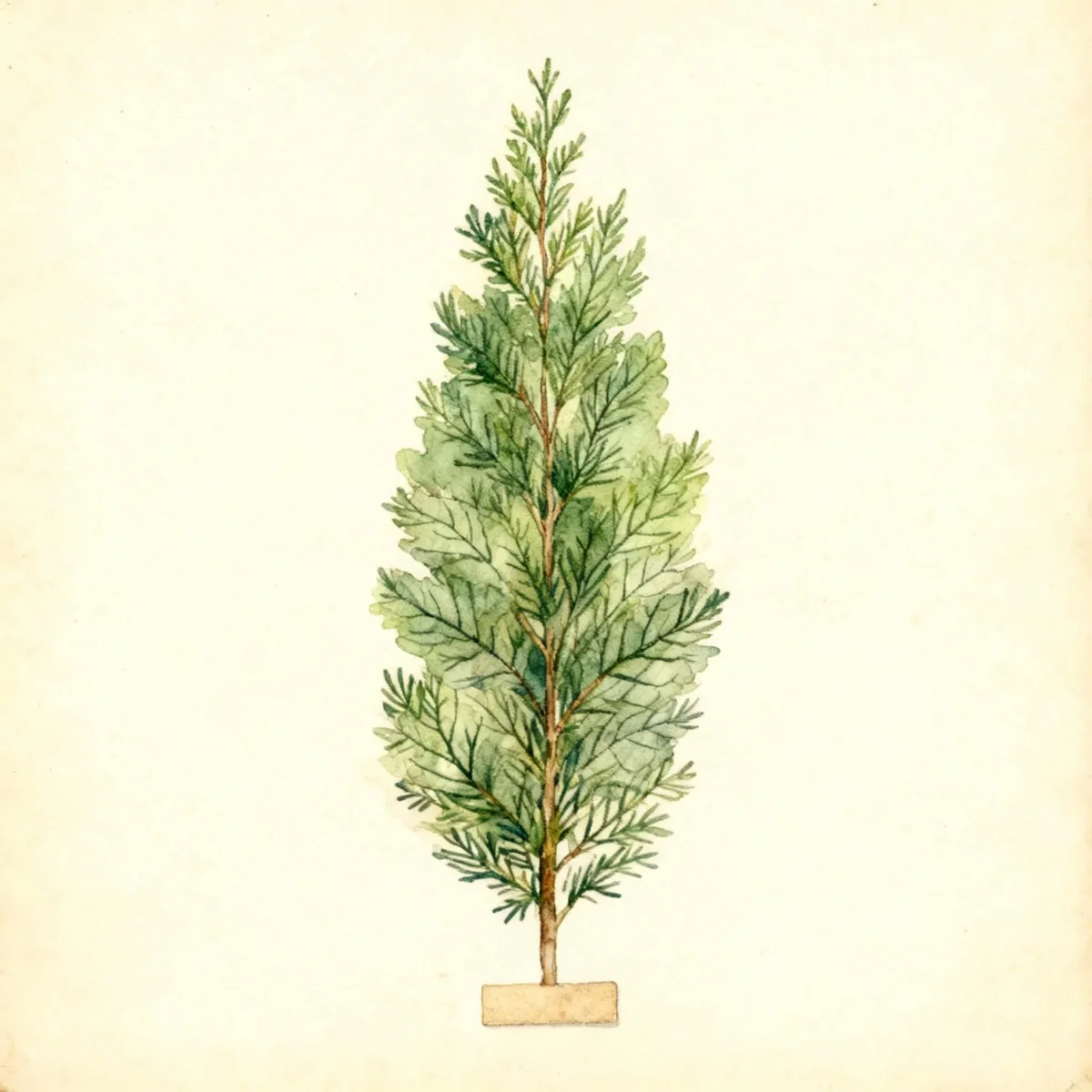
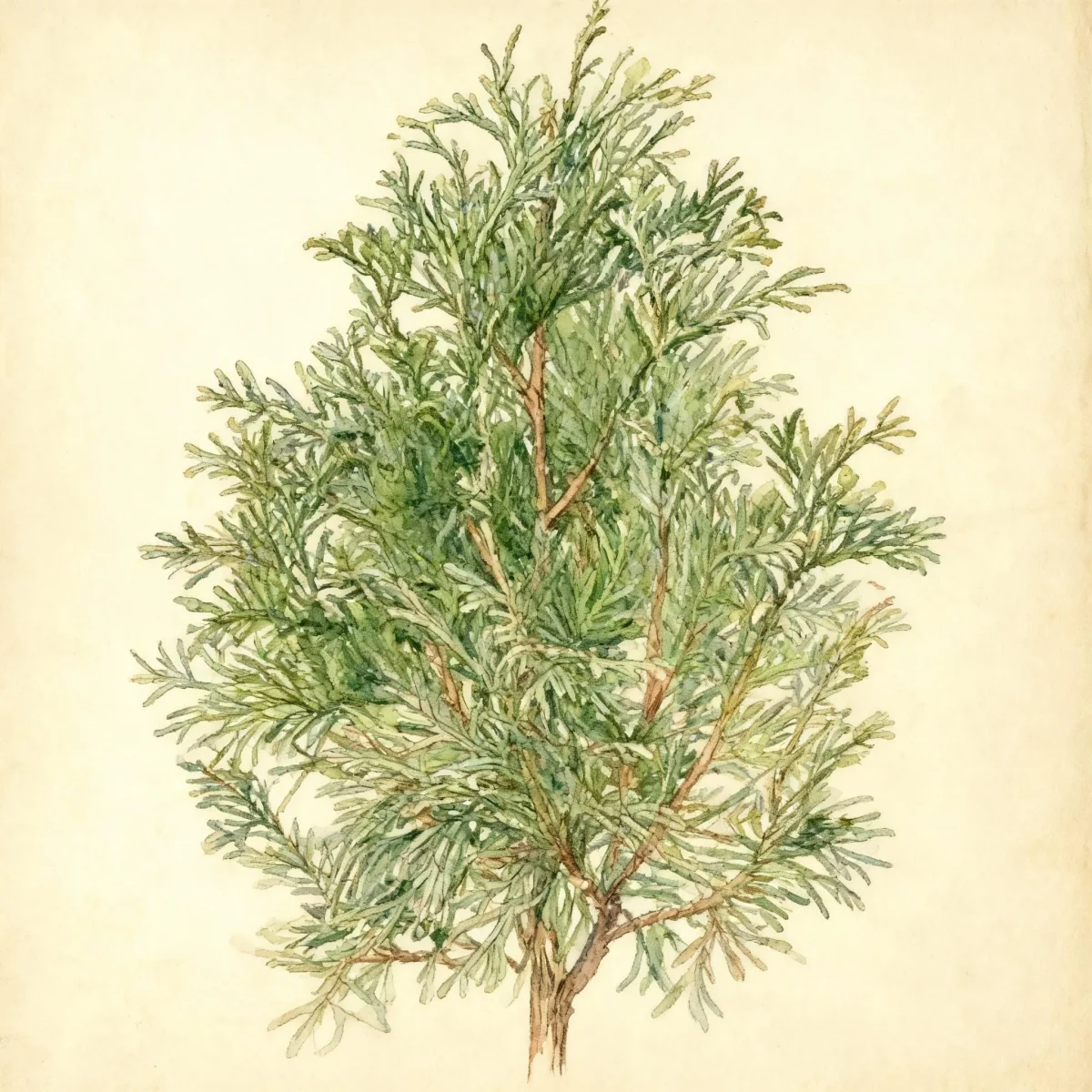
The Thuja occidentalis ‘Art Boe’ NORTH POLE, commonly known as American arborvitae, offers outstanding columnar structure for modern and traditional landscapes. This cultivar develops dense, dark green foliage, making it an excellent vertical accent where space is limited. Its tight, narrow habit allows gardeners to achieve screening effects without the broad footprint of standard Eastern white cedar varieties.
This specific cultivar provides reliable year-round color and texture, fulfilling the need for an evergreen that maintains density. Thuja occidentalis ‘Art Boe’ NORTH POLE generally requires low maintenance once established, fitting perfectly into busy gardening schedules. Gardeners benefit from its ability to thrive across a wide range of USDA hardiness zones.
Valued for its relatively small mature size (10 to 15 feet tall), the NORTH POLE American arborvitae serves crucial functional roles in property design. Whether used as a specimen plant or planted closely together for a formal hedge, this plant provides strong architectural presence.
Fast Facts
- Plant Family: Cupressaceae
- Plant Type: Needled evergreen
- Hardiness Zones: USDA Zones 3-7
- Size at Maturity:
- Height: 10-15 ft
- Spread: 5-7 ft
- Bloom Time: Non-flowering
- Bloom Description: Non-flowering
- Sun Exposure: Full sun to part shade
- Water Needs: Medium
- Maintenance Level: Low
How to Grow
Plant Thuja occidentalis ‘Art Boe’ NORTH POLE in the spring or fall when temperatures are moderate to allow for root establishment. Choose a location that provides full sun exposure, although light afternoon shade is appreciated in hotter summer climates. Successful growth relies heavily on well-drained soils; while it has some tolerance, avoid consistently wet or soggy areas, as this tree is intolerant of dry conditions when young.
Average maintenance involves routine watering, particularly during drought periods, to satisfy its medium water needs. While it develops a wide soil tolerance, it particularly favors moist, neutral to alkaline, well-drained loams. Avoid planting in spots that become prone to high winds, as the foliage and stems can suffer breakage from heavy ice or snow accumulation.
Pruning is generally minimal for the NORTH POLE variety since maintaining its narrow-columnar shape is natural. If light trimming is desired for shaping, perform it in early spring before new growth begins. Ensure thorough watering throughout the first year to encourage robust root development, minimizing stress that could lead to winter burn in exposed sites.
Landscape Uses
The narrow profile of the Thuja occidentalis ‘Art Boe’ NORTH POLE makes it an indispensable tool for constrained spaces. Use it as a specimen accent plant near entryways or flanking architectural features where a formal, upright element is desired. Its dense structure also makes it highly effective when planted in groups to create a slim, year-round screen or windbreak along property lines.
For foundation plantings, this American arborvitae provides vertical relief against long, horizontal home lines without overwhelming the structure. Consider pairing it with lower-growing, mounding perennials or deciduous shrubs that offer seasonal color contrast against the dark green winter foliage of the NORTH POLE. Its tight habit ensures it remains useful in smaller shrub borders where wider evergreens would soon encroach on walkways.
Standout Features
Noteworthy Characteristics
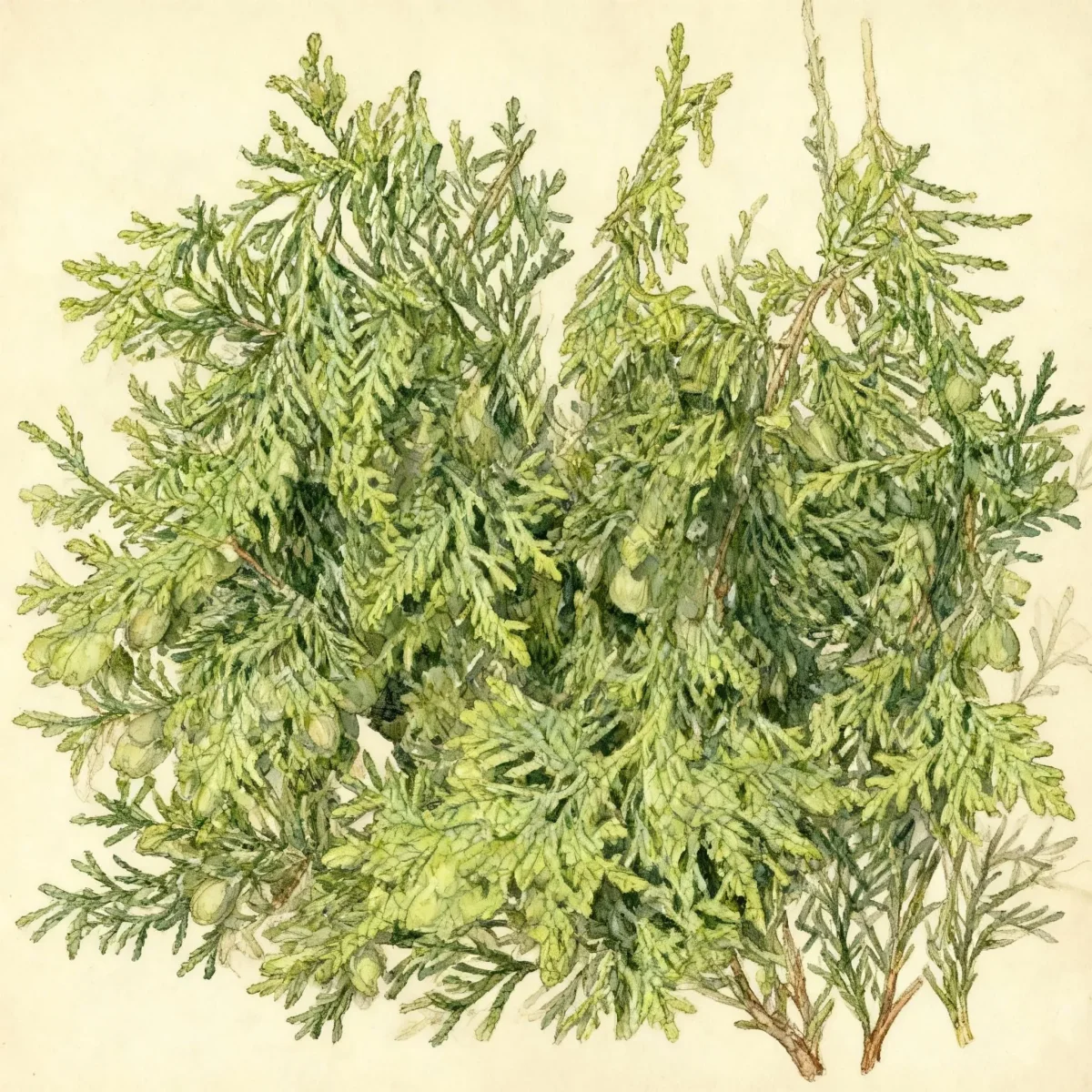
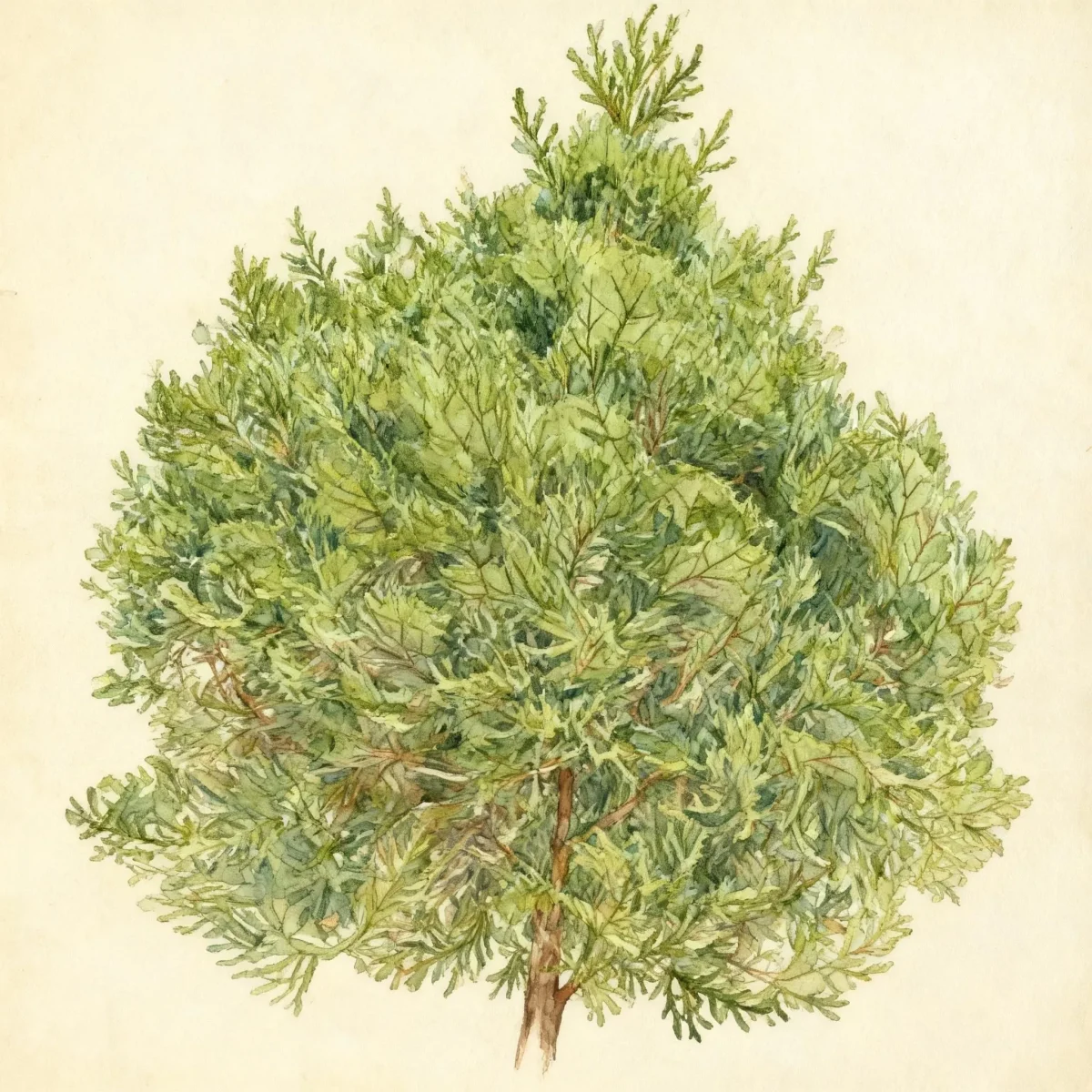
Thuja occidentalis, commonly known as American arborvitae, Eastern arborvitae, Eastern white cedar or Northern white cedar, is a dense, conical to narrow-pyramidal (sometimes maturing to broad-pyramidal), often single-trunked, evergreen tree. ‘Art Boe’, commonly sold under the trade name of NORTH POLE, is a narrow-columnar form with dense dark green foliage that matures to 10-15’ tall and to 5-7’ wide. The common name of arborvitae (tree of life) comes from early French settlers to North America who learned from Native Americans that the tree’s foliage could be used to treat scurvy.
Tolerances
- Clay Soil
- Black Walnut
- Air Pollution
Potential Problems
The American arborvitae, including the Thuja occidentalis ‘Art Boe’ NORTH POLE, typically exhibits low maintenance, but specific pest and disease issues can arise. Fungal issues like leaf blight may cause foliage spotting and subsequent drop; scouting for early signs and ensuring good air circulation can help mitigate spread. Canker is another concern that gardeners should monitor, especially on stressed or older specimens.
Pest management focuses on common arborvitae visitors. Watch for damage from leaf miners, which may tip the needles brown, and inspect thoroughly in warmer months for bagworms, mealybugs, scales, and spider mites, which can occasionally infest the dense foliage. Treating minor infestations early with horticultural oils is often effective.
Winter weather presents specific risks. Foliage in highly exposed sites may suffer winter burn, turning yellow-brown as tissues freeze and dry out. Furthermore, the narrow upright habit of Thuja occidentalis ‘Art Boe’ NORTH POLE makes it susceptible to ice and snow accumulation, potentially causing limb or stem breakage if heavy winter precipitation occurs.
Frequently Asked Questions
What hardiness zones is American arborvitae suitable for?
This specific cultivar, Thuja occidentalis ‘Art Boe’ NORTH POLE, is adaptable and suitable for USDA Hardiness Zones 3 through 7.
How large does Thuja occidentalis ‘Art Boe’ NORTH POLE grow?
At maturity, this narrow evergreen typically reaches a height between 10 and 15 feet, with a manageable spread of 5 to 7 feet wide.
What sun exposure does American arborvitae need?
For optimal performance and density, the NORTH POLE American arborvitae requires full sun, though it tolerates part shade, especially benefiting from some afternoon relief in very hot regions.
When does Thuja occidentalis ‘Art Boe’ NORTH POLE bloom?
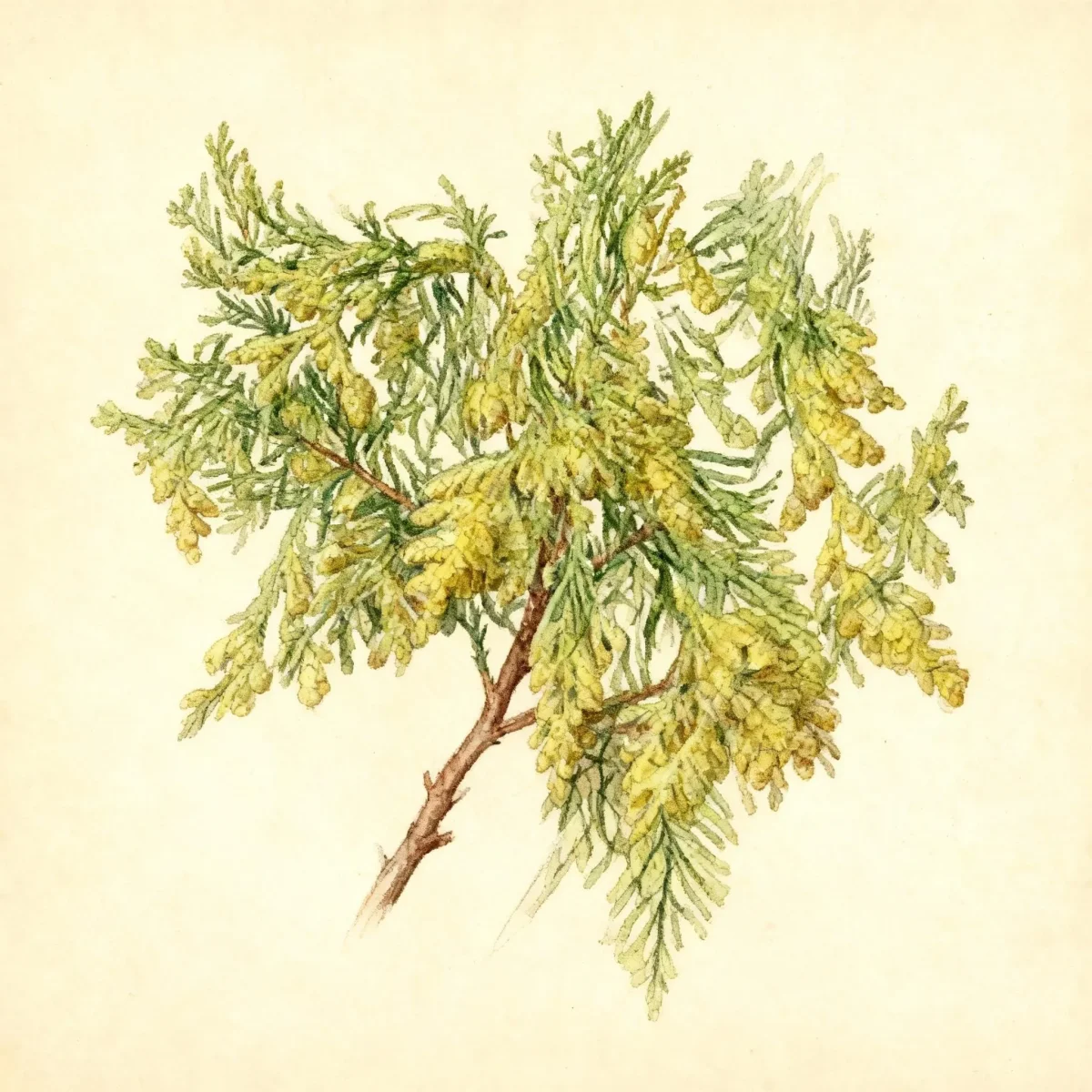
This needled evergreen is classified as non-flowering; it develops cone-like structures characteristic of conifers rather than traditional blooms.
Conclusion
The Thuja occidentalis ‘Art Boe’ NORTH POLE remains a top choice for gardeners needing vertical structure and reliable, low-maintenance evergreen screening. Its narrow profile separates it from standard American arborvitae, fitting perfectly into tight urban spaces. Check your local USDA zone compatibility and prioritize planting in well-drained soil to ensure your NORTH POLE thrives for years to come.
Companion Planting
When selecting companions for the Thuja occidentalis ‘Art BOE’ NORTH POLE, focus on plants that share similar moisture and sun requirements. Because this cedar prefers medium moisture and well-drained loams, pair it with plants that resent wet feet but appreciate consistent water, such as ornamental grasses with fine textures or low-growing Juniper species for ground cover. Complementary deciduous shrubs that offer bright fall color, like certain varieties of Dwarf Burning Bush or low spirea, create excellent visual contrast against the dark green backdrop.
Avoid planting species directly against the base that require heavy fertilizing or aggressive water intake, as this can compete with the arborvitae’s established root system. For beds that receive full sun, consider adding late-season bloomers like Coneflower (Echinacea) or Black-Eyed Susan (Rudbeckia); their robust root systems handle sun well, and their contrasting shapes highlight the upright form of the NORTH POLE.
Seasonal Care Calendar
Spring is the primary care window for your American arborvitae. Perform any necessary light pruning in early spring before soft new growth emerges to maintain your desired silhouette for the NORTH POLE. Check soil moisture levels and begin consistent watering if spring rains have been scarce. A light, slow-release fertilizer applied near the root zone (avoiding stem contact) can support healthy summer growth.
Summer heat demands close attention to watering, as medium moisture needs must be met, especially during dry spells. Deep, infrequent watering is preferable to shallow daily sprinkles; this encourages the roots to grow deeply into the soil, enhancing drought tolerance. Monitor foliage closely for signs of pest activity, such as browning tips from leaf miners or general thinning.
Winter protection is crucial for young or exposed plants. Apply a thick layer of mulch around the base to insulate the roots against hard freezes, although avoid piling it directly against the trunk flare. Where heavy snow or ice load is common, you may consider loosely wrapping the narrow column of the Thuja occidentalis ‘Art Boe’ NORTH POLE with twine or burlap prior to severe storms to prevent structural damage.