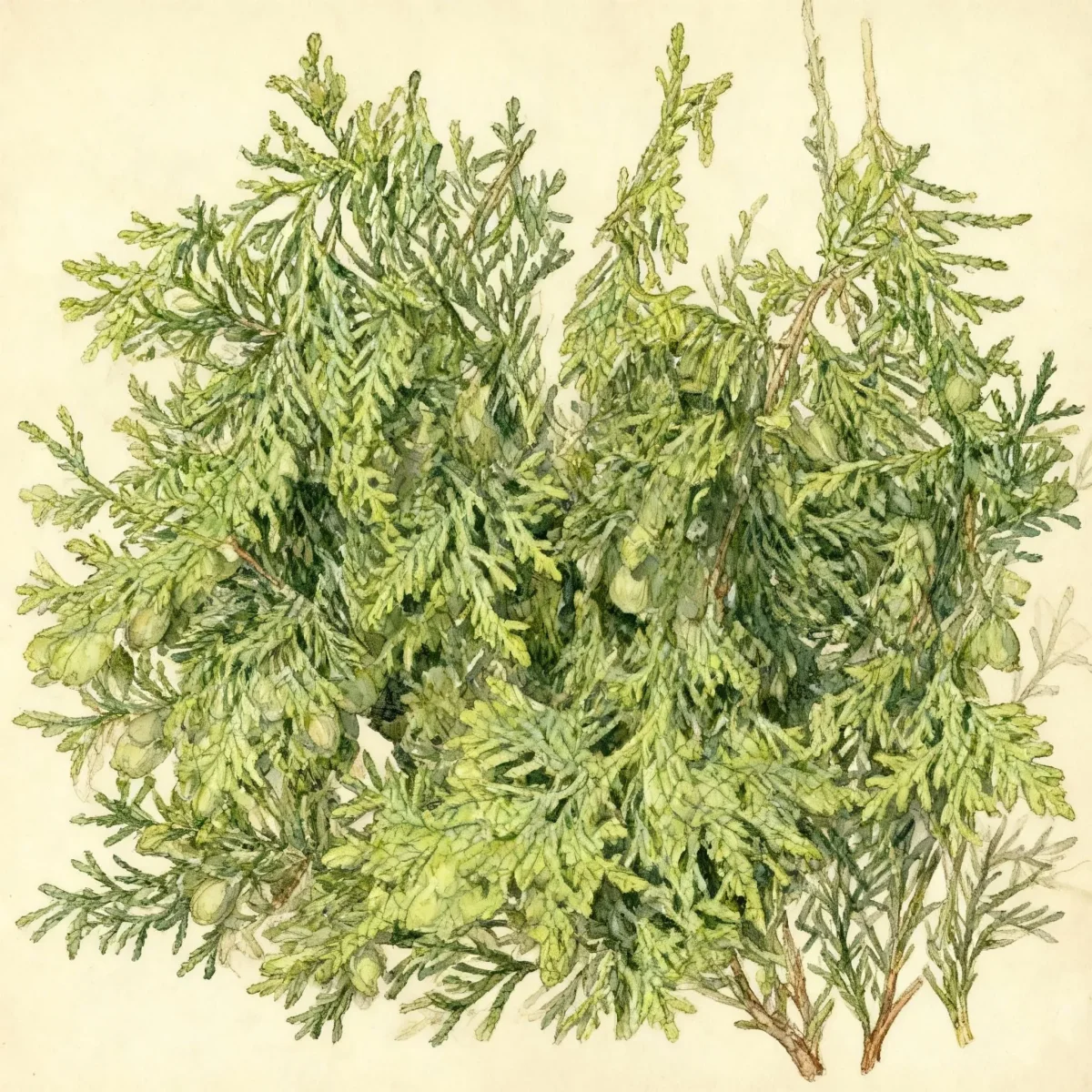
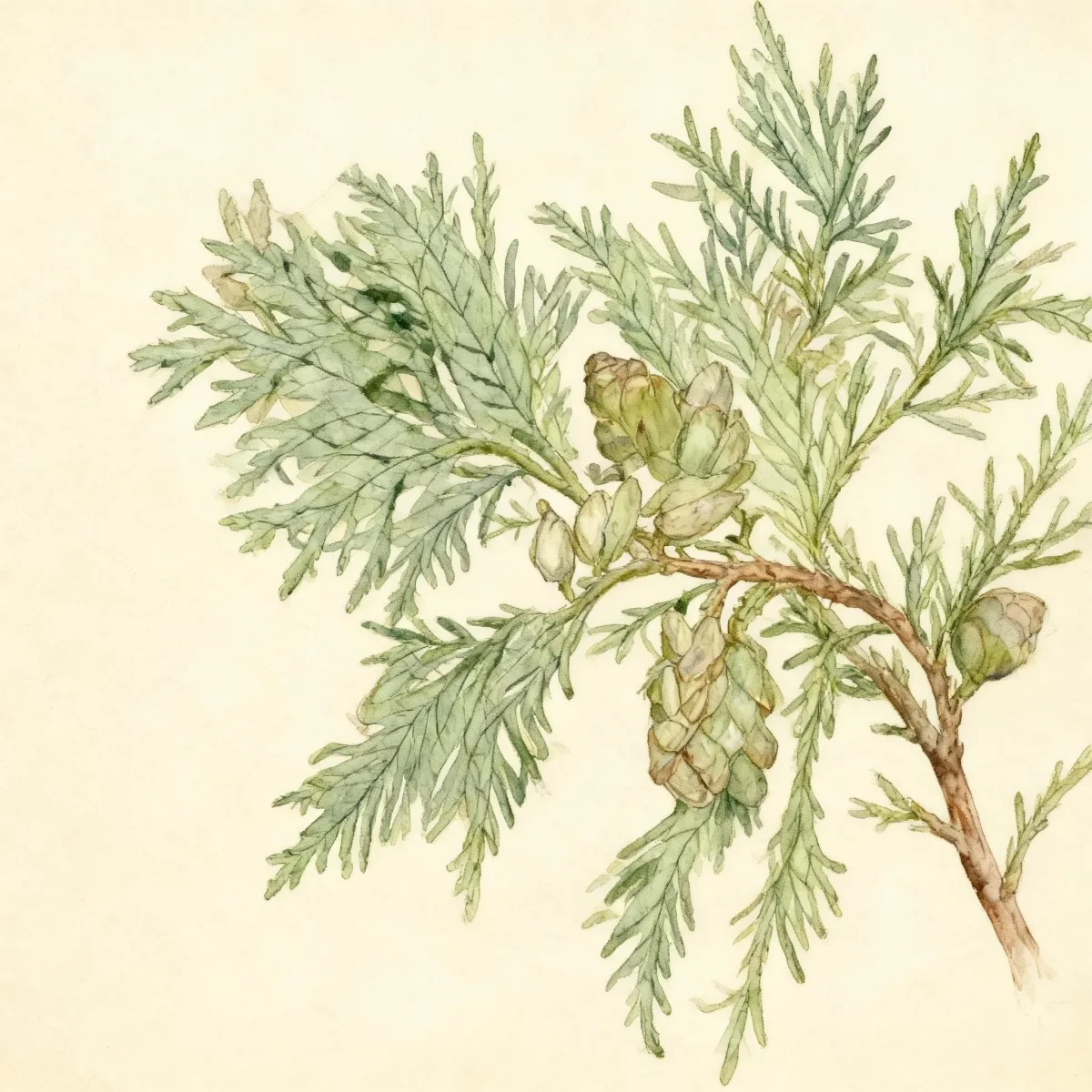
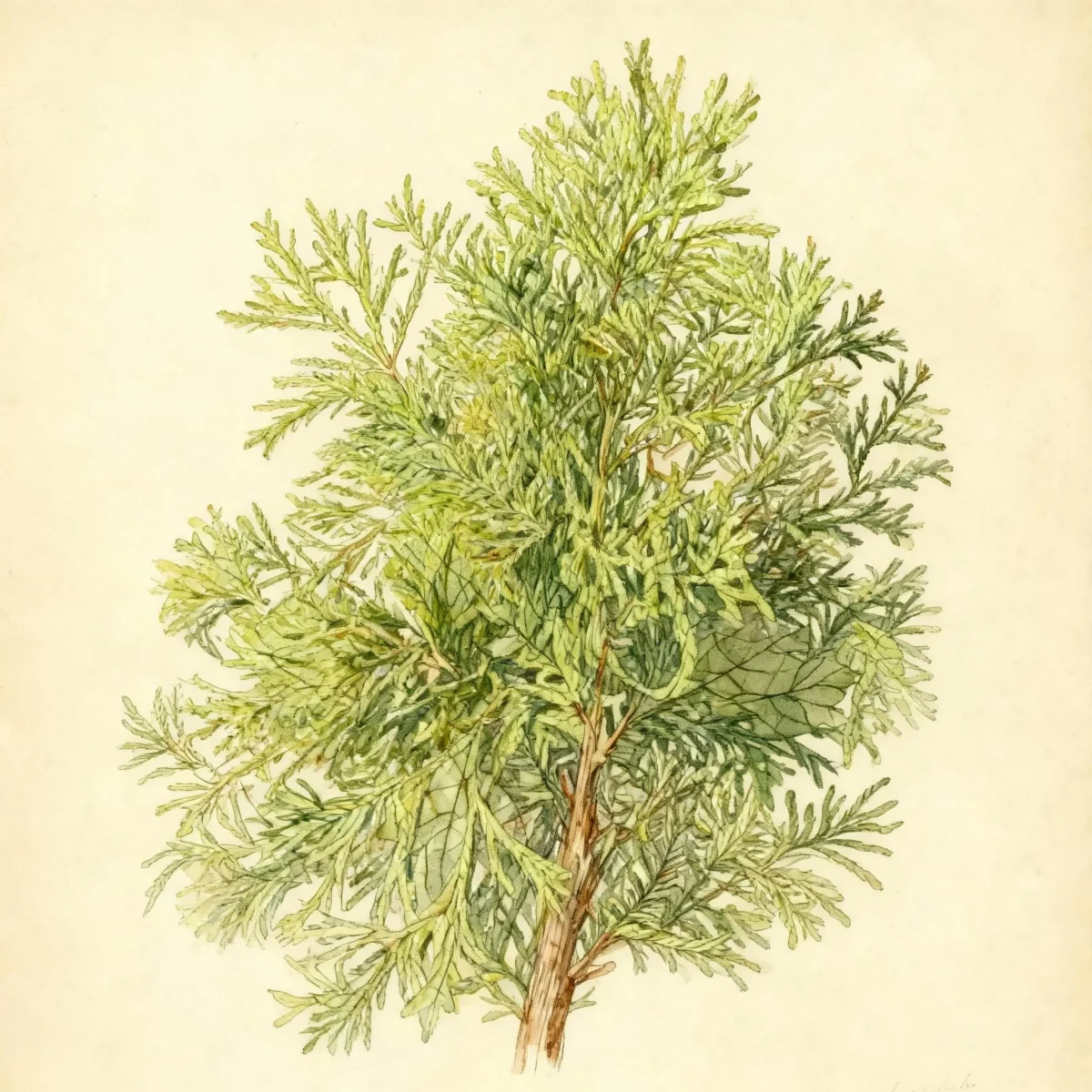
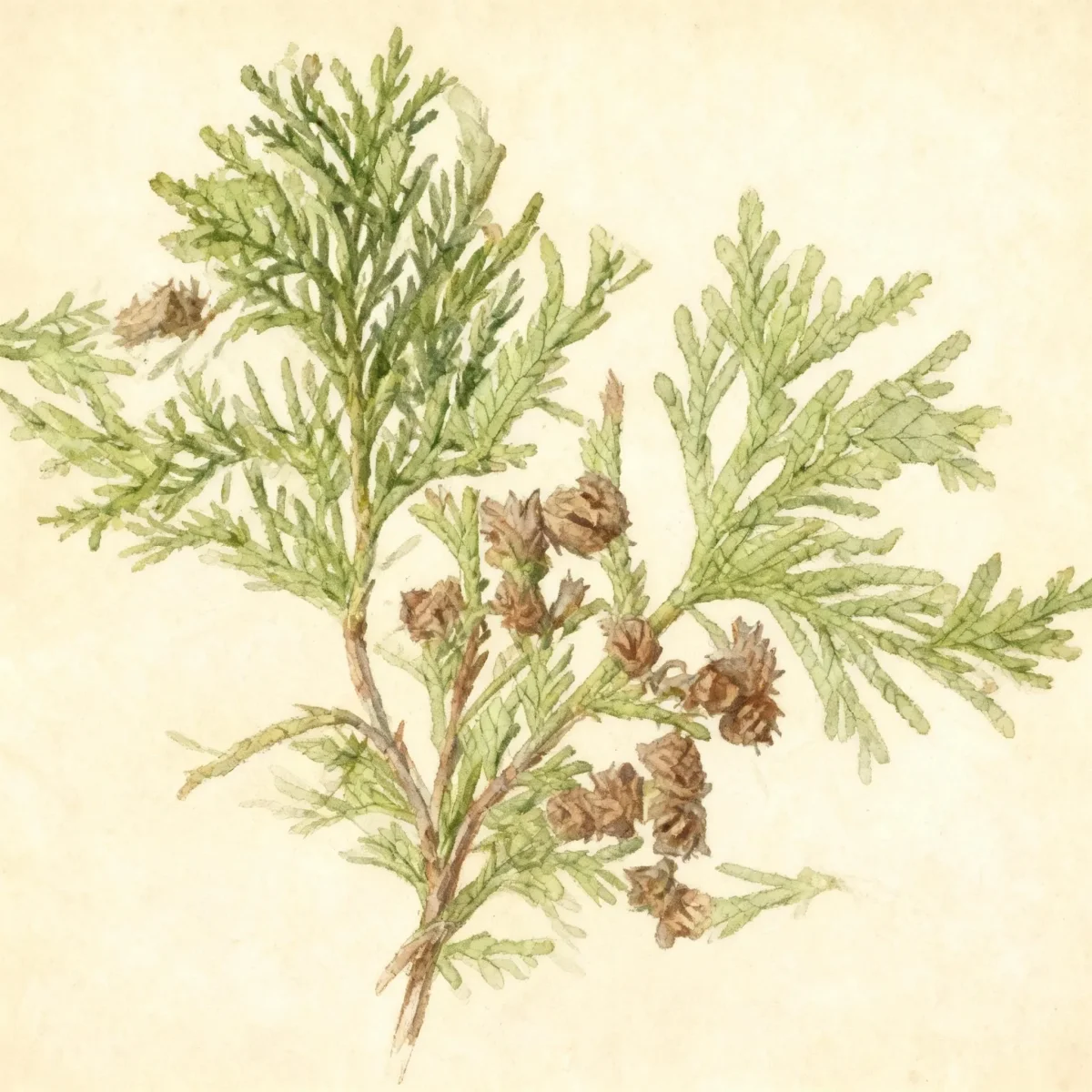
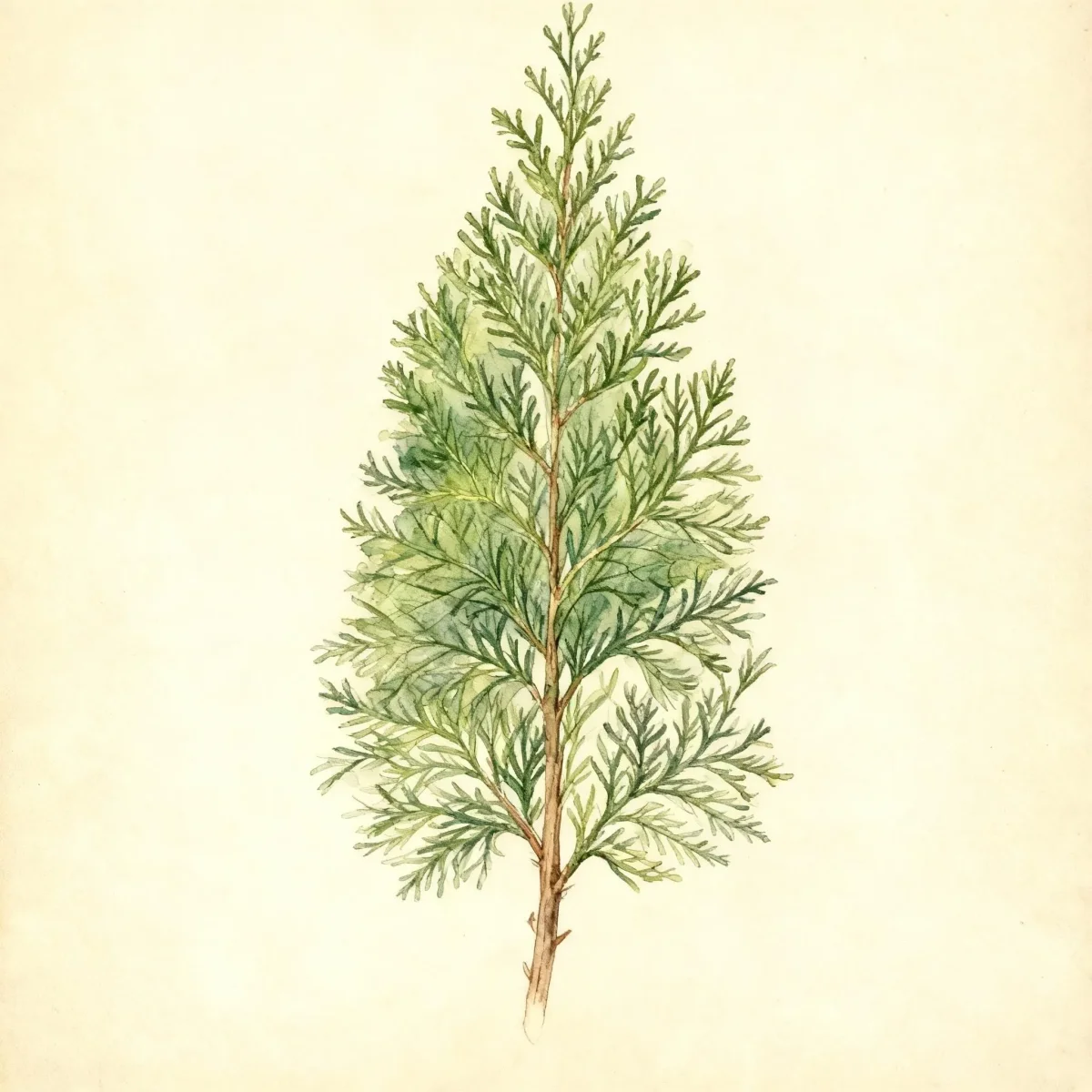
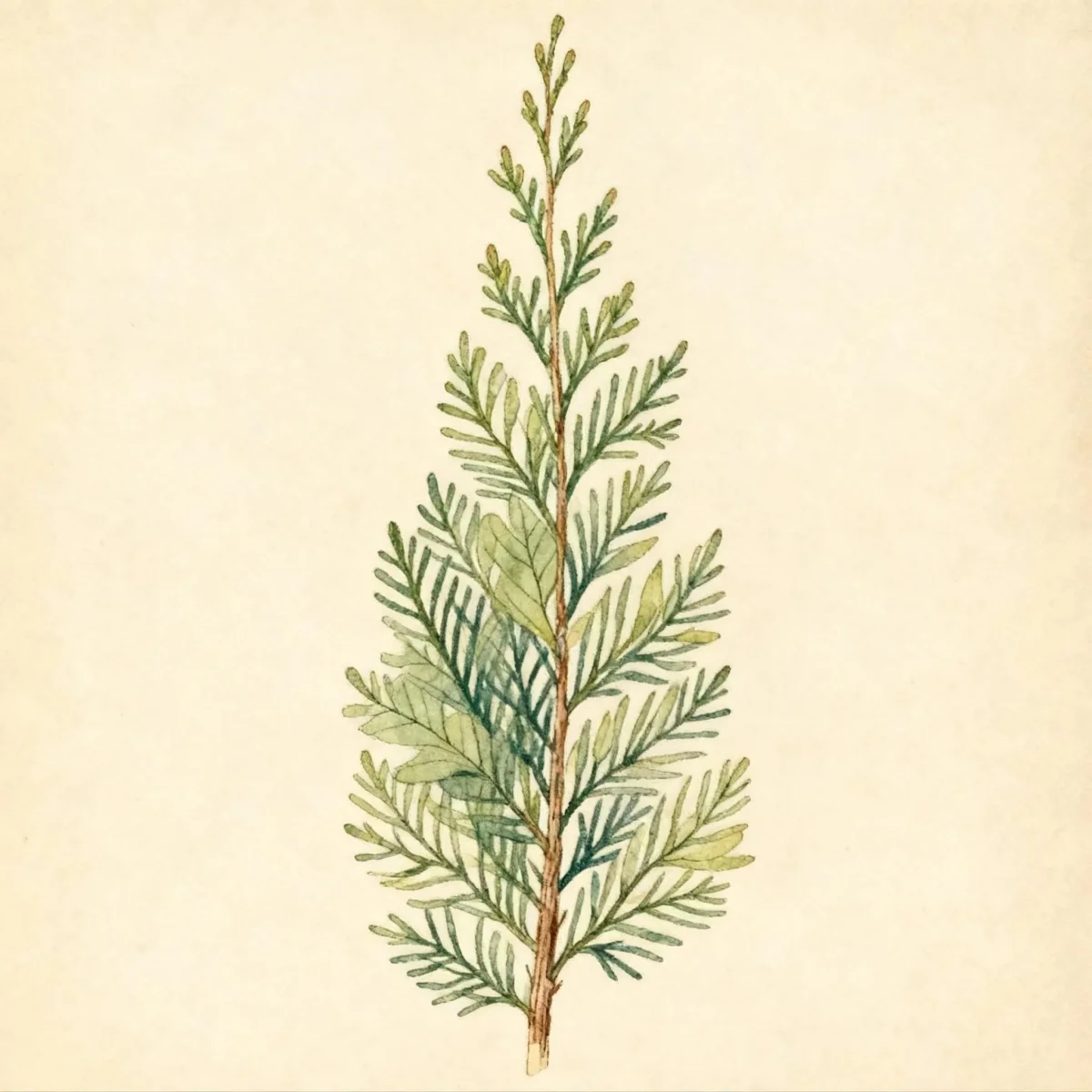
American arborvitae (Thuja occidentalis 'Hoseri')
Thuja occidentalis 'Hoseri' is a low-maintenance, dense, globe-shaped American arborvitae perfect for foundations.
Scroll down to discover growing tips, care requirements, companion plants, and more
Complete Plant Information
Overview
Thuja occidentalis ‘Hoseri’, often called American arborvitae, is prized as a dense, slow-growing, globe-shaped evergreen shrub. This cultivar naturally forms a rounded shape, requiring minimal pruning to maintain its appealing, compact habit. It is an excellent choice for gardeners seeking year-round structure and texture in smaller spaces.
As a durable variety of Thuja occidentalis, ‘Hoseri’ offers reliable performance across various conditions, tolerating challenging urban environments. Its foliage remains a pleasant light green, sometimes showing slight yellowing in winter, providing consistent visual interest through all four seasons.
The low-maintenance nature and tidy profile of Thuja occidentalis ‘Hoseri’ make it an indispensable foundation plant. It offers reliable evergreen screening and formal structure without the aggressive growth often associated with larger arborvitae relatives.
Fast Facts
- Plant Family: Cupressaceae
- Plant Type: Needled evergreen
- Hardiness Zones: USDA Zones 4-7
- Size at Maturity:
- Height: 3-4 ft
- Spread: 3-4 ft
- Bloom Time: Non-flowering
- Sun Exposure: Full sun to part shade
- Water Needs: Medium
- Maintenance Level: Low
How to Grow
The optimal time for planting Thuja occidentalis ‘Hoseri’ is typically during the spring or fall when temperatures are moderate. Ensure the planting location provides full sun, though some light afternoon shade is beneficial in the hottest summer climates. This American arborvitae tolerates a somewhat wide range of soils but performs best in average, moist, well-drained loams that are neutral to slightly alkaline.
Watering requirements are medium; this globe arborvitae is intolerant of overly dry conditions, so maintain even soil moisture, especially during establishment. While it exhibits tolerance to various urban stressors, avoid planting in overly exposed, windy sites where winter burn might occur on the foliage.
Due to its naturally dense, rounded form, significant pruning of Thuja occidentalis ‘Hoseri’ is rarely needed. If shearing is desired to enhance formality, light pruning should occur in early spring before fresh growth hardens off. Avoid planting in full shade, as this will substantially decrease foliage density, diminishing its effectiveness as an ornamental specimen.
Landscape Uses
The compact size and dense, self-forming globe shape of Thuja occidentalis ‘Hoseri’ make it highly versatile in modern landscaping designs. It excels when used in formal foundation plantings where consistent, small structure is needed immediately next to buildings. Its excellent tolerance profile also makes it suitable for difficult spots.
This variety is excellent for creating low, manicured borders along walkways or patios, offering a touch of evergreen texture without blocking views. Because it is a dwarf cultivar, it pairs beautifully with diverse perennials and smaller deciduous shrubs that offer contrasting color or texture during the growing season. Its inherent resilience allows it to anchor landscape beds effectively.
Standout Features
Noteworthy Characteristics
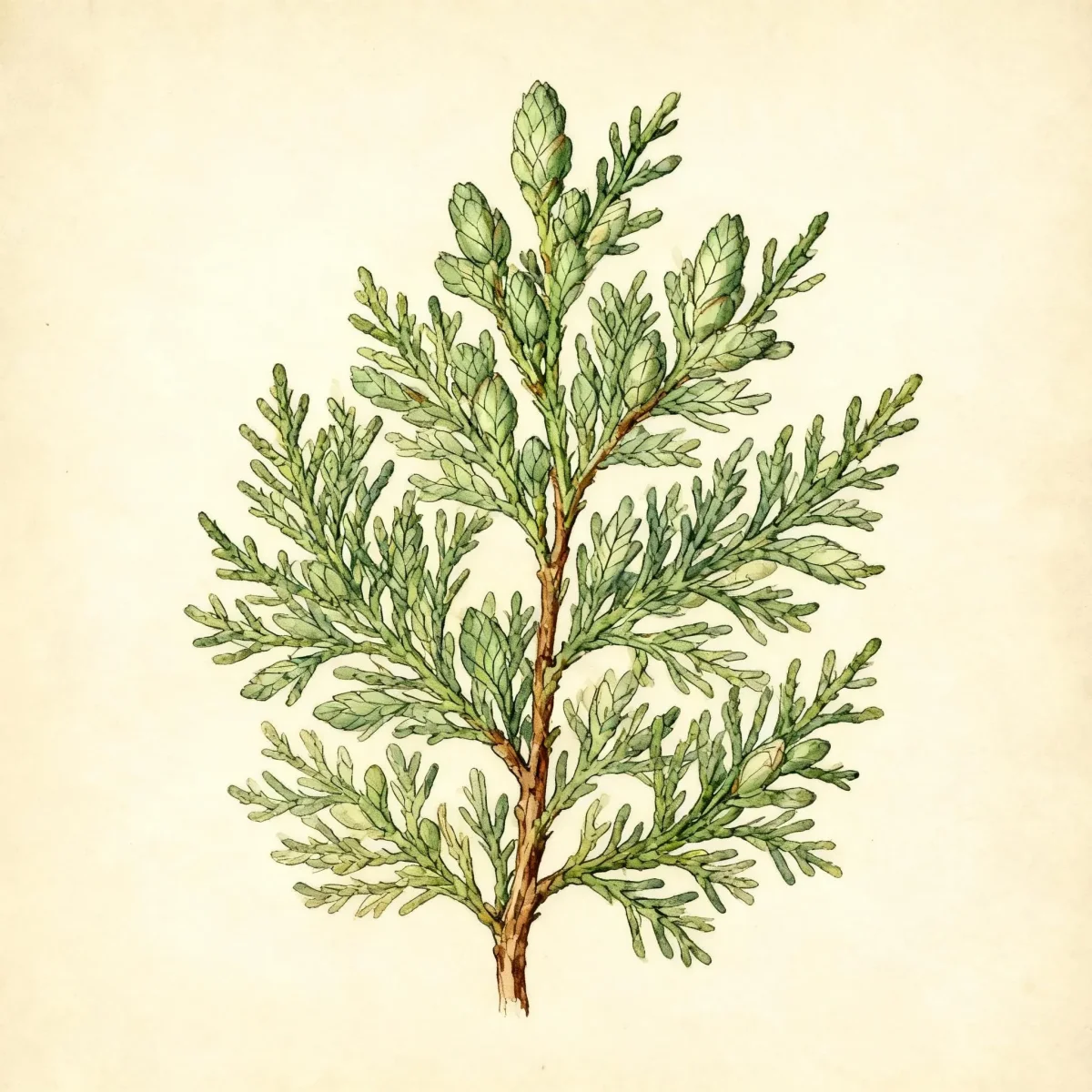
Thuja occidentalis, commonly known as American arborvitae, Eastern arborvitae, Eastern white cedar or Northern white cedar, is a dense, conical to narrow-pyramidal (sometimes maturing to broad-pyramidal), often single-trunked, evergreen tree that is native to eastern and central Canada south to northern Illinois, Ohio and New York with scattered populations further south in the Appalachians to North Carolina. Mature trees may reach 40-60’ tall in the wild over time, but in cultivation typically grow much smaller to 20-30’ tall. Scale-like, aromatic, yellow-green to green foliage appears in flattened sprays. Red-brown bark will exfoliate on mature branches and trunks. The common name of arborvitae (tree of life) comes from early French settlers to North America who learned from Native Americans that the tree’s foliage could be used to treat scurvy. ‘Hoseri’ is a slow growing, globe shaped, evergreen shrub that naturally forms a rounded shape without pruning. It is densely branched and tends to fill out all the way to the ground. Its foliage is light green to slightly yellowish green in winter. ‘Hoseri’ grows to 3 to 4 ft. Tall and wide.
Tolerances
- Clay Soil
- Black Walnut
- Air Pollution
Potential Problems
Leaf blight is a common issue that may cause scattered spotting and subsequent foliage drop on the American arborvitae specimens. Additionally, gardeners should regularly scout for signs of canker, which can affect the wood structure.
Pests must also be monitored; leaf miner can cause damage concentrated at the tips of the leaves, while bagworms, mealybugs, scales, and spider mites are occasional unwelcome visitors. In winter, foliage may suffer cosmetic damage from exposure, turning yellow-brown (winter burn), especially if planted in harsh, exposed sites.
To mitigate winter damage, avoid planting in extremely exposed locations. The structure of Thuja occidentalis ‘Hoseri’ is susceptible to breakage from heavy ice and snow accumulations; carefully brush off heavy loads early in winter to protect the dense, globe form.
Frequently Asked Questions
What hardiness zones is Thuja occidentalis ‘Hoseri’ suitable for?
This dense American arborvitae shows good resilience in USDA Zones 4 through 7.
How large does Thuja occidentalis ‘Hoseri’ grow?
It maintains a very manageable, compact size, typically reaching only 3 to 4 feet in height and spreading to a similar width.
What sun exposure does Thuja occidentalis ‘Hoseri’ need?
For the best density and color, plant this cultivar where it will receive full sun, although it can tolerate part shade.
When does Thuja occidentalis ‘Hoseri’ bloom?
This specimen is a non-flowering needled evergreen; it produces foliage, not flowers, blooms, or fruit.
Conclusion
The Thuja occidentalis ‘Hoseri’ offers exceptional value as a reliably compact, low-maintenance evergreen providing year-round structure. Its dense, globe habit makes this specific American arborvitae perfect for formal borders and foundation settings. Before purchase, ensure your site offers medium moisture and check your hardiness zone compatibility within USDA Zones 4-7.
Companion Planting
Selecting appropriate companions is key to highlighting the uniform texture of this globe arborvitae. Pair Thuja occidentalis ‘Hoseri’ with plants that offer strong seasonal color contrast, such as Japanese maples with bright red or gold foliage, or perennial grasses that offer movement. Because it prefers moist, well-drained soil, select companions like Astilbe or Hosta (for shaded areas) or low-growing Sedums that thrive in the same watering regimen.
Avoid placing this dwarf evergreen directly beneath mature Black Walnut trees, as the naturally occurring juglone chemical can stress many species, although this particular variety shows some tolerance. Focus on plants that enjoy similar neutral to alkaline soil pH for a cohesive planting environment.
Seasonal Care Calendar
Spring is the ideal time for your annual application of slow-release fertilizer, if desired, and for light shaping or shearing of the Thuja occidentalis ‘Hoseri’. Ensure clean-up of any winter debris before active growth begins.
Summers require consistent medium watering, especially during dry spells, as this plant is intolerant of drought. Monitor foliage closely during periods of high heat and humidity, looking out for early signs of blight or pest activity mentioned in the potential problems section.
In late fall, ensure the plant is adequately watered before the ground freezes hard; this helps prevent winter desiccation. If heavy snow or ice is forecast, proactively protect the dense globe structure from breakage by gently leaning supports or brushing off accumulations.