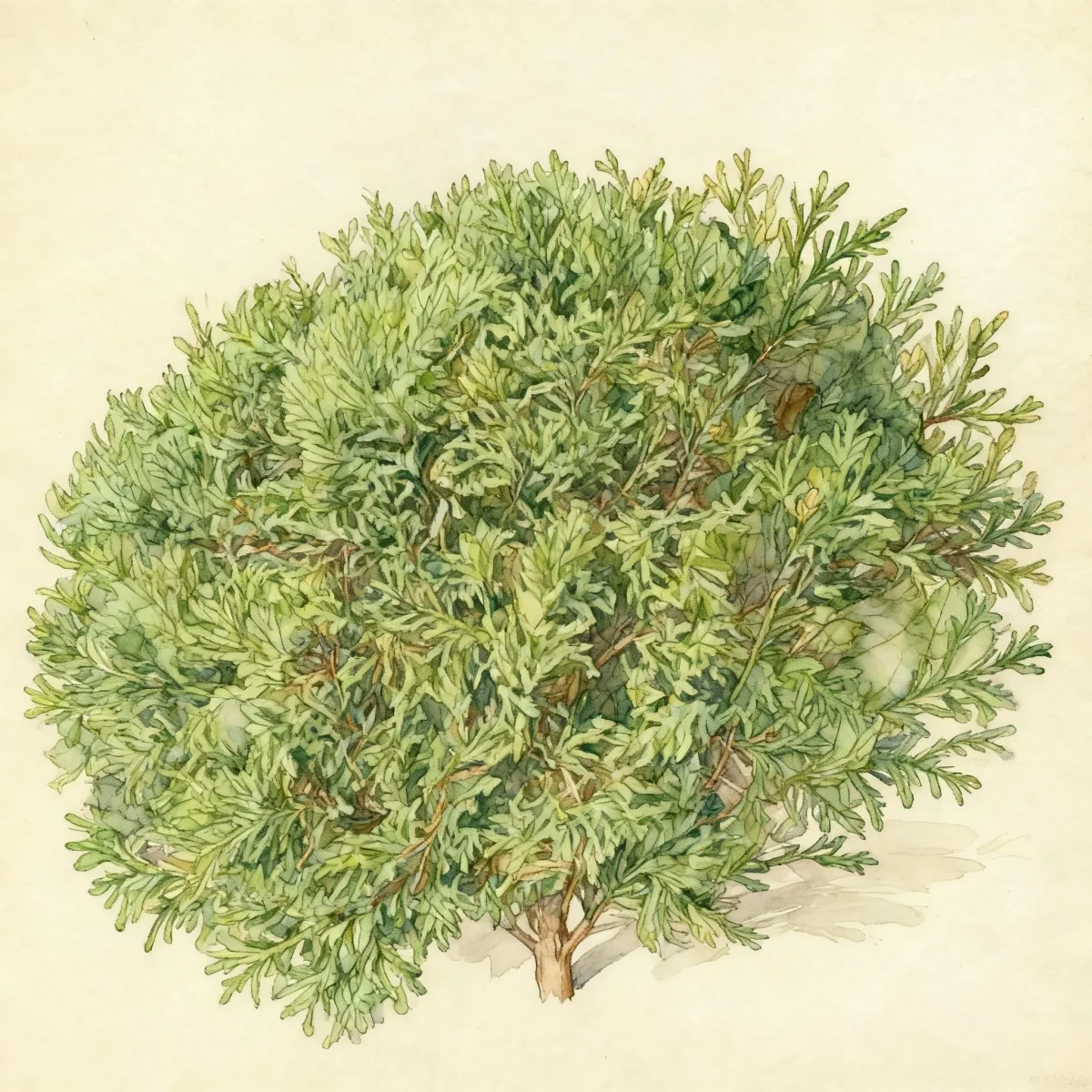
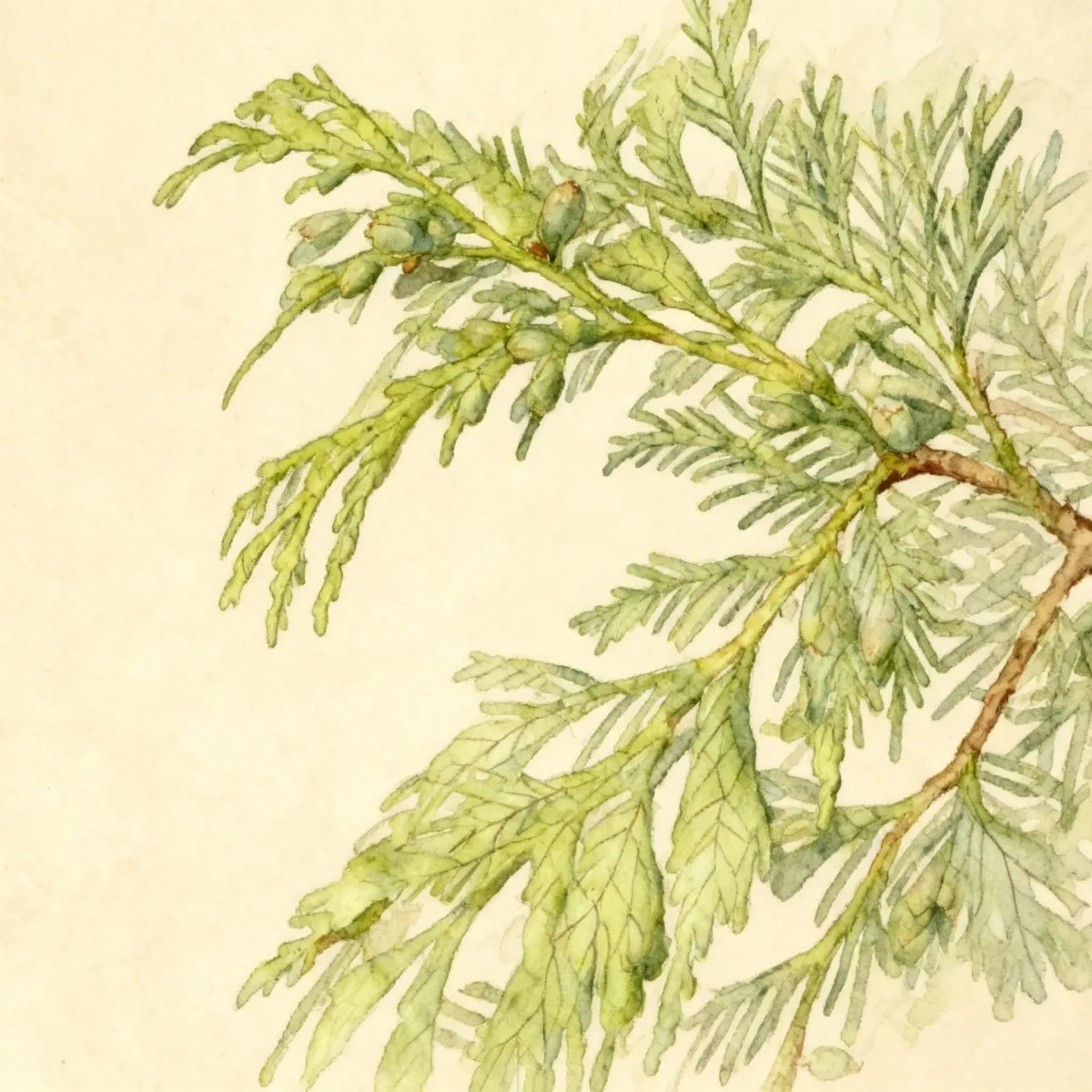
American arborvitae (Thuja occidentalis 'Bobozam' MR. BOWLING BALL)
Discover Thuja occidentalis 'Bobozam' MR. BOWLING BALL, the dwarf American arborvitae, perfect for borders in zones 3-7 needing low maintenance.
Scroll down to discover growing tips, care requirements, companion plants, and more
Complete Plant Information
Overview
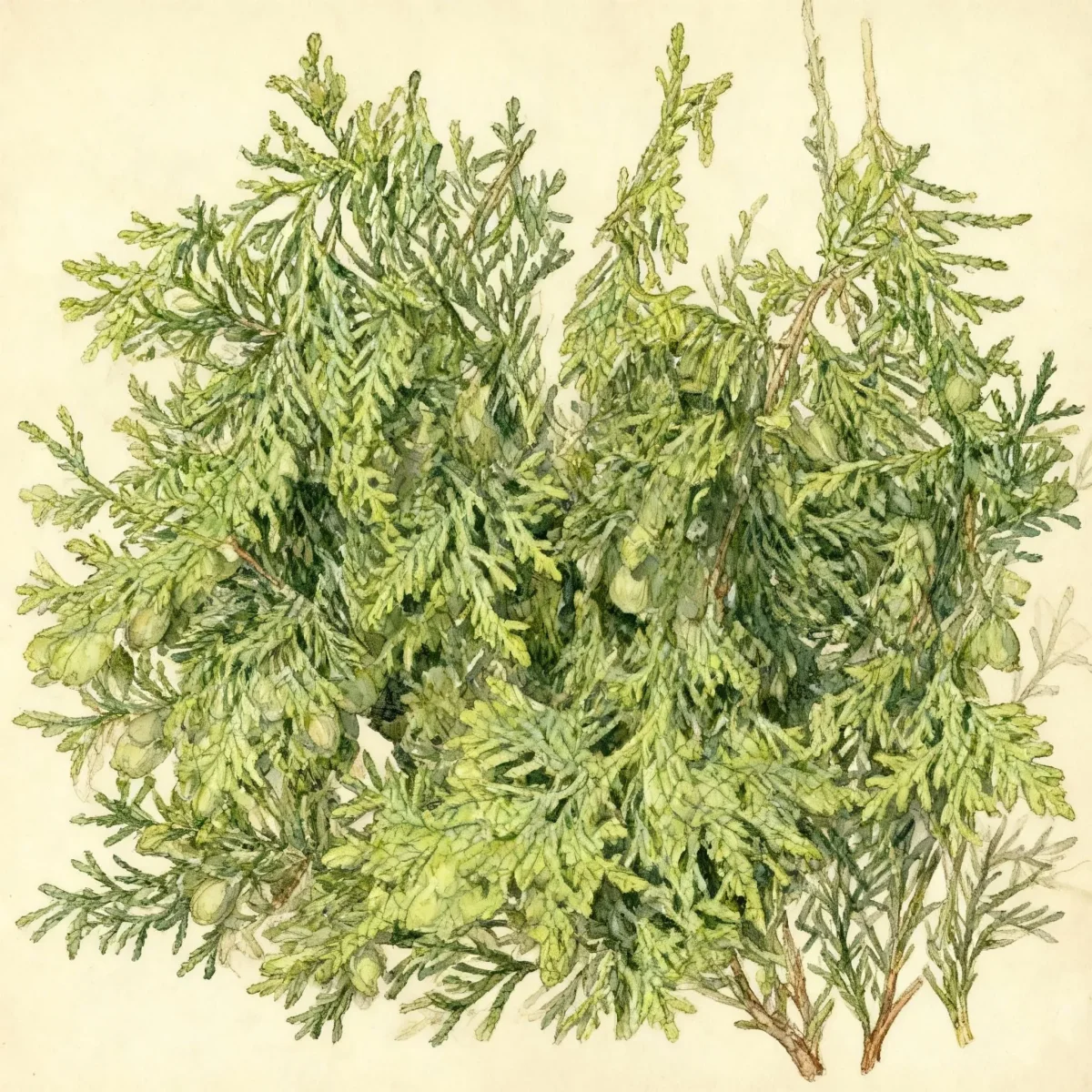
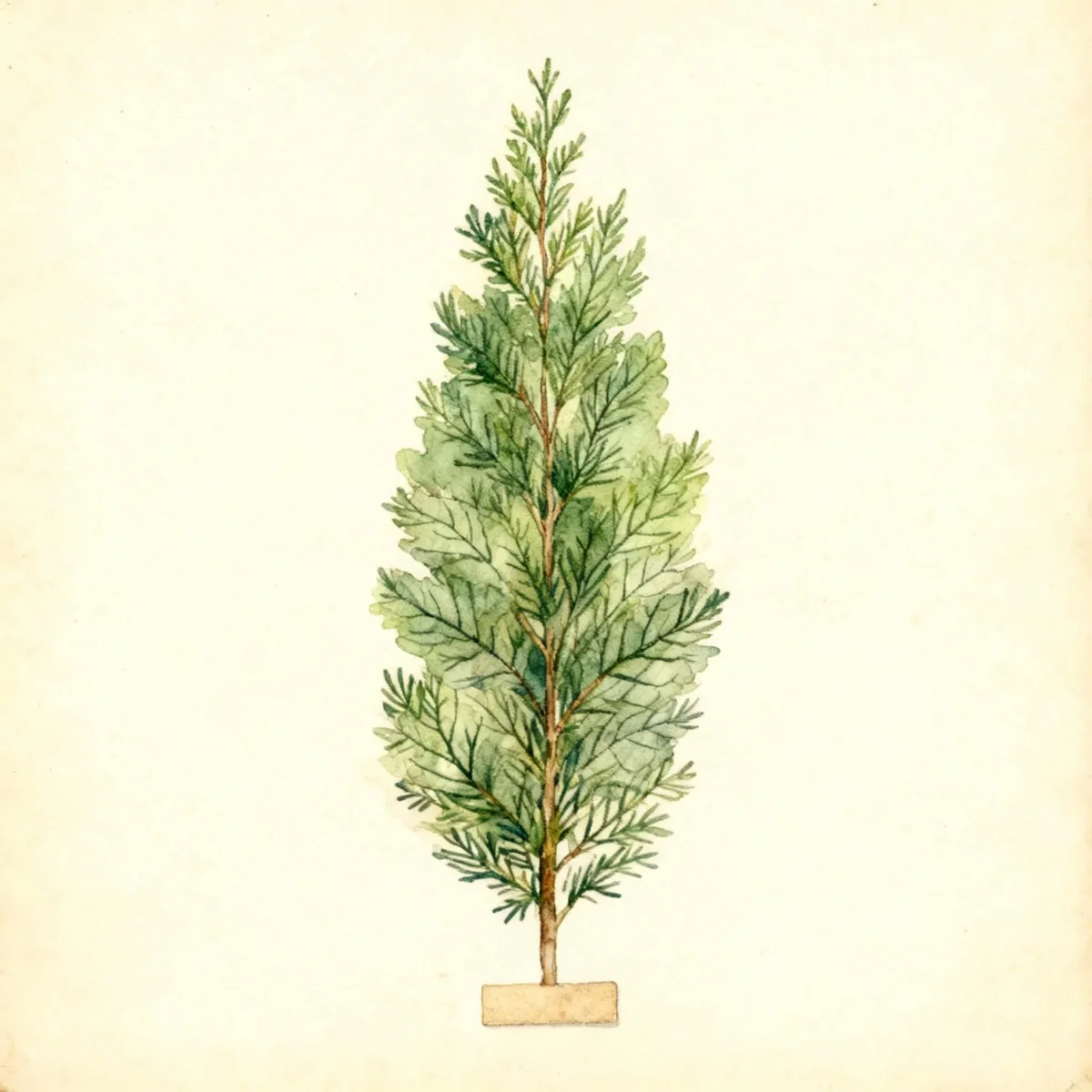
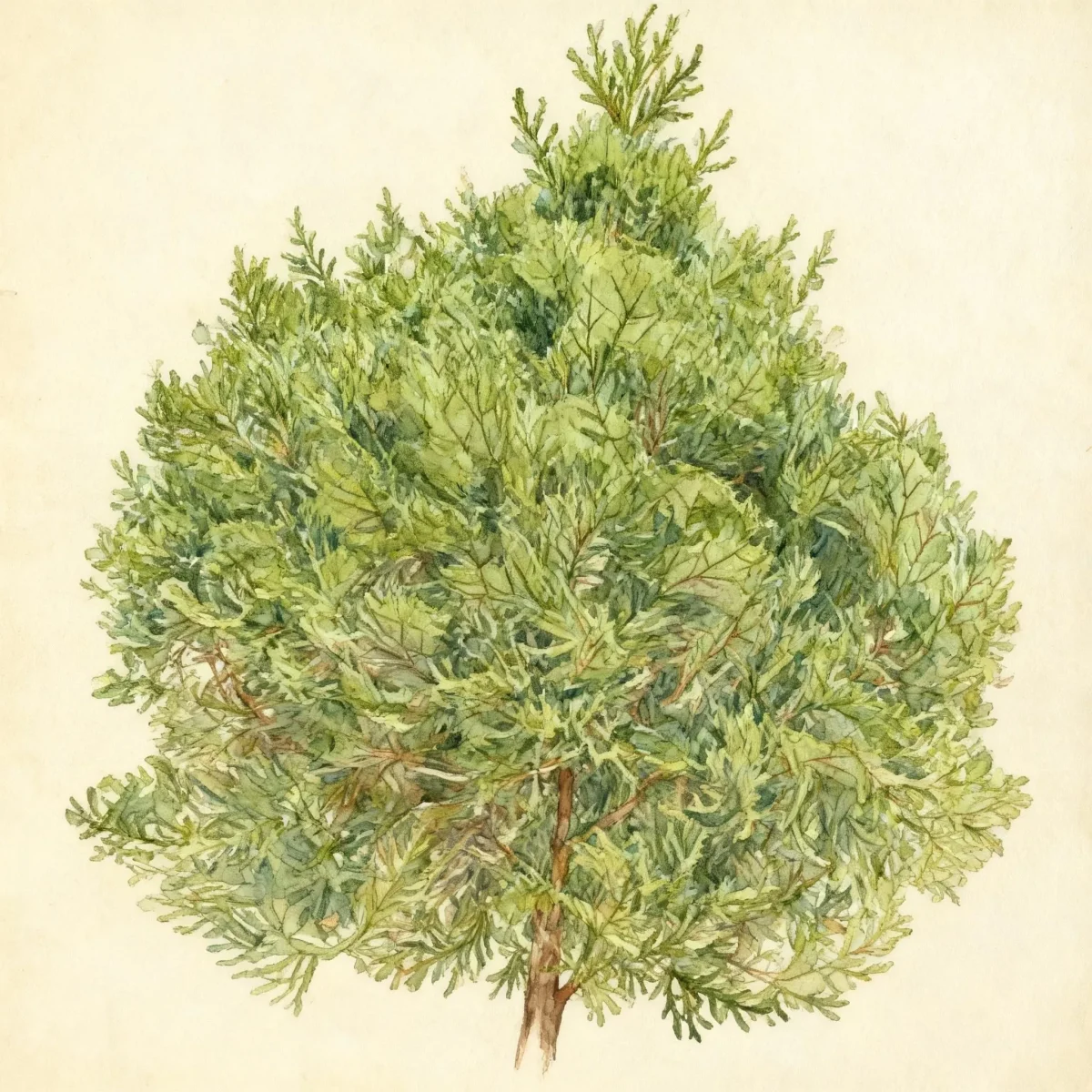
Thuja occidentalis ‘Bobozam’ MR. BOWLING BALL, known commercially as MR. BOWLING BALL, is a highly desirable, low-maintenance dwarf cultivar of the native American arborvitae. This variety distinguishes itself by maintaining a naturally dense, globular form, rarely requiring pruning to achieve its intended compact shape in the landscape. Gardeners prize this slow-growing needled evergreen for providing year-round texture and structure.
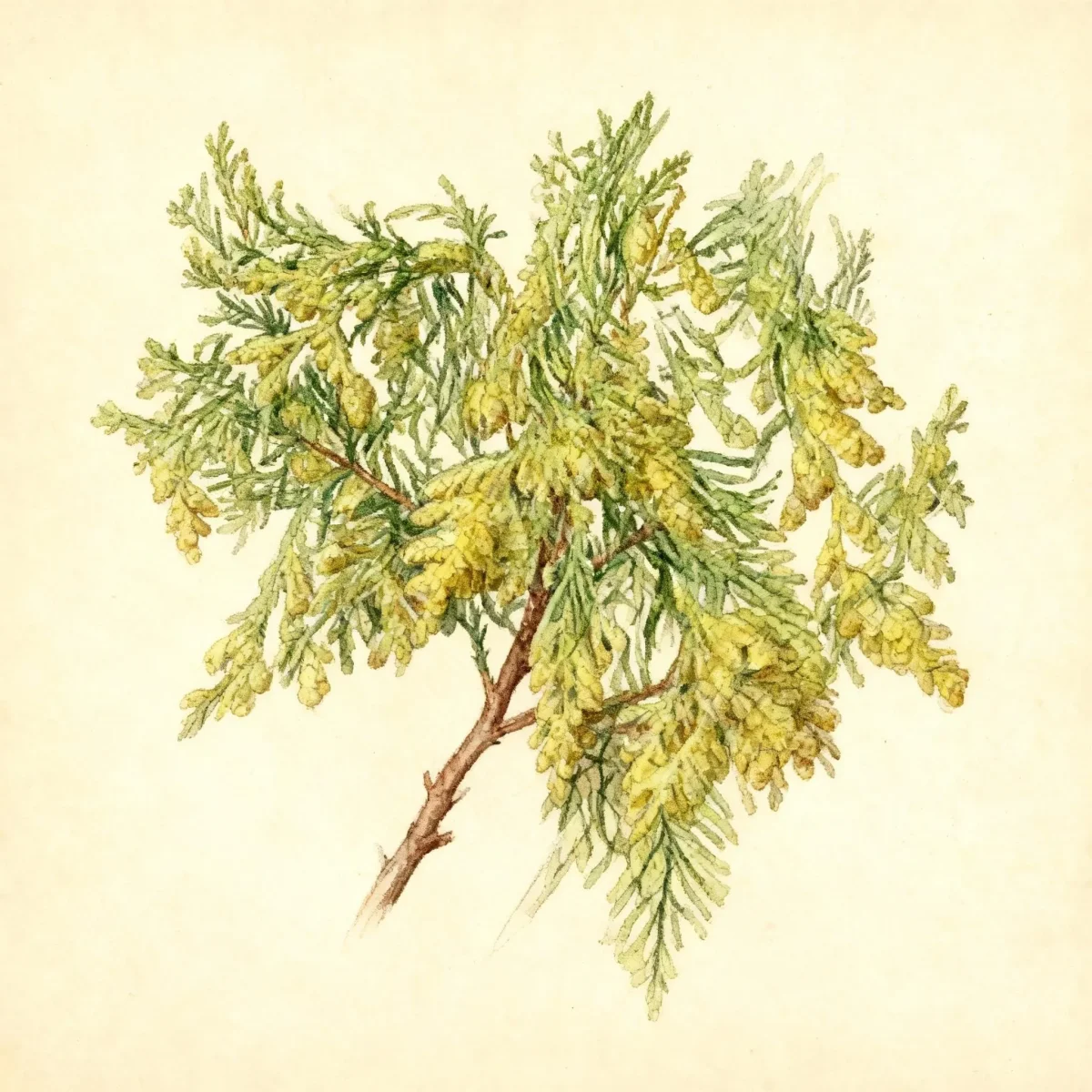
As an American arborvitae selection, ‘Bobozam’ offers soft, blue-green, lacy foliage that remains attractive throughout the seasons. It is exceptionally versatile, fitting neatly into smaller garden spaces where its mature size—rarely exceeding 3 feet tall and wide—provides necessary vertical accent without overload. Its inherent toughness allows it to thrive in challenging conditions often encountered near foundations or in tighter landscape settings.
This cultivar provides excellent formal structure on a miniature scale, making Thuja occidentalis ‘Bobozam’ MR. BOWLING BALL an excellent choice for defining edges or serving as an anchor plant. Successful cultivation relies on providing consistent moisture and avoiding harsh, exposed winds, ensuring this charming globe remains dense and healthy for years to come.
Fast Facts
- Plant Family: Cupressaceae
- Plant Type: Needled evergreen
- Hardiness Zones: USDA Zones 3-7
- Size at Maturity:
- Height: 2-3 ft
- Spread: 2-3 ft
- Bloom Time: Non-flowering
- Bloom Description: Non-flowering
- Sun Exposure: Full sun to part shade
- Water Needs: Medium
- Maintenance Level: Low
How to Grow
Proper placement is key for success with Thuja occidentalis ‘Bobozam’ MR. BOWLING BALL. Plant during the growing season in average, medium moisture, well-drained soils. While this American arborvitae shows a wide soil tolerance, it performs best in moist, neutral to alkaline loams. Ensure locations guarantee full sun exposure for the densest foliage, though light afternoon shade is beneficial in extremely hot summer climates.
Watering should be consistent. This evergreen is intolerant of dry conditions, so plan for medium water needs, especially during establishment or extended dry spells. Fertilization is rarely required due to its low maintenance nature, but a balanced, slow-release feed in early spring can support dense growth if the native soil is poor. Pruning is typically unnecessary; the cultivar naturally grows into a pleasing, tight globe shape.
When siting your Thuja occidentalis ‘Bobozam’ MR. BOWLING BALL, avoid areas prone to heavy winter icing or persistent, drying winds, as these conditions can lead to winter burn or stem breakage. In the fall, ensure adequate watering before the ground freezes to prevent winter desiccation, helping this evergreen handle seasonal stress better.
Landscape Uses
The compact, neat habit of Thuja occidentalis ‘Bobozam’ MR. BOWLING BALL makes it an outstanding landscape specimen or accent plant, particularly where space is limited. Its dense, rounded form is perfect for softening the harsh lines often found near building foundations or along walkways. Use several plants in repetition to create an elegant, uniform shrub border that requires minimal upkeep.
This dwarf American arborvitae also excels in rock gardens, where its evergreen structure provides contrast against stone textures throughout the year. Because it maintains a tidy, small profile, it works perfectly in containers near entryways, provided the container is large enough to allow root development and drainage is ensured. Look for companion plants that share its moderate needs, such as low-growing perennials that enjoy similar moisture levels without overgrowing the diminutive globe shape of the MR. BOWLING BALL.
Standout Features
Noteworthy Characteristics
The genus name Thuja originates from the Greek term for a type of juniper, while the specific epithet occidentalis denotes its origin in the Western world. This particular cultivar, ‘Bobozam’, is recognized for its distinctive globular form and dense, blue-green, thread-like foliage, often sold under the trade name MR. BOWLING BALL. Historically, the common name arborvitae translates to “tree of life,” referencing its early use by Native Americans and French settlers for medicinal purposes.
Tolerances
- Clay Soil
- Black Walnut
- Air Pollution
Potential Problems
While generally resilient, this American arborvitae can occasionally suffer aesthetic issues. Leaf blight may manifest as spotting and subsequent foliage drop, often exacerbated by poor air circulation; ensure adequate spacing around your Thuja occidentalis ‘Bobozam’ MR. BOWLING BALL. Canker is another potential issue to watch for, particularly on older wood or following stress events.
Pest management focuses primarily on common evergeen irritants. Leaf miners can target leaf tips, and you should inspect regularly for occasional outbreaks of bagworms, mealybugs, scales, or spider mites. To minimize winter burn, ensure the plant is well-hydrated before the first hard freeze, as exposed sites can cause foliage to turn yellow-brown.
Frequently Asked Questions
What hardiness zones is Thuja occidentalis ‘Bobozam’ MR. BOWLING BALL suitable for?
This adaptable evergreen is suitable for USDA Hardiness Zones 3 through 7, offering good cold tolerance.
How large does American arborvitae ‘Bobozam’ grow?
This dwarf cultivar typically remains compact, reaching mature heights and spreads between 2 to 3 feet.
What sun exposure does Thuja occidentalis ‘Bobozam’ MR. BOWLING BALL need?
For the best density and color, plant this specimen where it receives full sun to partial shade.
When does Thuja occidentalis ‘Bobozam’ MR. BOWLING BALL bloom?
This species is non-flowering; it is grown solely for its attractive evergreen foliage structure.
Conclusion
Thuja occidentalis ‘Bobozam’ MR. BOWLING BALL provides indispensable year-round structure due to its extremely low maintenance requirements and naturally neat, globular habit. This dwarf American arborvitae is an ideal solution for tight spaces or formal edging. Before planting, confirm your site falls within USDA Zones 3-7 and ensure the soil stays consistently moist for the best performance from this superb evergreen.
Companion Planting in the Edge Garden
Due to its preference for moist, well-drained soil and its low-growing habit, Thuja occidentalis ‘Bobozam’ MR. BOWLING BALL pairs beautifully with complementary texture plants. Consider using low-growing Sedum varieties or creeping thyme near its base, provided they do not shade the globe excessively. In sunnier spots, Heuchera cultivars with deep purple or chartreuse foliage can offer dramatic color contrast against the blue-green needles of the MR. BOWLING BALL.
Designing with Architectural Evergreens
Architectural evergreens like Thuja occidentalis ‘Bobozam’ MR. BOWLING BALL are essential for providing structure during winter months when deciduous plants are bare. Utilizing these globes in sequence creates a repeating rhythm, ideal for formal garden paths or lining low retaining walls. In modern landscaping, a grouping of several Thuja occidentalis ‘Bobozam’ MR. BOWLING BALL specimens, spaced evenly, creates balls of green texture that play well against hardscaping materials like gravel or smooth concrete.