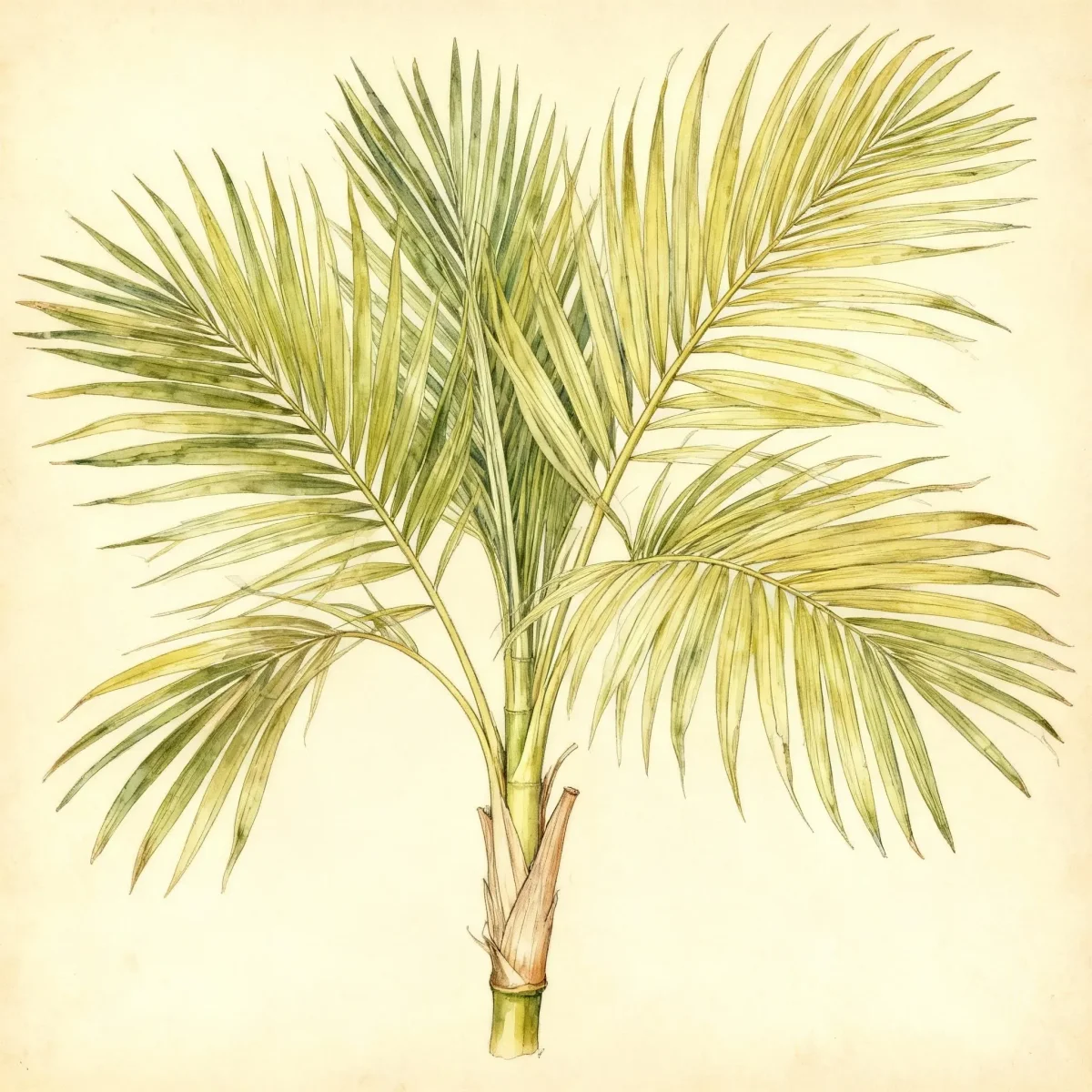
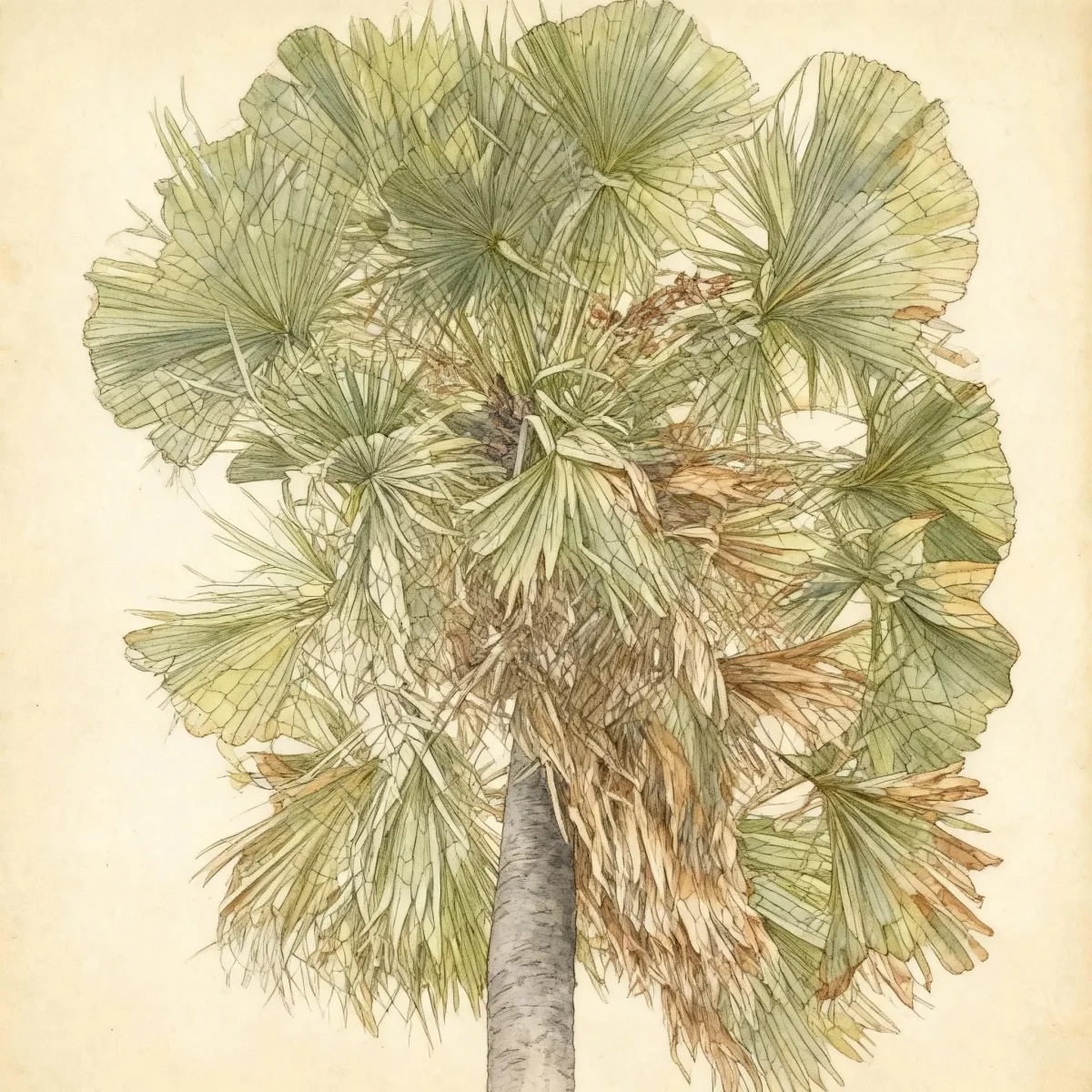
South American jelly palm (Butia capitata)
The Butia capitata, or South American jelly palm, is a hardy, attractive feather palm noted for its showy yellow blooms and edible fruit.
Scroll down to discover growing tips, care requirements, companion plants, and more
Complete Plant Information
Overview
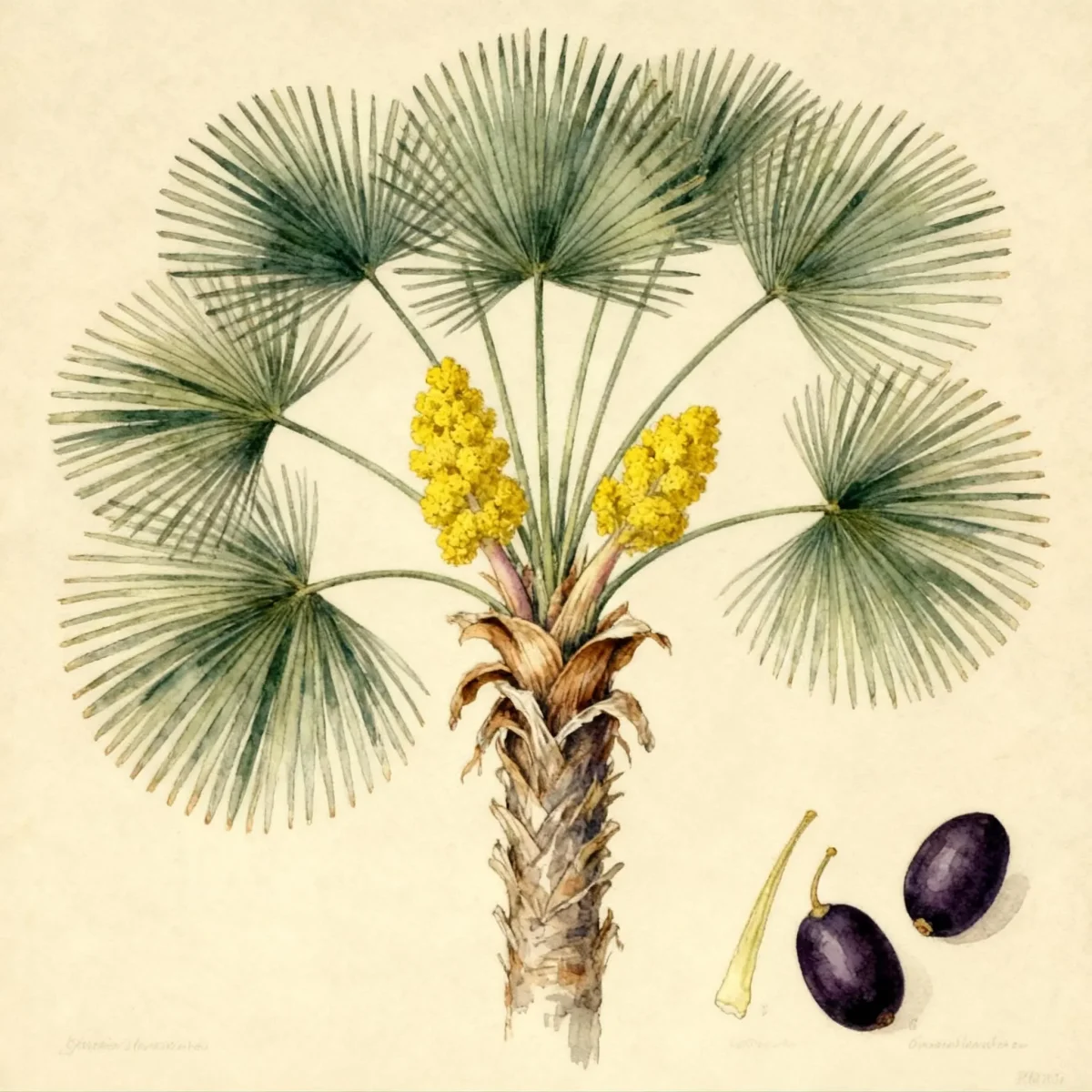
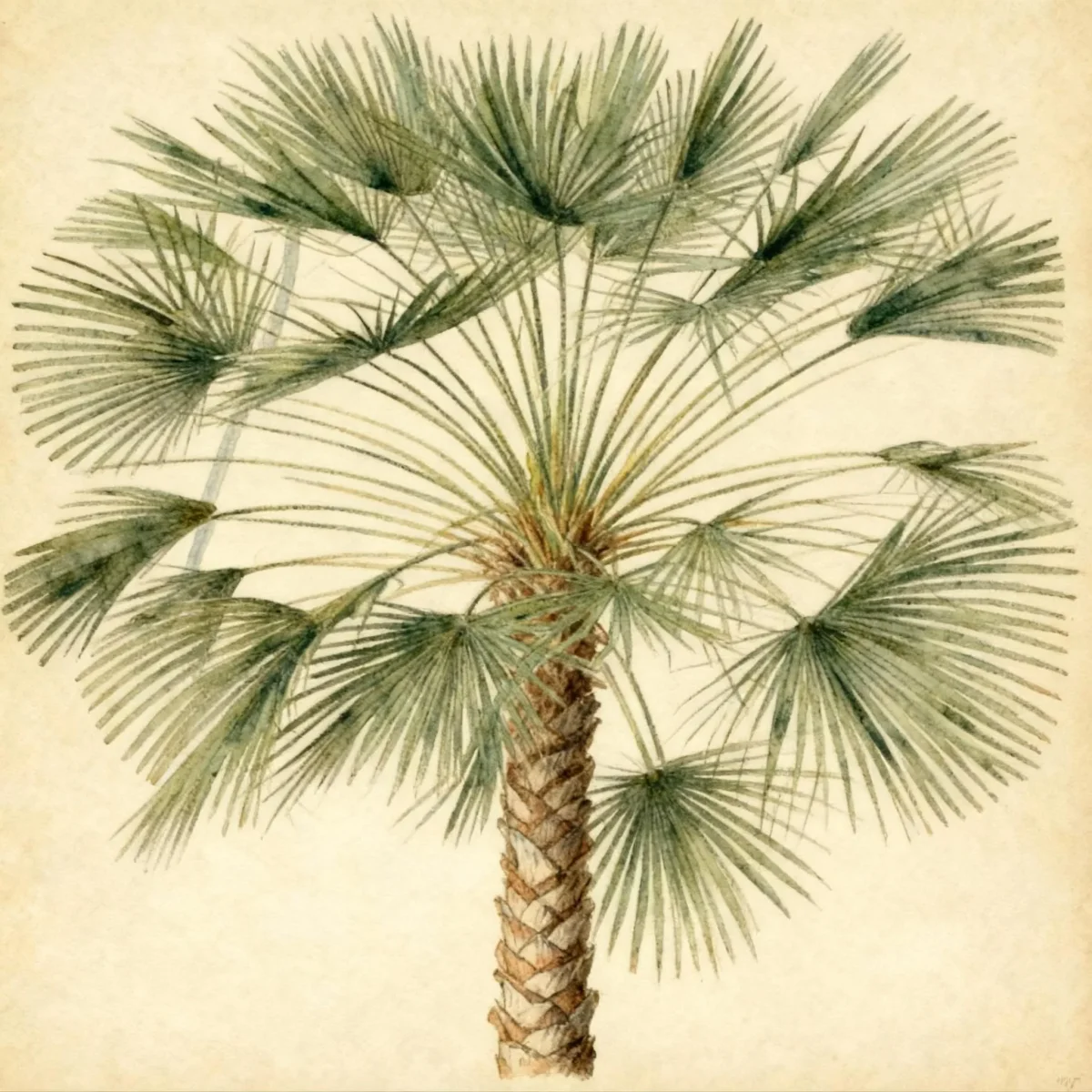
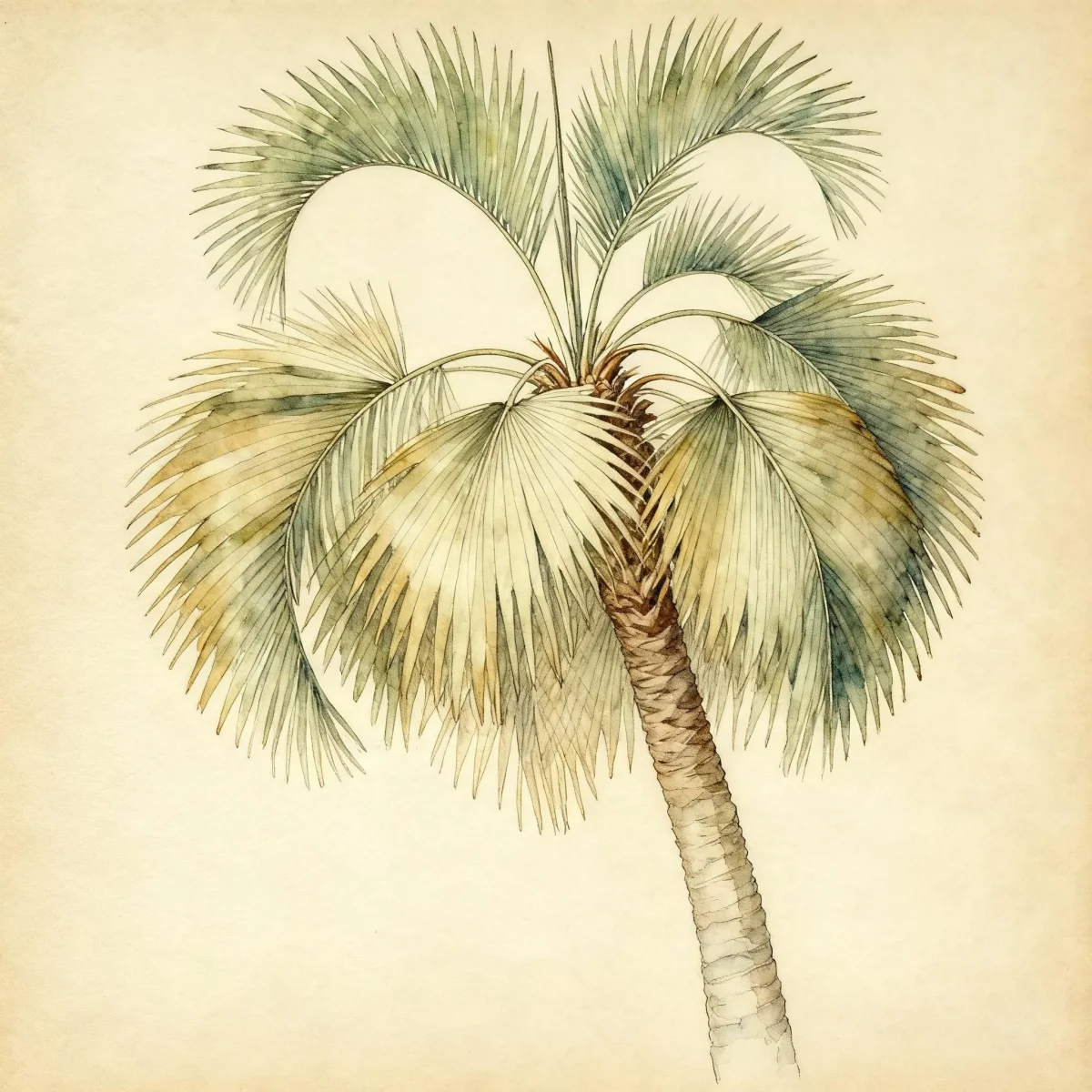
The Butia capitata, widely known as the South American jelly palm or Pindo palm, is a highly valued addition to temperate and warm-climate landscapes. It distinguishes itself with a dense crown of grayish-green, arching, pinnate foliage and the production of sweet, edible orange fruits, making it both ornamental and productive. This relatively stout palm offers a tropical feel while maintaining surprising cold tolerance compared to many of its tropical cousins.
Native to regions spanning Southern Brazil down through Uruguay and Argentina, Butia capitata thrives best when planted in full sun, though it tolerates partial shade well. Its mature size necessitates space, often reaching 20 to 35 feet tall with a spread of 10 to 15 feet, demanding thoughtful placement in yard designs. Gardeners appreciate the structure provided by its solitary trunk, typically covered with old leaf bases.
The appeal of the South American jelly palm extends beyond its year-round green structure; it offers seasonal interest through fragrant yellow blooms in mid-summer and subsequent ornamental fruit display. For those seeking hardier, feather-leaved palms that offer year-round visual interest and potential harvest, Butia capitata is an exceptional choice.
Fast Facts
- Plant Family: Arecaceae
- Plant Type: Palm or Cycad
- Native Range: Brazil, Uruguay, Argentina
- Hardiness Zones: USDA Zones 9-11
- Size at Maturity:
- Height: 20-35 ft
- Spread: 10-15 ft
- Bloom Time: July to August
- Bloom Description: Yellow
- Sun Exposure: Full sun to part shade
- Water Needs: Medium
- Maintenance Level: Medium
How to Grow
The ideal time to plant your Butia capitata is in the spring after the danger of frost has passed, allowing the root system ample time to establish before the onset of winter. These palms prefer moist, fertile, well-drained soils. While they need regular moisture to establish, established plants develop deeper roots, granting them noticeable drought tolerance compared to many other palm varieties.
Water newly planted palms consistently to keep the soil moist but never waterlogged. Once mature, reduce watering frequency, especially during cooler periods, adhering to a medium watering regime. Fertilize sparingly during the growing season using a balanced palm fertilizer appropriate for the local climate. Pruning is minimal, generally limited to removing dead or damaged fronds near the base of the crown.
Regarding cold protection, the South American jelly palm is winter hardy down to USDA Zone 9, though some gardeners push this to 8b with protection. If winter temperatures consistently dip below freezing in your area, consider wrapping the trunk or utilizing frost cloth until spring returns. Spring is also the optimal time to propagate Butia capitata via seed.
Landscape Uses
The Butia capitata serves as an excellent tropical ornamental tree, providing year-round structure wherever it can survive the winter temperatures. It functions perfectly as a stately specimen plant standing proudly in a lawn or courtyard, immediately drawing the eye with its dense, curved crown and blue-green foliage. Furthermore, it is considered one of the hardiest of the entire feather-leaved palm group, expanding planting possibilities further north than many true tropical palms.
Due to its moderate spread, the jelly palm looks superb when planted near walkways or patios, provided adequate clearance for its mature width is maintained. For companion planting, group it with drought-tolerant, sun-loving perennials or medium-sized shrubs that share similar soil and light preferences, such as agaves or Mediterranean grasses, to enhance the semi-tropical or xeriscape design aesthetic.
Standout Features
Flower Qualities
- Showy
- Fragrant
Fruit Qualities
- Showy
- Edible
Noteworthy Characteristics
The Butia capitata, commonly called yatay palm, pindo palm or jelly palm, reaches heights of 20-35’ with a 10-15’ spread, originating in Southern Brazil. This palm is distinguished by its stout trunk often covered by old leaf bases, its arching, marginally-spined pinnate leaves which form a dense crown, and the production of orange, rounded, edible fruits up to 1 inch wide. The sweet pulp of these fruits is traditionally used to make jellies or fermented for wine, making the South American jelly palm a true dual-purpose landscape specimen.
Tolerances
- No serious insect or disease problems
Potential Problems
Fortunately, the Butia capitata exhibits excellent resilience, developing few serious insect or disease issues under proper growing conditions. General maintenance practices, such as ensuring excellent drainage and avoiding overwatering, are the best forms of prevention. Should pests like scale or mealybugs appear, standard horticultural oils or insecticidal soaps are usually effective management tools before infestations become severe.
Frequently Asked Questions
What hardiness zones is South American jelly palm suitable for?
The Butia capitata is reliably hardy in USDA Zones 9 through 11, though protected planting in the northern reaches of Zone 9 (possibly 8b) can sometimes be successful.
How large does South American jelly palm grow?
This species typically reaches a mature height between 20 and 35 feet tall, with a corresponding spread ranging from 10 to 15 feet wide.
What sun exposure does South American jelly palm need?
The ideal placement for Butia capitata is in full sun, although it exhibits good tolerance for partial shade conditions as it matures.
When does South American jelly palm bloom?
Bloom time for the jelly palm occurs during the peak summer months, specifically from July to August, producing clusters of small, yellow flowers.
Conclusion
As one of the hardiest and most visually distinct feather-leaved palms available, the Butia capitata offers year-round structure, aesthetic appeal from its fragrant blooms, and the bonus of edible fruit. This resilient South American jelly palm is an excellent investment for warmer zone landscapes where a robust, stately specimen is desired. Always confirm your local hardiness zone compatibility before final placement to ensure the long-term success of your Butia capitata.
Propagation Tips
While the Butia capitata is best purchased as a young nursery specimen, propagation at home is achievable through seed, though it can be slow. Seeds should be sourced from mature, healthy fruits, cleaned thoroughly, and planted in spring. Germination often requires consistent warmth and patience, sometimes taking several months to sprout successfully.
Design Ideas
The formal yet rugged texture of the jelly palm lends itself well to contemporary or Mediterranean-inspired garden designs. Consider using multiple specimens arranged symmetrically to frame an entrance or pool area, leveraging their low-maintenance nature. Their naturally low branching profile allows smaller, clumping plants to be grown beneath the canopy without overpowering the palm’s stout single trunk.
Companion Planting
Because Butia capitata prefers full sun and medium water when established, companions should share these xeriscape inclinations. Plants like Lavender (Lavandula), Rosemary (Salvia rosmarinus), or various ornamental grasses thrive in similar conditions and provide contrasting textures beneath the palm’s canopy. Avoid overly thirsty plants immediately around the base, which could compromise the palm’s well-drained soil requirements.