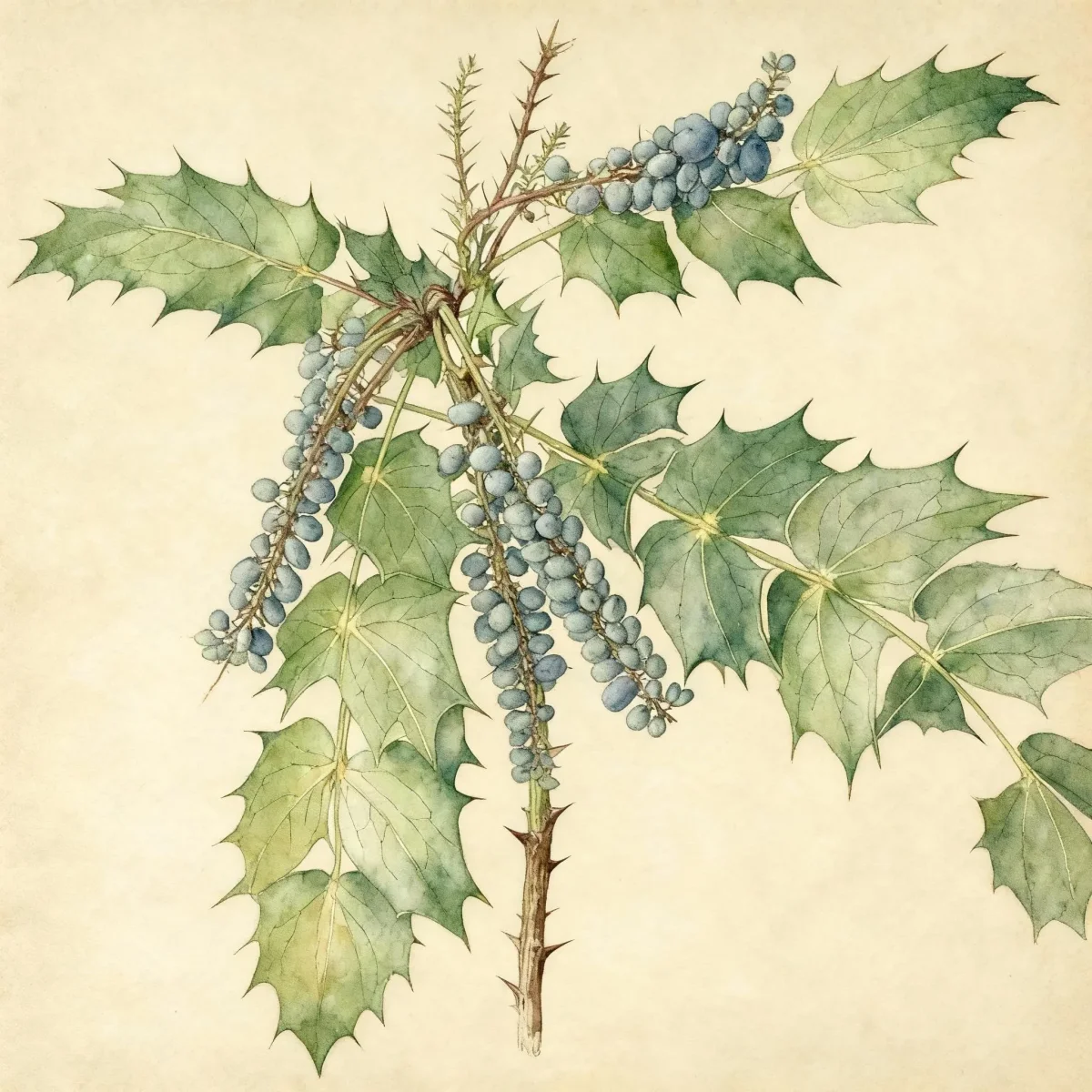
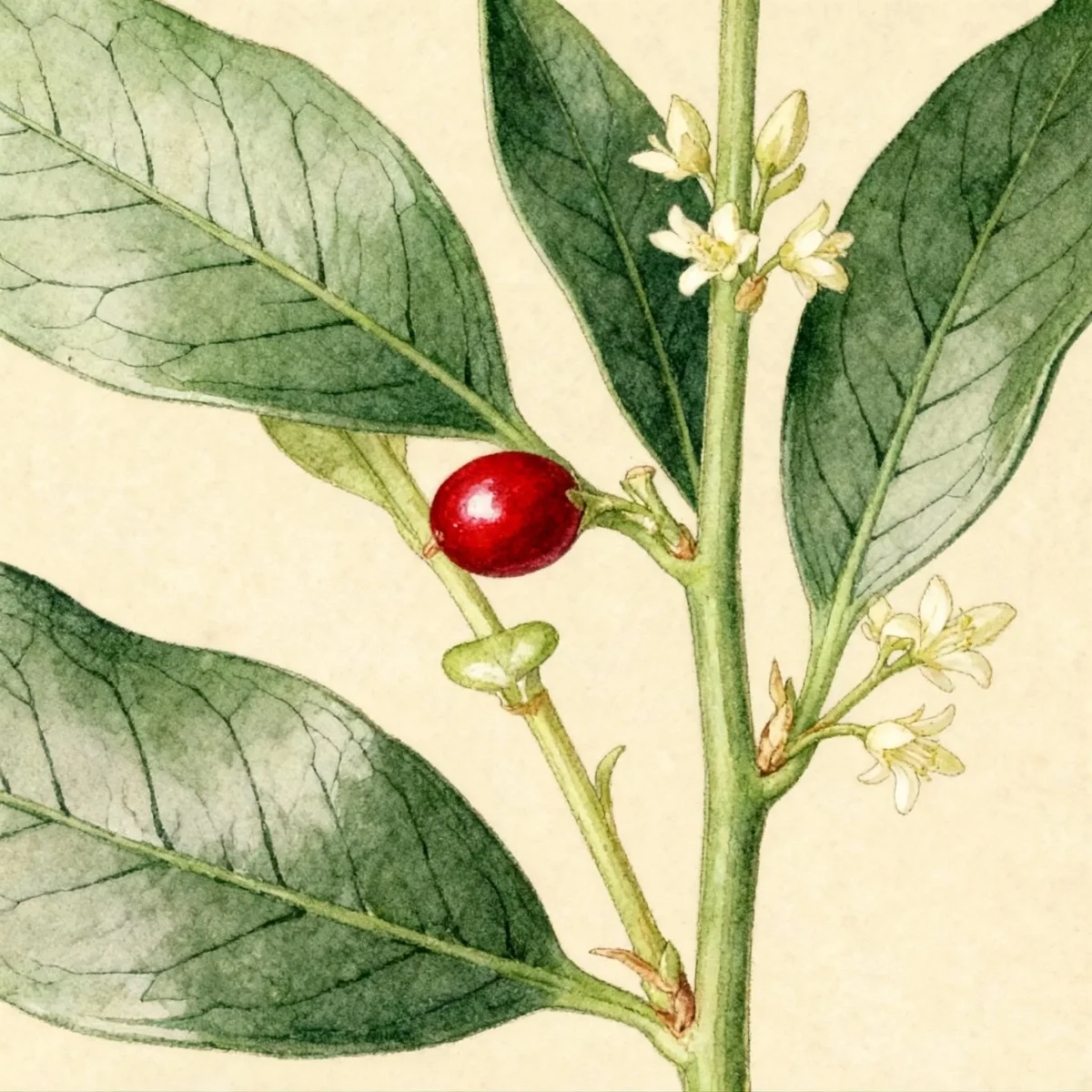
Spotted laurel (Aucuba japonica)
The Spotted laurel (Aucuba japonica) is a rugged, shade-loving broadleaf evergreen prized for its glossy foliage and low maintenance needs.
Scroll down to discover growing tips, care requirements, companion plants, and more
Complete Plant Information
Overview
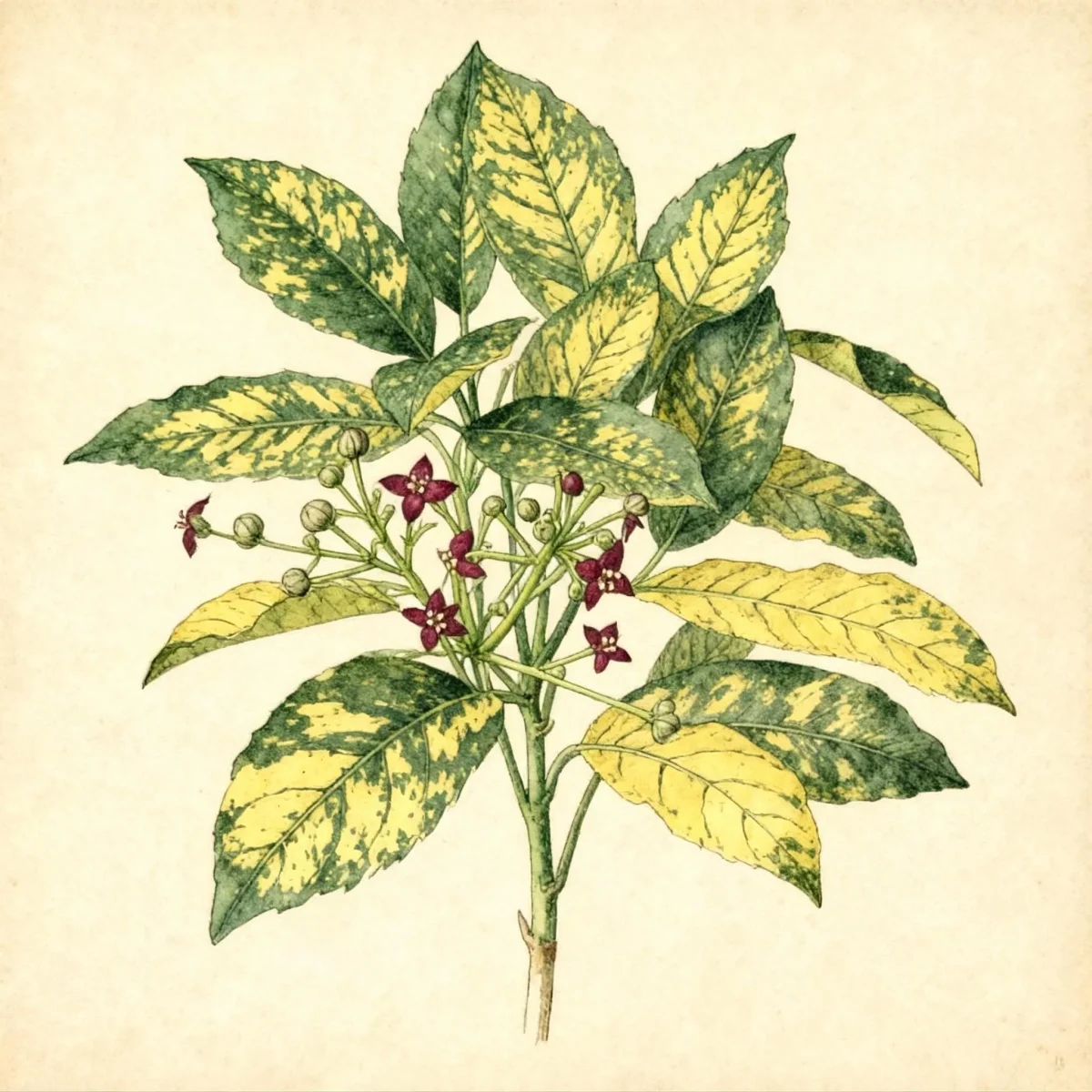
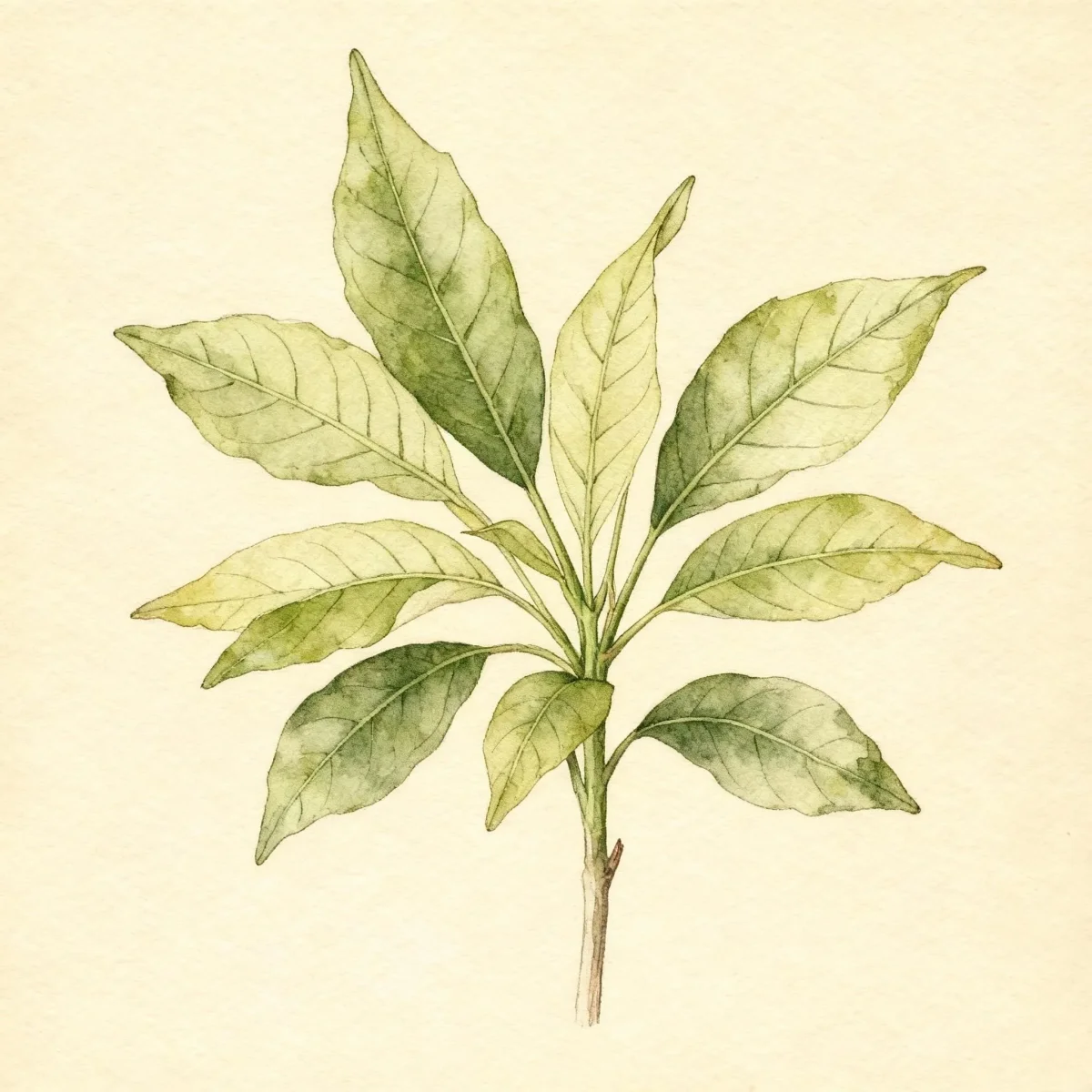
The Spotted laurel, botanically known as Aucuba japonica, is a highly versatile and striking broadleaf evergreen shrub celebrated for its ability to thrive in deep shade where few other ornamentals succeed. Characterized by its leathery, glossy foliage—often adorned with yellow or gold speckles on variegated cultivars—it provides essential year-round structure and color to shaded landscapes. This plant is valued for its exceptional hardiness and tolerance to challenging urban growing conditions.
Established specimens of Aucuba japonica offer excellent drought tolerance once rooted, making them reliable screen plants or background accents in difficult spots. While flowers are small and reddish-purple, they are followed by showy red berries on female plants, provided a male pollinator is nearby, adding seasonal interest to the evergreen texture. The inherent toughness of the spotted laurel allows it to persist where other ornamental shrubs fail.
Gardeners appreciate the low maintenance requirements of this species. It naturally forms a dense, rounded shape, reducing the need for constant pruning, which makes the Spotted laurel an excellent choice for foundational plantings, low hedges, or as a structural element in woodland gardens.
Fast Facts
- Plant Family: Garryaceae
- Plant Type: Broadleaf evergreen
- Native Range: China, Taiwan, southern Japan
- Hardiness Zones: USDA Zones 6-9
- Size at Maturity:
- Height: 6-10 ft
- Spread: 5-9 ft
- Bloom Time: March to April
- Bloom Description: Reddish-purple
- Sun Exposure: Part shade to full shade
- Water Needs: Medium
- Maintenance Level: Low
How to Grow
For successful establishment, aim to plant Aucuba japonica during the fall or early spring. This shrub performs best when situated in moist, organically rich, well-drained soils. Location is critical: this shrub thrives in part shade to full shade conditions. In regions experiencing hot summers, ensure the Spotted laurel is sheltered, particularly from intense afternoon sun, as young foliage is prone to scorch and burning.
Once established, the drought tolerance of Aucuba japonica is quite good, though adequate moisture is important during prolonged dry spells and for container plants stressed by summer heat. Fertilization is generally unnecessary in fertile garden soils, but container specimens benefit from monthly liquid fertilizer applications during the active summer growing season. Avoid planting in areas prone to overly moist or wet soils, as this increases the risk of root rot.
Protect against strong, desiccating winds, especially when siting plants near the colder limits of Zone 6b. Because this plant is dioecious—meaning male and female flowers appear on separate individuals—plan your grouping if you desire the ornamental red fruit; label cuttings by sex during propagation to ensure pollination occurs.
Landscape Uses
The rounded, dense habit of the Spotted laurel makes it an invaluable workhorse in challenging landscape settings. Its primary recommendation is for use as a hedge or screen, providing dense, colorful coverage year-round where taller shade structures are needed. Due to its notable tolerance for air pollution and poor soil conditions, Aucuba japonica excels in urban plantings, borders near buildings, or along busy streetsides.
Beyond its use as a functional screen, the evergreen nature of the foliage lends itself well to providing contrast against deciduous plants that lose their leaves in winter. Use the vibrant, glossy leaves of the Spotted laurel as a backdrop for spring-blooming bulbs or shade perennials. Container culture is also a strong application; place them in tubs or window boxes on patios and terraces, ensuring consistent summer moisture.
The natural form means pruning is minimal, allowing it to function perfectly as a background element. If placing female plants, ensure ample space for a male pollinator nearby to guarantee the production of the bright drupes that ripen in the fall and persist into winter.
Standout Features
Flower Qualities
- Showy
Fruit Qualities
- Showy
Noteworthy Characteristics
Aucuba japonica, commonly called spotted laurel, is a rounded, shade-loving, evergreen shrub in the Garryaceae family. Its leathery, glossy, medium to rich green leaves are elliptic to narrow-ovate, sometimes reaching 8 inches long, often featuring coarse marginal teeth on the upper half. This dioecious shrub produces tiny purple-maroon flowers in early spring, followed by attractive red drupes on female plants that ripen in the fall and often persist until spring.
Tolerances
- Heavy Shade
- Clay Soil
- Air Pollution
Potential Problems
The Aucuba japonica is known for being generally easy to grow, but specific cultural issues must be monitored. The most significant risk comes from poorly-drained or consistently overly-wet soils, which can quickly lead to root rot, especially with the medium water needs of this plant. In colder zones, particularly near the edge of its range, plants may suffer from winter dieback if exposed to harsh conditions or strong winds. Pests are usually minor, though scale insects, mealybugs, and nematodes can occasionally cause trouble, while spider mites are a known issue for indoor specimens. Address fungal leaf spots promptly by improving air circulation, and be aware of potential issues like Southern blight in warm, humid climates.
Frequently Asked Questions
What hardiness zones is Spotted laurel suitable for?
The Spotted laurel, Aucuba japonica, is reliably winter hardy in USDA Zones 6 through 9, though plantings on the colder edge (Zone 6b) benefit from sheltered locations.
How large does Aucuba japonica grow?
This broadleaf evergreen typically matures to a height between 6 and 10 feet, with a comparable spread ranging from 5 to 9 feet if left unpruned.
What sun exposure does Spotted laurel need?
This shrub is famous for tolerating deep shade, preferring part shade to full shade conditions, especially protection from harsh afternoon sun during hot weather.
When does Aucuba japonica bloom?
The plant blooms relatively early in the season, typically from March into April, presenting small, reddish-purple flowers.
Conclusion
The Spotted laurel (Aucuba japonica) remains an outstanding choice for gardeners seeking reliable evergreen texture and structure in deep shade. Its low maintenance level, coupled with excellent tolerance for pollution and poorer soils, establishes it as a vital structural plant. Before planting, confirm your USDA zone compatibility (6-9) and ensure an adequate location protected from afternoon sun to maximize the beauty of your Aucuba japonica.
Propagation Tips
Propagation of Aucuba japonica is straightforward, primarily using cuttings taken from semi-hardwood growth during the summer months. Because the species is dioecious and you must distinguish male and female plants to ensure fruiting, clear and accurate labeling of cuttings is essential before rooting occurs. While plants can also be started from seed, germination can be slow and erratic, often requiring stratification, making cuttings the more reliable method for home propagation.
Companion Planting
Given the preference of spotted laurel for shade and moist, rich soils, companion plants should share similar cultural needs to maintain a cohesive planting area. Consider pairing Aucuba japonica with ferns, hostas, and shade-loving groundcovers like sweet woodruff or European ginger, which appreciate the bright, filtered light that the canopy of the Japanese laurel provides. For evergreen contrast below the 6-foot height range, low-growing rhododendrons or camellias that bloom earlier or later in the season work well alongside the substantial texture of the foliage.