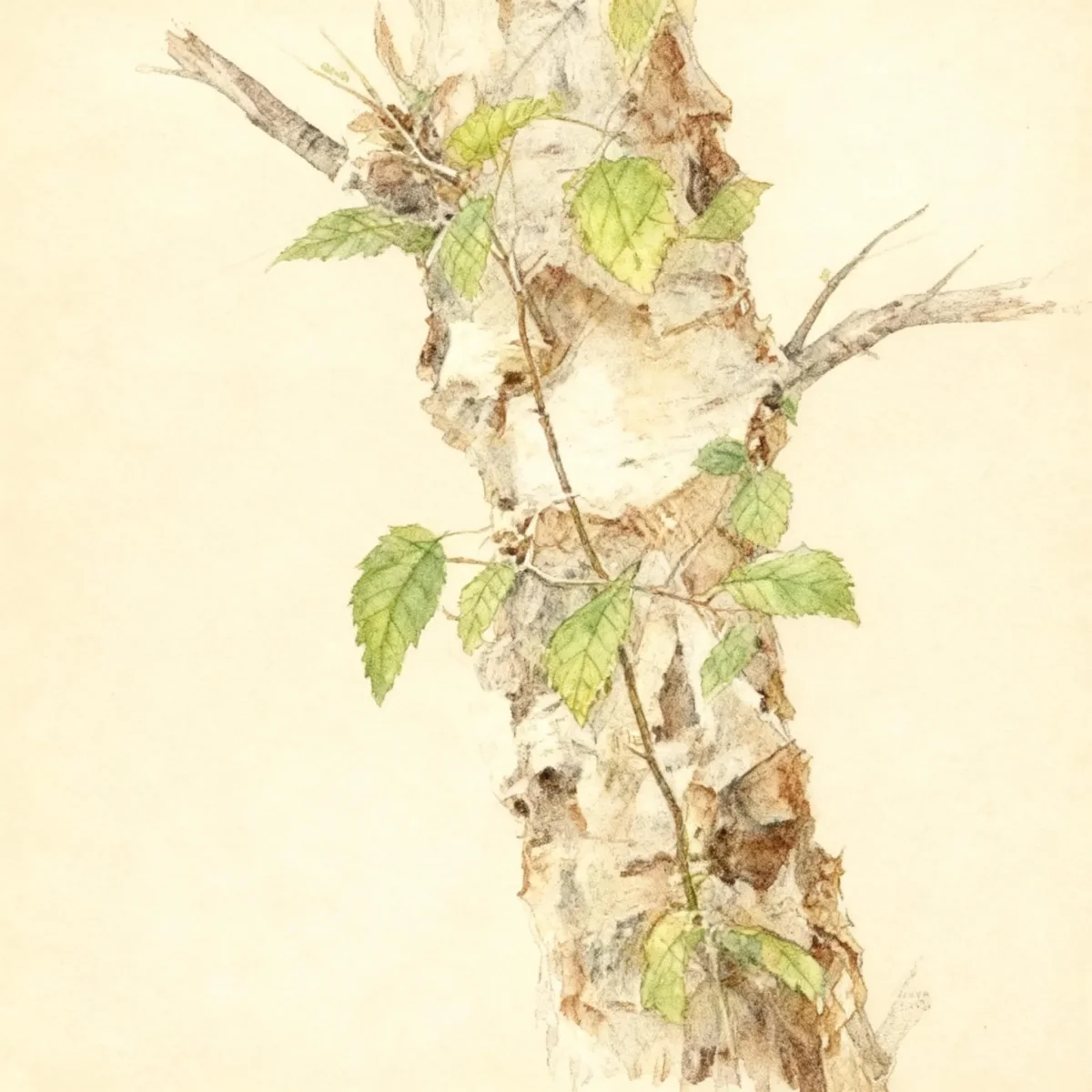
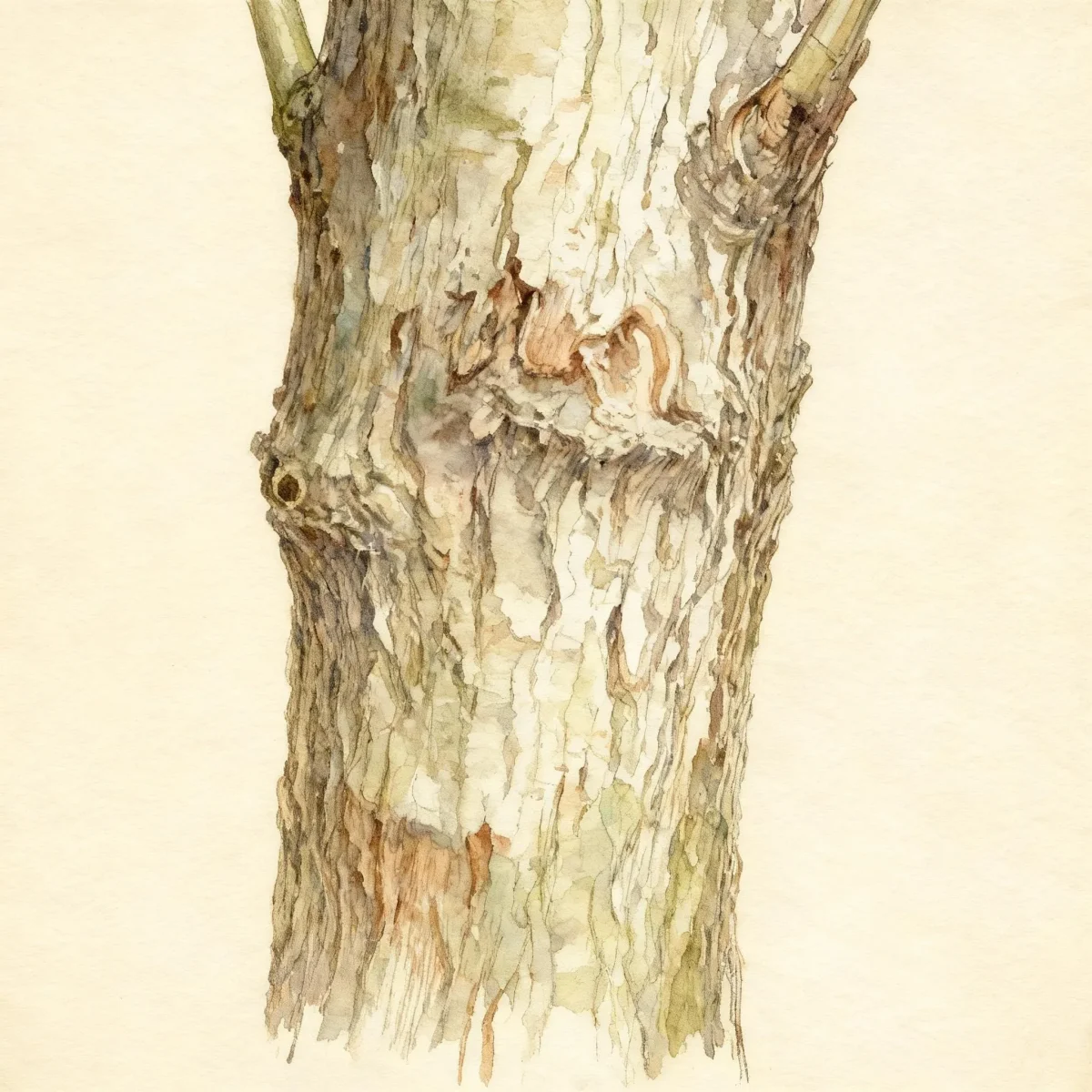
Black gum (Nyssa sylvatica)
Discover Black gum (Nyssa sylvatica), a versatile Eastern North American native perfect for rain gardens, known for spectacular fall color.
Scroll down to discover growing tips, care requirements, companion plants, and more
Complete Plant Information
Overview
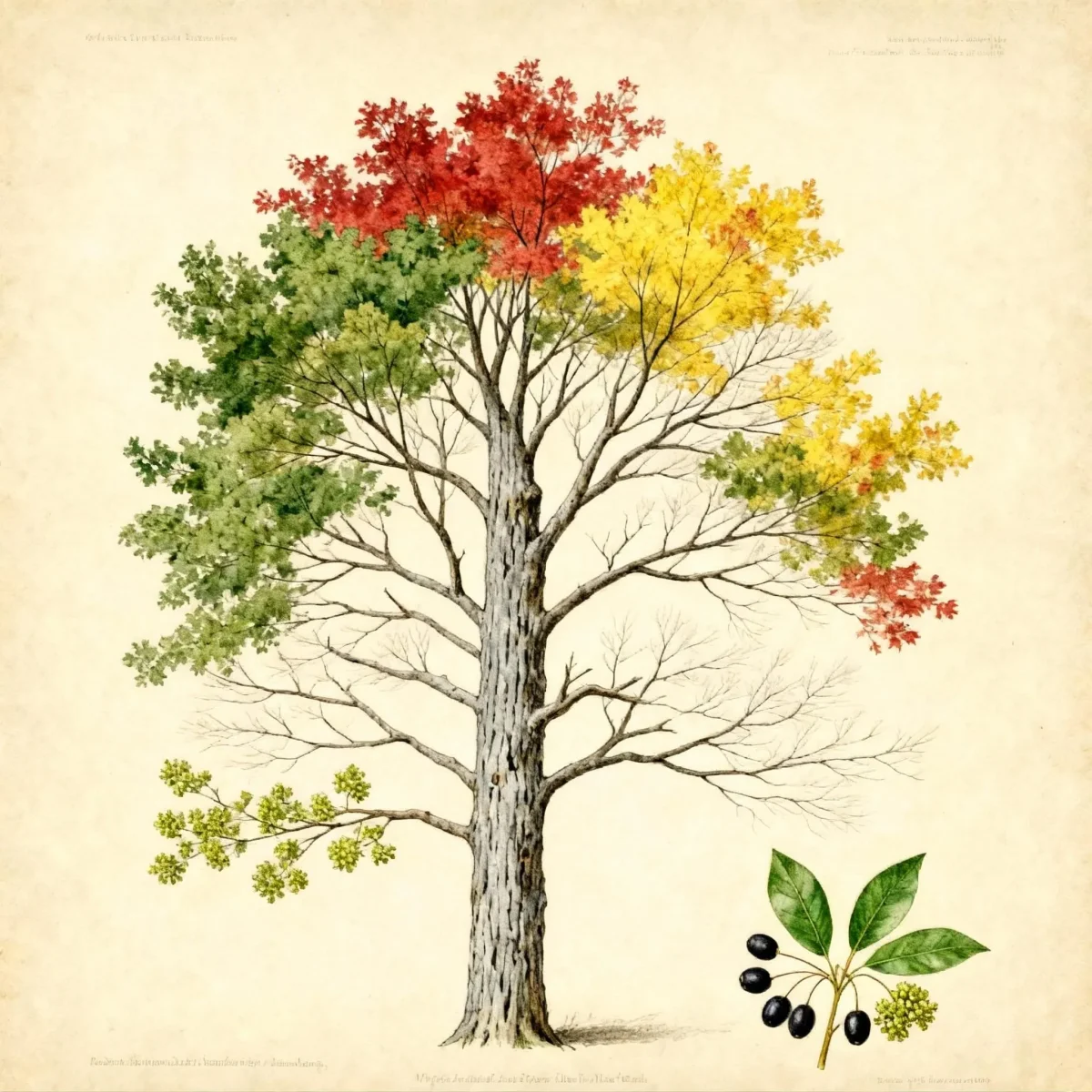
The Black gum (Nyssa sylvatica) is a highly valuable, slow-growing native tree prized for its stately form and arguably unsurpassed scarlet fall coloration. As a versatile landscape specimen, it adapts well to various moisture conditions, making it a reliable choice for diverse settings throughout Eastern North America. Gardeners appreciate this tree not just for its aesthetic appeal but also for its tolerance of challenging sites where other species might fail.
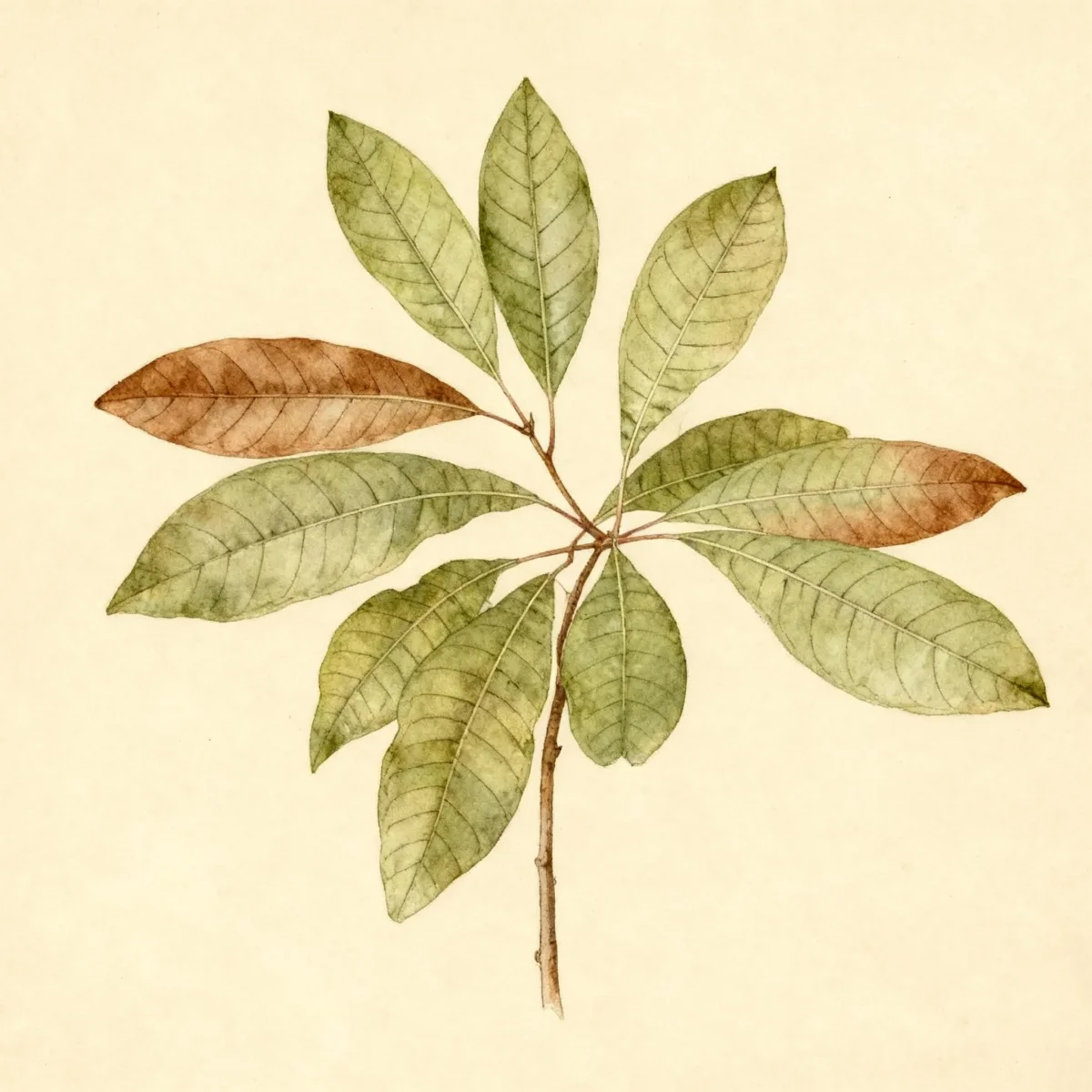
This deciduous tree typically reaches moderate heights, offering significant shade potential, and features distinct oval leaves that turn brilliant colors in autumn. While the flowers of Nyssa sylvatica are small and greenish white, they serve as an important nectar source for local bee populations early in the season. Furthermore, the developing blue fruits attract a wide array of birds and wildlife.
Successfully establishing a Black gum requires foresight regarding its root system, which develops a long taproot early on, making transplantation difficult once mature. For gardeners seeking a low-maintenance native centerpiece that thrives in moist to average soils, Nyssa sylvatica proves to be an exceptional, visually rewarding investment for the long term.
Fast Facts
- Plant Family: Nyssaceae
- Plant Type: Tree
- Native Range: Eastern North America
- Hardiness Zones: USDA Zones 3-9
- Size at Maturity:
- Height: 30-50 ft
- Spread: 20-30 ft
- Bloom Time: May to June
- Bloom Description: Greenish white
- Sun Exposure: Full sun to part shade
- Water Needs: Medium to wet
- Maintenance Level: Low
How to Grow
The best time to plant Nyssa sylvatica is typically in the fall or early spring while the tree is young, leveraging its need for time to establish its long taproot. Select a site receiving full sun to provide the most intense fall color, although it tolerates part shade well. This tree thrives in acidic soils but exhibits remarkable adaptability, thriving in average, moist conditions and tolerating poorly-drained sites, even standing water.
Care for the young Black gum should focus on consistent moisture until establishment, aiding the deep root development. It prefers moist, well-drained soil but has a surprising capacity to tolerate some drought once mature, especially if established in its native woodland environment. Avoid heavy fertilization, as this species generally performs best without excess encouragement, maintaining its naturally manageable growth habit.
Due to the long taproot, avoid planting Nyssa sylvatica where future disturbance or relocation might be necessary; established trees are notoriously difficult to move successfully. Pruning should be minimal, reserved only for removing crossing or damaged limbs, as the tree naturally develops a stately, attractive crown structure.
Landscape Uses
The formal, upright structure of the Black gum makes it an excellent ornamental shade tree, ideal for providing canopy cover over lawns or lining streets where room for eventual size is guaranteed. It also excels when incorporated into naturalized areas or woodland borders, merging effortlessly with other native flora. Its tolerance for wet conditions shines when utilizing Nyssa sylvatica in rain gardens or low spots that experience periodic flooding.
When designing a native landscape, consider placing this tree where its brilliant scarlet fall performance can be fully appreciated against a contrasting backdrop, perhaps near evergreen conifers or lighter-colored hardscaping. Although slow-growing, site placement is critical because of its difficulty to transplant once its roots anchor deeply.
This tree offers year-round interest, transitioning from the spring bloom to summer green, to the dramatic autumn show, and finally revealing attractive dark blue fruits for winter wildlife interest. Plan groupings carefully, noting that female trees will require a nearby male pollinator to ensure seasonal fruit set.
Standout Features
Flower Qualities
- Insignificant
Noteworthy Characteristics
Nyssa sylvatica, commonly called sour gum, is a slow-growing, deciduous, Missouri native tree which occurs in a wide range of soils south of the Missouri River in the southeastern quarter of the State. It is primarily a lowland tree found in low wet woods, bottomlands and pond peripheries, but also can be found on dry rocky wooded slopes and ravines. A stately tree with a straight trunk and rounded crown (more pyramidal when young) that typically grows 30-50’ tall, but occasionally to 90’. Although flowers are not showy, they are an excellent nectar source for bees, and the resulting dark blue fruits are attractive to birds and wildlife, complementing its spectacular scarlet fall color.
Tolerances
- Clay Soil
- Wet Soil
- Black Walnut
Potential Problems
The Black gum generally exhibits good resistance to serious pest and disease issues, contributing to its low maintenance rating. However, gardeners should remain aware of certain susceptible conditions. These include occasional leaf spot infections, canker, rust, and infestations by leaf miner or scale insects.
Management is usually preventative, focusing on good air circulation by providing adequate spacing when planting. If fungal issues like rust or leaf spots appear, ensure the area does not stay perpetually waterlogged, although tolerance for wet soil is high. Addressing minor insect pests usually requires only targeted dormant oil treatments or horticultural soap if the infestation becomes significant.
Frequently Asked Questions
What hardiness zones is Black gum suitable for?
The Black gum (Nyssa sylvatica) is adaptable across a wide range, thriving in USDA Hardiness Zones 3 through 9.
How large does Black gum grow?
This tree typically matures to a height between 30 and 50 feet, with a general spread ranging from 20 to 30 feet wide.
What sun exposure does Nyssa sylvatica need?
Nyssa sylvatica performs best when planted in full sun to maximize its beautiful fall display, though it tolerates partial shade conditions adequately.
When does Black gum bloom?
Bloom time for Black gum occurs from May into June, producing small, greenish white flowers.
Conclusion
The Black gum (Nyssa sylvatica) offers exceptional value through its adaptability, beautiful structure, and unmatched fall foliage, making it a top contender for low-maintenance, high-impact native landscaping. Ensure you plan its permanent location carefully due to its deep taproot structure. Consult your local hardiness map to confirm suitability before planting this resilient and stunning specimen tree.
Wildlife Benefits
The spring flowers of the Black gum tree, though visually simple, provide a crucial early-season nectar source for bees, supporting local pollinator activity. Following flowering, the oval fruits mature to a dark blue hue, offering a sought-after food source sustained through much of the fall and early winter for numerous bird species.
Even in winter, the upright branching structure of the Nyssa sylvatica, particularly the pyramidal young forms, offers reliable shelter and perching opportunities for various woodland birds. Integrating this tree aids biodiversity by supporting insects and avian life cycles within your managed space.
Seasonal Care Calendar
Spring preparation involves monitoring for emerging leaf spots or rust, ensuring good air movement around the lower branches as new foliage expands throughout May and June. This is also the season when pollination occurs, potentially leading to fruit if both male and female trees are present nearby.
Summer care, especially in drier spells, should focus on providing consistent, generous watering to young specimens to support that critical taproot development. Established trees, while tolerant of some dryness, benefit from deep infrequent watering during severe heat, as Nyssa sylvatica prefers consistently moist soil.
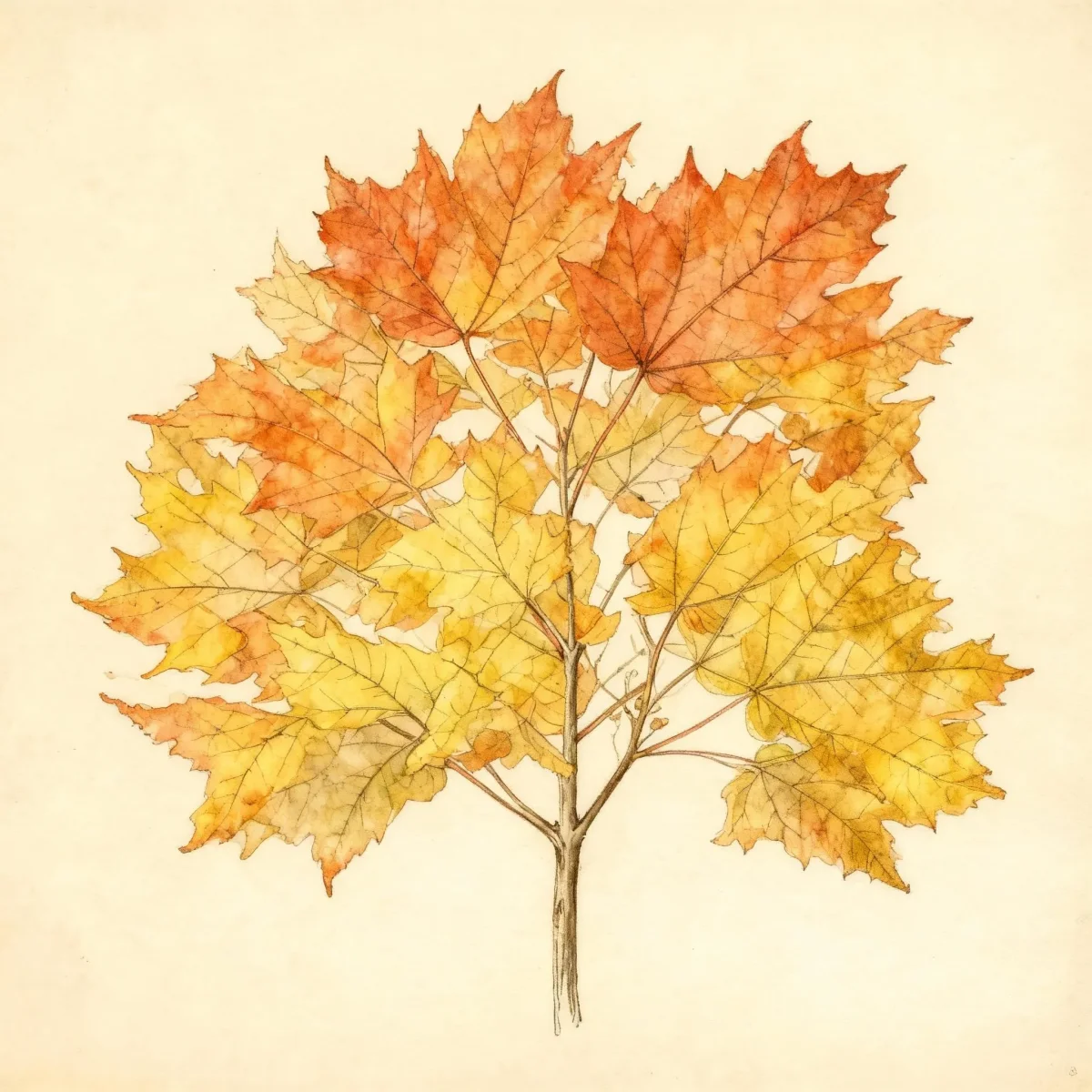
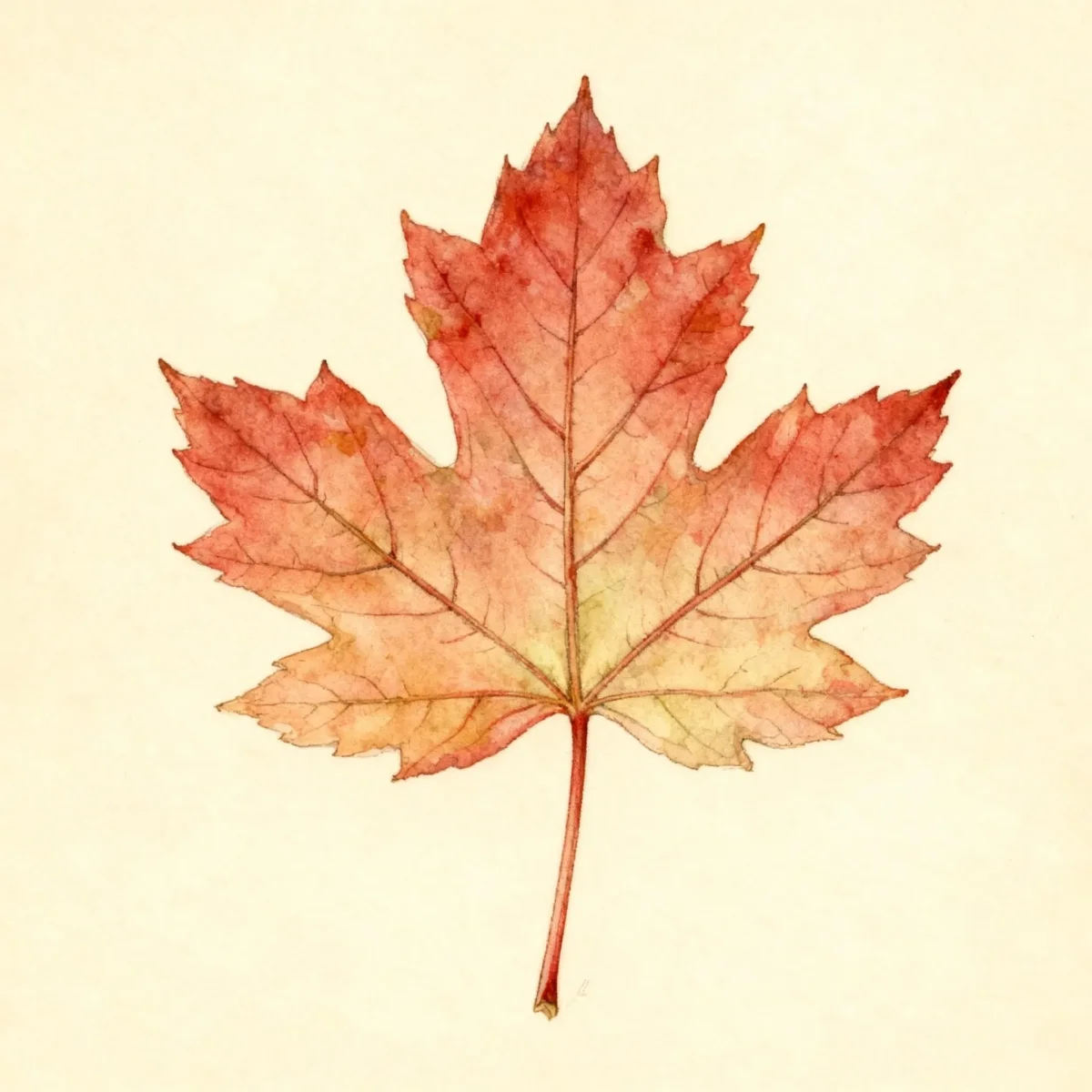
Fall is the primary display season for the Black gum, as the foliage turns spectacular shades of scarlet; focus on site enjoyment rather than active care. Winter is the best time for any necessary structural pruning, as the bare branches clearly reveal the tree’s form, and no leaves are present to obscure cuts or slow healing.