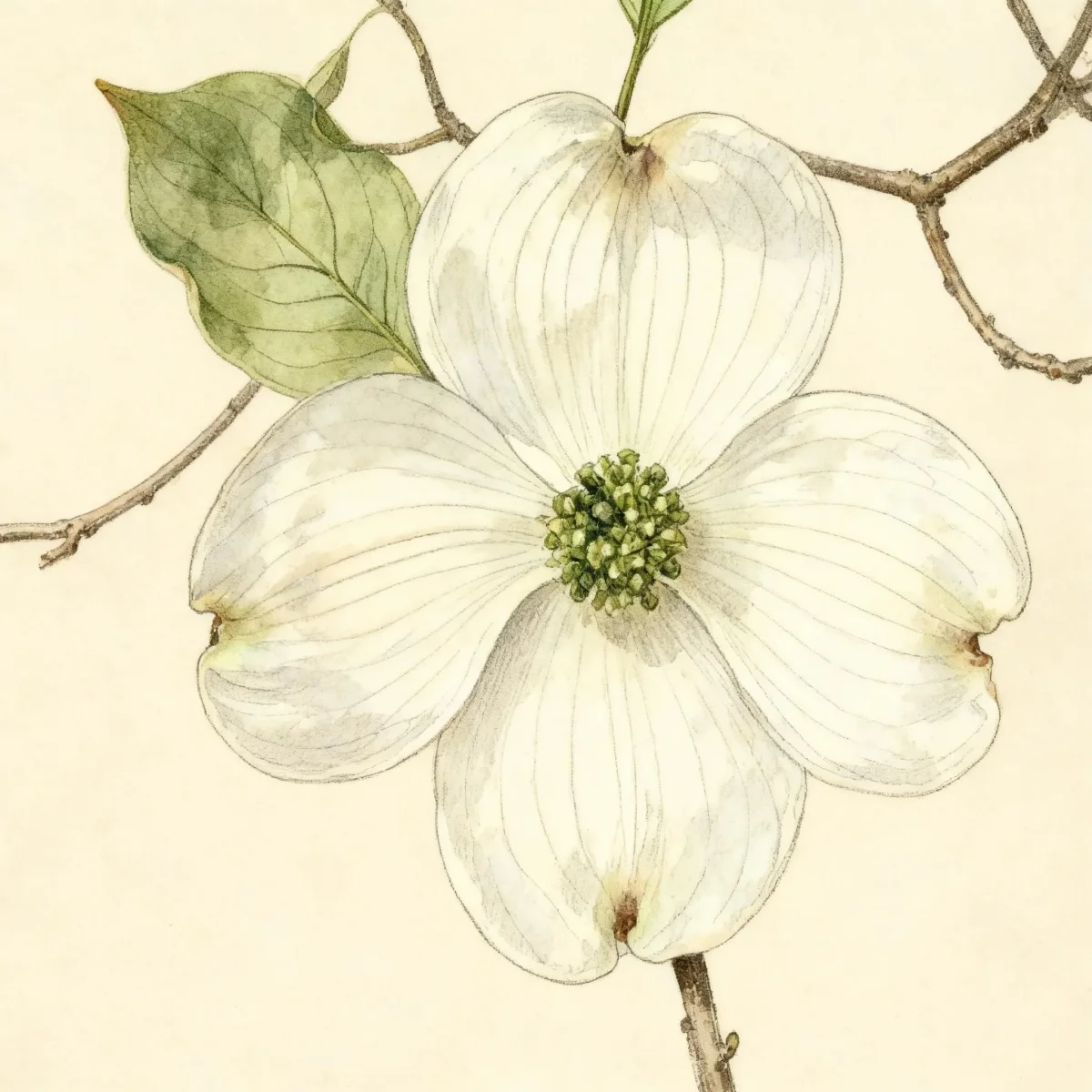
Dove tree (Davidia involucrata)
Discover the exquisite Davidia involucrata, or Dove tree. This medium-sized specimen features stunning white bracts resembling doves in spring. Ideal for Zones 6-8.
Scroll down to discover growing tips, care requirements, companion plants, and more
Complete Plant Information
Overview
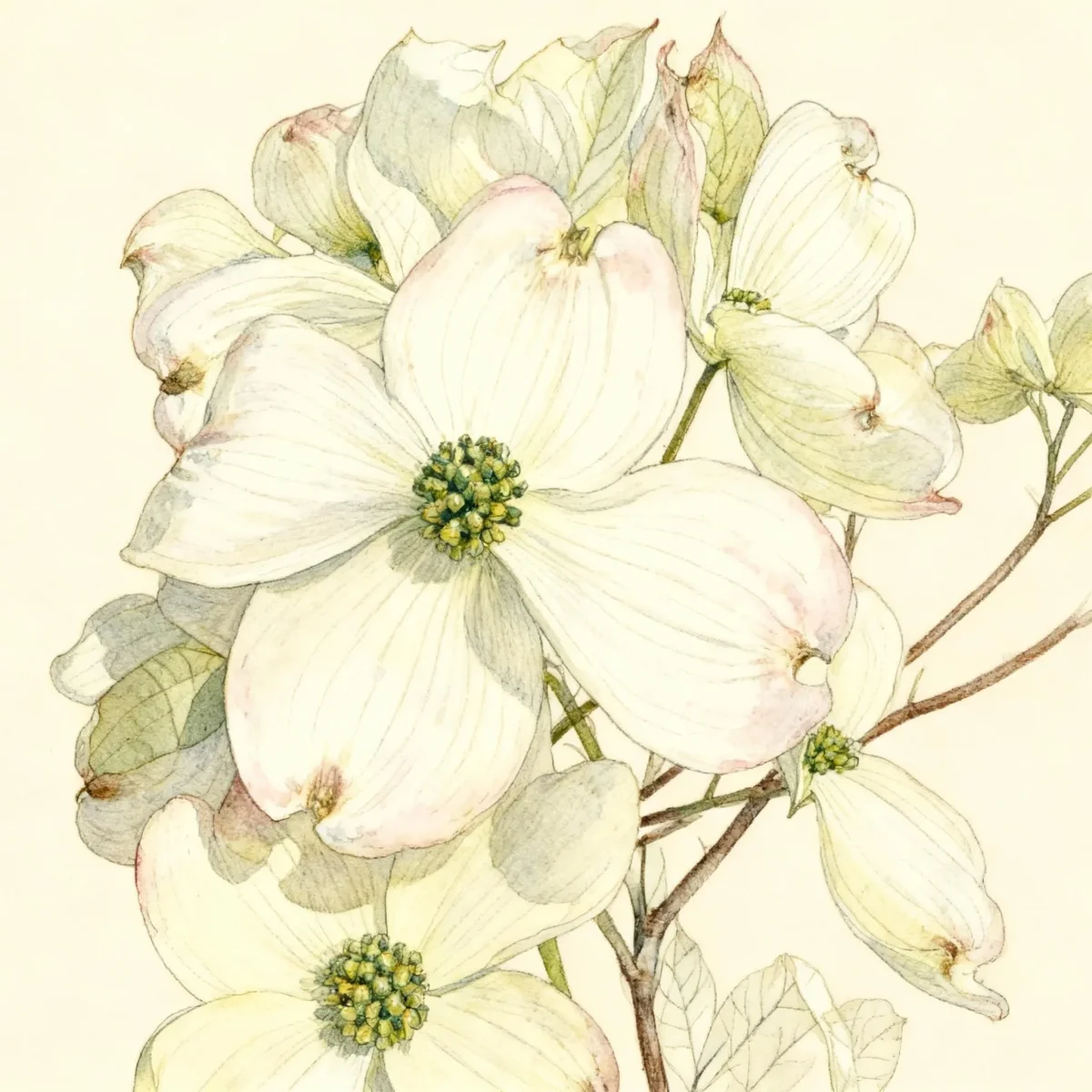
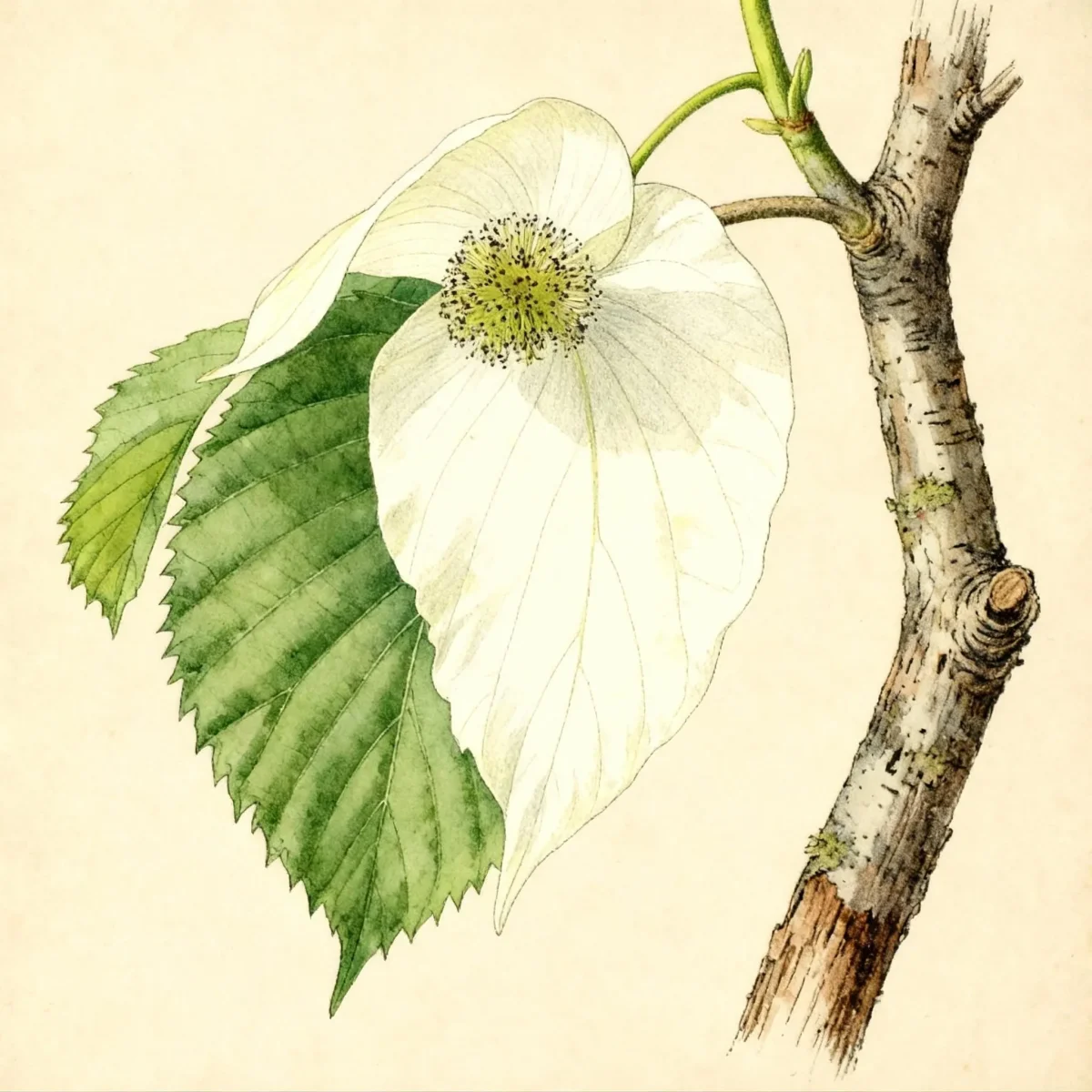
The Davidia involucrata, commonly known as the Dove tree or Handkerchief tree, offers one of the most spectacular flowering displays in the ornamental landscape. Its defining feature is the large, white, modified leaves, or bracts, that flutter delicately in the slightest breeze, creating the illusion of dozens of white doves resting amongst the branches. This deciduous tree is a highly sought-after specimen celebrated for its unique April to May bloom period.
Native to the woodlands of southwestern China, the Dove tree matures into a broad pyramidal habit, typically reaching heights between 20 and 40 feet. While the true flowers are small and reddish, the massive white involucral bracts reliably capture attention when this tree is in full bloom. For gardeners seeking an unforgettable focal point, few species rival the beauty of a mature Davidia involucrata.
This species requires careful placement to maximize its visual impact, favoring organically rich, consistently moist, and well-drained soil conditions. While patient cultivation is required—as flowering may take up to a decade to commence—the reward is an unparalleled specimen tree that brings architectural interest year-round.
Fast Facts
- Plant Family: Nyssaceae
- Plant Type: Tree
- Native Range: Southwestern China
- Hardiness Zones: USDA Zones 6-8
- Size at Maturity:
- Height: 20-40 ft
- Spread: 20-40 ft
- Bloom Time: April to May
- Bloom Description: Red (flowers) and white (bracts)
- Sun Exposure: Full sun to part shade
- Water Needs: Medium
- Maintenance Level: Medium
How to Grow
When establishing your Davidia involucrata, select planting locations carefully, as establishment is crucial for eventual spectacular blooms. Plant in spring or fall in sites offering full sun, though partial afternoon shade is beneficial in hotter climates. The soil must be expertly prepared: aim for organically rich soil that maintains constant moisture without becoming waterlogged.
Care involves consistent attention to moisture, particularly during the first several years as the root system develops. While Davidia involucrata is generally low maintenance once established, supplemental watering during dry spells is essential to meet its medium water needs. Avoid heavy fertilization, which can encourage excessive weak growth; focus instead on enriching the soil with organic matter annually.
Patience is a well-known requirement for this species. Gardeners should anticipate that the tree may require up to ten years to produce its first substantial bloom, and blooming may not be entirely reliable every subsequent year. For areas slightly colder than Zone 6, consider sourcing Davidia involucrata var. Vilmoriniana, which exhibits better winter hardiness down to Zone 5.
Landscape Uses
The primary role of the Dove tree in the landscape is as a magnificent specimen tree. Its unique April and May flowering provides an unparalleled focal point, making it the star of any sunny or lightly shaded yard. Planting Davidia involucrata where it can be easily viewed from windows or primary gathering areas maximizes the enjoyment of its ethereal blooms.
Because of its striking appearance, companion planting should be subtle, allowing the tree to take center stage. Consider using dark green, dense evergreen foundations or groundcovers beneath it to contrast sharply with the future white bracts. This flowering tree also works well positioned near water features or walkways, where the fluttering bracts can be admired up close.
As an effective shade tree when mature, it provides dappled relief during summer. For gardeners designing a woodland edge or an Asian-inspired garden, its unique texture and dramatic spring show anchor the design beautifully.
Standout Features
Flower Qualities
- Showy
Fruit Qualities
- Showy
Noteworthy Characteristics
Davidia involucrata, commonly called dove tree, is native to woodlands in southwestern China and is a deciduous tree that typically grows 20-40’ tall with a broad pyramidal habit. The showy parts of the bloom are the large oval-rounded white involucre bracts which subtend each flower cluster, often looking like white doves fluttering in the slightest breeze. Flowers are followed by round, greenish-brown, golf ball-sized fruits, and the tree features heart-shaped, bright green leaves that provide good summer coverage.
Tolerances
Potential Problems
This species is fortunate to suffer from no serious insect or disease problems, contributing to its relatively medium maintenance level in the garden. This low susceptibility allows gardeners to focus energy on providing the correct soil moisture and organic matter rather than intensive pest management. Monitoring for signs of poor drainage is the best preventative action against root issues.
Frequently Asked Questions
What hardiness zones is Dove tree suitable for?
The standard Davidia involucrata is reliably hardy in USDA Zones 6 through 8, though diligent placement is still required to ensure optimal performance.
How large does Dove tree grow?
This tree typically reaches a mature height between 20 and 40 feet, with a similar spread of 20 to 40 feet, growing into a broad pyramidal shape.
When does Dove tree bloom?
The distinctive blooming period for the Davidia involucrata occurs from April through May, displaying its true red flowers backed by large white bracts.
What sun exposure does Dove tree need?
This species thrives best when situated in full sun to partial shade conditions, though afternoon shade is often favored in warmer parts of its hardiness range.
Conclusion
The Davidia involucrata remains a horticultural treasure, offering visual drama unmatched by most flowering trees due to its amazing white bracts that mimic nesting doves. Cultivating the Dove tree requires commitment to consistently moist, rich soil, but the payoff is a truly spectacular specimen tree for the temperate garden. Ensure your site falls within USDA Zones 6-8 and plan for the early years of establishment to enjoy this Chinese native for decades to come.
Companion Planting
When situating the Dove tree, consider underplanting with shade-tolerant perennials that appreciate similar organic, moist soil conditions, such as Japanese Forest Grass (Hakonechloa macra) or Hellebores (Helleborus spp.). These companions thrive in the dappled light created by the young tree’s canopy and help suppress weeds around the developing root zone. Avoid shallow-rooted competitors that vie aggressively for surface moisture.
Seasonal Care Calendar
Spring is critical for observing the emergence of the bracts; ensure the soil is well-watered as temperatures climb before bloom. In summer, water deeply during dry spells to satisfy the medium water needs of Davidia involucrata. Apply a 2-3 inch layer of mulch annually to help maintain the consistent soil moisture and moderate soil temperature crucial for its well-being. Fall cleanup should involve lightly clearing leaf litter, but avoid deep cultivation near the trunk, which can damage surface roots.