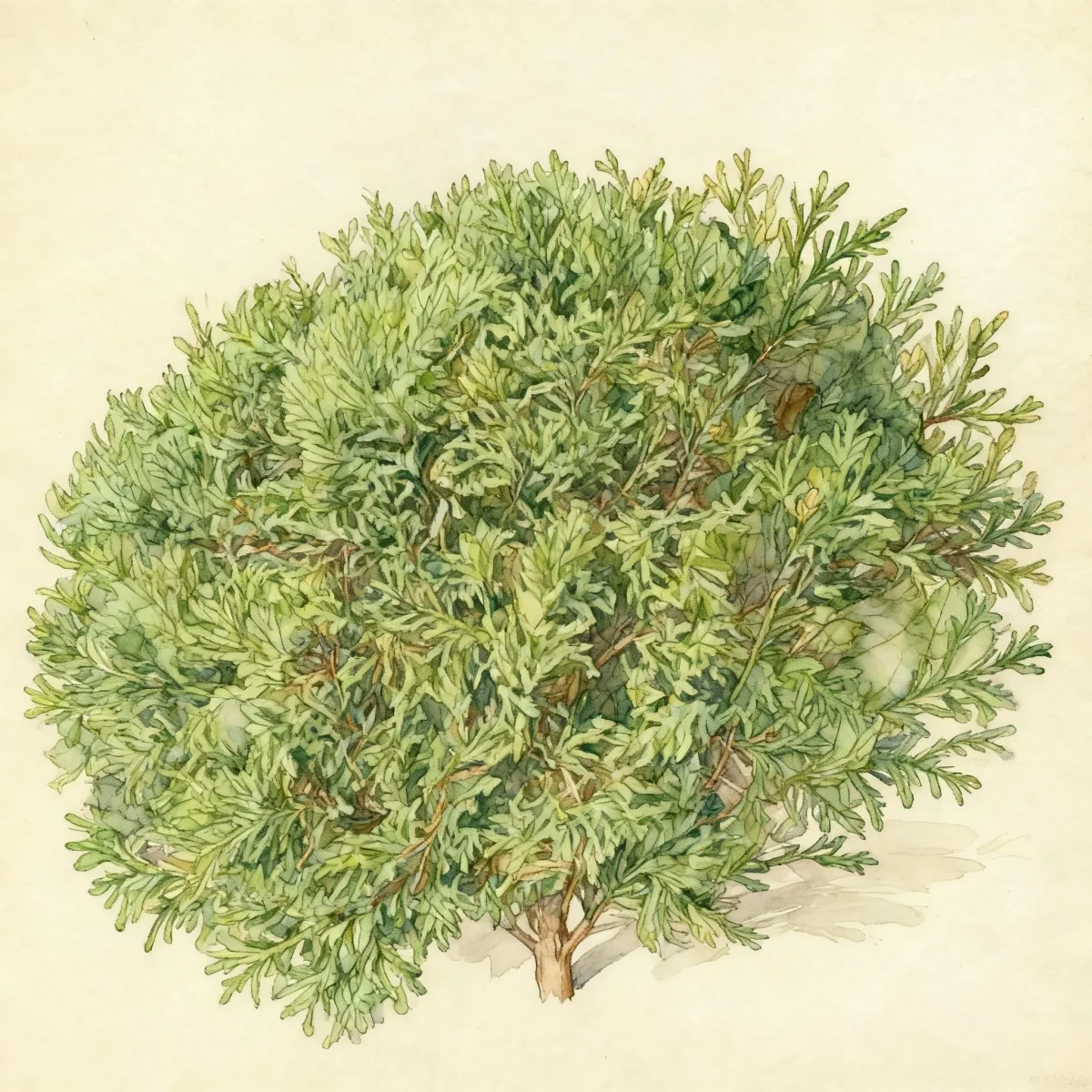
American arborvitae (Thuja occidentalis)
Thuja occidentalis, the adaptable American arborvitae, offers dense, conical evergreen structure for zones 2-7; known for low maintenance.
Scroll down to discover growing tips, care requirements, companion plants, and more
Complete Plant Information
Overview
The American arborvitae, scientifically known as Thuja occidentalis, is a cornerstone evergreen for landscapes across much of Eastern North America. Valued for its dense, often pyramidal shape, it naturally provides excellent structure, screening, and backdrop definition in garden designs. This species is highly adaptable, proving durable even in less-than-ideal soil conditions, making it a favorite for both mass plantings and specimen use.
Thuja occidentalis maintains its green to yellow-green, scale-like foliage year-round, offering critical winter interest where deciduous plants lose their form. As a low-maintenance choice, it establishes reliance once sited correctly, offering seasonal beauty without demanding constant attention from the gardener. Its native resilience translates into a rugged landscape performer.
The common name “arborvitae” translates to “tree of life,” stemming from its historical use by early settlers to treat scurvy. Today, this coniferous tree remains a highly recommended choice for foundations and general landscape use, especially due to the vast array of compact and dwarf cultivars available derived from this species.
Fast Facts
- Plant Family: Cupressaceae
- Plant Type: Needled evergreen
- Native Range: Eastern North America
- Hardiness Zones: USDA Zones 2-7
- Size at Maturity:
- Height: 20-40 ft
- Spread: 10-15 ft
- Bloom Time: Non-flowering
- Bloom Description: Non-flowering
- Sun Exposure: Full sun to part shade
- Water Needs: Medium
- Maintenance Level: Low
How to Grow
Planting the American arborvitae is best done in spring or early fall when temperatures are moderate, facilitating healthy root establishment. Choose a location providing full sun to achieve the densest possible foliage, though part shade is tolerable. Thuja occidentalis displays somewhat wide soil tolerance but particularly thrives in moist, well-drained loams that are neutral to alkaline. Proper preparation involves ensuring good drainage, as this species is intolerant of prolonged dry conditions.
Once established, provide medium, consistent moisture, especially during the first few growing seasons. Fertilizing is generally unnecessary for mature trees unless growth appears stunted or the soil is extremely poor. Avoid heavy winter pruning; light shaping can occur in late winter or early spring before new growth begins.
A key consideration for this evergreen is location selection; avoid exposed, windy sites where winter burn is likely. In hot summer climates, ensuring the tree receives some light afternoon shade can prevent foliage scorching. Avoid dense shade entirely, as this will severely decrease foliage density, leading to sparse, unattractive growth patterns on the Thuja occidentalis.
Landscape Uses
The sheer adaptability and impressive size range—from tall screens to dwarf shrubs—make the American arborvitae indispensable in landscape design. The species itself, growing up to 40 feet tall, works perfectly as a stately specimen or closely planted to create dense, permanent privacy screens and windbreaks. Many smaller cultivars are excellent choices for softening foundation lines or providing year-round structure in small garden beds.
When pairing plants, consider species that thrive in similar moist, well-drained soil conditions and full sun exposure. Reliable companions might include other moisture-tolerant evergreens or flowering shrubs that appreciate neutral to alkaline soil pH. Their classic conical form contrasts beautifully with broadleaf deciduous trees or softer, textural perennials.
Due to the popularity of the species, an extensive array of compact and dwarf cultivars exists, significantly broadening their utility. These smaller forms are perfect for formal hedging, defining entryways, or providing evergreen texture in containers where larger specimens might overwhelm the space. Any landscape benefits from utilizing the reliable evergreen texture of Thuja occidentalis.
Standout Features
Noteworthy Characteristics
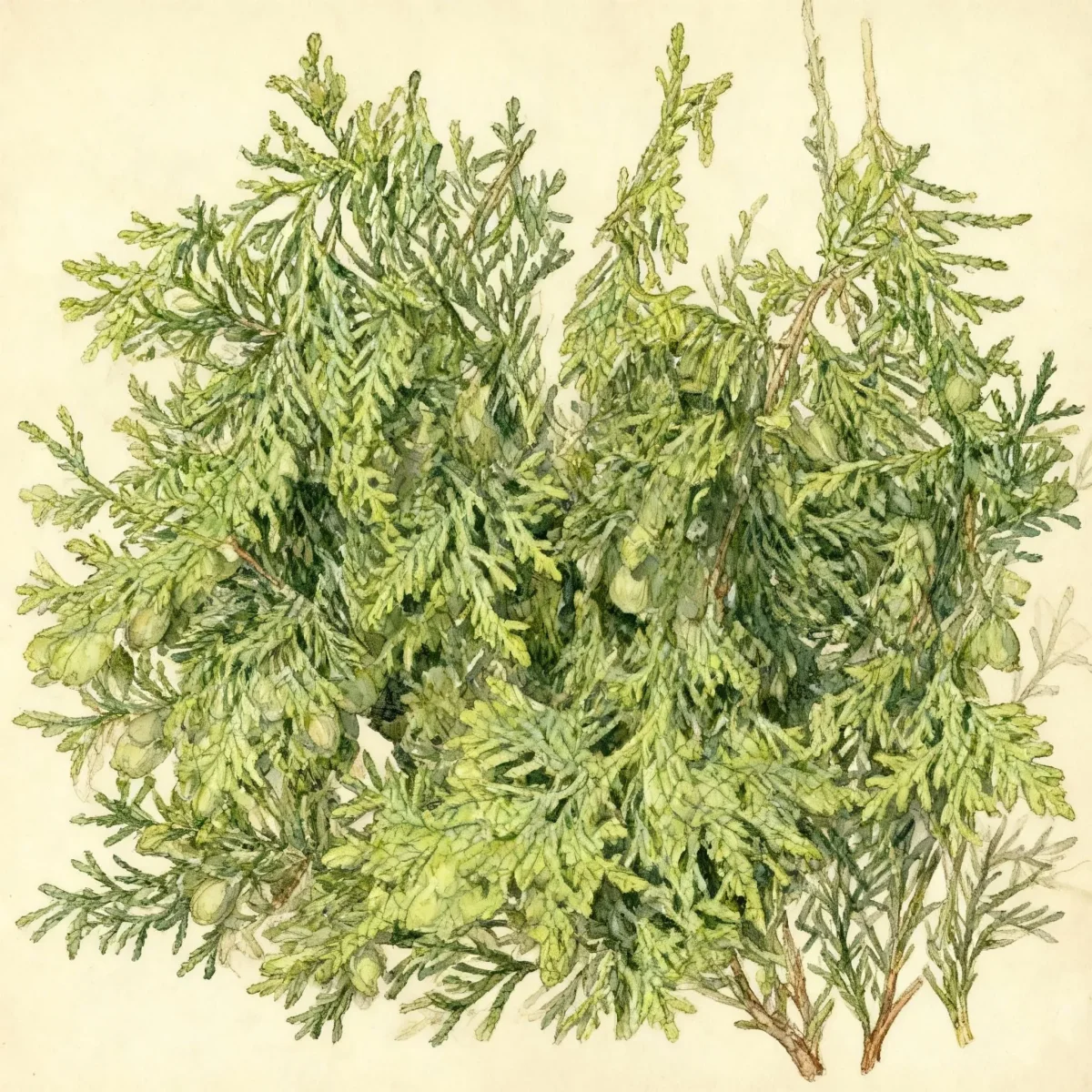
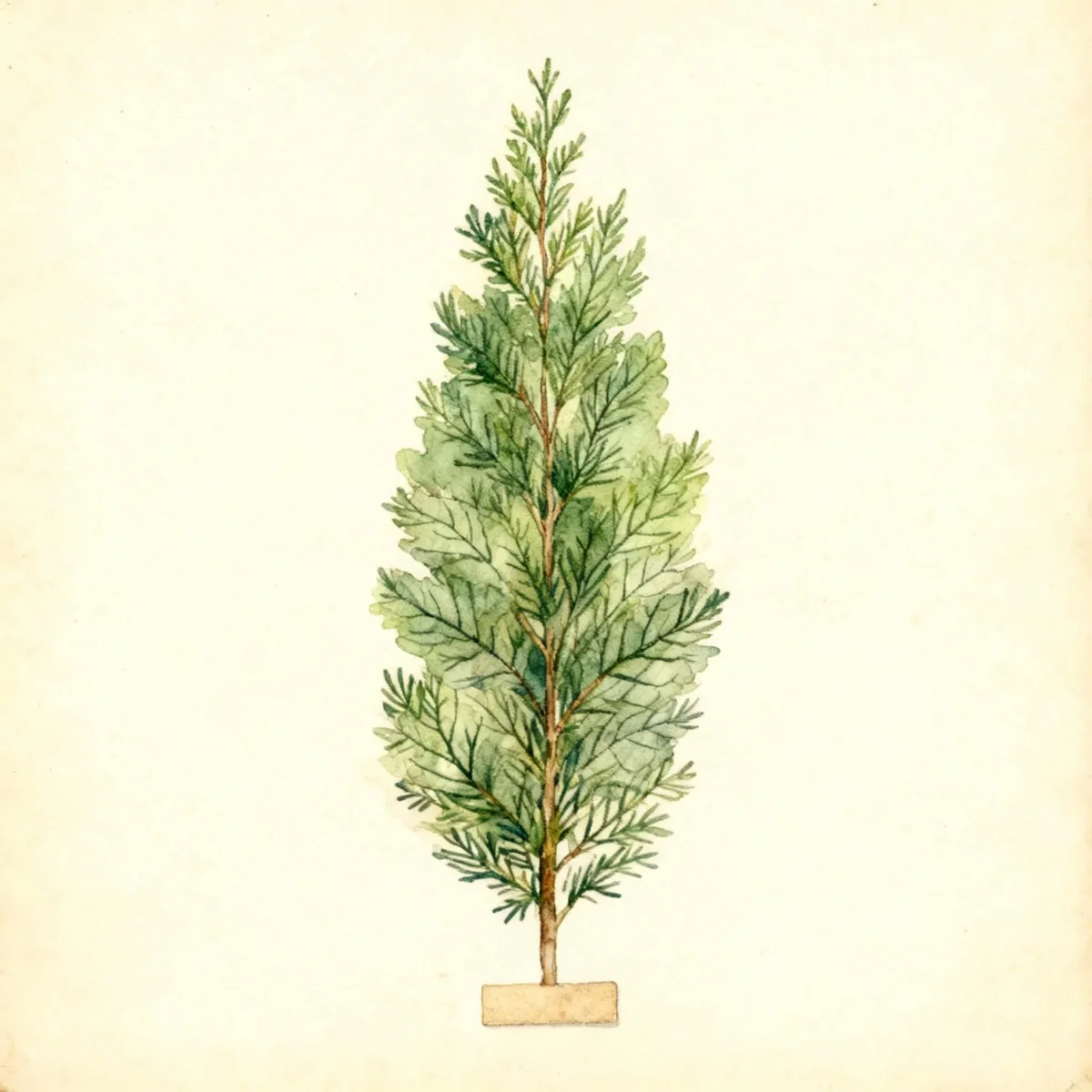
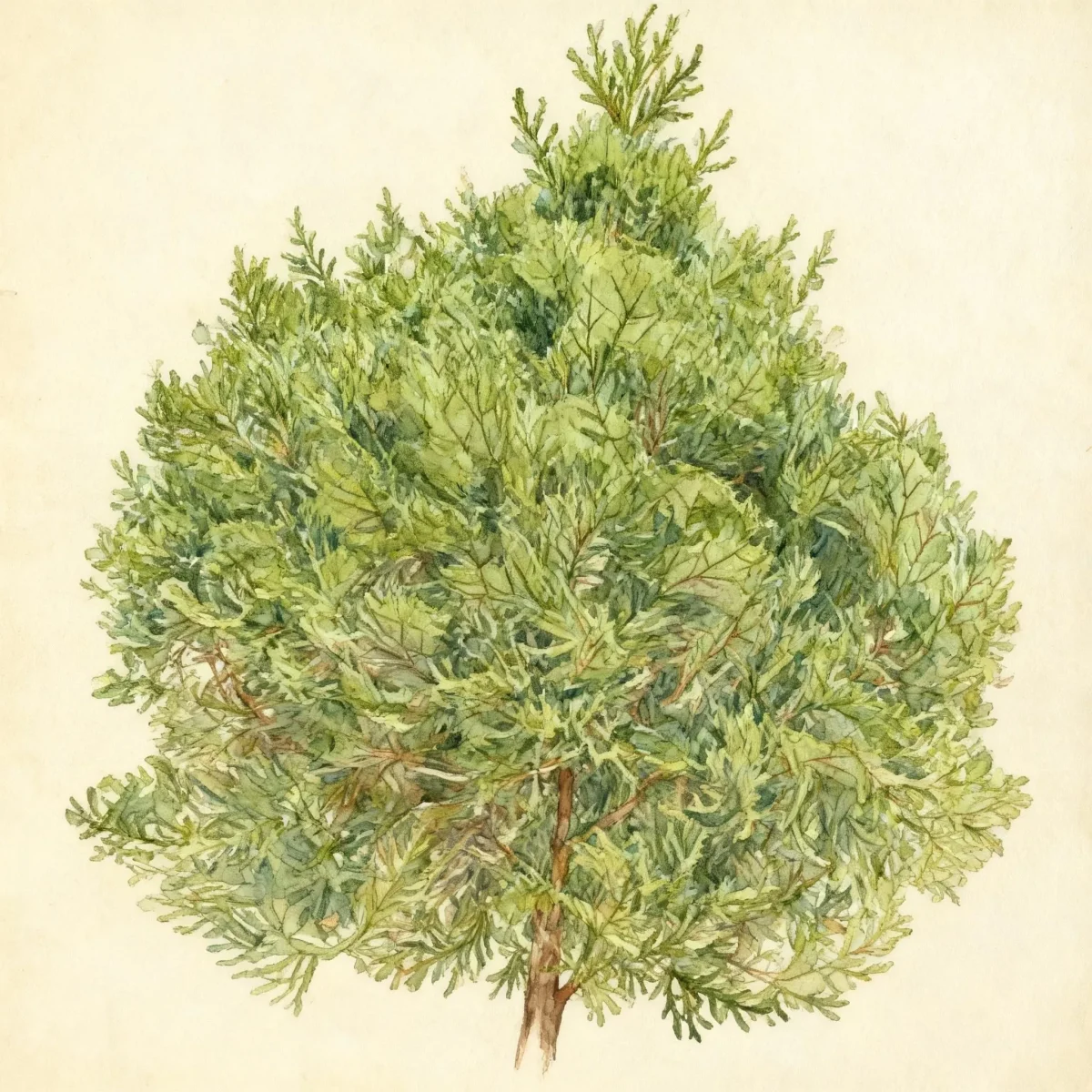
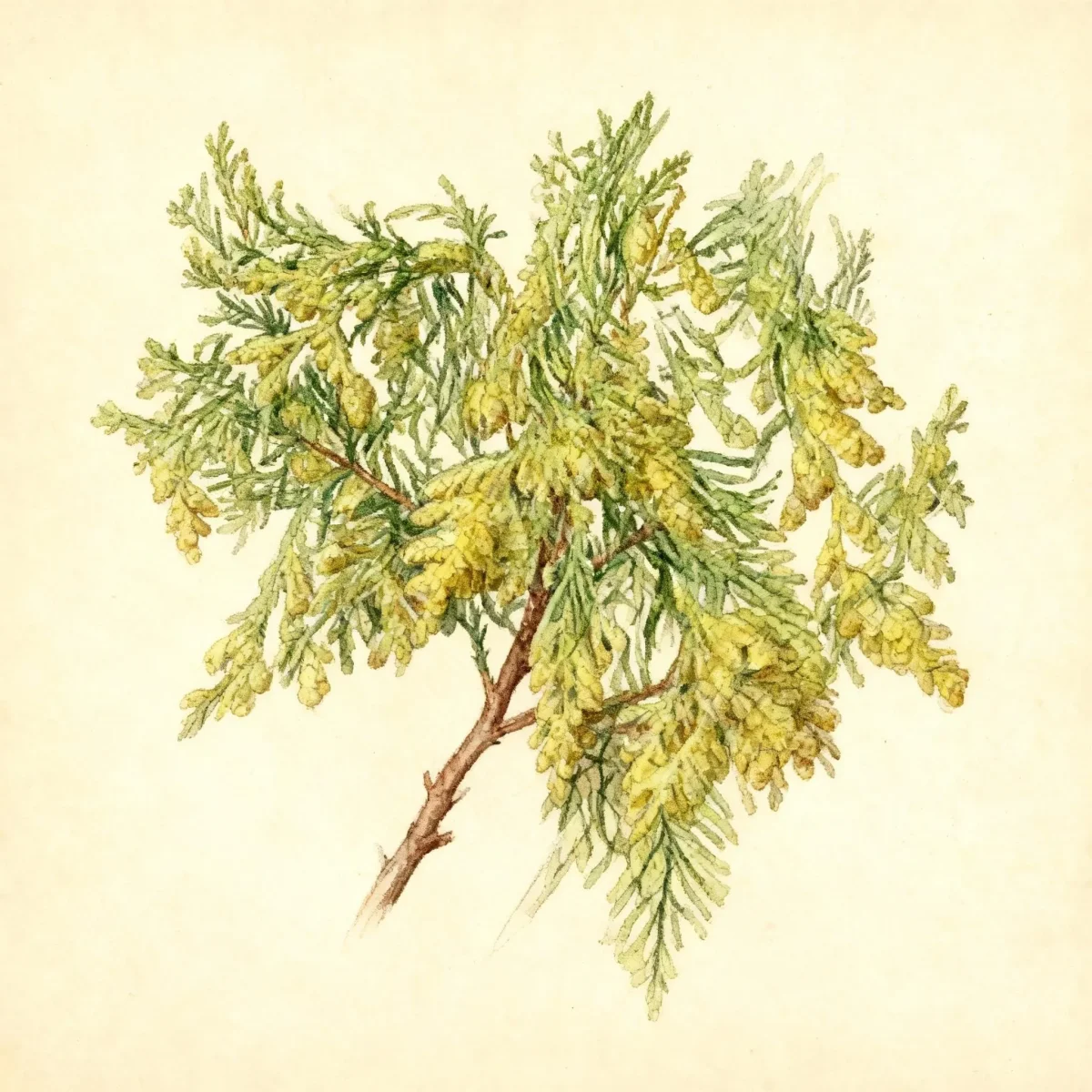
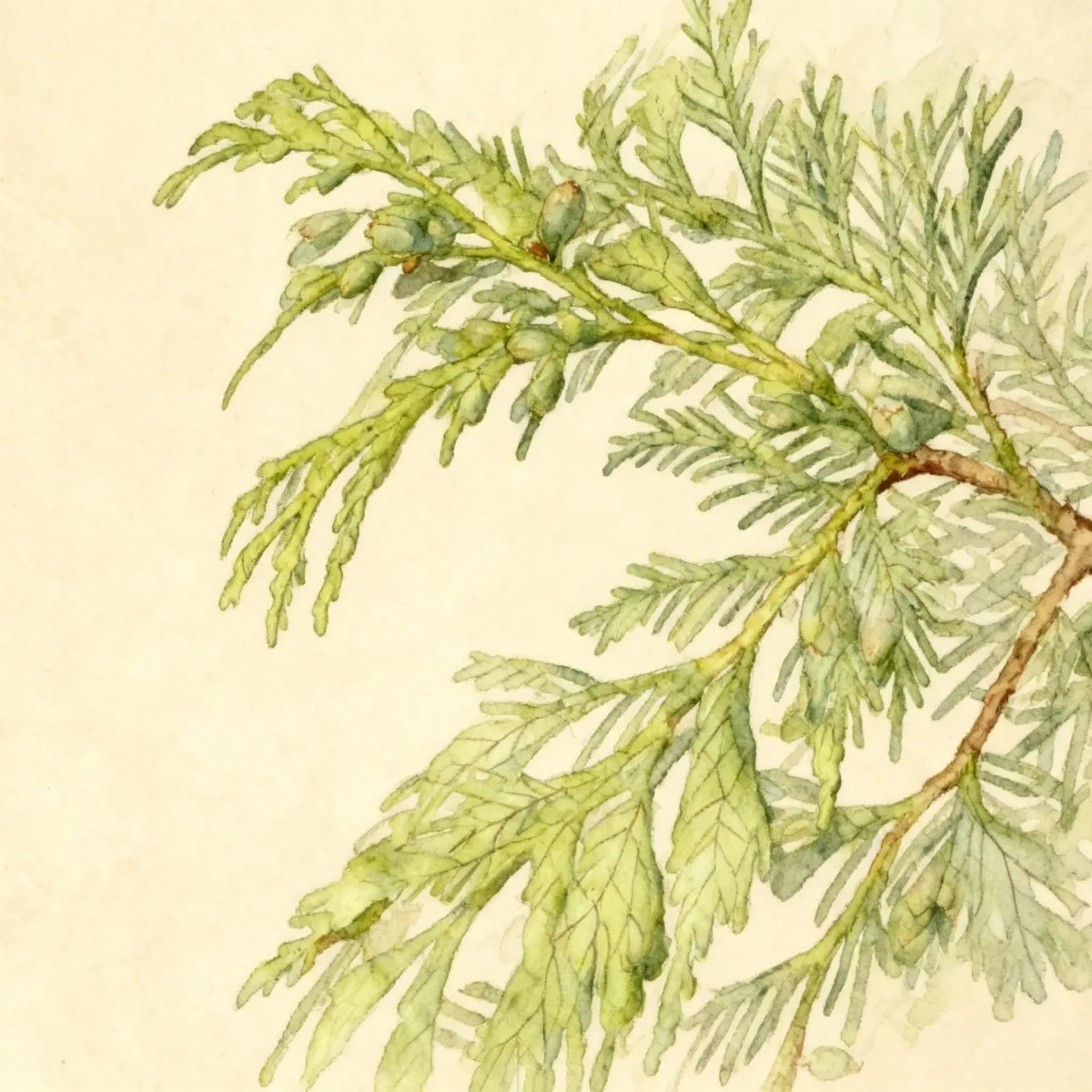
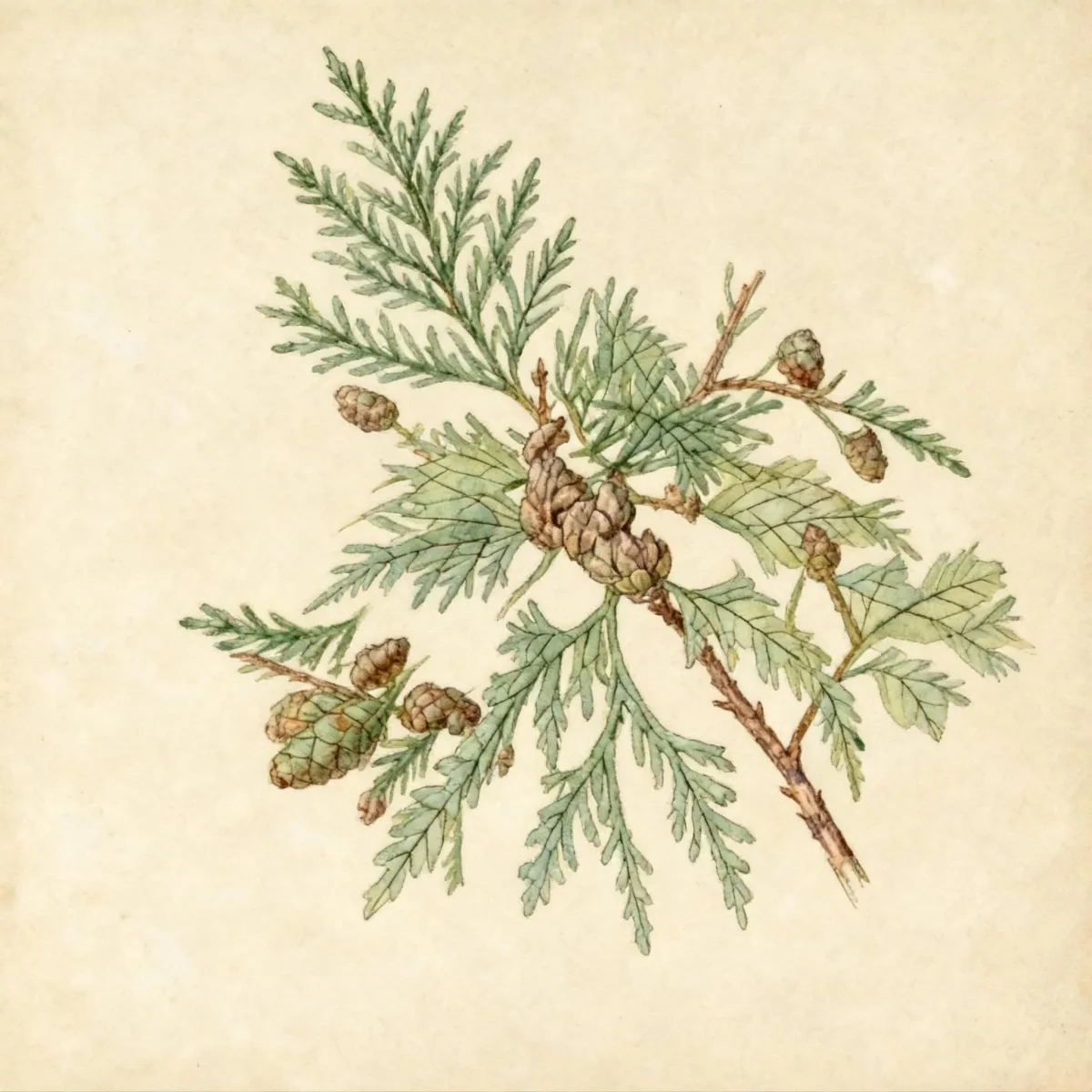
Thuja occidentalis, commonly known as American arborvitae, Eastern arborvitae, Eastern white cedar or Northern white cedar, is a dense, conical to narrow-pyramidal (sometimes maturing to broad-pyramidal), often single-trunked, evergreen tree. Scale-like, aromatic, yellow-green to green foliage appears in flattened sprays, and the species boasts red-brown bark that exfoliates on mature trunks. Early French settlers learned from Native Americans that its foliage treated scurvy, leading to the common name arborvitae, or “tree of life.”
Tolerances
- Clay Soil
- Wet Soil
- Black Walnut
- Air Pollution
Potential Problems
Leaf blight is a common issue where foliage develops spotting and subsequent dropping, often signaling overly damp conditions or poor air circulation. To manage this, ensure adequate spacing between plants, especially when using them for hedging, and clean up fallen debris promptly. Canker can also develop, presenting as sunken areas on branches or the trunk; prune out infected wood immediately, cutting into healthy tissue if necessary.
Insects occasionally pose minor threats; watch for leaf miners damaging the tips of the foliage, or persistent pests like bagworms, mealybugs, and spider mites. Minor infestations of these pests can usually be managed with strong streams of water or horticultural oils applied when temperatures are cool. Be prepared for winter burn, where exposed foliage turns yellow-brown; this is purely cosmetic and results from winter sun exposure combined with frozen soil preventing water uptake. Ice and heavy snow accumulation can cause structural breakage, requiring careful shaking out of heavy loads if possible.
Frequently Asked Questions
What hardiness zones is American arborvitae suitable for?
The American arborvitae is broadly suitable for USDA Zones 2 through 7, offering significant cold tolerance for northern gardeners.
How large does Thuja occidentalis grow?
In cultivation, Thuja occidentalis typically reaches heights between 20 and 40 feet, with a spread usually spanning from 10 to 15 feet wide.
What sun exposure does Thuja occidentalis need?
This plant performs best when situated in full sun, though it can tolerate partial shade; however, deep shade will significantly reduce its necessary foliage density.
When does American arborvitae bloom?
American arborvitae is a non-flowering needled evergreen; it produces small, inconspicuous cones instead of colorful blooms.
Conclusion
The American arborvitae offers unparalleled year-round structure, low maintenance needs, and significant tolerance for varied soil conditions, making Thuja occidentalis a dependable evergreen backbone for many landscapes. Before planting, confirm your site falls within USDA Zones 2-7 and that you can provide medium, consistent moisture. Plan your installation during the cooler months for the best chance of success establishing this vital landscape tree.
Companion Planting
Selecting companions for Thuja occidentalis involves focusing on plants that share its preference for medium moisture and adaptability to full sun or partial shade. Consider pairing it with plants that thrive in neutral to slightly alkaline soils, such as many varieties of Lilac (Syringa) or Coneflowers (Echinacea). For textural contrast, use plants with fine, airy leaves near the dense structure of the arborvitae.
If using American arborvitae as a backdrop for perennial borders, select bright annuals or perennials whose colors will pop against the deep greens of the evergreen foliage. Ensure that any companion planting does not overly crowd the base of the tree, as restricted air flow can exacerbate fungal issues on the Thuja occidentalis.
Seasonal Care Calendar
Spring is the ideal time for any necessary corrective pruning of Thuja occidentalis, focusing on removing any branches damaged during winter or trimming to maintain desired shape before the flush of new growth begins. Begin applying a slow-release, balanced fertilizer early in the season if soil fertility is low.
Summer care primarily revolves around monitoring water needs; while generally adaptable, consistent moisture prevents the stress that can invite pests or winter burn susceptibility. Avoid deep watering followed by long dry spells; aim for steady, medium uptake.
In the fall, ensure the tree has access to moisture before the ground freezes solid, which is crucial for evergreens absorbing winter sunlight. Water deeply one last time before the primary freeze. In exposed winter locations, consider placing burlap screens on the windward side to shield the foliage from drying winter winds.