Prickly cycad (Encephalartos altensteinii)
The Prickly cycad, Encephalartos altensteinii, is a slow-growing, ancient cycad needing Zones 10-12, valued for palm-like foliage and drought tolerance.
Scroll down to discover growing tips, care requirements, companion plants, and more
Complete Plant Information
Overview
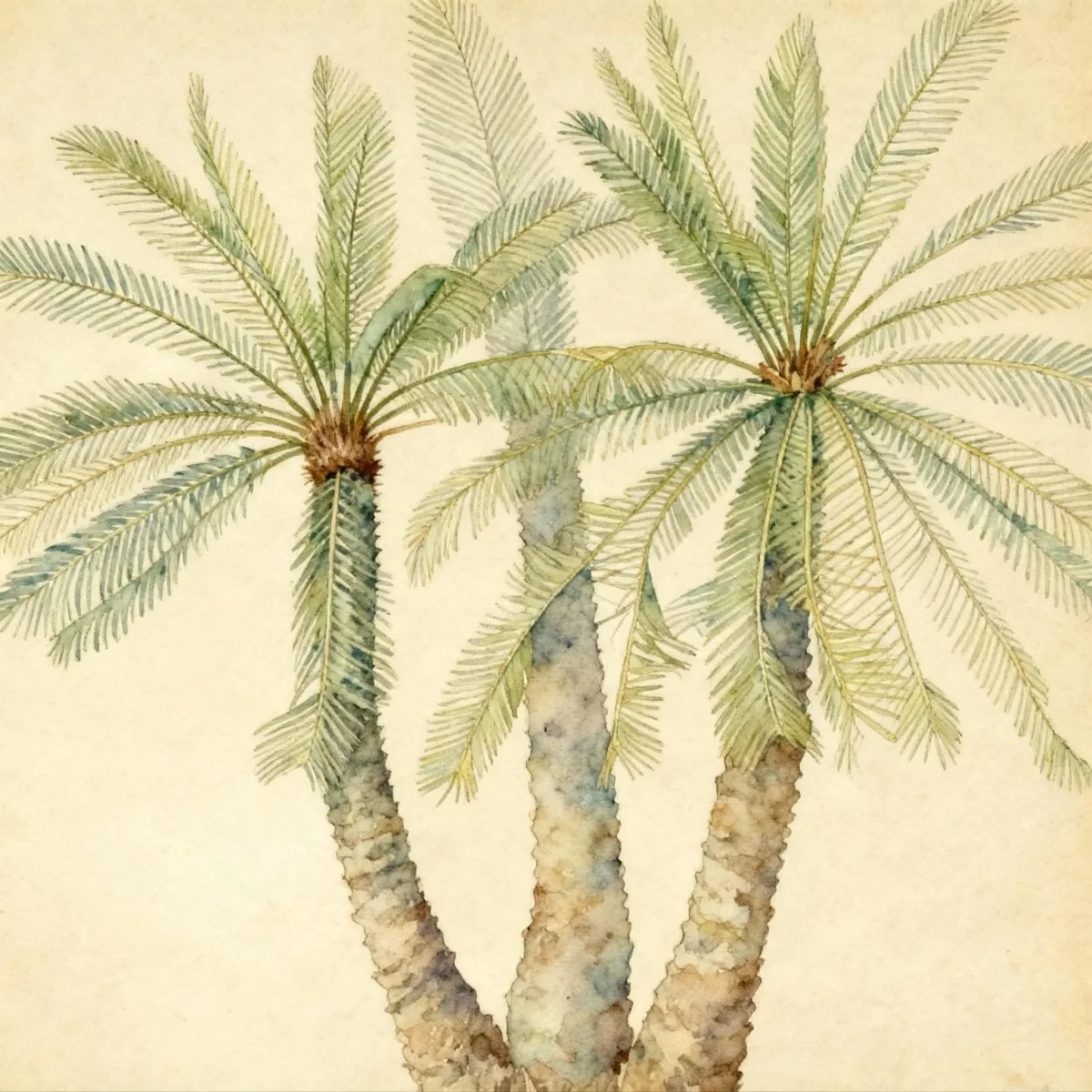
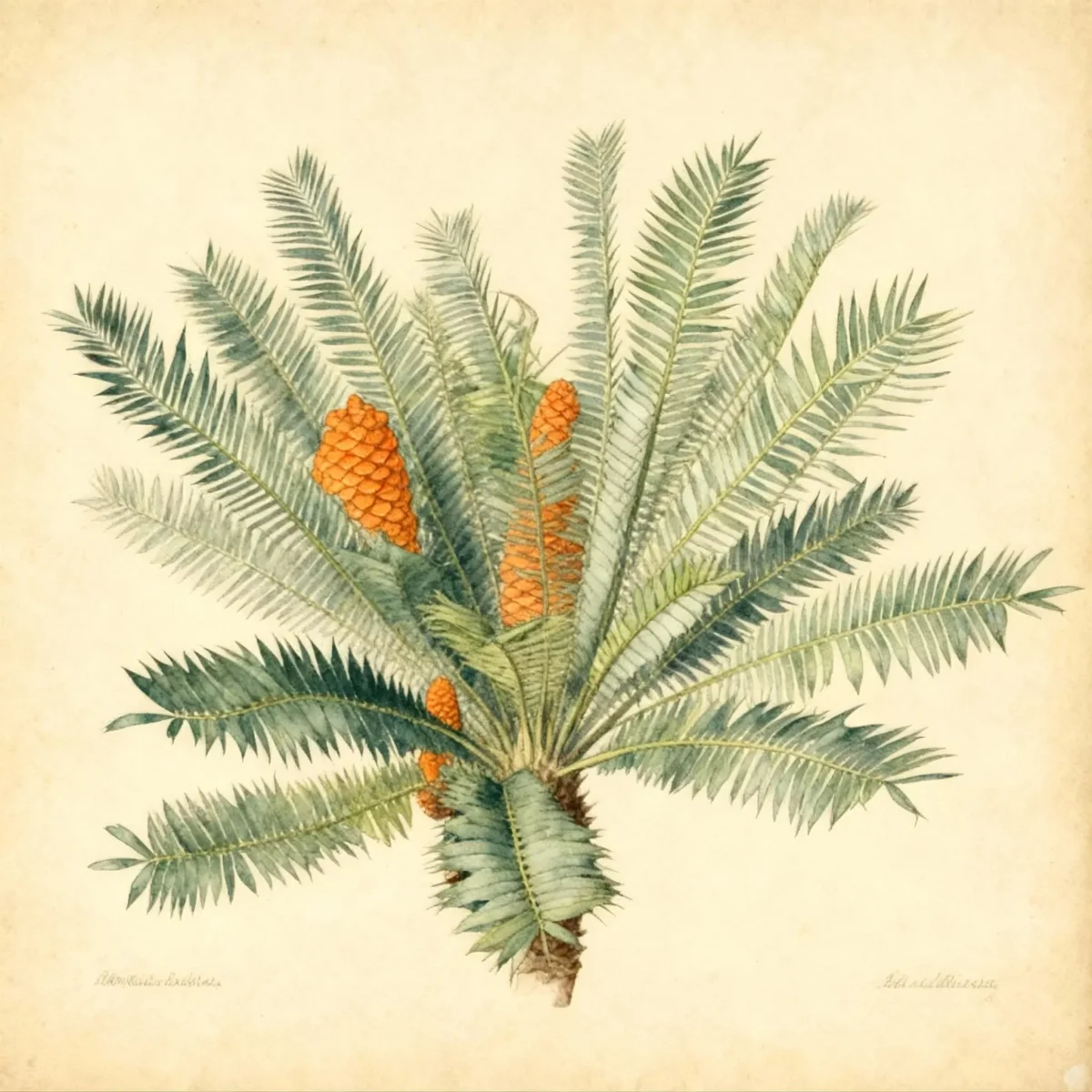
The Encephalartos altensteinii, commonly known as the Prickly cycad, is a magnificent, very slow-growing, evergreen specimen native to the Southern Africa region. It captivates gardeners with its stiff, pinnate, palm-like foliage, which forms a dense, upright crown of bright green, often prickly leaflets. This ancient plant commands attention, transitioning from a nearly trunkless form in youth to developing a stout trunk that may eventually recline as it matures.
Valued for its robust, architectural presence, the Prickly cycad offers aesthetic appeal without the fuss of regular annual flowering; indeed, Encephalartos altensteinii is noted for being non-flowering. Its resilience, particularly its drought tolerance once established, makes it a practical choice for landscape designers seeking dramatic, long-term focal points in frost-free environments.
This cycad provides a strong tropical or sub-tropical accent. Providing full sun to part shade exposure helps maintain its rich color, though gardeners should be mindful of its medium watering needs to ensure its best performance in well-drained soils.
Fast Facts
- Plant Family: Zamiaceae
- Plant Type: Palm or Cycad
- Native Range: Southern Africa
- Hardiness Zones: USDA Zones 10-12
- Size at Maturity:
- Height: 10-20 ft
- Spread: 8-15 ft
- Bloom Time: Non-flowering
- Bloom Description: Non-flowering
- Sun Exposure: Full sun to part shade
- Water Needs: Medium
- Maintenance Level: Medium
How to Grow
Planting Encephalartos altensteinii should be done when conditions are warm, allowing young specimens to establish roots before colder weather approaches, although this is less critical in its native Zones 10-12. It absolutely requires medium moisture and exceptionally well-drained loams; heavy, water-retentive soils must be avoided to prevent root issues. While it performs best with regular irrigation in moist soils, be sure to avoid overwatering, as the plant adapts well once established.
Care revolves around consistency rather than high input. Position the Prickly cycad where it receives its preferred sun exposure—full sun is acceptable, but it readily tolerates shade, which may soften the leaf coloration slightly. Maintenance is considered medium, primarily involving the clean-up of old, spent leaves or cones, as the plant is not generally heavy-feeding nor prone to severe issues.
Seasonal adjustments are minimal in tropical zones. If grown near the northern edge of its hardiness range (Zone 10), protect it from occasional light frost, which it can tolerate briefly. Otherwise, standard attention to its watering schedule, slightly reducing frequency during cooler, dormant periods, is sufficient.
Landscape Uses
The robust structure of the Prickly cycad makes it the perfect ornamental specimen for frost-free areas, serving as a magnificent focal point in mixed tropical beds or standalone features. Its slow growth rate ensures that once placed, it maintains its intended position for decades, offering consistent, ancient beauty.
For gardeners outside of USDA Zone 10, the versatility of the Encephalartos altensteinii shines in container culture. Young specimens thrive indoors in conservatories, warm greenhouses, or as impressive indoor potted plants, bringing dramatic texture to protected environments. As they mature, they can transition to sheltered outdoor patio spaces.
When integrating this cycad, consider pairing the stiff, dark green texture of the Prickly cycad with softer, contrasting foliage, such as broad-leafed tropicals or low-growing succulents that share similar drought tolerances.
Standout Features
Noteworthy Characteristics
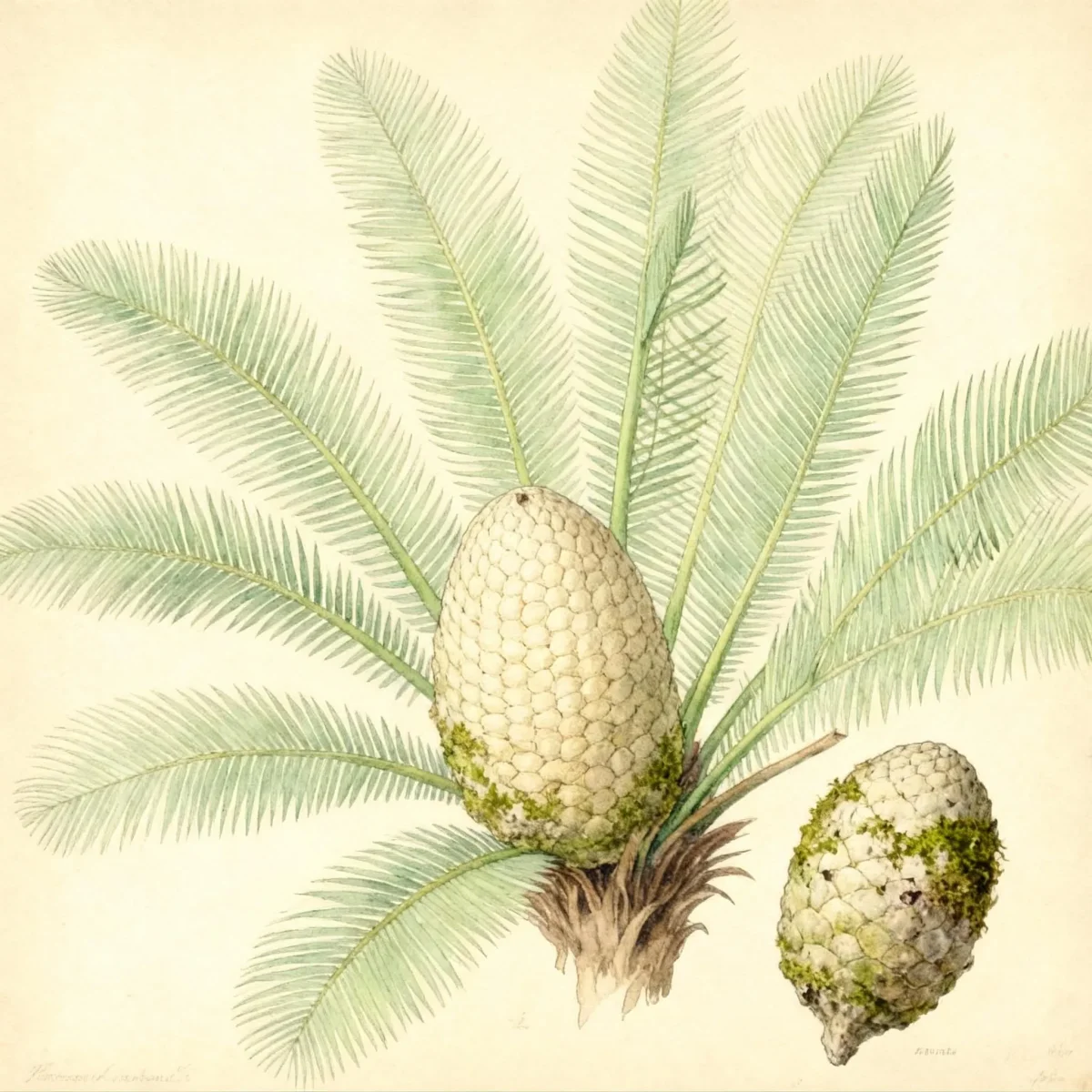
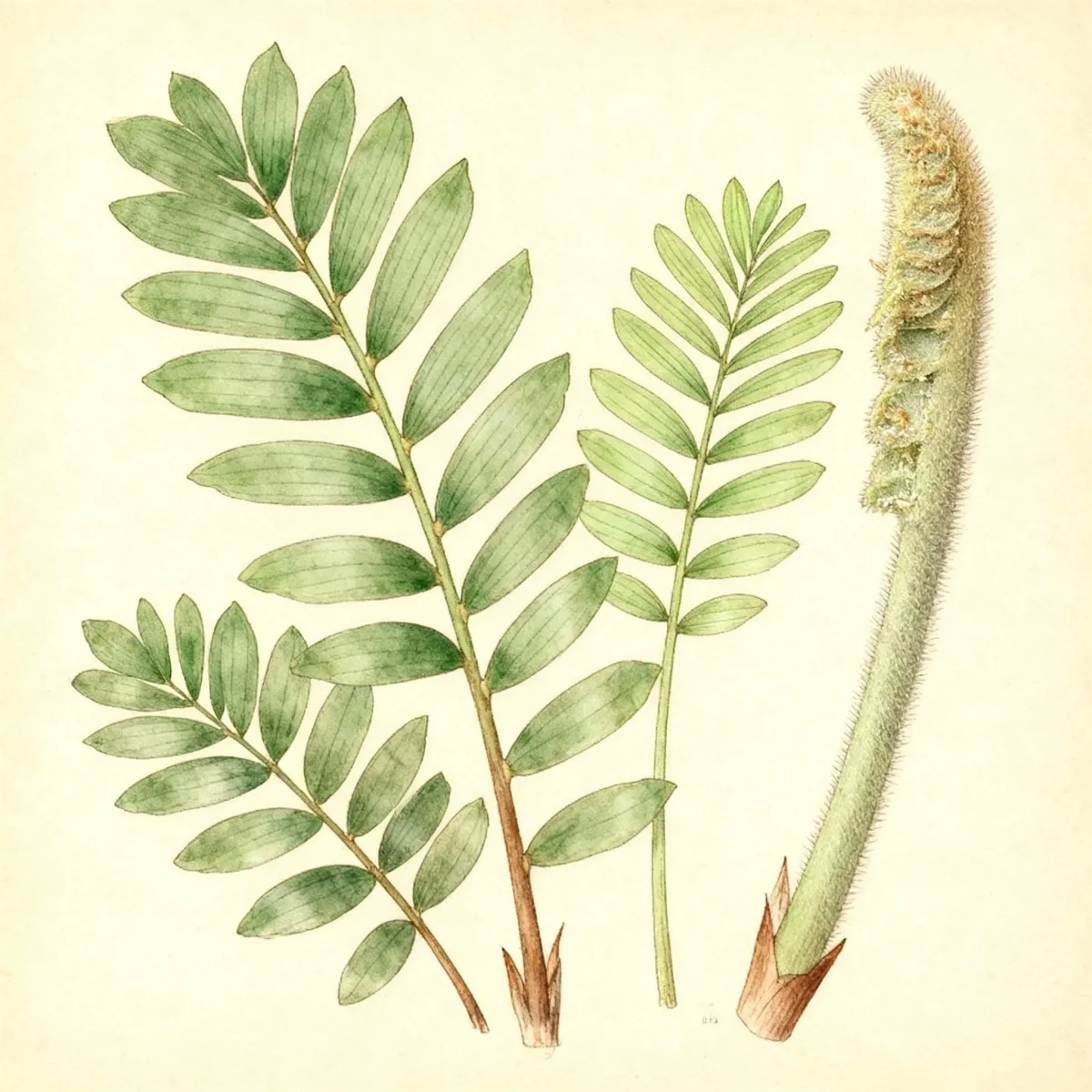
Encephalartos altensteinii, commonly called prickly cycad, is a very slow-growing, evergreen tree with palm-like foliage that is native to South Africa (East Cape Province). In the early years, this tree appears trunkless, producing stiff, pinnate, palm-like leaves with spiny bright green leaflets. Over time, a stout trunk begins to develop, eventually rising to 12-16’ tall, with mature leaves reaching up to 9’ long. The leaf margins are notable for the prickles on the leaflets, justifying the common name prickly cycad, and the species is dioecious, producing large, pineapple-like cones on female plants.
Tolerances
- Drought
Potential Problems
The Encephalartos altensteinii exhibits remarkable resilience, typically showing no serious insect or disease problems when grown in appropriate conditions. Vigilance concerning drainage remains the most critical aspect of management; poor drainage will invariably lead to root stress and potential decline faster than any pest issue. Ensure the soil drains freely, especially when growing this specimen in containers or restricted garden spaces.
Frequently Asked Questions
What hardiness zones is Prickly cycad suitable for?
The Prickly cycad is hardy in USDA Zones 10 through 12, making it suitable for year-round outdoor planting in subtropical and warmer climates.
How large does Encephalartos altensteinii grow?
This plant matures to a significant height, generally reaching between 10 and 20 feet tall, with a spread between 8 and 15 feet wide.
What sun exposure does Encephalartos altensteinii need?
Encephalartos altensteinii prefers full sun to partial shade; it appreciates protection if the sun exposure is extremely harsh or prolonged.
When does Prickly cycad bloom?
The Prickly cycad is noted for being non-flowering, meaning it does not produce traditional, noticeable blooms.
Conclusion
The Encephalartos altensteinii, or Prickly cycad, offers unparalleled textural drama and historic presence in subtropical landscapes, prized for its inherent drought tolerance and impressive palm-like crown. As a very slow-growing plant, careful planning regarding its final placement is essential, ensuring it has adequate space to achieve its mature height of up to 20 feet. Before planting, confirm your site falls within USDA Zones 10-12 to ensure the long-term success of this distinguished cycad.
Companion Planting
When designing a landscape featuring the rugged architecture of the Encephalartos altensteinii, selecting companions that complement its texture while sharing its cultural needs is key. Look for plants that thrive in well-drained soil and appreciate medium water when established, such as various subtropical succulents or architectural grasses that offer contrasting forms. Agaves, Yuccas, and certain drought-tolerant subtropical palms provide excellent visual counterpoints to the dense, whorled leaves of the Prickly cycad.
In areas where the cycad is grown in containers or conservatories, pairing it with smaller, richly colored bromeliads or ferns that tolerate varied light conditions can create a lush, layered tropical display around its base. Avoid placing it near shallow-rooted, thirsty annuals, as the cycad’s needs are for deep, less frequent watering once established.
Seasonal Care Calendar
Caring for Encephalartos altensteinii is generally straightforward throughout the year, focusing mainly on drainage and water management. During the active growing season, typically spring through fall (in Zones 10+), ensure uniform moisture with medium watering; this is when the plant utilizes irrigation most effectively. Avoid applying heavy fertilization; a low-nitrogen, trace-mineral application once in spring is often sufficient for this slow grower.
Winter care for the Prickly cycad revolves around protection from excess moisture and cold, particularly if situated in Zone 10. If frost is imminent, protect small specimens; however, established plants tolerate occasional light frost. Reduce supplemental watering significantly as temperatures drop, relying on the plant’s drought-tolerant nature to carry it through cooler, wetter months where root rot is a greater threat than dehydration.
Annual maintenance involves carefully removing any yellowing or dead leaves cleanly at the base of the crown to maintain the plant’s tidy appearance and prevent hiding pests. Since the Encephalartos altensteinii does not flower often, maintenance focuses entirely on maintaining the aesthetic quality of its distinctive foliage.