Cycad (Cycas rumphii)
The Cycas rumphii Cycad is a stunning, slow-growing tropical tree thriving in Zones 9-10, known for glossy foliage.
Scroll down to discover growing tips, care requirements, companion plants, and more
Complete Plant Information
Overview
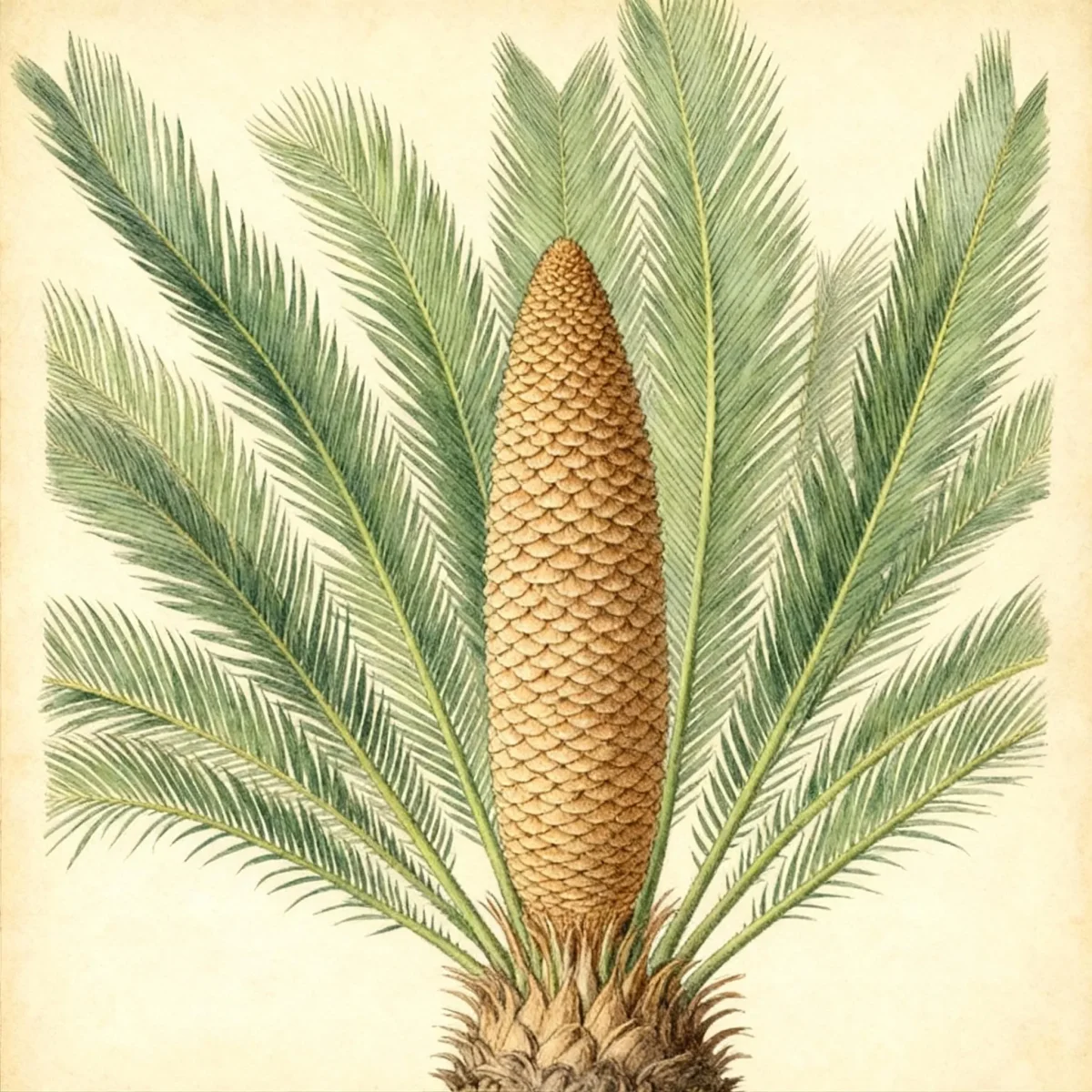
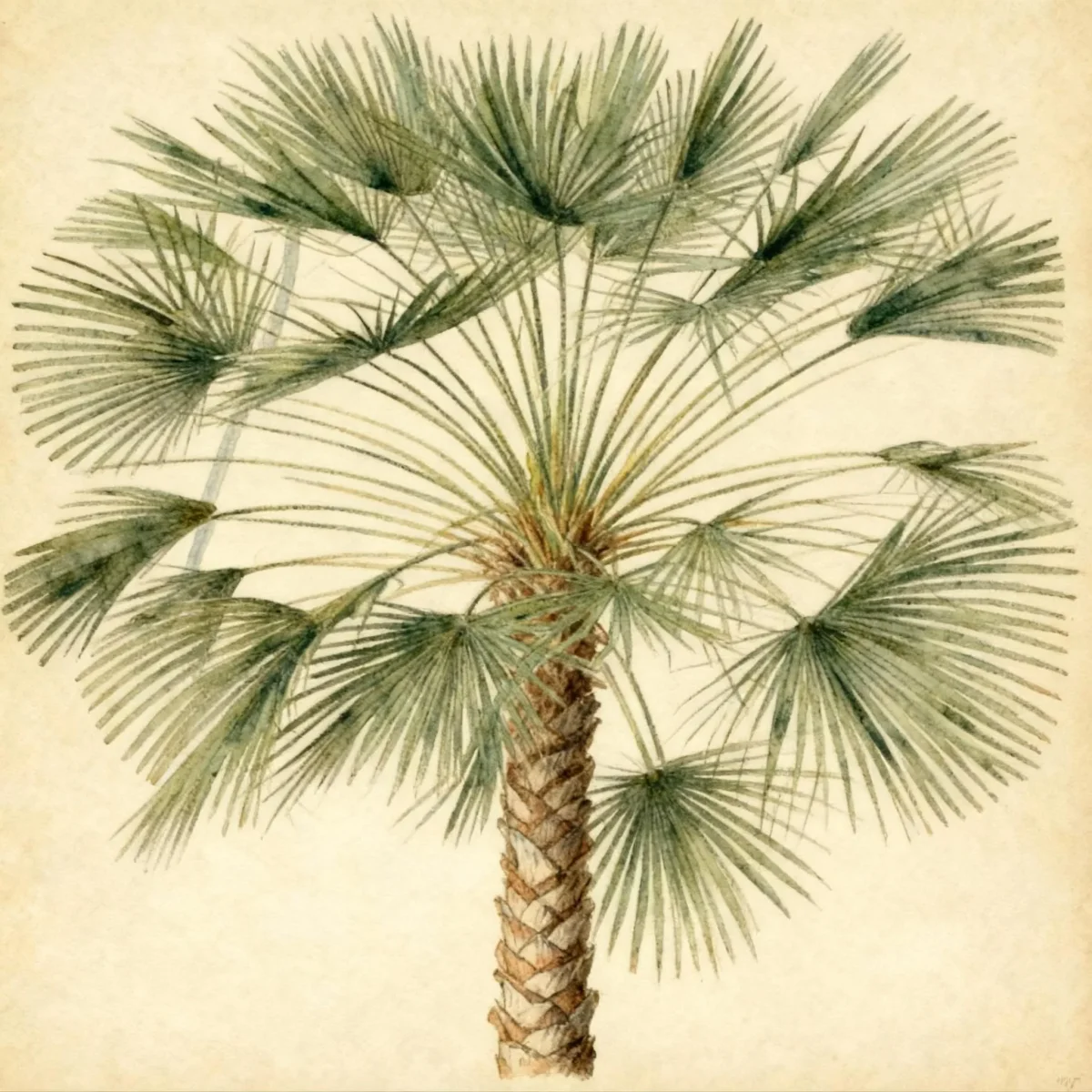
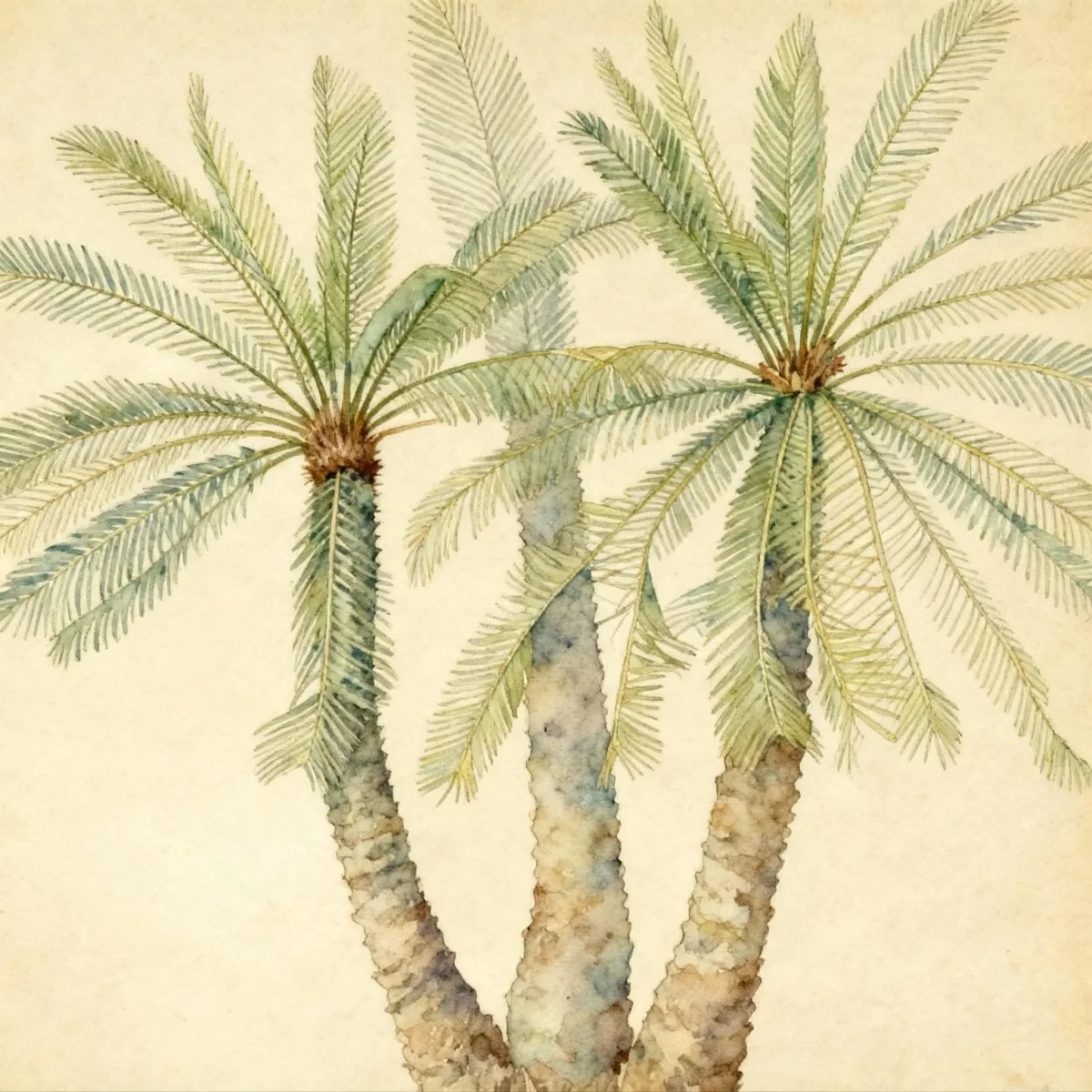
The Cycas rumphii, commonly known as the Cycad, brings striking architectural form to tropical and subtropical landscapes. Despite the common name “Queen sago palm,” this ancient plant is botanically distinct from true palms, offering a unique, prehistoric texture with its crown of stiff, glossy, pinnate leaves. Growing slowly over many decades, established specimens transform garden spaces into exotic sanctuaries.
This species, native to Indonesian coastal rainforests, is highly valued for its resilience once established. It prefers warm conditions, fitting well into USDA Zones 9 through 10 outdoors. While it carries a medium maintenance rating, understanding its soil and drainage needs is key to successfully growing this impressive Cycas rumphii.
Gardeners appreciate the consistency of the Cycas rumphii year-round, as it retains its brilliant green foliage indefinitely. It serves wonderfully as a focal specimen or structural element in large containers, providing long-term visual impact in the mixed border or as a solitary statement plant.
Fast Facts
- Plant Family: Cycadaceae
- Plant Type: Palm or Cycad
- Native Range: Indonesia, Papua New Guinea
- Hardiness Zones: USDA Zones 9-10
- Size at Maturity:
- Height: 20-33 ft
- Spread: 10-20 ft
- Bloom Time: Non-flowering
- Bloom Description: Non-flowering
- Sun Exposure: Full sun to part shade
- Water Needs: Medium
- Maintenance Level: Medium
How to Grow
For established outdoor planting of Cycas rumphii, select a location that offers excellent drainage, as superior soil drainage is non-negotiable for this Cycad. Planting is best done when the risk of frost has passed, ensuring the sandy, organically rich soil is prepared with plenty of amendments. While this Cycad tolerates full sun, it often performs best when given some relief from the harshest afternoon heat, preferring part shade, especially when younger.
Watering should be consistent but mindful of its medium needs; established plants can tolerate brief periods of drought. For container-grown specimens, which are often necessary outside of its hardiness range, use a soil mix amended with sand and peat. Indoor plants require regular and consistent moisture, allowing the soil surface to nearly dry between water applications, and they should be sited in filtered sun for several hours daily.
Cold protection is crucial for longevity. Plants dipping into the mid-twenties may sustain foliage frost damage, and sustained temperatures below 20 degrees F can be fatal to the Cycad. Apply a good layer of mulch annually to help moderate soil temperatures. Propagation usually occurs slowly via suckers or offsets near the base, or alternatively by seed.
Landscape Uses
The imposing structure and rich, dark green canopy make the Cycas rumphii an outstanding specimen plant. It excels as a focal point in minimalist tropical designs or as a dramatic accent in rock gardens where its coarse texture contrasts nicely with finer, softer plantings. Its significant height potential means it works well positioned in the middle or back of a shrub border where it can create vertical interest.
For a truly grand statement, planting a mature Cycad as a lawn specimen showcases its symmetrical habit perfectly. When grown in large containers—a necessity in cooler areas—it acts as movable architecture, defining patios or entryways. When planning its placement, remember its eventual spread of up to 20 feet and its strong preference for well-draining media, regardless of whether it is permanently sited or in a pot.
Standout Features
Noteworthy Characteristics
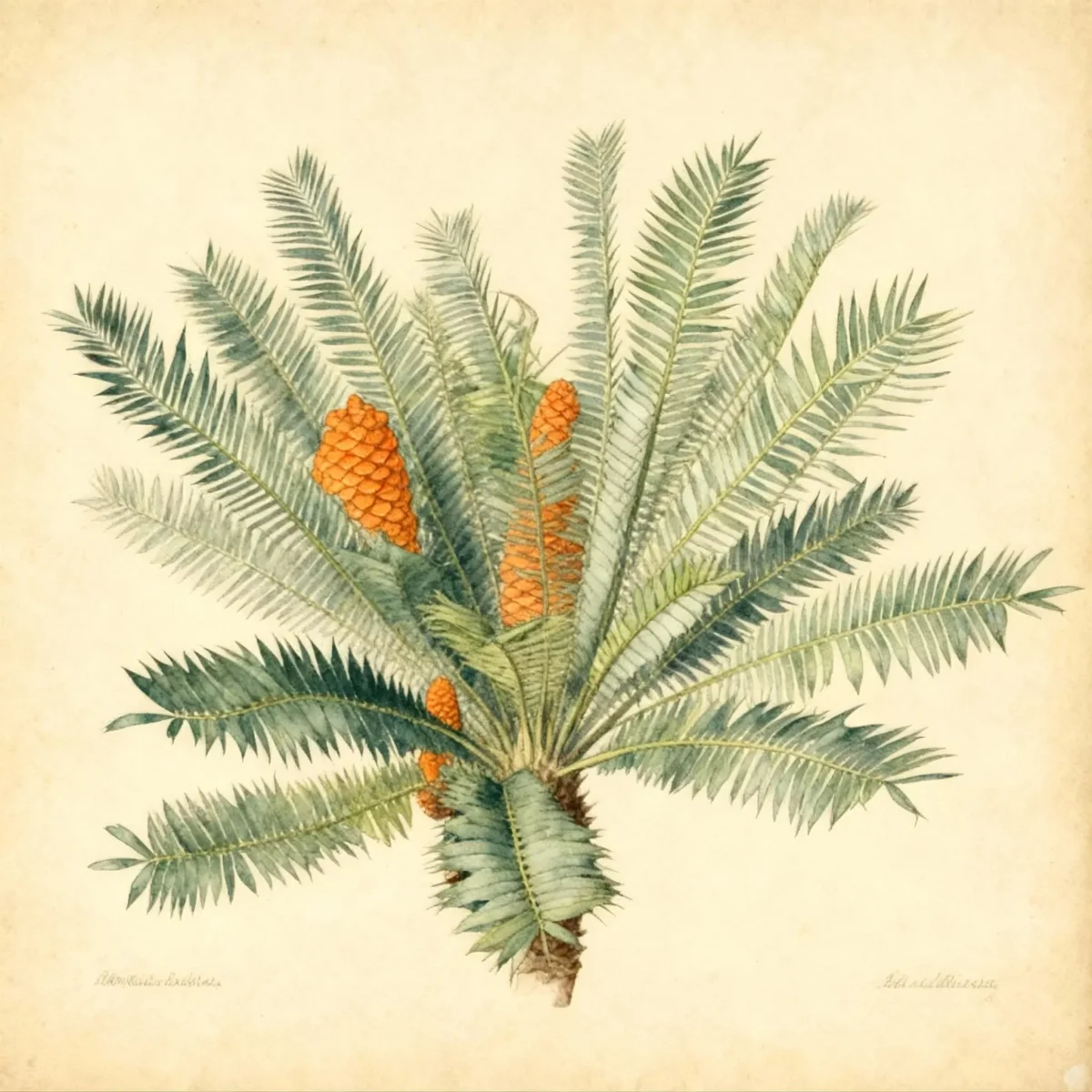
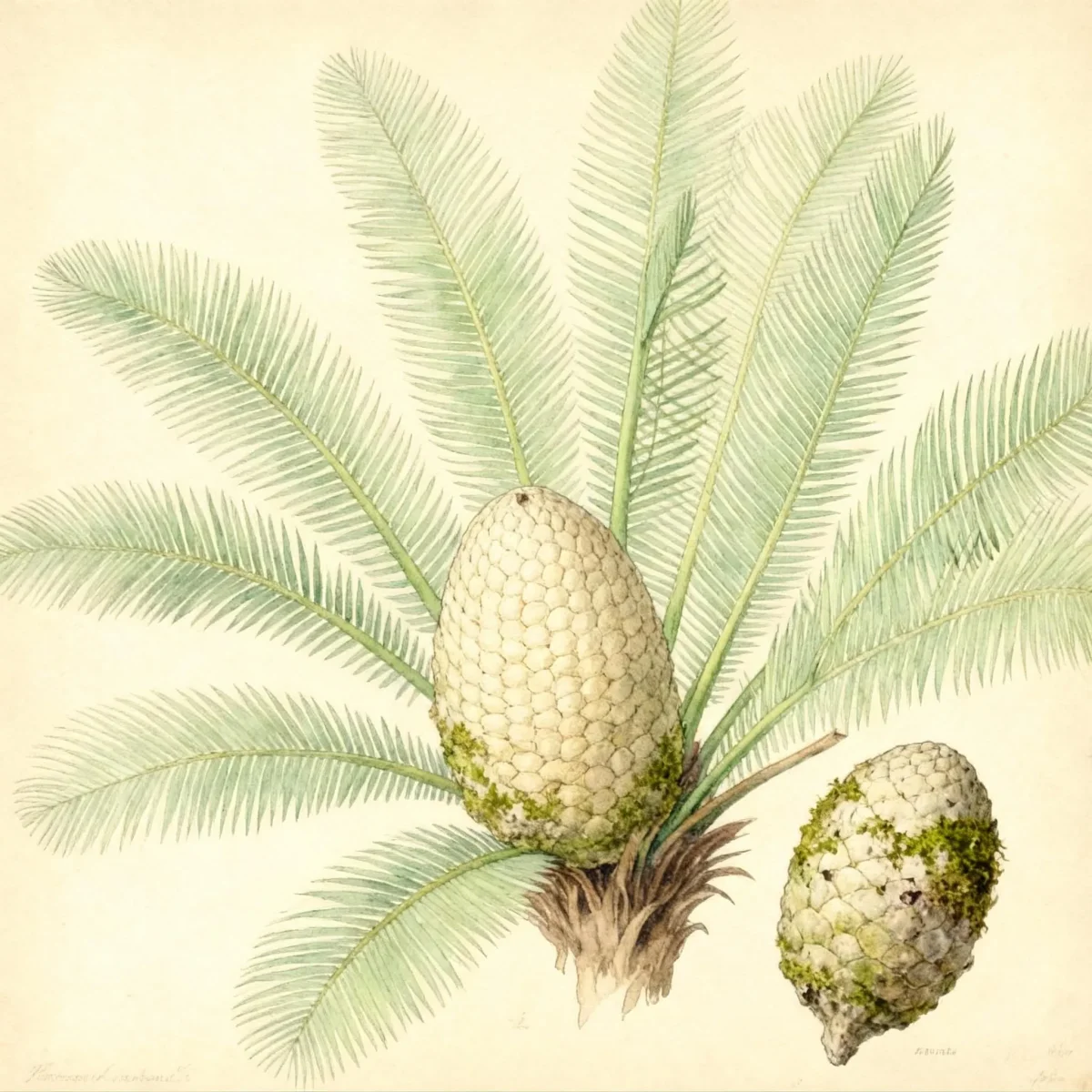
Notwithstanding the common name of Queen sago or Queen sago palm, this cycad is botanically closer to conifers than to palms. It is primarily native to coastal rainforest areas of the Molucca Islands, New Guinea, Sulawesi, Borneo and Java. It is a small tree that typically grows to 20-33’ tall, featuring an unbranched upright trunk of gray fissured bark topped by a crown of hard, glossy, palm-like, pinnate-compound, bright green leaves. Each frond grows to 8’ long and features 150 to 200 hard, glossy, falcate leaflets with each leaflet becoming spiny near its base.
Tolerances
- Drought
Potential Problems
The main concerns for keeping your Cycas rumphii happy involve pest management. Be vigilant for infestations of scale and mealybugs, which can cling to the trunk and the undersides of the large fronds. Spider mites are also frequently reported as problematic, especially when the plant is grown indoors in dry winter air. Regular inspection, followed by horticultural oil treatments or strong streams of water for immediate removal, is the best defense against keeping this stately Cycad pest-free.
Frequently Asked Questions
What hardiness zones is Cycad suitable for?
The Cycas rumphii is generally hardy in USDA Zones 9 through 10, although careful protection might allow survival in very sheltered areas of Zone 8.
How large does Cycad grow?
This slow-growing Cycad typically reaches mature heights between 20 and 33 feet, with a spread often extending 10 to 20 feet wide.
What sun exposure does Cycad need?
The ideal sun exposure for Cycas rumphii is full sun to part shade, though many growers find it performs best when protected from the most relentless afternoon sun.
When does Cycad bloom?
This plant is classified as non-flowering, meaning it does not produce colorful or fragrant blooms in the garden setting.
Conclusion
The Cycas rumphii offers unparalleled classic tropical structure, making it a superb long-term investment for subtropical gardens that match its requirements. Its striking silhouette and ability to handle some drought once established solidify its status as a premier specimen plant. Before planting your new addition, confirm your location falls within USDA Zones 9 or 10 to ensure the best chance of outdoor success for this ancient Cycad.
Companion Planting
When integrating Cycas rumphii into your landscape, strategic companion planting enhances its visual impact and fits its cultural needs. Because this Cycad requires excellent drainage and prefers similar conditions, pair it with other drought-tolerant, tropical-looking plants. Consider using Mondo Grass (Ophiopogon japonicus) or low-growing Agaves for contrasting texture directly beneath its canopy, creating a clean, textural base layer.
For larger groupings, robust bromeliads or structural succulents that thrive in bright, filtered light function well as mid-story plantings around the base of a larger specimen. Avoid aggressive spreaders or plants that require perpetually soggy conditions, as these will compete poorly with the Cycas rumphii’s need for aeration around its roots and will mask the beauty of its suckering base.
Propagation Tips
While purchasing established nursery stock is the norm, experienced gardeners can propagate this very slow-growing Cycad through two primary methods. The most accessible method is vegetative propagation via offsets or “suckers” that develop on the trunk base. These offsets should be severed carefully when they reach a reasonable size, ensuring they have a small portion of root tissue attached, and then allowed to callous slightly before planting in porous soil.
The second method involves seed collection, though this requires both a male and a female plant nearby to ensure pollination. Seeds from the female cones mature to a reddish-brown color. Growing Cycas rumphii from seed is an extremely slow process, often taking many years before visible growth appears, demanding immense patience from the propagator.