Apple mint (Mentha suaveolens)
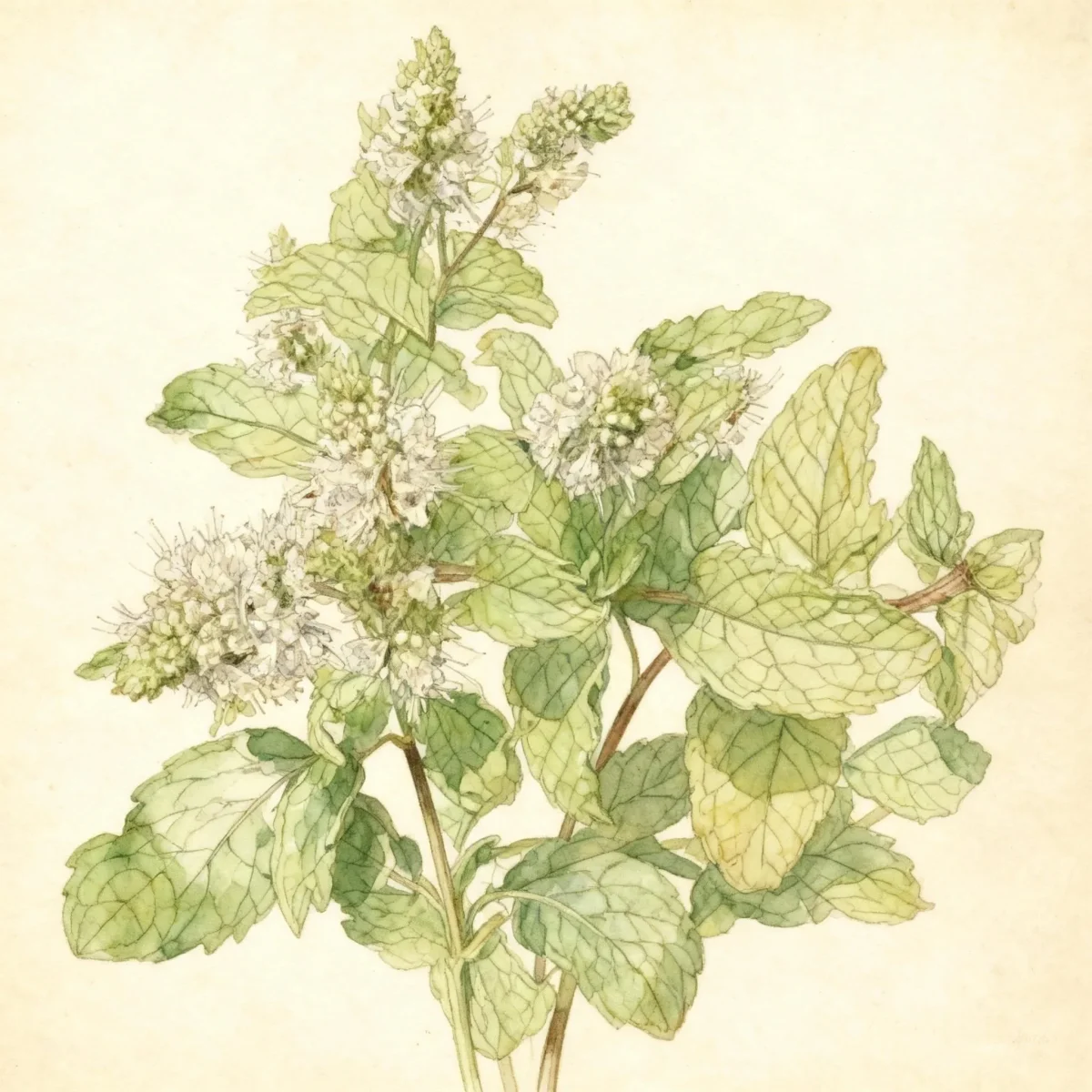
Apple mint (Mentha suaveolens) is a fragrant, rhizomatous perennial perfect for moist areas, offering fruity-scented leaves.
Scroll down to discover growing tips, care requirements, companion plants, and more
Complete Plant Information
Overview
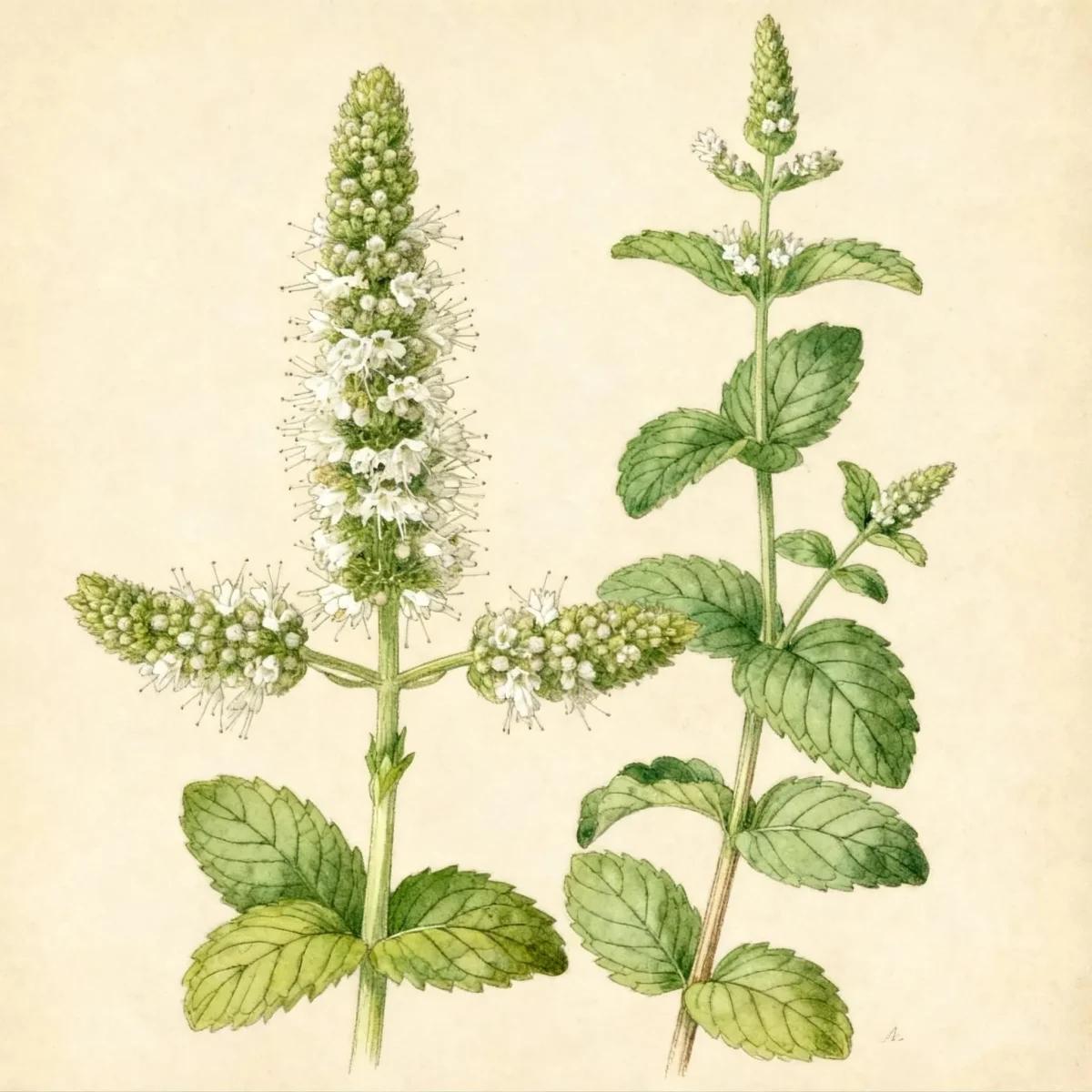
Apple mint, scientifically known as Mentha suaveolens, is a highly valued herbaceous perennial prized for its culinary applications and vigorous ground-covering habits. This species is easily recognizable by its soft, roundish, light green leaves which carry a distinct fruity fragrance and flavor, making it superior for many tea and garnish applications compared to standard peppermint. Native to Southern and western Europe, Mentha suaveolens establishes quickly, typically reaching 1 to 2 feet tall.
As a rhizomatous perennial, it spreads readily, which makes it an excellent choice for filling large, moist areas where you need quick coverage, though containment may be necessary in formal beds. Even beyond its use as a flavorful herb, this plant contributes aesthetic value with its upright habit and summer blooms of pink to white flowers. Gardeners appreciate Mentha suaveolens because it thrives in conditions that distress many other herbs, specifically in medium to wet soils.
This variety of mint offers both utility as a functional herb and visual appeal as a spreading ground cover. Its resilience in moist environments and its notable fragrance ensure that Apple mint remains a staple in herb gardens and informal landscapes across USDA Hardiness Zones 5 through 9.
Fast Facts
- Plant Family: Lamiaceae
- Plant Type: Herbaceous perennial
- Native Range: Southern and western Europe
- Hardiness Zones: USDA Zones 5-9
- Size at Maturity:
- Height: 1-2 ft
- Spread: 1-2 ft
- Bloom Time: July to August
- Bloom Description: Pink to white
- Sun Exposure: Full sun to part shade
- Water Needs: Medium to wet
- Maintenance Level: Medium
How to Grow
For optimal growth, plant Mentha suaveolens in rich, moist soils. This herb adapts well to a wide spectrum of conditions but strongly dislikes dry soils, preferring bright morning sun or dappled afternoon shade. Planting is best done in the spring after the last frost, giving the rhizomes time to settle before the summer heat sets in.
Watering should be consistent, maintaining medium to wet soil moisture, especially during dry spells, as this plant inherently prefers damp conditions. Fertilization is usually unnecessary if the soil is rich, but a light top-dressing of compost in the spring can support vigorous growth. Maintenance for this Mentha suaveolens variety is straightforward; large plantings may be sheared after flowering to encourage fresh, tender vegetative growth and remove spent flower spikes.
Because the rhizomatous spread of Apple mint can be aggressive, strategic placement is key. If you wish to integrate it into border plantings, consider installing soil barriers beneath the soil line to effectively restrain its spread and prevent it from overwhelming neighboring plants. This practice ensures the plant remains a manageable ground cover rather than an invasive nuisance.
Landscape Uses
Apple mint excels in landscape settings that mimic its native preference for moisture. It is highly recommended for use in herb gardens where its fragrance can be easily enjoyed, and it performs admirably as a spreading ground cover in informal, moist locations. Consider naturalizing Mentha suaveolens along pond margins, in rain gardens, or in low woodland areas where soil moisture persists.
When using Apple mint as a ground cover, pair it with complementary textures that don’t require the same high moisture levels or, conversely, with other moisture-loving perennials that appreciate similar conditions. Its upright habit provides vertical contrast to flatter ground covers. While excellent in the soil, the vigorous growth of this variety also makes it a popular choice for large containers, provided they receive regular, ample watering.
Incorporating this aromatic herb into edible landscapes adds both fragrance and flavor versatility. The foliage of Mentha suaveolens is excellent for infusing summer drinks or garnishing dishes with a sweet, fruity note.
Standout Features
Flower Qualities
- Showy
Noteworthy Characteristics
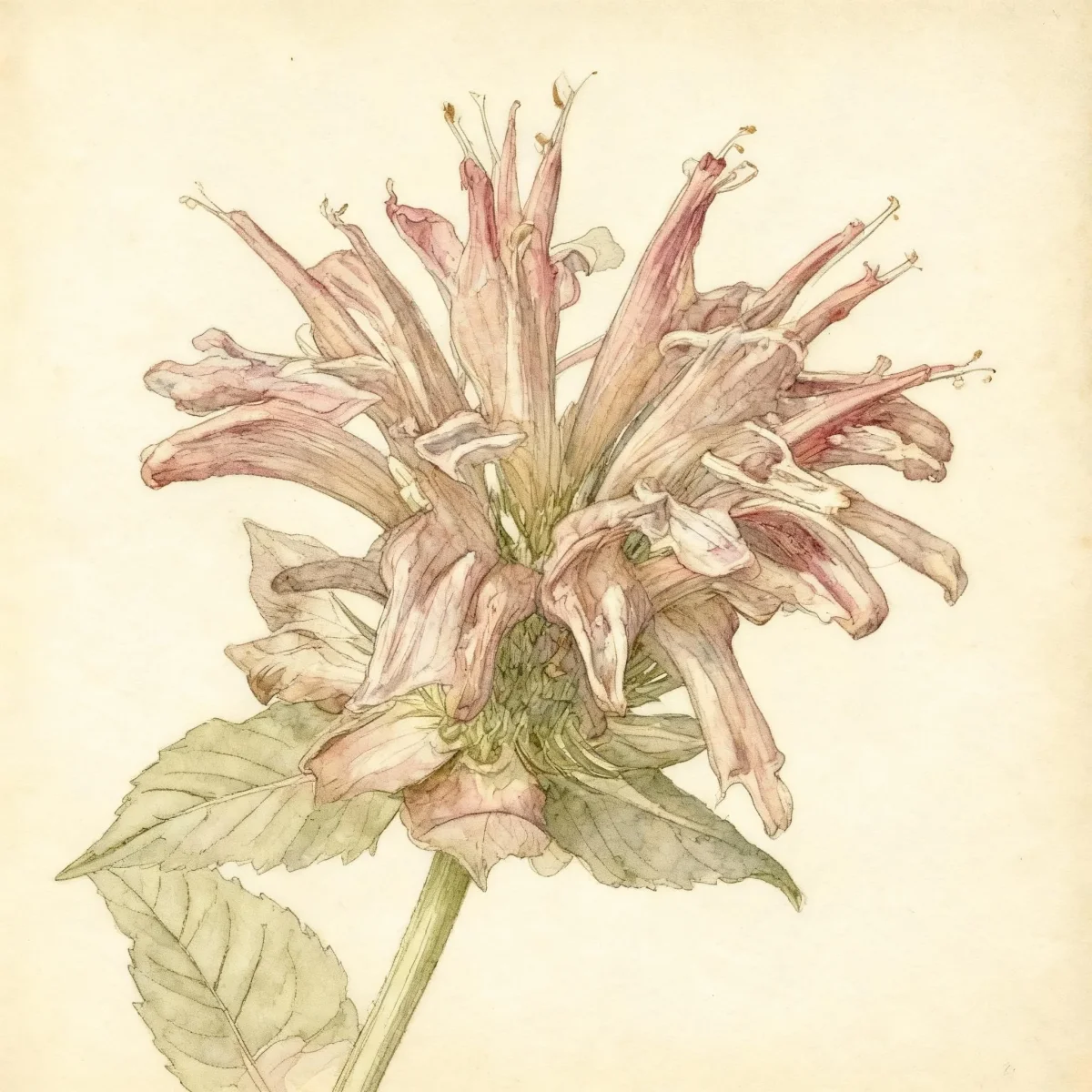
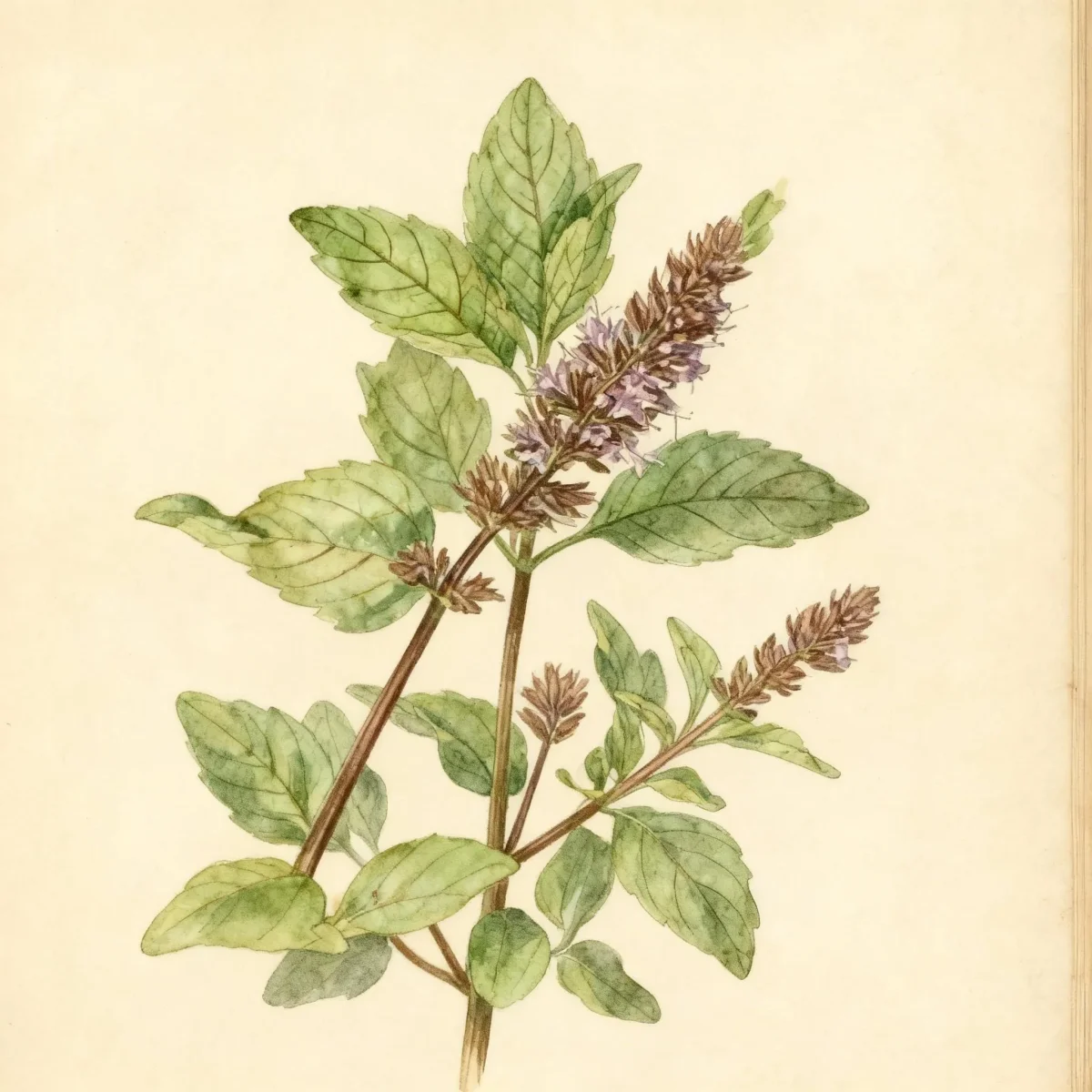
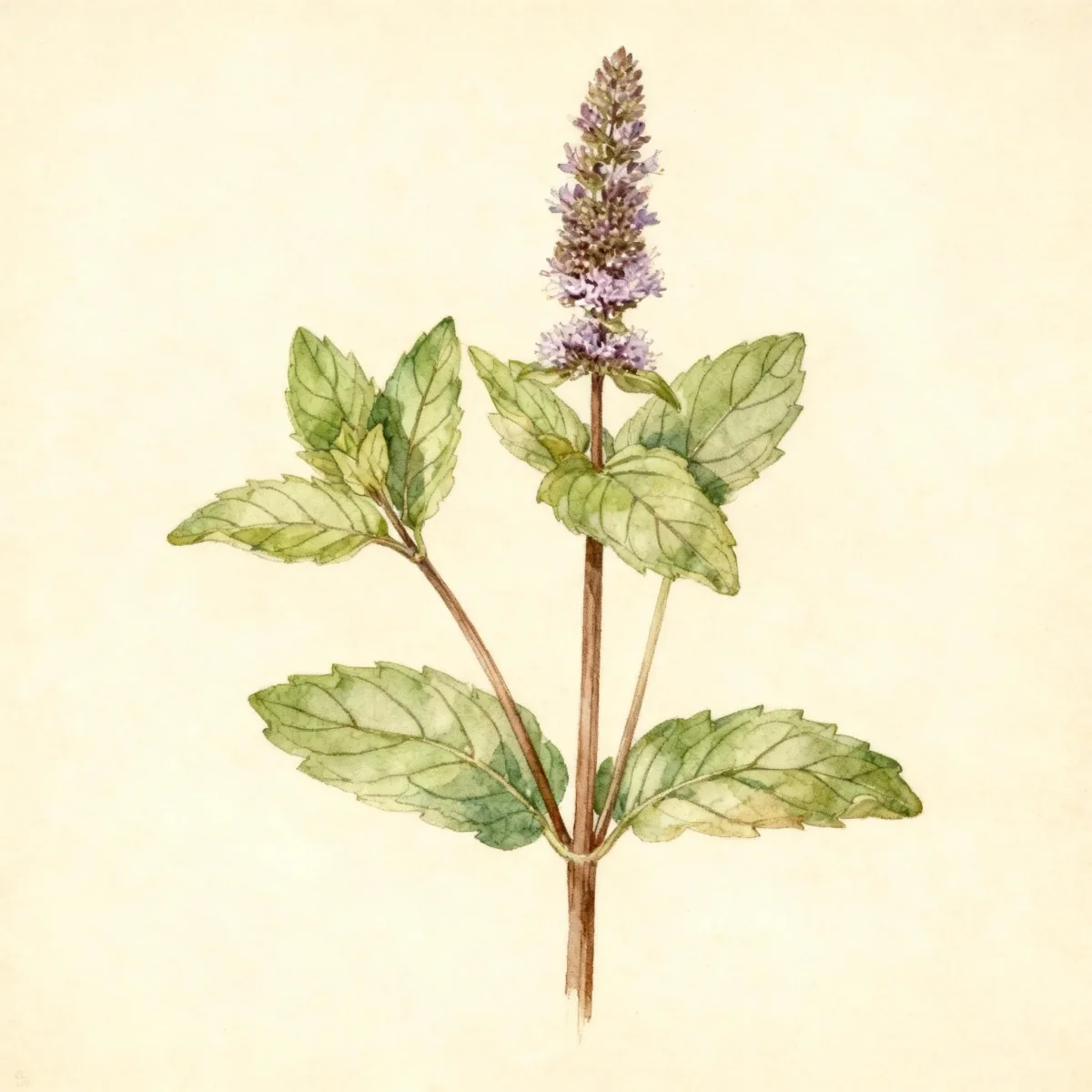
Mentha suaveolens, often called apple mint, is a rhizomatous, upright perennial which is most commonly grown as a culinary herb and/or ground cover. Features oblong to ovate light green leaves (to 2” long) and terminal spikes of small pink to white flowers in summer. Leaves have a fruity fragrance and taste, and may be used to flavor teas or in salads or as a garnish.
Tolerances
- Rabbit
- Deer
- Wet Soil
Potential Problems
Mentha suaveolens generally experiences no serious insect or disease problems, which is a significant advantage for low-maintenance gardening. The primary management concern for this plant is its potential to become an aggressive spreader due to its vigorous rhizomatous nature. To prevent unwanted colonization, planting in containers or using physical barriers sunk into the ground is highly recommended, especially in border situations.
Frequently Asked Questions
What hardiness zones is Apple mint suitable for?
Mentha suaveolens is hardy and reliably perennial in USDA Zones 5 through 9.
How large does Apple mint grow?
This herbaceous perennial typically reaches a mature height between 1 and 2 feet tall, spreading to a similar width of 1 to 2 feet.
What sun exposure does Apple mint need?
For the best results, provide Apple mint with full sun to part shade conditions.
When does Apple mint bloom?
Mentha suaveolens produces its terminal spikes of small pink to white flowers from July through August.
Conclusion
Mentha suaveolens, or Apple mint, offers gardeners a fragrant, highly useful culinary herb combined with the excellent coverage of a robust perennial. Its tolerance for wet soil makes it an indispensable component for rain gardens and moist borders, while its unique fruity scent sets it apart from common mint varieties. Before planting, assess your space; if you desire containment, plan to use barriers, otherwise, enjoy the expansive, flavorful ground cover provided by this adaptable mint.
Companion Planting
When planting Mentha suaveolens near other herbs or perennials, prioritize moisture lovers to create a cohesive planting scheme. Good companions include Marsh Marigold (Caltha palustris) or various Sedge species (Carex) which thrive in wet soil conditions similar to this mint. In a mixed border, ensure that companion plants are vigorous enough to compete with the spreading nature of Mentha suaveolens if barriers are not used.
Propagation Tips
Propagation of Apple mint is exceptionally easy, primarily relying on vegetative division rather than seeds. Since this plant spreads via underground rhizomes, the most effective method is division in early spring before new top growth fully emerges. Simply dig up sections of the established clump, ensuring each segment has healthy roots and several growing nodes, and replant them immediately in the desired location or container.