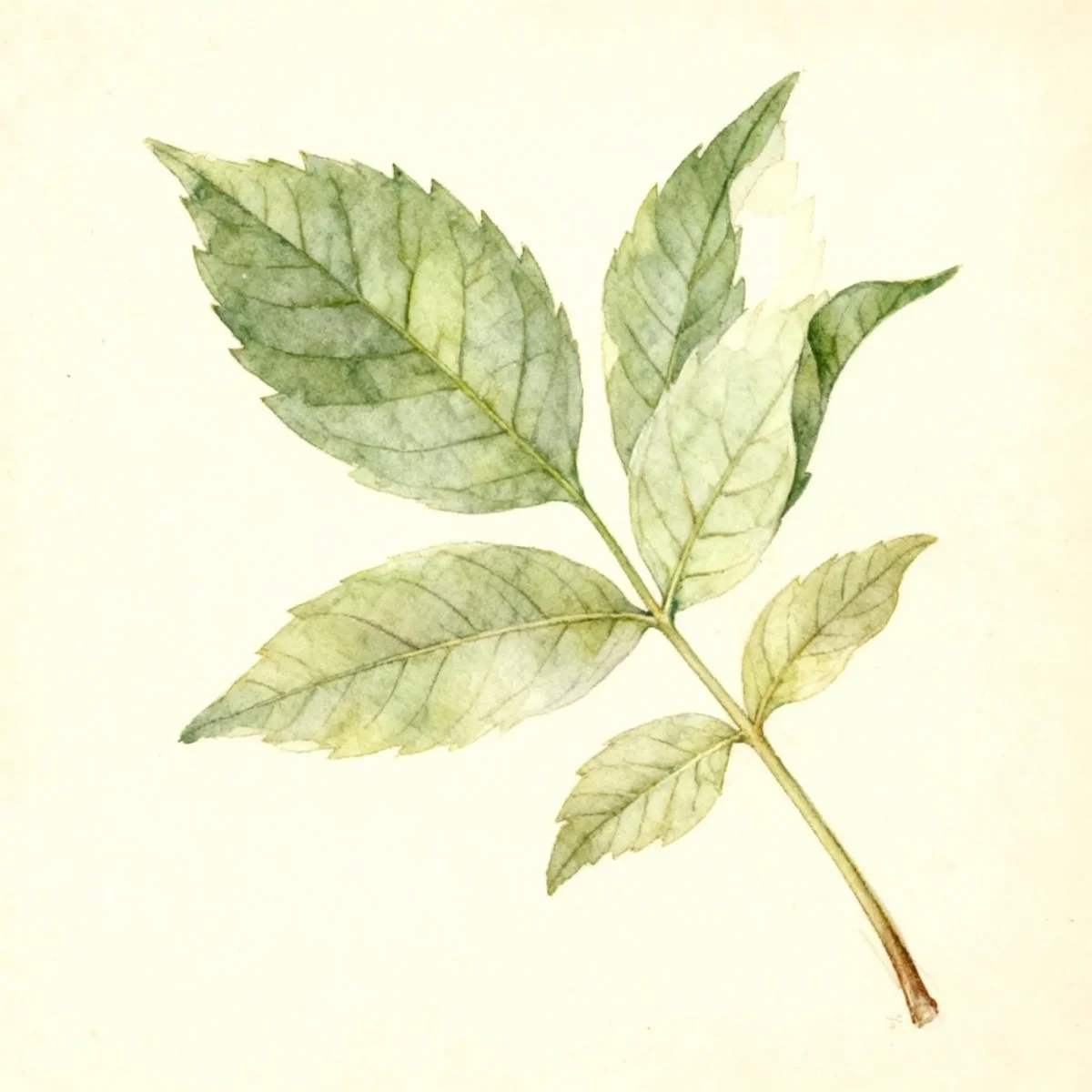
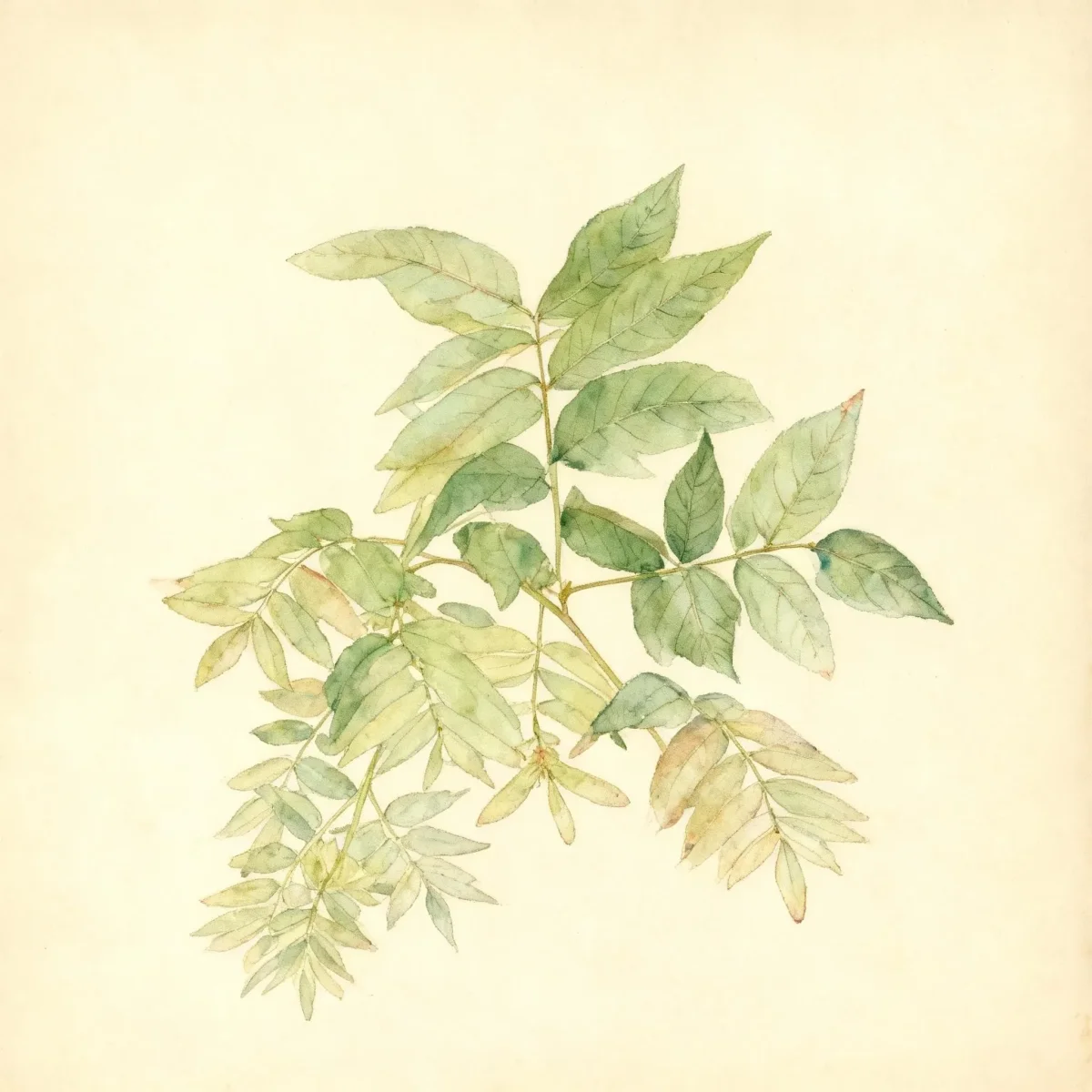
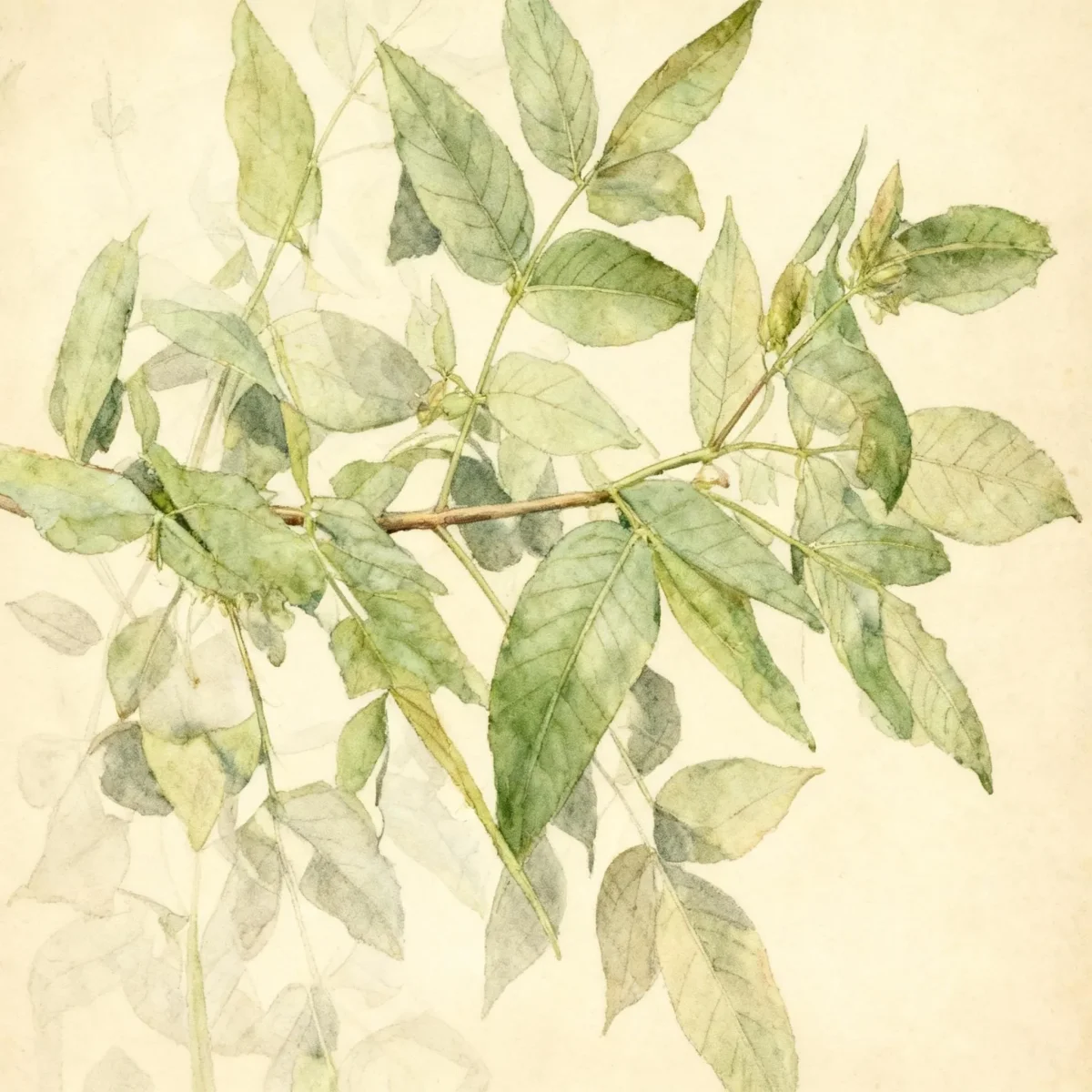
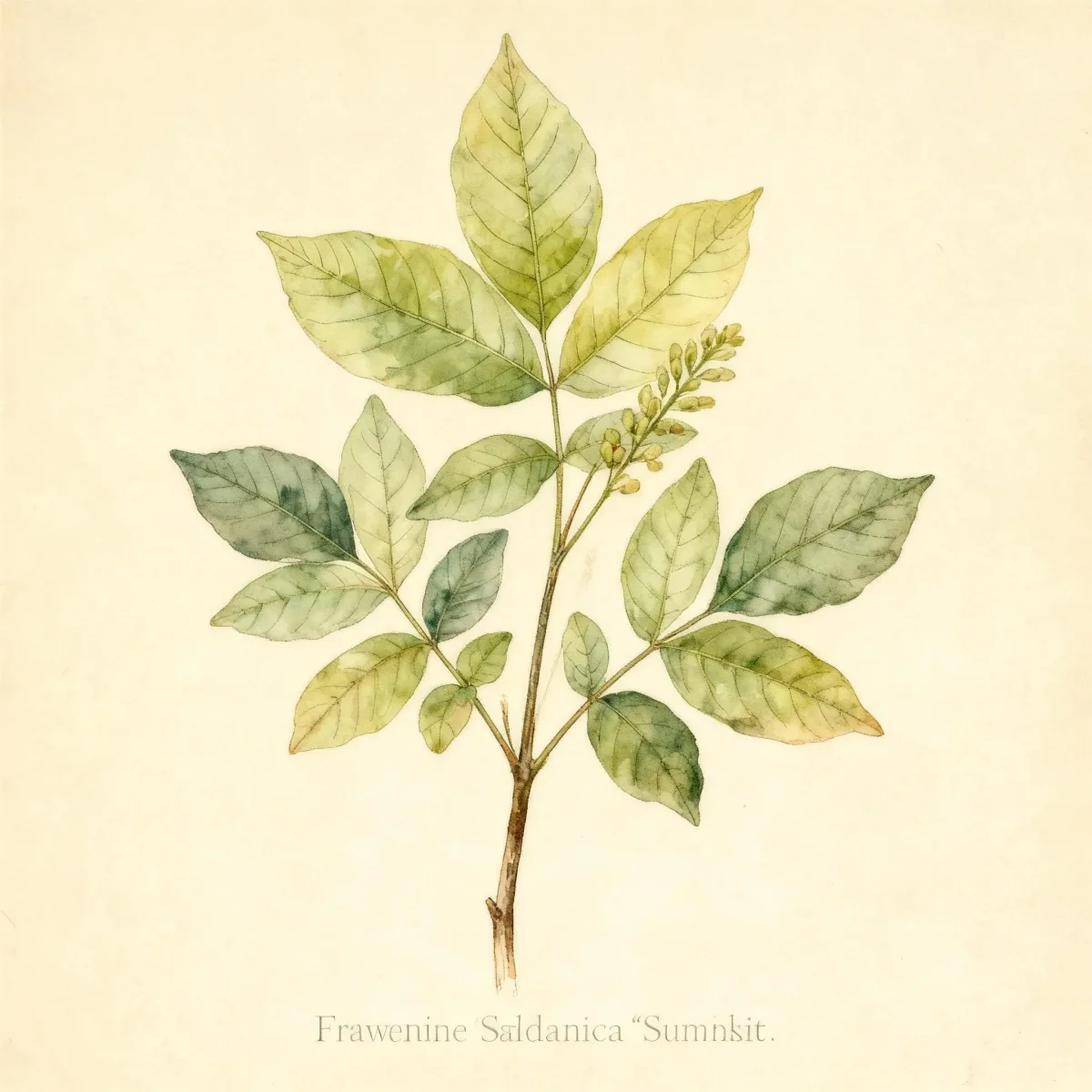
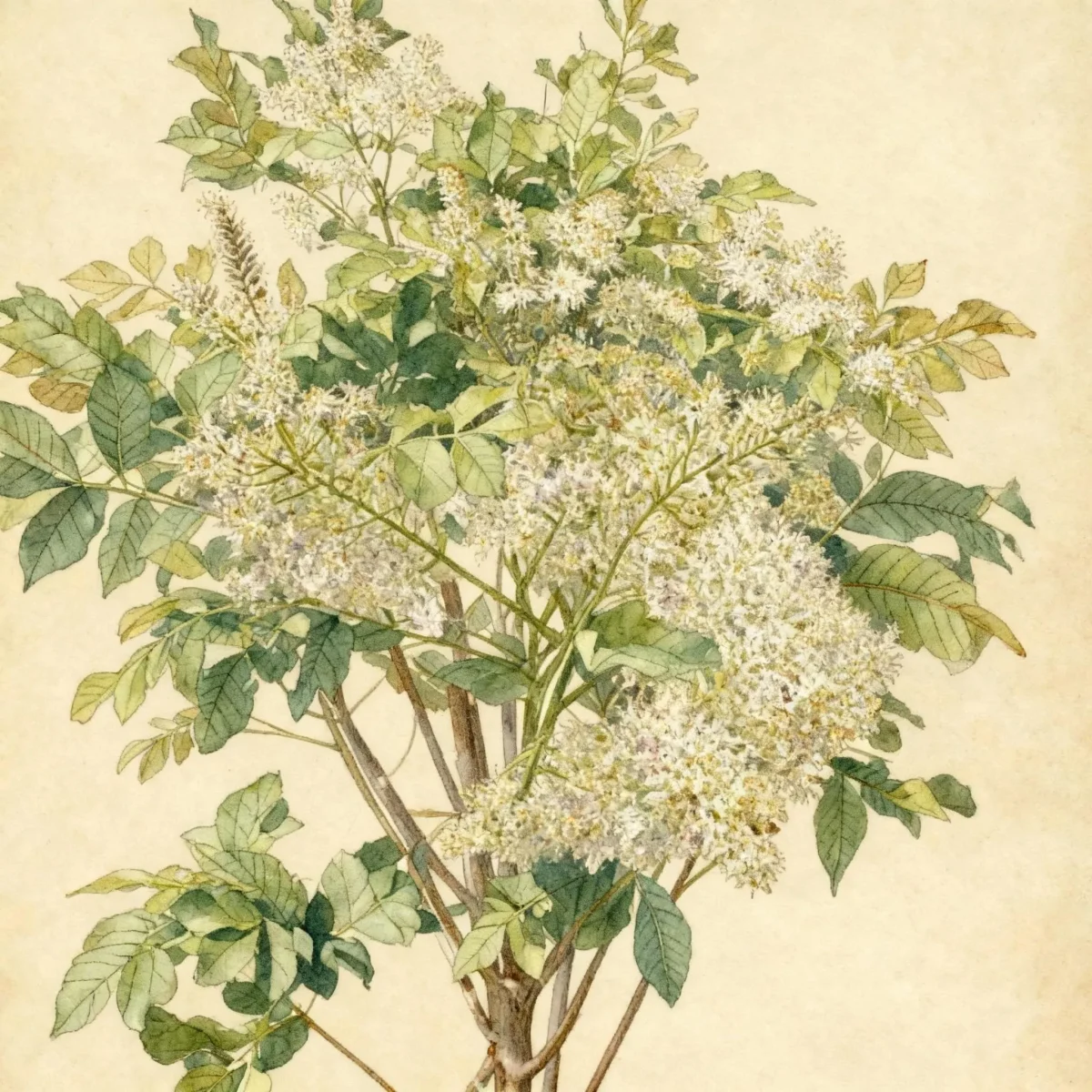
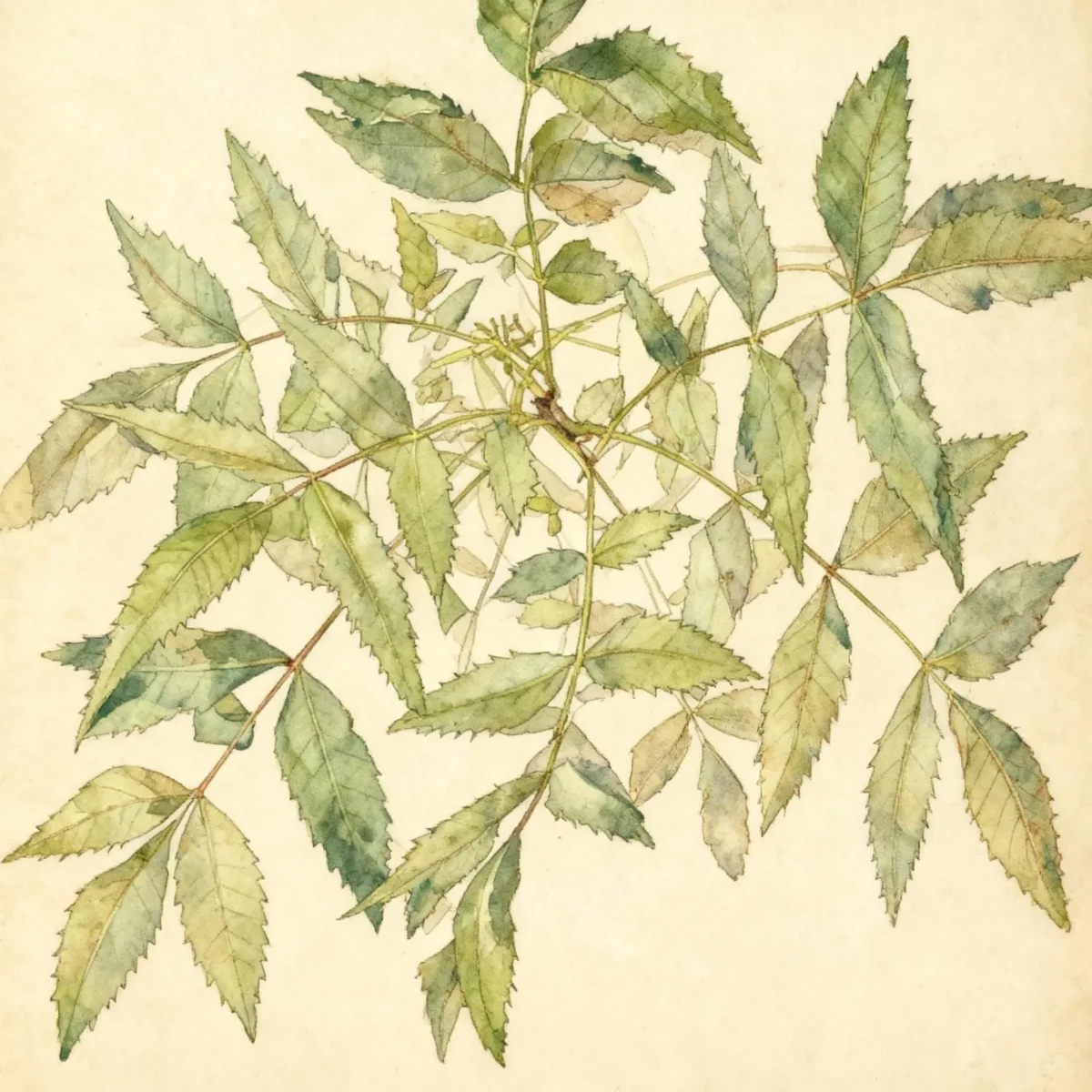
European ash (Fraxinus excelsior)
Explore the massive European ash (Fraxinus excelsior), a lofty deciduous tree ideal for shade, though new planting is discouraged due to pest risks.
Scroll down to discover growing tips, care requirements, companion plants, and more
Complete Plant Information
Overview
The European ash, scientifically identified as Fraxinus excelsior, is a magnificent and lofty deciduous tree, renowned throughout its native Europe for its imposing stature. This species can reach heights between 70 and 80 feet, forming a broad, rounded canopy that historically made it a primary choice for large shade applications in parks and along avenues. While highly valued for its aesthetic presence and robust growth in cooler climates, understanding its specific cultural needs is crucial for its establishment.
Fraxinus excelsior offers reliable seasonal structure, displaying functional green blooms in mid-spring before leaf-out. It thrives best when planted in areas receiving full sun and requires medium water inputs to maintain vigor. Its majestic characteristic is often cited in its specific epithet, excelsus, meaning lofty or high, reflecting its powerful presence in the landscape.
Although the European ash remains a popular choice in European landscapes, gardeners must weigh its traditional benefits against serious contemporary concerns, particularly pest susceptibility in North America. For those gardeners in suitable hardiness zones, understanding the soil and light requirements allows for the best chance of successful cultivation of this impressive specimen tree.
Fast Facts
- Plant Family: Oleaceae
- Plant Type: Tree
- Native Range: Europe, Turkey
- Hardiness Zones: USDA Zones 5-7
- Size at Maturity:
- Height: 70-80 ft
- Spread: 50-60 ft
- Bloom Time: April to May
- Bloom Description: Green
- Sun Exposure: Full sun
- Water Needs: Medium
- Maintenance Level: Medium
How to Grow
The European ash performs optimally when planted in moist, organically rich, and well-drained loam soils. Location is key; Fraxinus excelsior requires full sun exposure to develop its best stature and density. Due to its preferred climate, best performance of the European ash usually occurs in regions that experience cool summer temperatures, meaning hot and dry conditions should be actively avoided during establishment.
Establishment requires consistent attention to watering needs. While mature specimens require only medium water, new plantings need regular irrigation to help roots penetrate the soil deeply and establish a strong anchor for this tall tree. Fertilization is generally unnecessary if the soil is organically rich, but an annual slow-release feed can benefit trees in poorer urban soils.
Pruning for Fraxinus excelsior is generally limited to removing dead, damaged, or crossing branches to maintain a strong central leader. Always inspect the tree periodically for signs of the pest issues common to ash species. In winter, newly planted trees may benefit from wrapping to prevent sunscald on the tender bark of the trunk.
Landscape Uses
Historically, the European ash was a primary street tree and shade tree, prized for providing profound vertical interest and deep summer cooling over large areas. Its rapid growth rate and impressive adult size made it an exceptional choice for large estates or expansive lawn plantings where a significant vertical element was desired. Consequently, you might still encounter mature specimens used as anchors in established landscapes across zones 5 through 7.
Despite its historical utility, current horticultural recommendations advise against planting new European ash trees due to severe risks from invasive borers. If you already possess a magnificent Fraxinus excelsior, utilize it as a specimen tree where its canopy can be appreciated without encroaching on structures. Companion planting should focus on species that also prefer moist, rich soils and can handle some shade as the European ash matures and filters the light.
When planning a landscape around an existing European ash, select understory shrubs or perennials that tolerate dappled shade or reflected light. Avoid pairing it with shallow-rooted or highly drought-tolerant plants, as the ash will quickly outcompete them for the medium water supply it also requires.
Standout Features
Flower Qualities
- Insignificant
Noteworthy Characteristics
Fraxinus excelsior, commonly called European ash or common ash, is native to Europe and western Asia. It is a large, rounded, deciduous tree that grows to 70-80’ (less frequently to 140’) tall. Genus name Fraxinus is the classical Latin name for ash trees, while the specific epithet excelsus comes from the Latin word meaning lofty or high.
Tolerances
- Deer
Potential Problems
The most severe threat to the European ash in North America is the Emerald Ash Borer (EAB), an invasive insect native to Asia. This pest bores beneath the bark, effectively girdling and killing an infested ash within three to five years; eradication after infestation is extremely difficult. Beyond EAB, Fraxinus excelsior is susceptible to secondary pests like the lilac borer and various aphids, as well as diseases such as anthracnose, cankers, and powdery mildew. Furthermore, the branches of European ash can be brittle, leading to significant damage during heavy snow or ice storms, compounding the need for careful placement near structures.
Due to the high risk posed by EAB, planting new European ash trees is strongly discouraged. For existing specimens, rigorous monitoring for D-shaped exit holes or thinning canopy damage is critical. If EAB is confirmed locally, consulting a certified arborist immediately regarding preventative systemic insecticide treatments is essential for protecting your valuable tree.
Frequently Asked Questions
What hardiness zones is European ash suitable for?
The European ash (Fraxinus excelsior) is suitable for cultivation in USDA Hardiness Zones 5 through 7.
How large does European ash grow?
This large deciduous tree typically reaches a mature height between 70 and 80 feet, with a substantial spread ranging from 50 to 60 feet wide.
What sun exposure does European ash need?
Fraxinus excelsior requires full sun exposure to develop properly and reach its full potential height.
When does European ash bloom?
The European ash produces its green blooms relatively early in the season, generally occurring from April through May.
Conclusion
The European ash (Fraxinus excelsior) stands as one of the most majestic forest specimens, offering unparalleled height and canopy shade for historic or expansive landscapes. While its traditional use as a street or shade tree showcases its structural beauty, contemporary gardeners must weigh this legacy against the severe threat posed by the Emerald Ash Borer. Before establishing any ash species, always verify the current pest threat in your specific region and plan your planting activity carefully during the appropriate cool season.
Design Ideas
For gardeners in compatible zones lucky enough to have established specimens, consider utilizing the cooling shade cast by Fraxinus excelsior to your advantage. Plant drought-tolerant groundcovers or filtered-sun perennials beneath the canopy, selecting species carefully so they do not compete aggressively with the ash’s medium water requirements. Group the European ash with other large, upright deciduous trees like Oaks (Quercus) or Maples (Acer) if space allows, creating a layered woodland effect typical of its native European forests.
Focus on specimen placement rather than mass planting, given the susceptibility concerns. A single, well-sited European ash can anchor a large property border or serve as a focal point in an open lawn area. Ensure significant clearance from structures, as its large, brittle branches can pose a hazard during severe weather events when compared to trees with more flexible wood structures.
Seasonal Care Calendar
Spring is the prime time for inspecting your Fraxinus excelsior for early signs of insect activity or fungal leaf spots just as the new green foliage emerges. Summer care should focus strictly on maintaining medium water needs, especially during dry spells, ensuring the soil remains moist but never waterlogged.
Autumn is the best window for any necessary pruning. Removing weaker limbs before winter reduces the chance of ice or snow loading causing catastrophic branch failure. As temperatures drop, avoid applying high-nitrogen fertilizers, which can encourage late growth vulnerable to early frost damage.