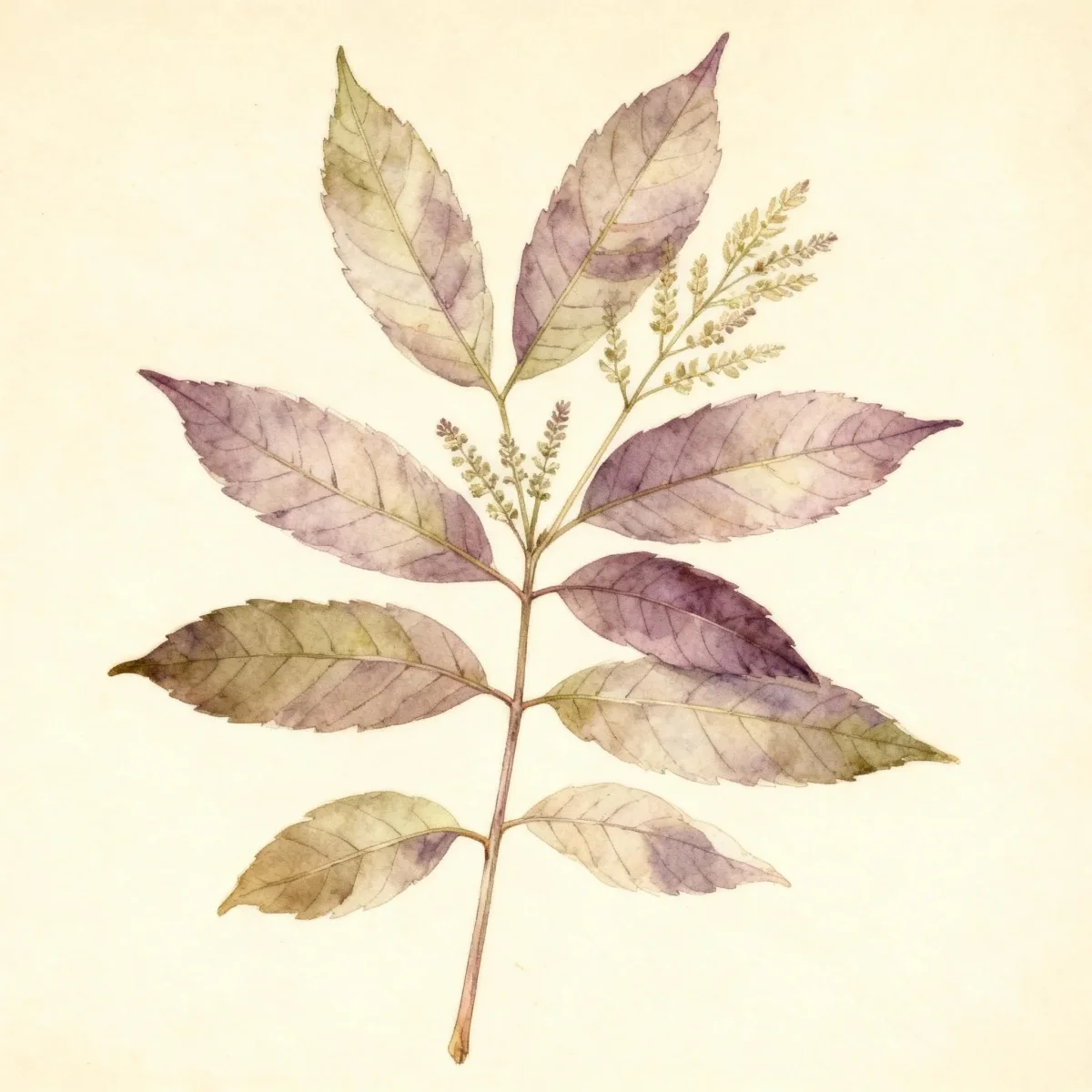
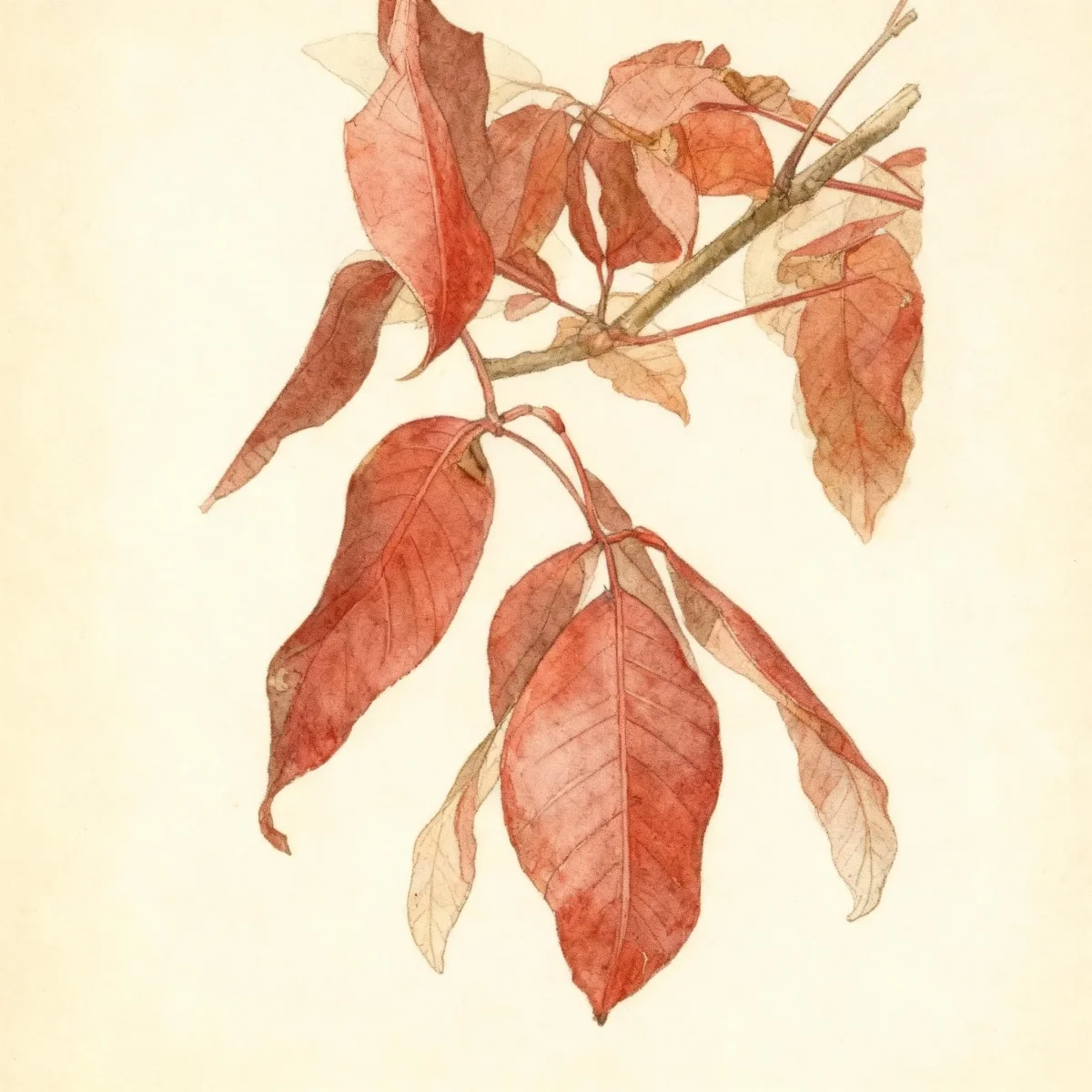
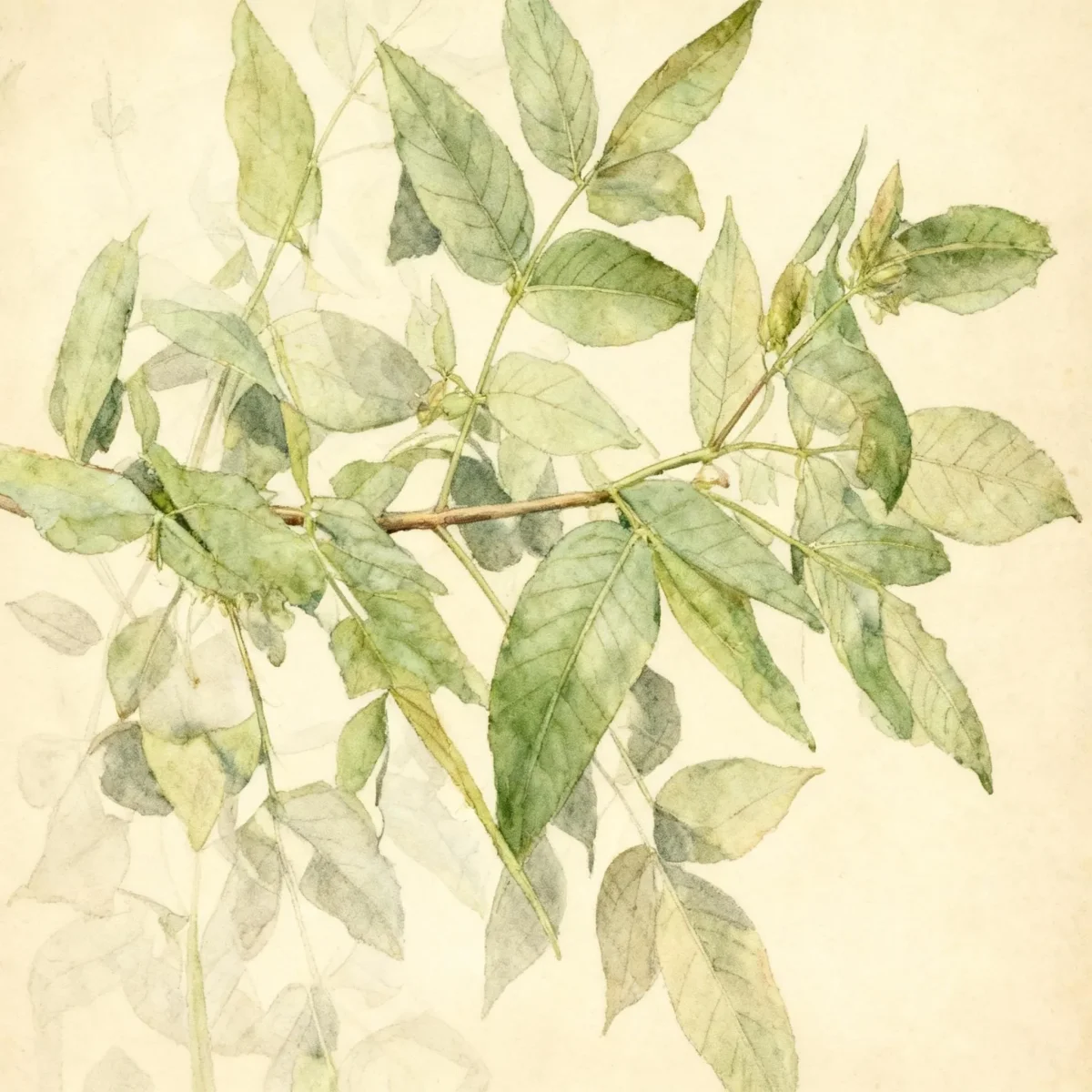
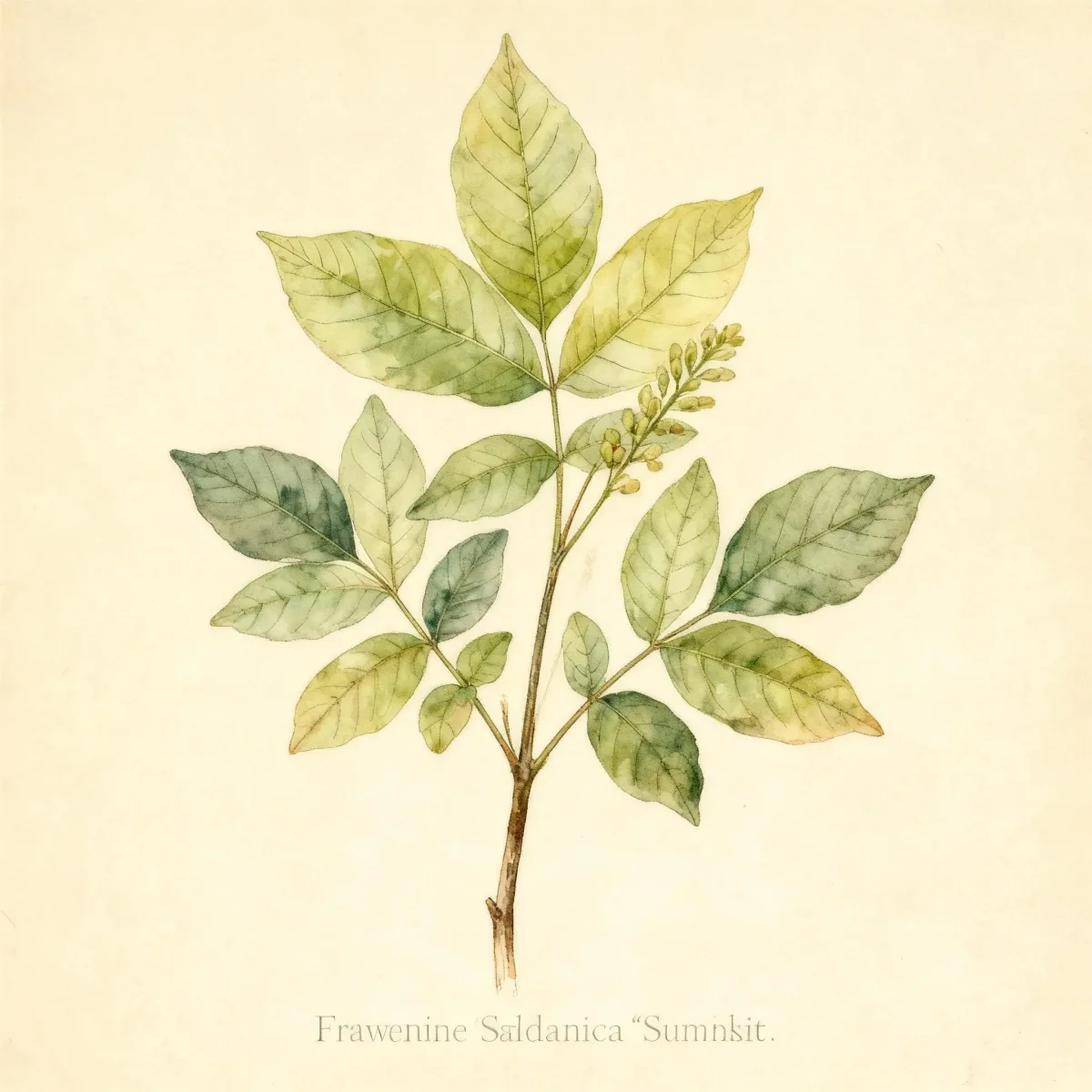
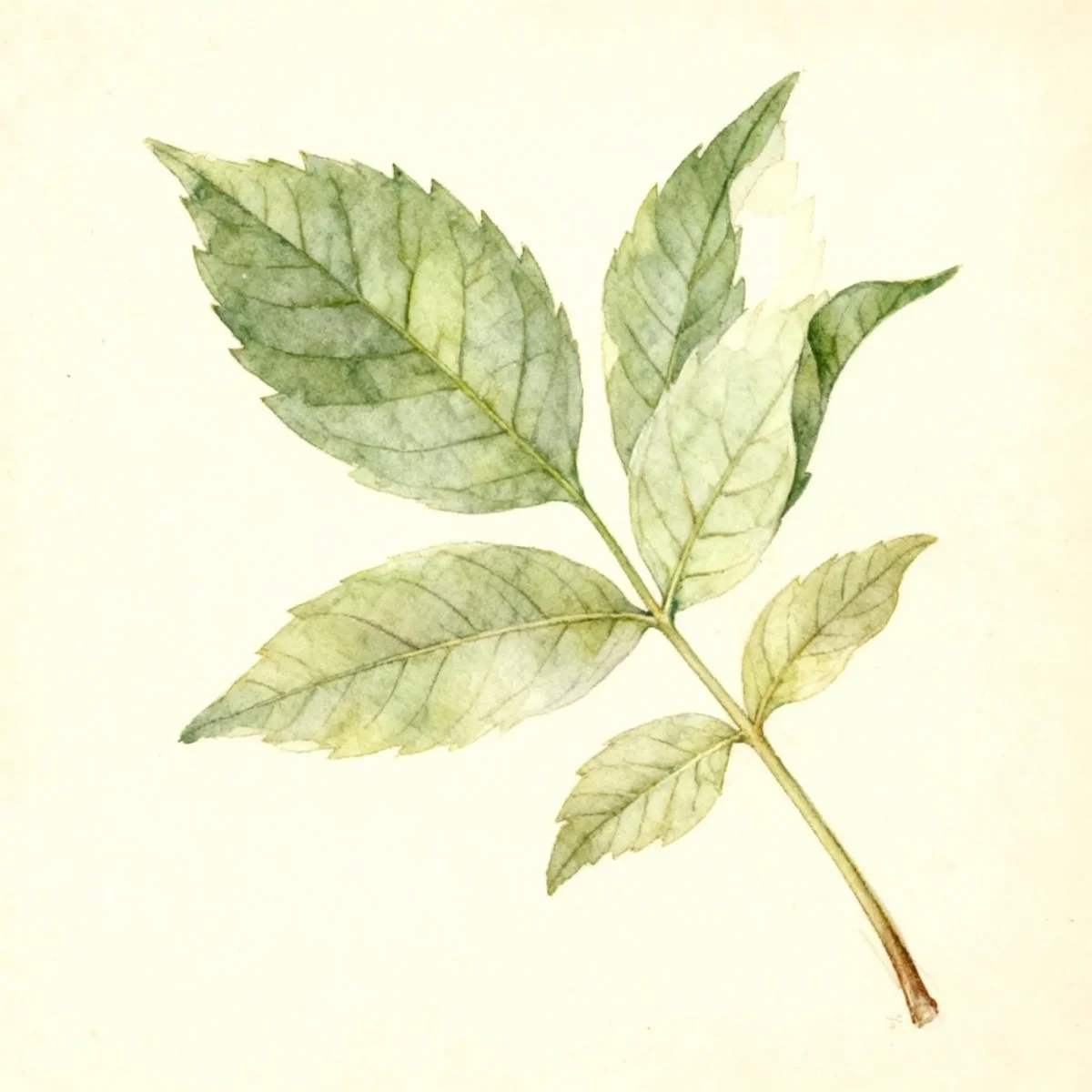
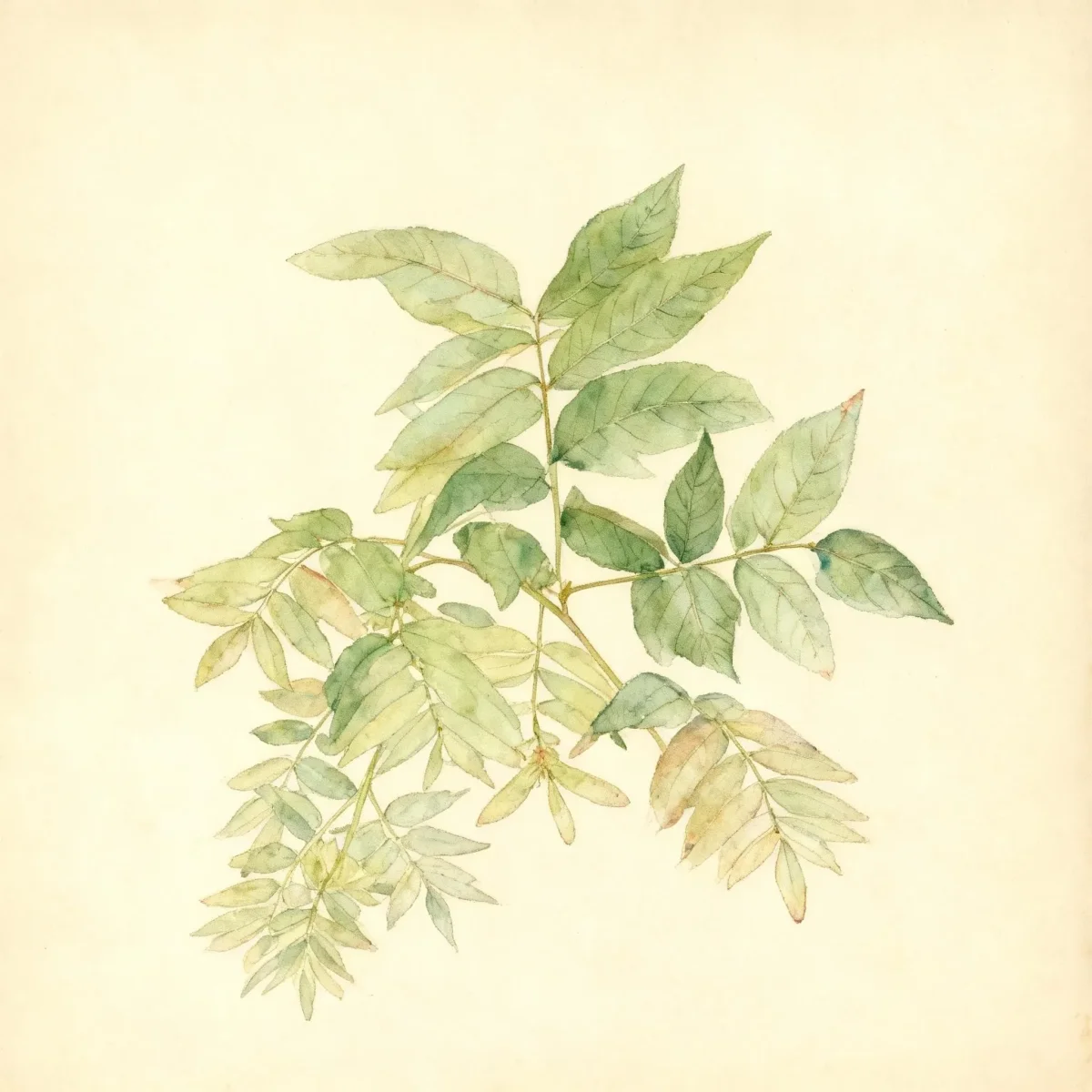
Blue ash (Fraxinus quadrangulata)
Discover Fraxinus quadrangulata, the drought-tolerant Blue ash tree, featuring unique four-sided twigs and pale yellow fall color.
Scroll down to discover growing tips, care requirements, companion plants, and more
Complete Plant Information
Overview
The Blue ash, scientifically known as Fraxinus quadrangulata, is a robust native North American tree valued for its adaptability, especially concerning dry conditions. Its common name, Blue ash, refers to the blue dye historically extracted from its inner bark, adding a layer of historical intrigue for modern gardeners. This species generally forms an irregularly rounded crown, providing excellent visual structure across the landscape.
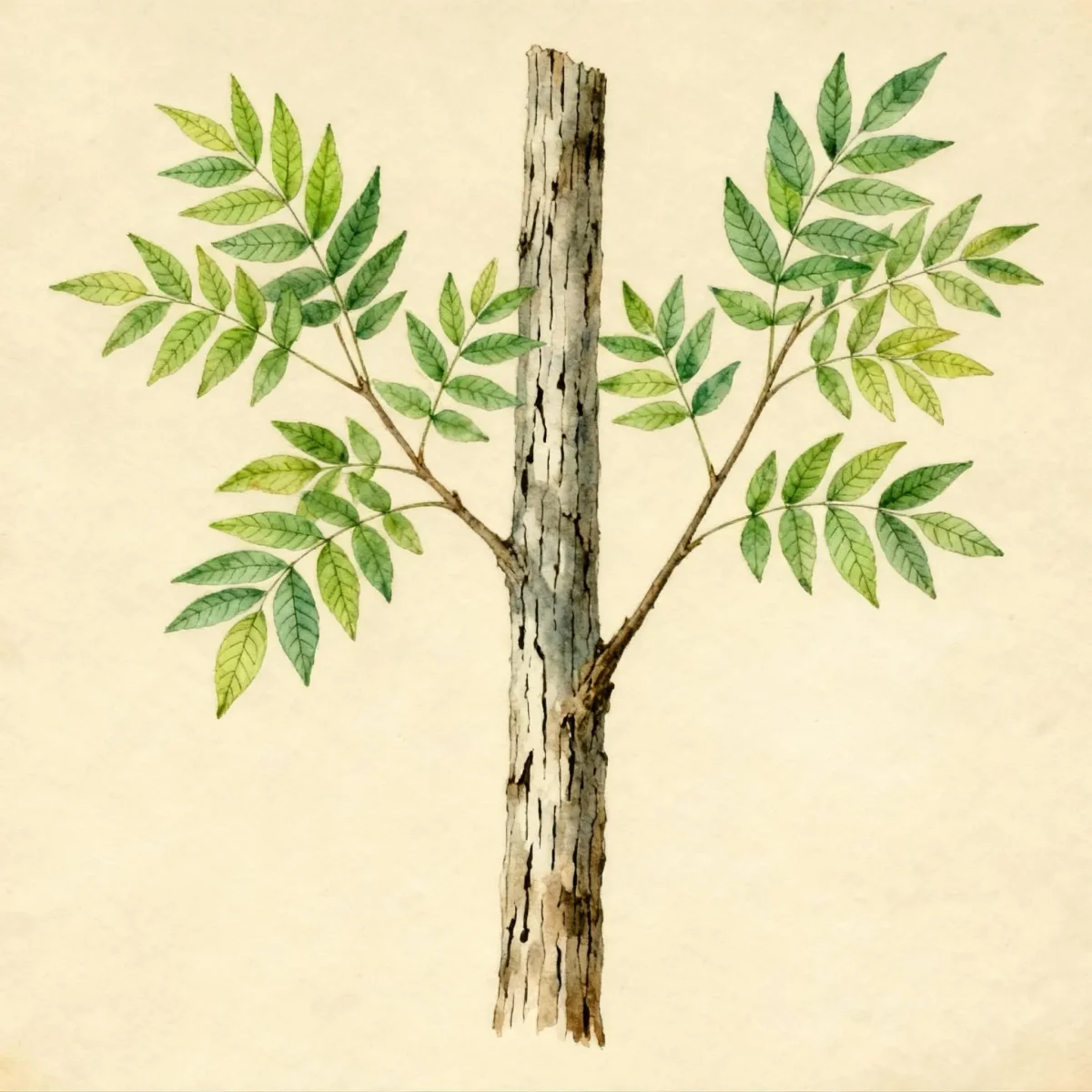
Distinguishing features include its unique four-sided or corky-winged young twigs, which offers ornamental interest even in winter. While historically prized as a shade or street tree, current considerations regarding ash pests necessitate careful placement, though its inherent tolerance makes it a remarkable specimen where conditions allow.
Fraxinus quadrangulata thrives in full sun and exhibits resilience once established, making it an excellent choice for providing vertical height and filtered shade in challenging, dry upland sites. Gardeners appreciate the pale yellow transition of its compound leaves in autumn before they drop.
Fast Facts
- Plant Family: Oleaceae
- Plant Type: Tree
- Native Range: North America
- Hardiness Zones: USDA Zones 4-7
- Size at Maturity:
- Height: 50-75 ft
- Spread: 35-60 ft
- Bloom Time: April to May
- Bloom Description: Purple
- Sun Exposure: Full sun
- Water Needs: Dry to medium
- Maintenance Level: Medium
How to Grow
The Blue ash adapts well to various soil types, though it performs optimally in average, dry to medium-wet, well-drained soils. Plant during the dormant seasons, either early spring or late fall, ensuring the site provides full sun exposure, which is critical for healthy development. While it tolerates dryer sites better than many ashes, consistent moisture during establishment aids root development significantly.
Once established, this Fraxinus quadrangulata exhibits good drought tolerance, requiring minimal supplemental watering except during extreme dry spells. Maintenance is rated as medium; general pruning should focus on removing dead, damaged, or crossing branches to maintain the structure of the crown. Fertilization is rarely necessary unless the soil is extremely poor, as the tree prefers humusy loams.
During the growing season, monitor for common ash pests, although its natural resilience is notable. Avoid excessive soil compaction around the root zone, especially if using it as a street or shade tree, as limited aeration can stress the mature tree. Prepare for significant leaf drop in the fall; while the leaves turn a dull yellow, they require raking or mulching.
Landscape Uses
Historically, the Blue ash was heavily utilized across the landscape due to its size and drought tolerance, filling roles as both a substantial shade tree and a durable street tree. Its height and canopy spread can effectively cool pavements and open areas. However, due to the pervasive threat of the emerald ash borer, planting new specimens for these broad applications is now generally discouraged unless local forestry experts confirm minimal outbreak risk.
When sited appropriately away from high-risk areas, Fraxinus quadrangulata serves well as a specimen planting where its unique twig structure can be appreciated in winter. Consider pairing it temporarily with resilient understory shrubs that thrive in dappled sunlight once the canopy develops.
For contemporary landscapes where removal of existing ash trees is necessary, introducing the Blue ash to an area that requires a high, vertical screen remains a viable option, provided the gardener is committed to vigilant monitoring and proactive pest management for this beautiful native.
Standout Features
Flower Qualities
- Insignificant
Noteworthy Characteristics
Fraxinus quadrangulata, commonly called blue ash, is native from Michigan south to Arkansas and Tennessee, often found in dry rocky woodlands and limestone bluffs. Early Americans utilized the inner bark to create a distinctive blue dye, lending the species its common name. Distinctively, its young twigs possess corky wings, leading to the alternate name winged ash, and mature trees develop grayish bark that separates into irregular plates. Clusters of purplish flowers appear in spring, followed by drooping, winged samaras up to 2 inches long that often persist through winter.
Tolerances
- Deer
- Drought
Potential Problems
The single most significant threat facing the Blue ash is the invasive Emerald Ash Borer (EAB). Originating in Asia, EAB infestation typically leads to the death of an ash tree within three to five years after initial boring activity beneath the bark. Once established, eradication is extremely difficult, demanding proactive monitoring and potentially intensive chemical treatments to protect valuable specimens.
Beyond EAB, Fraxinus quadrangulata can face issues from other borers like the lilac borer, various scale insects, and leaf curl aphids. Disease management may include vigilance against fungal leaf spots, rusts, and anthracnose. Structural concerns include brittle branches susceptible to high winds or ice loading, requiring structural pruning to mitigate risk.
Regular scouting for D-shaped exit holes indicative of EAB is mandatory. If the tree is deemed irreplaceable, consult with a certified arborist immediately regarding systemic insecticide application schedules designed to protect against borers entering the tree trunk and main limbs.
Frequently Asked Questions
What hardiness zones is Blue ash suitable for?
The Blue ash (Fraxinus quadrangulata) is best suited for USDA Hardiness Zones 4 through 7.
How large does Blue ash grow?
This substantial tree typically matures to a height between 50 and 75 feet, with a spread ranging from 35 to 60 feet wide.
What sun exposure does Blue ash need?
Fraxinus quadrangulata requires full sun conditions to achieve optimal health and strong structural development.
When does Blue ash bloom?
The blooming period for the Blue ash is generally from April to May, producing small clusters of purple flowers before the foliage fully develops.
Conclusion
The Blue ash (Fraxinus quadrangulata) remains a magnificent native tree, particularly valued for its striking four-sided twigs and impressive drought tolerance in challenging, drier soil sites. While the Emerald Ash Borer presents a severe management challenge, those gardeners willing to commit to vigilant monitoring can still integrate this tree into their landscapes. Always check local agricultural extension offices for current EAB risk assessments before planning to plant Fraxinus quadrangulata.
Companion Planting
When integrating the Blue ash into a landscape plan, selecting companions that share its preference for full sun and dry to medium soil moisture is prudent. Consider native understory species that naturally coexist in dry woodland edges or glades, such as various prairie grasses or drought-tolerant coneflowers (Echinacea). These choices reduce competition for water and maintain the tree’s preferred soil environment.
If planting beneath the canopy of a mature Fraxinus quadrangulata, focus on shallow-rooted, shade-tolerant groundcovers once the canopy is dense. However, given the susceptibility of ash trees to borers, keeping the ground layer relatively sparse can improve air circulation around the lower trunk, which is generally beneficial for tree health.
Design Ideas
The upright, spreading habit of the Blue ash makes it ideal for use where a solid mid-story canopy is desired, rather than a dense, formal look. Utilize its height to frame an entrance or define the screen between properties, leveraging its eventual stature as a strong vertical anchor. Place specimen Blue ash trees where their silhouette against the winter sky can be observed, showcasing the unique angularity of their branched structure.
In areas with limestone outcroppings or dry, rocky soil—conditions where many traditional shade trees fail—the adaptability of Fraxinus quadrangulata shines. Design open groupings rather than single, isolated specimen trees to create a more naturalistic woodland edge effect that complements its native range ecology.