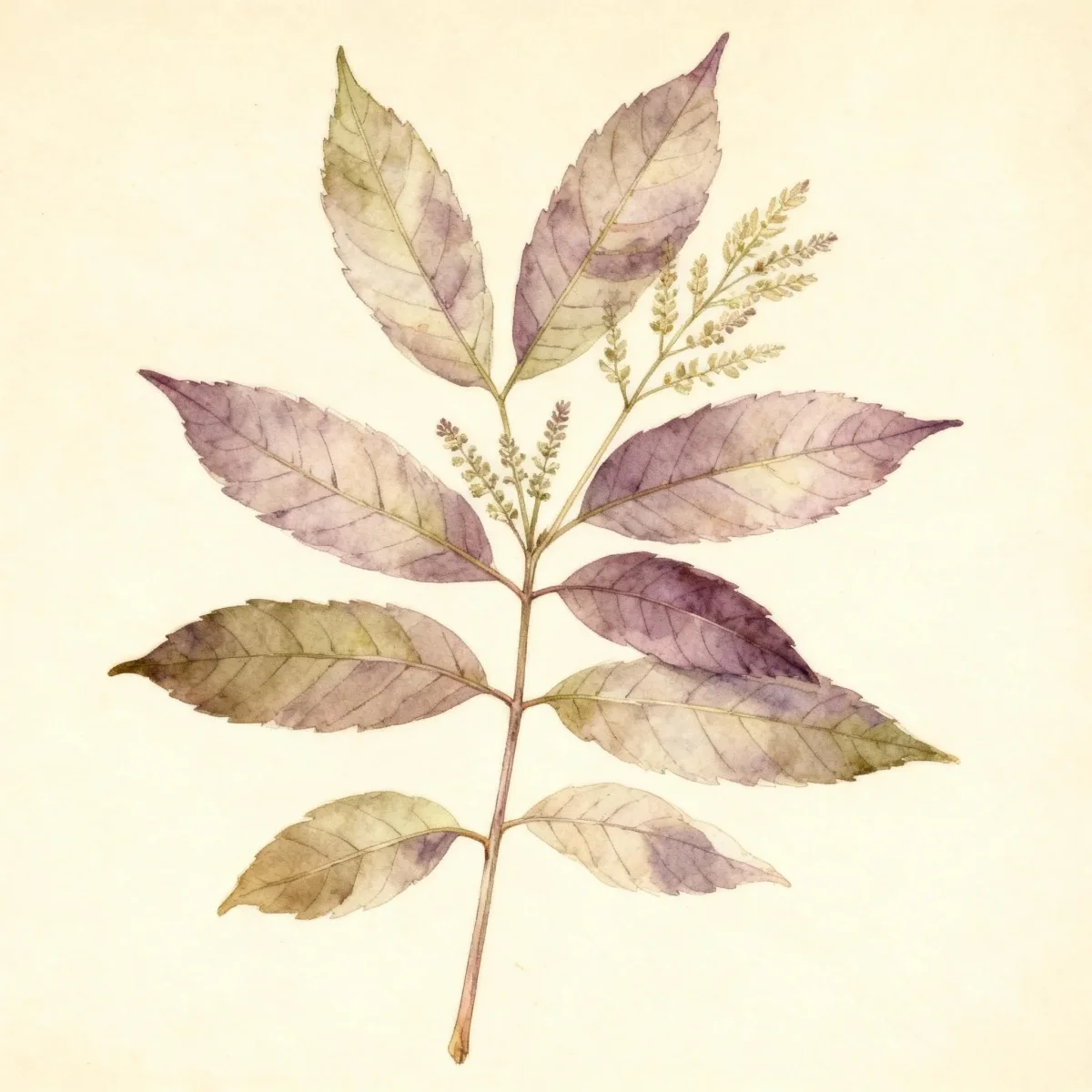
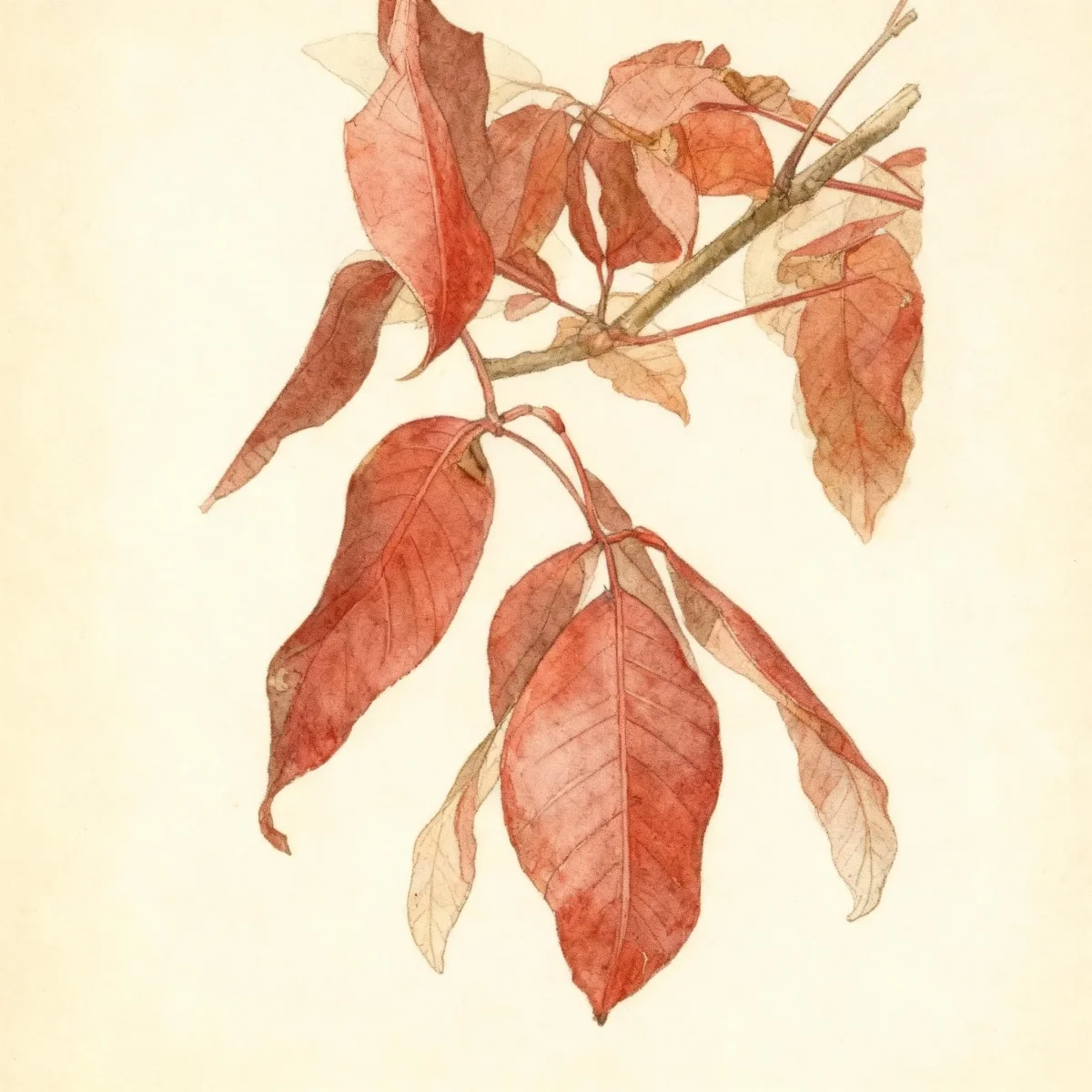
Flowering ash (Fraxinus ornus)
Discover Fraxinus ornus, the Flowering ash, prized for its showy, fragrant spring blooms. A hardy tree for USDA Zones 6-9.
Scroll down to discover growing tips, care requirements, companion plants, and more
Complete Plant Information
Overview
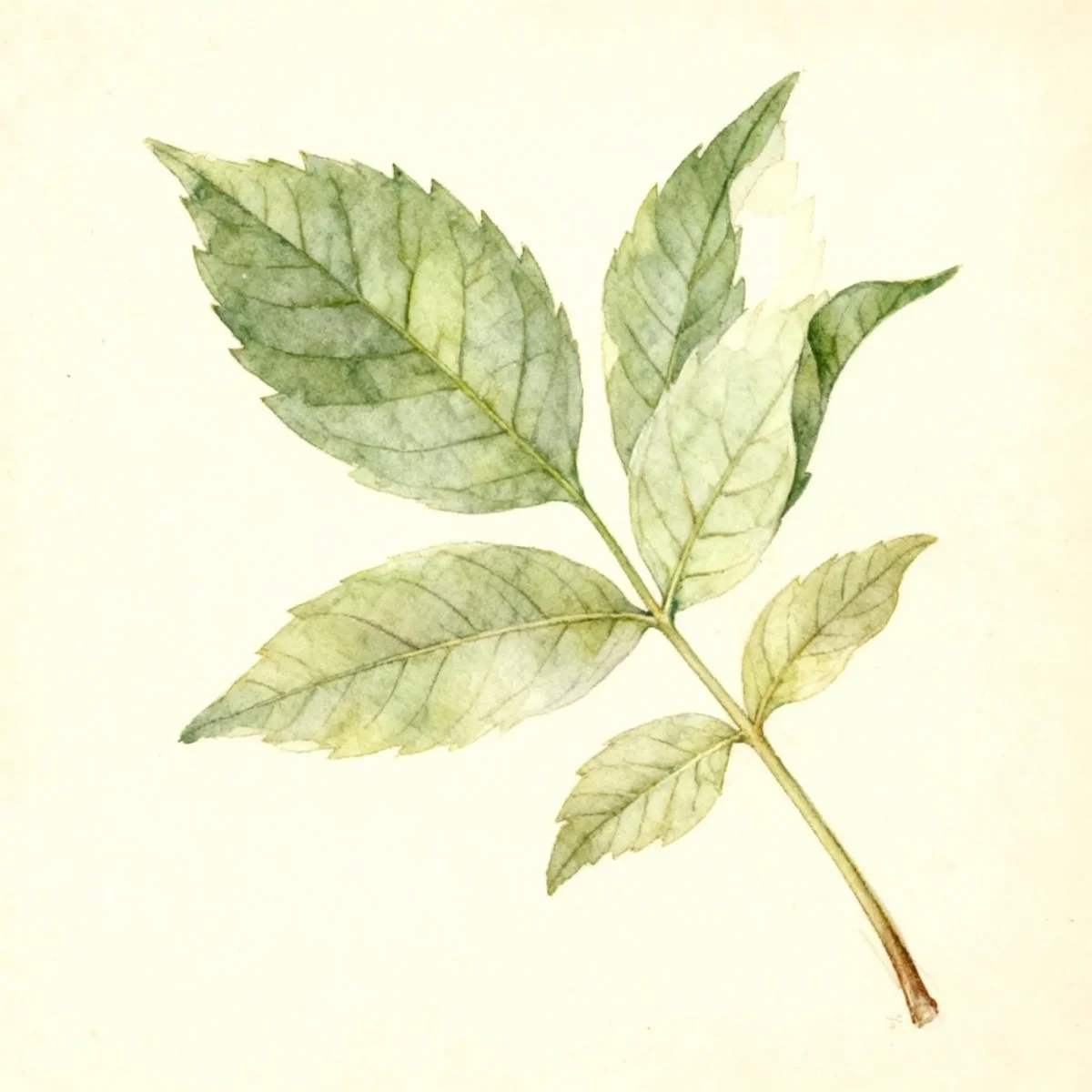
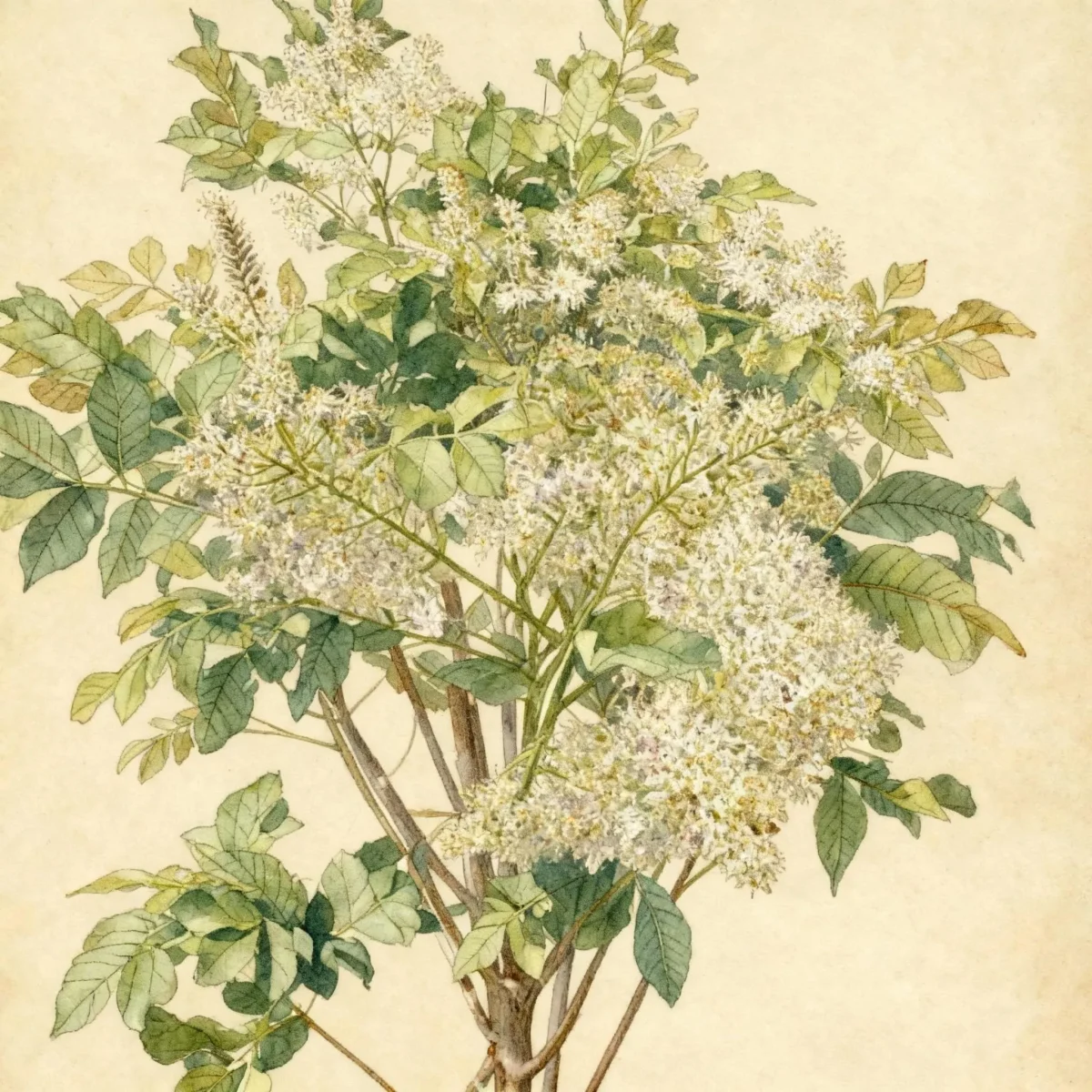
The Flowering ash (Fraxinus ornus) is a distinguished, rounded deciduous tree celebrated for its spectacular spring presentation. Its primary allure lies in the abundant, fragrant creamy white flowers that fully emerge in May, providing both visual appeal and a delightful scent to the landscape. Native to Southern Europe and Asia Minor, this specimen offers substantial stature, typically reaching 40 to 50 feet tall.
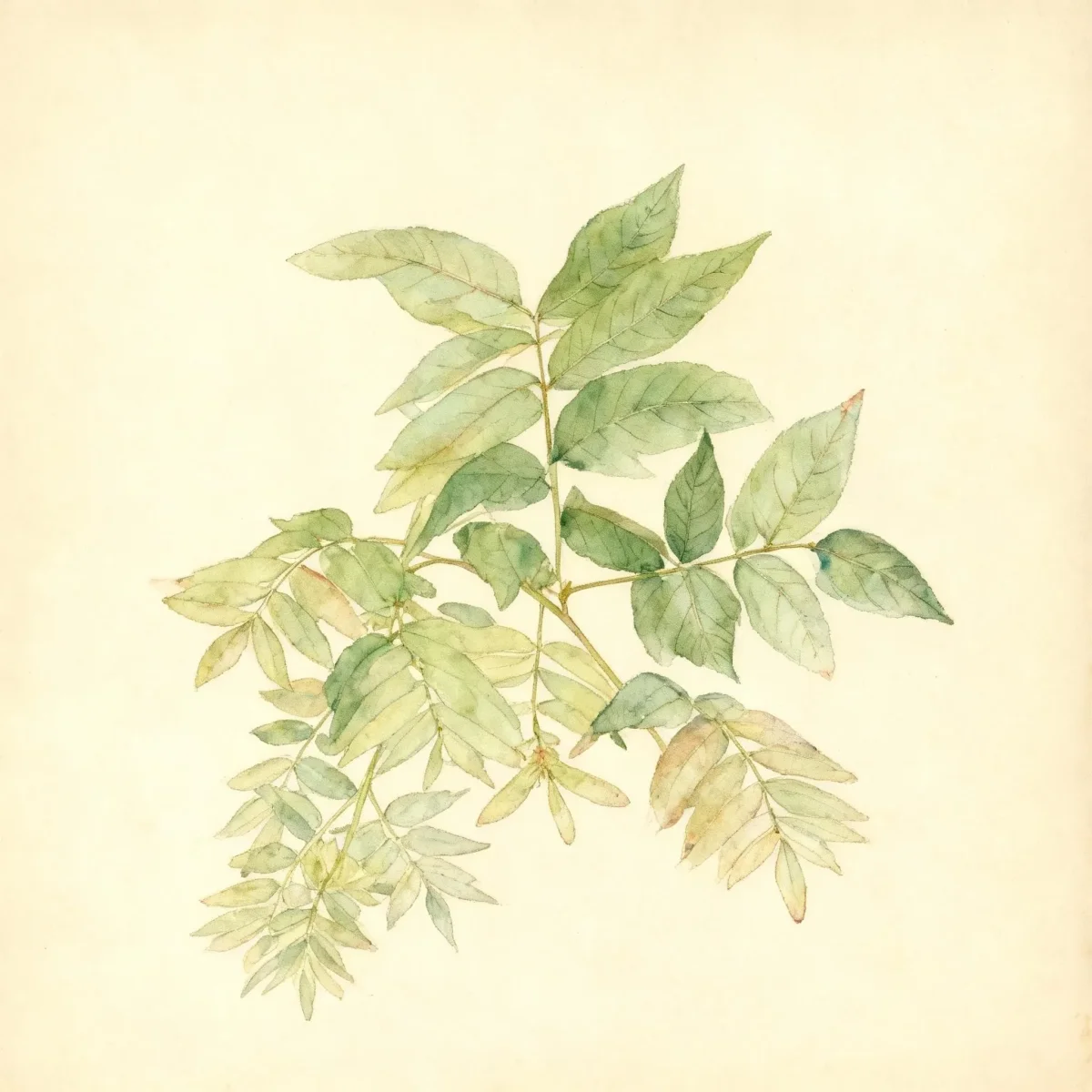
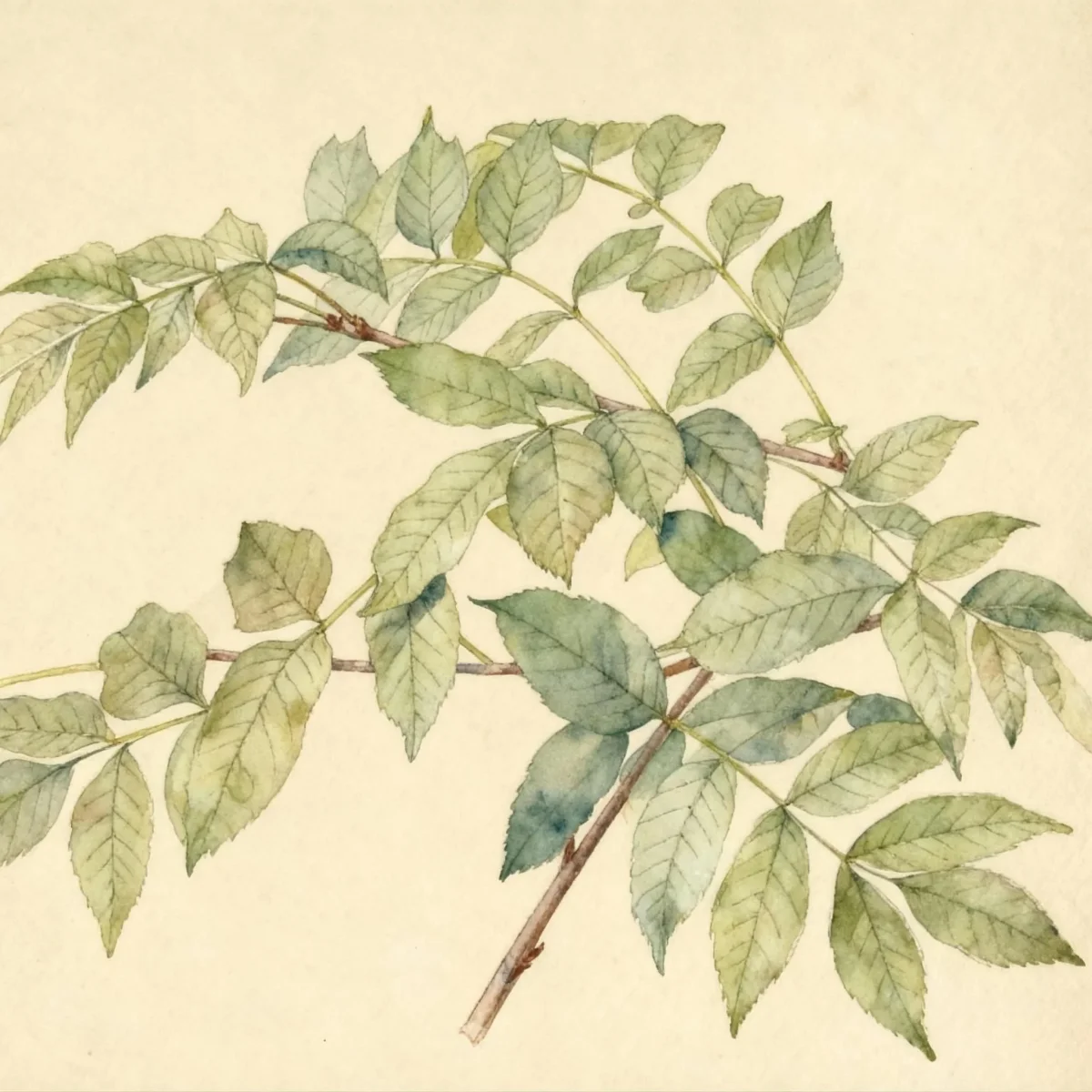
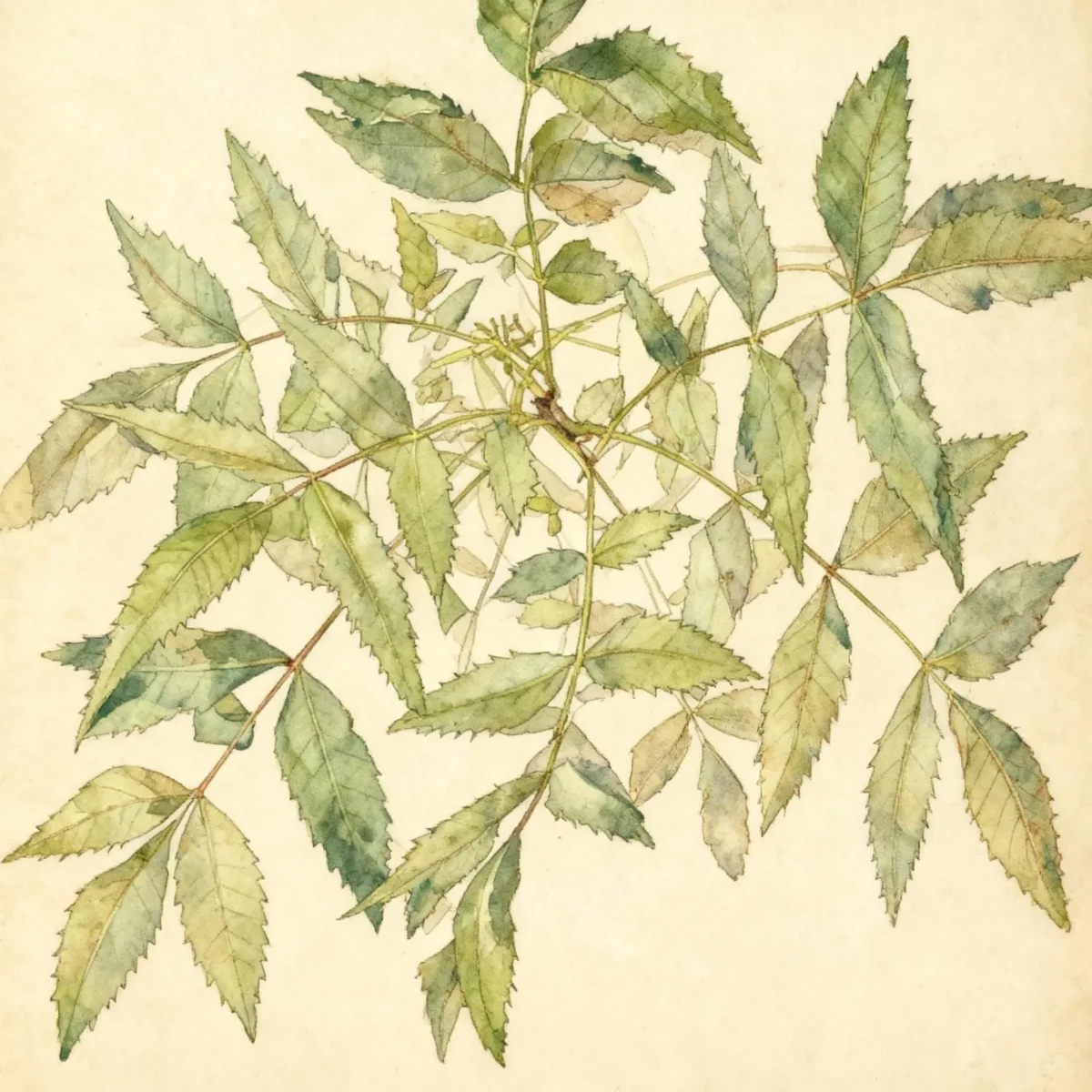
While highly ornamental, gardeners should note that Fraxinus ornus thrives best when sited away from harsh, strong winds and prefers cooler summer climates for optimal performance. Beyond the blooms, the tree features dark green, odd-pinnate compound leaves that offer summer shade before transitioning through mild fall colors. The classic beauty of the Flowering ash makes it a memorable addition when site conditions are ideal.
Fast Facts
- Plant Family: Oleaceae
- Plant Type: Tree
- Native Range: Southern Europe, Asia Minor
- Hardiness Zones: USDA Zones 6-9
- Size at Maturity:
- Height: 40-50 ft
- Spread: 40-50 ft
- Bloom Time: April to May
- Bloom Description: Creamy white
- Sun Exposure: Full sun
- Water Needs: Medium
- Maintenance Level: Medium
How to Grow
Planting the Flowering ash is best achieved during the dormant season when the tree is less stressed. Select a location offering full sun exposure, which is crucial for rich flowering. The ideal soil medium is a moist, organically rich, well-drained loam. Ensure the site is protected from prevailing high winds, as brittle branches are susceptible to breakage during storms.
Watering requirements are moderate; maintain consistent moisture, especially while the tree is young and establishing its root system. Although mature trees exhibit moderate drought tolerance, supplemental watering during prolonged dry spells supports overall vigor. Fertilization is rarely necessary if site conditions provide rich, organic soil; if growth seems stunted, a balanced slow-release fertilizer in early spring can be beneficial.
Pruning requirements are minimal, mainly involving the removal of dead, damaged, or crossing branches to maintain the tree’s open, rounded structure. Be aware that this species may not be reliably winter hardy in the northern limits of its range, such as the St. Louis area, so consult local extension data before planting at the zone edges.
Landscape Uses
Historically, Fraxinus ornus has been widely utilized as a substantial shade tree, capable of cooling large areas beneath its canopy during the summer months. Its ornamental appeal also made it effective as a street tree, provided adequate unpaved root space is available. Those seeking a specimen tree for a statement planting, particularly where fragrant spring flowers are desired, will appreciate the structure of the Flowering ash.
Although planting new specimens of this genus is currently discouraged due to widespread pest concerns, historically they were popular as lawn anchors or integrated into mixed borders requiring vertical height. When considering companions, select lower-growing shrubs or perennials that also thrive in full sun and well-drained soil to complement the magnificent floral display of Fraxinus ornus.
Standout Features
Flower Qualities
- Showy
- Fragrant
Noteworthy Characteristics
Fraxinus ornus, commonly called Flowering ash, produces a spectacular display of fragrant creamy white flowers in May. It is native to southern Europe and western Asia, presenting as a rounded, deciduous tree reaching 40-50 feet tall with smooth, gray bark. The genus name itself references the classical Latin term for ash trees, highlighting its established place in horticulture.
Tolerances
- Deer
- Drought
Potential Problems
Emerald ash borer (EAB) represents the most significant threat to Fraxinus ornus and all ash species across North America. This invasive pest, discovered in the U.S. in 2002, bores under the bark and typically leads to tree death within three to five years of infestation; eradication once established is extremely difficult. Due to the EAB risk, planting new Flowering ash trees is strongly discouraged in many regions.
Beyond EAB, the Flowering ash remains susceptible to various common ash pests, including lilac borer and various scale insects. Disease issues range from fungal leaf spots and rust to anthracnose and general ash decline. Additionally, the branches can be brittle, making them prone to breakage from heavy snow or ice loads. Vigilant monitoring for early signs of EAB intervention is critical if you possess established specimens.
Frequently Asked Questions
What hardiness zones is Flowering ash suitable for?
The ideal cultivation range for Fraxinus ornus spans USDA Zones 6 through 9.
How large does Flowering ash grow?
This species matures into a sizable tree, typically reaching heights between 40 and 50 feet, with a corresponding spread of 40 to 50 feet.
What sun exposure does Fraxinus ornus need?
For the best flowering and overall health, the Flowering ash requires full sun exposure.
When does Flowering ash bloom?
The showy bloom period for Fraxinus ornus occurs in the spring, generally from April to May, displaying creamy white flowers.
Conclusion
The Flowering ash, Fraxinus ornus, provides exceptional early-season beauty with its fragrant, showy white flowers, making it a truly memorable landscape component. Despite its positive aesthetic traits, the severe threat posed by the Emerald Ash Borer necessitates extreme caution regarding new plantings. Always verify local pest pressure before integrating this magnificent, yet vulnerable, tree into your garden design.
Companion Planting
When looking for companions that can thrive alongside the Fraxinus ornus, focus on species that share its affection for full sun and medium, well-drained soils. Lower-growing perennials like Siberian Iris or hardy Geraniums can provide excellent ground cover beneath the drip line, softening the transition to lawn or paving. Consider shrubs that bloom later in the season, such as Hydrangeas that tolerate partial shade beneath the canopy, ensuring continuous interest after the Flowering ash finishes its spectacular flush of bloom.
Design Ideas
The substantial, rounded canopy of the Flowering ash lends itself well to formal designs or as a stately specimen in a large lawn setting. Its height and spread mean it must be sited away from structures and overhead utilities. Consider using it deliberately as a focal point on an axis in a classical garden plan, allowing its spring fragrance to perfume a nearby patio or seating area during its prime performance window in April and May.