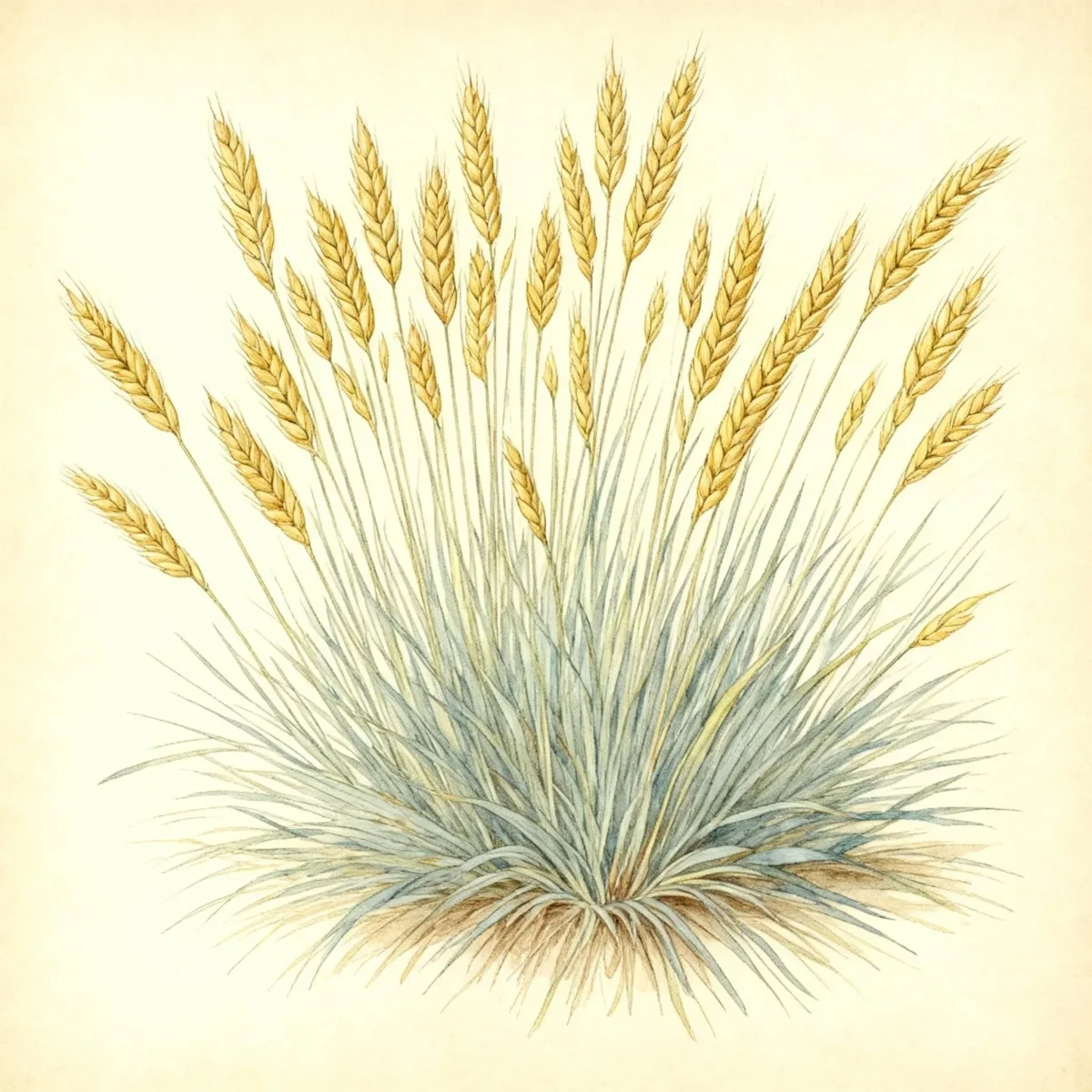
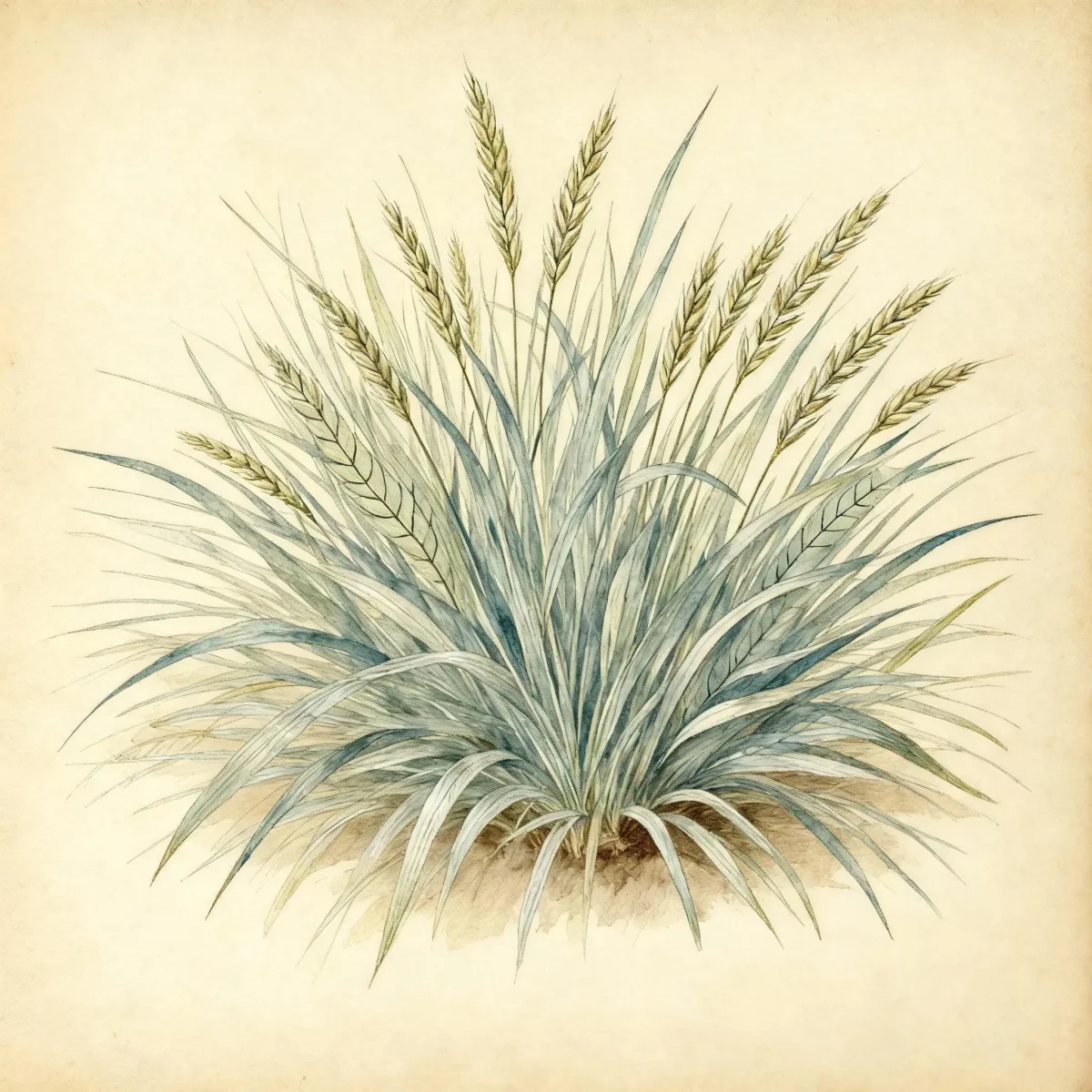
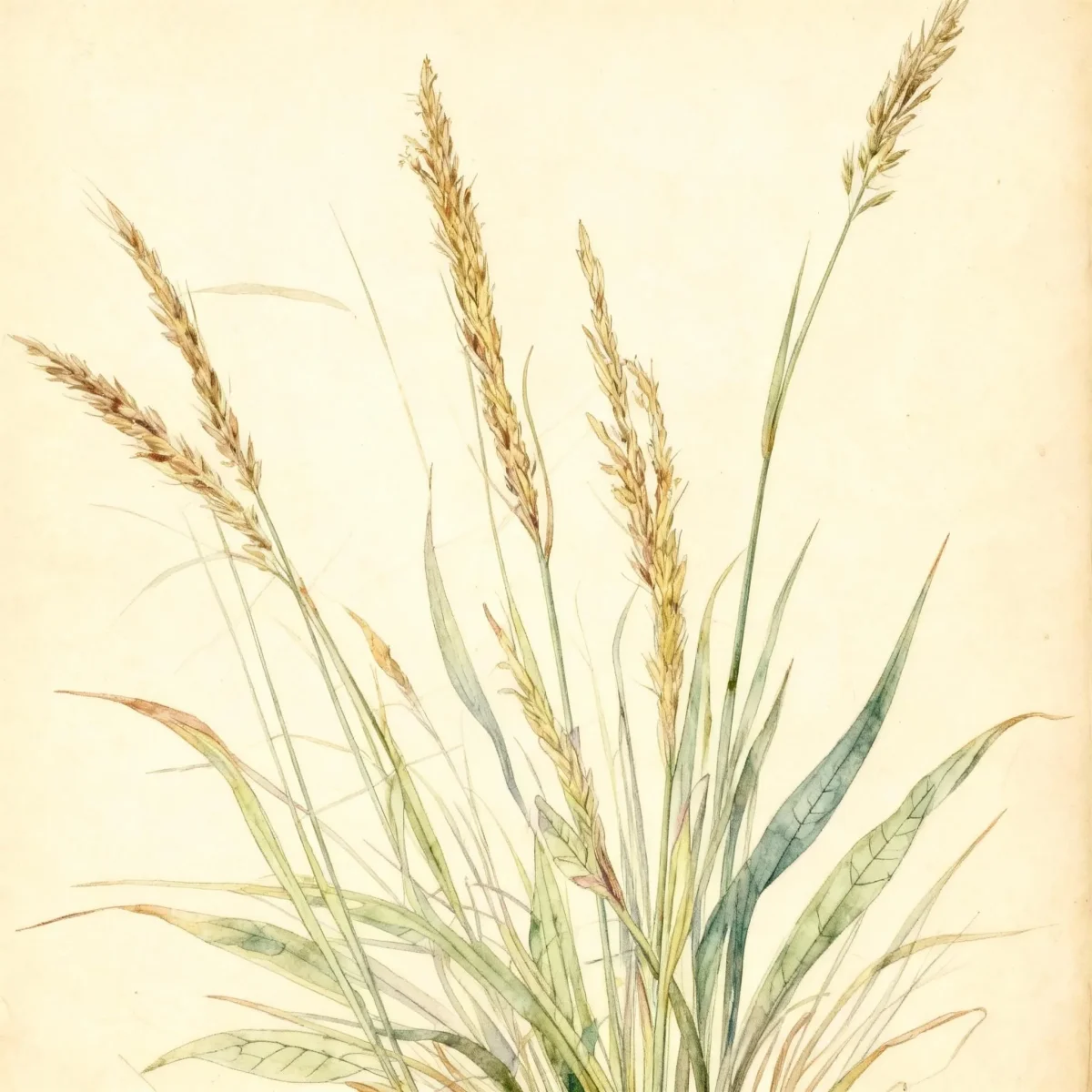
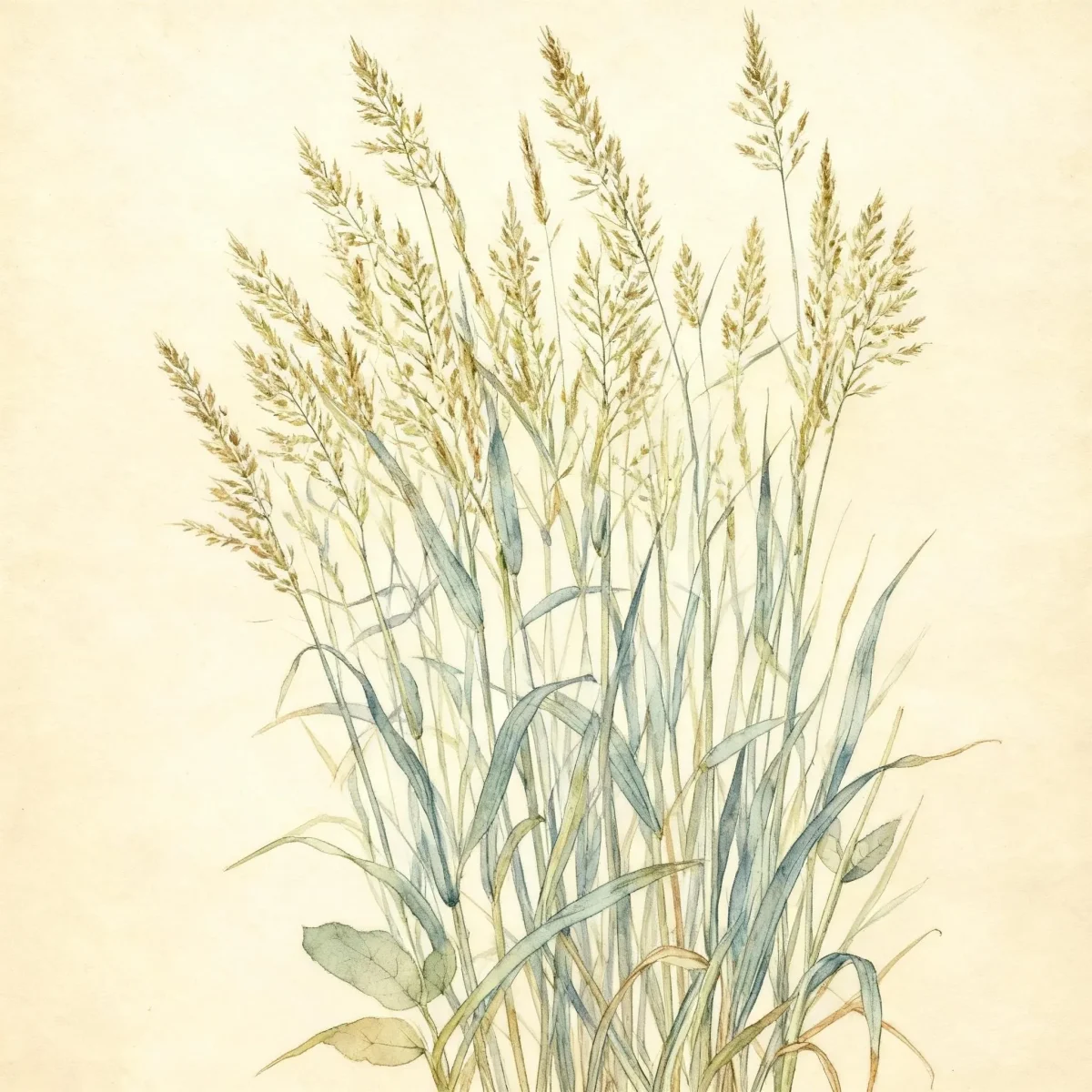
Blue fescue (Festuca glauca)
Festuca glauca, or Blue fescue, offers finely-textured, striking blue-gray foliage in clumps ideal for rock gardens and edging. Hardy zones 4-8.
Scroll down to discover growing tips, care requirements, companion plants, and more
Complete Plant Information
Overview
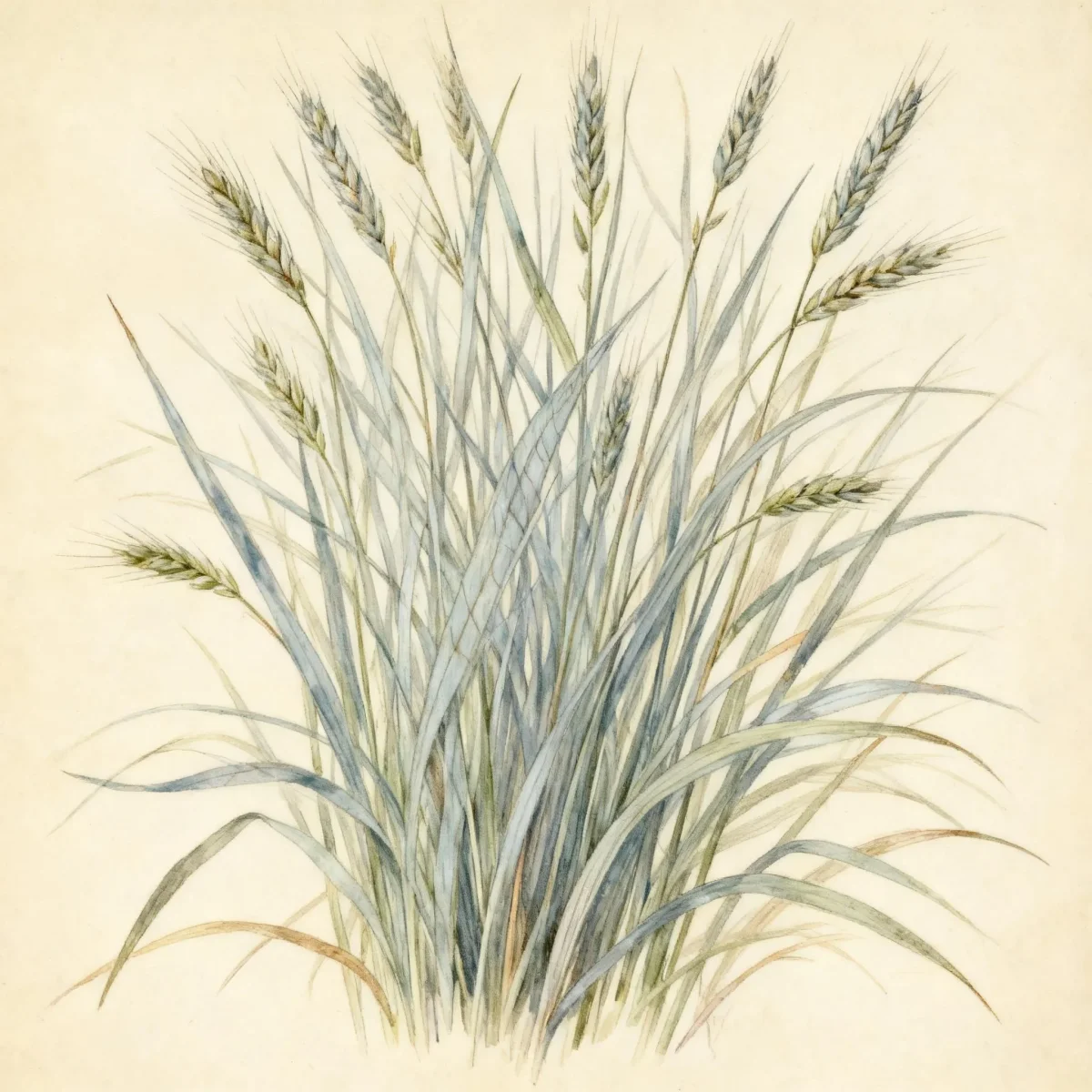
Festuca glauca, widely recognized as Blue fescue, is prized by gardeners for its intensely glaucous, finely-textured, blue-gray foliage. This short-lived, clump-forming ornamental grass creates low, dome-shaped mounds that maintain color interest throughout the growing season. Its fine texture contrasts beautifully against broad-leafed perennials and architectural plants.
This semi-evergreen grass thrives in hot, dry conditions once established, making it a reliable choice for xeriscaping or difficult pockets in the garden. While it produces insignificant flowers, the primary appeal of Festuca glauca remains its year-round cool-toned, structural form.
Blue fescue requires full sun for the best blue coloration and performs best in lean, well-drained soils. Proper placement and division are key to maintaining its vibrant appearance, as the interior of the clumps tends to thin out over time.
Fast Facts
- Plant Family: Poaceae
- Plant Type: Ornamental grass
- Native Range: Central and southern Europe
- Hardiness Zones: USDA Zones 4-8
- Size at Maturity:
- Height: 0.75-1 ft
- Spread: 1-1.5 ft
- Bloom Time: June to July
- Bloom Description: Green with purple tinge
- Sun Exposure: Full sun
- Water Needs: Dry to medium
- Maintenance Level: Medium
How to Grow
Festuca glauca should be planted in spring or early fall, ensuring it receives full, direct sunlight. Full sun is critical; while it tolerates light shade, adequate light encourages the signature blue coloration. It prefers average, dry to medium soils, provided they are well-drained. This grass is intolerant of wet, poorly-drained conditions, which can quickly lead to crown rot.
Water sparingly once established, as this Blue fescue is highly drought tolerant. Fertilization is generally unnecessary, particularly if planted in poorer soils—rich soil can sometimes reduce the intensity of the blue foliage color. Avoid overhead sprinkling if planting near structures that might retain moisture.
Maintenance involves tidying the clumps in early spring before new growth emerges. Shear the foliage back to about 3-4 inches above the ground to promote a fresh flush of new leaf blades. If the plant declines in hot, humid summers, a mid-season trim may help refresh the clump.
Because Festuca glauca clumps tend to die out in the center, division is required every 2-3 years to maintain vigor and tight form. When planting densely for ground cover effect, space clumps about 8-10 inches apart, as they do not spread aggressively outward.
Landscape Uses
The compact nature and striking color of Blue fescue make it a versatile element in landscape design. It excels as a formal edging plant, clearly defining the lines of borders or pathways where a defined, low border is needed. Its spiky form also makes it a fantastic accent plant in rock gardens, especially when tumbled near stone structures.
When considering companions, pair this ornamental grass with plants that offer contrasting texture or color without overwhelming its fine structure. Plants with broad leaves or rich, deep greens, such as Sedum varieties, Heuchera, or low-growing evergreens, look excellent alongside the blue-gray mounds of Festuca glauca.
Mass planting of this species creates an effective, low-maintenance ground cover for small to medium areas. Because individual clumps do not spread much, dense initial planting ensures weeds cannot establish themselves between the tufts of foliage.
Standout Features
Flower Qualities
- Insignificant
Noteworthy Characteristics
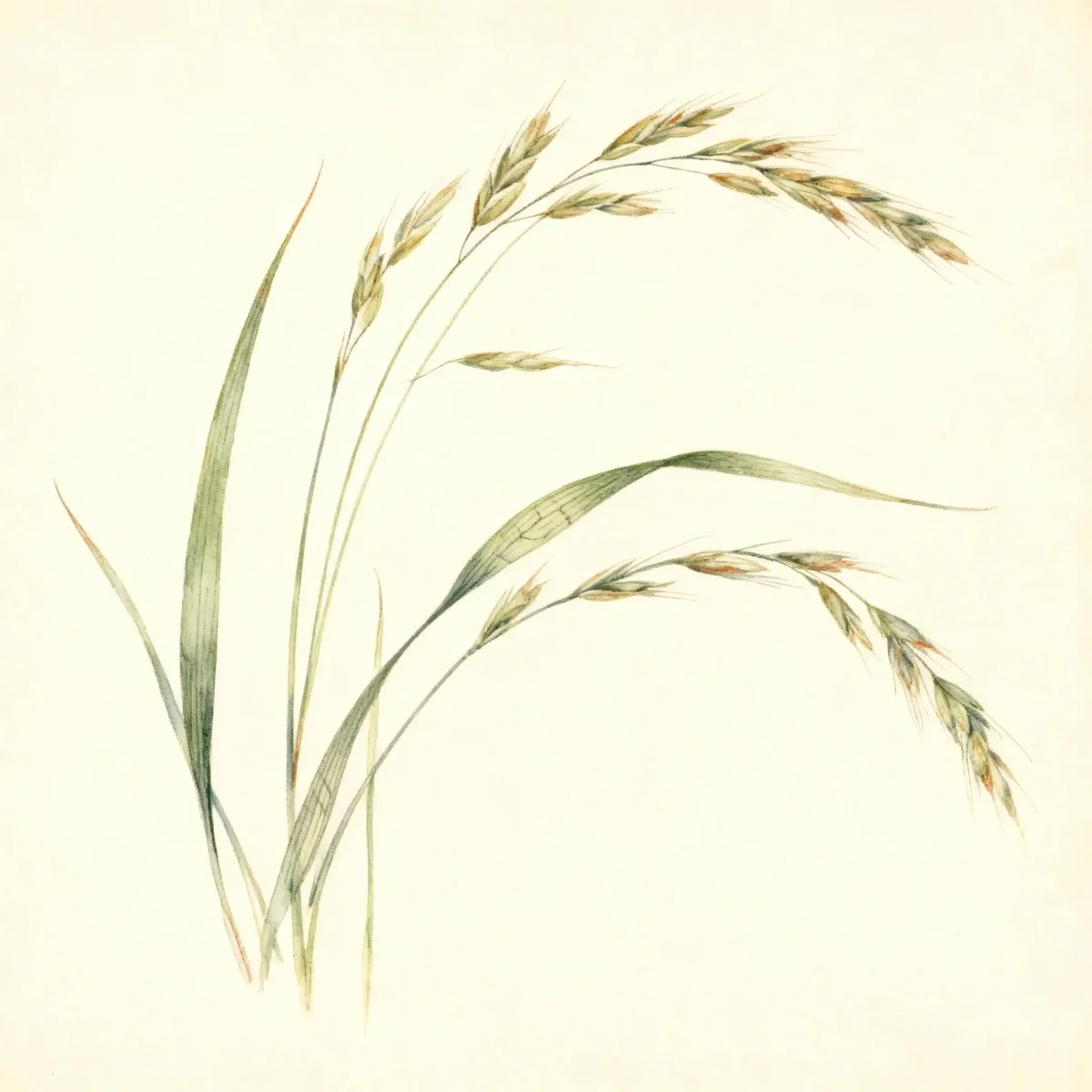
Festuca glauca, commonly called blue fescue, is noted for its glaucous, finely-textured, blue-gray foliage that forms a dome-shaped, porcupine-like tuft. Light green flowers with a purple tinge appear in late spring to early summer on stems rising above the foliage, though these inflorescences are not considered showy. The genus name comes from the Latin word meaning a grass stalk or straw, fitting its slender, upright blades.
Tolerances
- Drought
- Dry Soil
- Shallow-Rocky Soil
- Black Walnut
- Air Pollution
Potential Problems
Plants are short lived and require frequent division every few years to look their best. A primary management issue is the tendency for the center of the clump to decline or die out, necessitating division or replacement. Furthermore, the foliage of Festuca glauca may decline considerably and look ragged during extremely hot and humid summers, often requiring the aforementioned aggressive spring cutback or supplemental watering during severe heat waves to mitigate decline.
Frequently Asked Questions
What hardiness zones is Blue fescue suitable for?
Festuca glauca is suitable for USDA Zones 4 through 8.
How large does Blue fescue grow?
This grass typically reaches a height between 0.75 to 1 foot tall, with a spread of 1 to 1.5 feet.
What sun exposure does Festuca glauca need?
Blue fescue requires full sun to achieve and maintain its brilliant blue foliage color.
When does Blue fescue bloom?
Flowering occurs from June into July, producing blooms described as green with a purple tinge.
Conclusion
Blue fescue (Festuca glauca) provides invaluable silvery-blue texture and drought tolerance, making it a superior choice for edging, accents, and low-maintenance ground covers. To ensure its health, remember to divide the clumps every few seasons and provide required pruning in early spring. Check your local hardiness zone compatibility before incorporating this striking ornamental grass into your landscape design.
Companion Planting
Selecting appropriate partners allows the silver-blue tones of Blue fescue to truly stand out. Consider placing it alongside plants featuring dark green, contrasting foliage, such as Dwarf Mondo Grass (Ophiopogon japonicus) or certain creeping thyme varieties for textural contrast along a border. Since Festuca glauca prefers dry, lean soil, avoid pairing it with moisture-loving perennials, which could lead to root issues for the grass.
Design Ideas
The fine texture of this ornamental grass shines in contemporary and minimalist garden designs, offering a cool visual rhythm against hardscaping elements like gravel or concrete paving. For a dramatic, low-water display, use Blue fescue in drifts punctuated by rounded, grey-leafed succulents like low-growing Sedums or Artemisia. It is also excellent for softening the harsh edges of steps or retaining walls where rooting space is shallow.