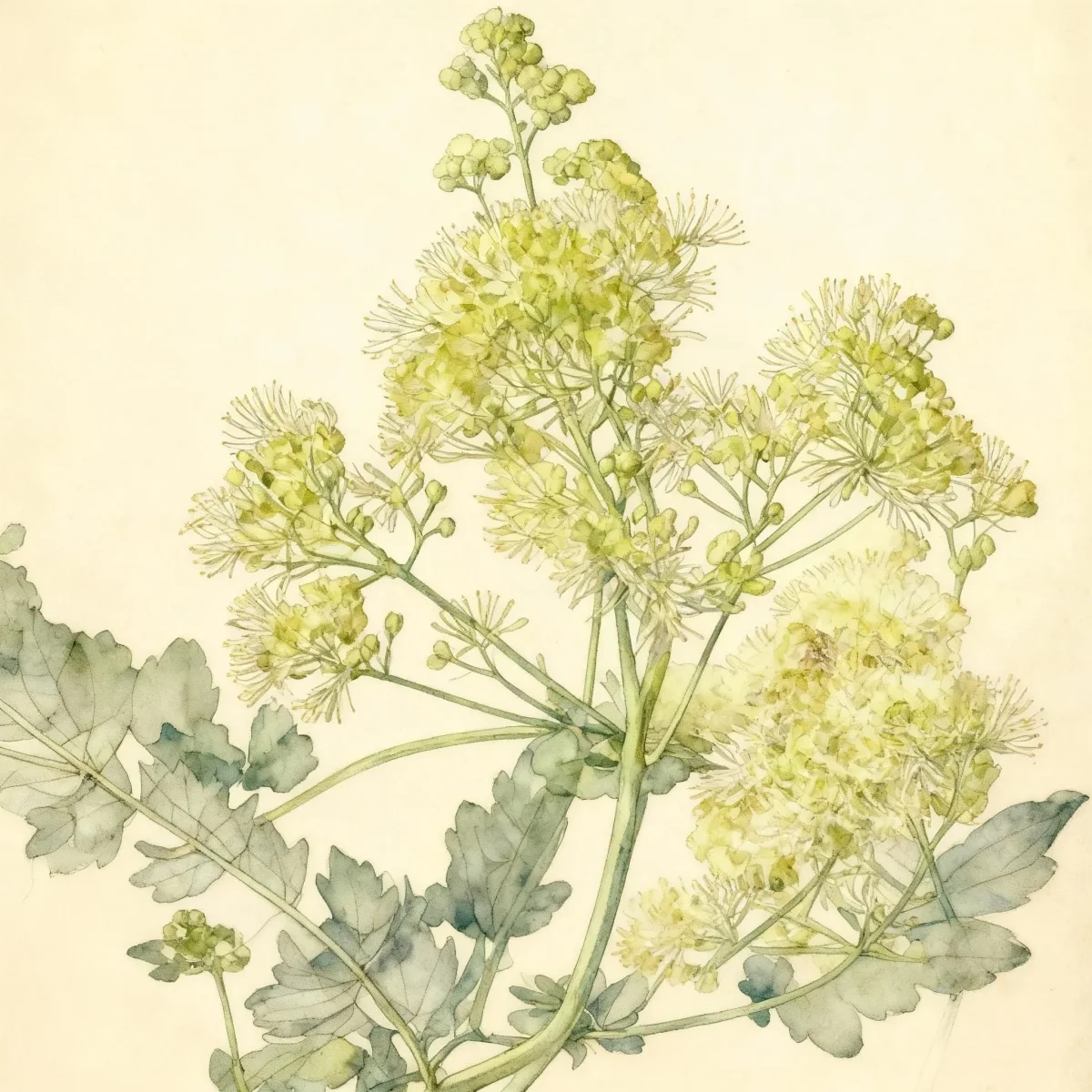
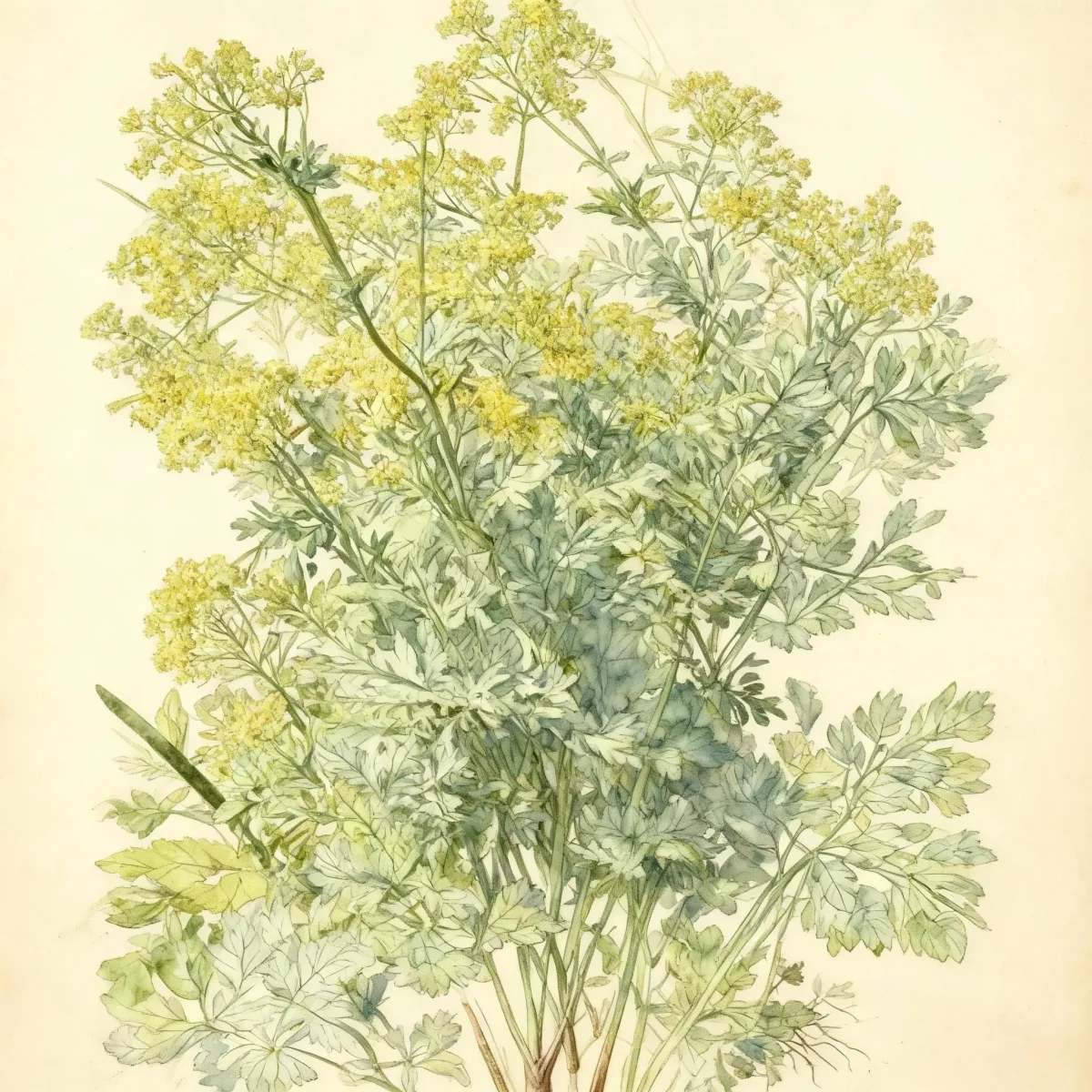
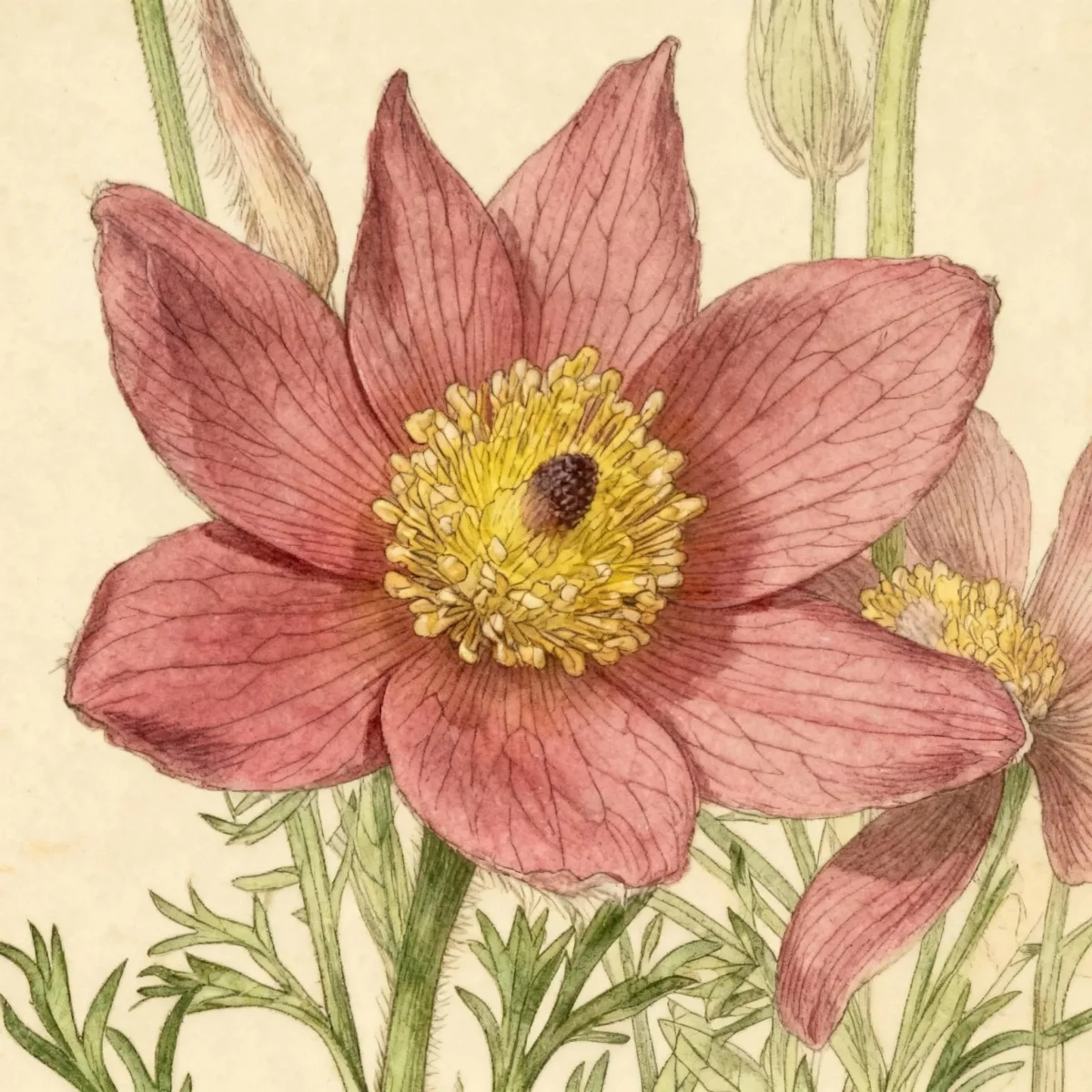
Yellow meadow rue (Thalictrum foetidum)
Thalictrum foetidum, or Yellow meadow rue, offers fine-textured foliage and airy greenish-yellow blooms from May to July. Hardy in Zones 5-8, this low-maintenance perennial is valuable for borders.
Scroll down to discover growing tips, care requirements, companion plants, and more
Complete Plant Information
Overview
Yellow meadow rue (Thalictrum foetidum) is a charming, clump-forming perennial valued primarily for its delicate, lacy foliage. Although the species name suggests an unpleasant odor, the primary ornamental appeal of this plant lies in its fine texture, which contrasts beautifully with coarser plants in the garden. This species brings architectural interest to the middle layers of a border throughout the growing season.
Native to grasslands and slopes in Europe and Asia, Thalictrum foetidum integrates well into established perennial settings. It produces airy sprays of greenish-yellow flowers from late spring into mid-summer, creating a soft haze above the attractive medium green leaves. This plant requires relatively little effort once established, making it an excellent choice for gardeners seeking reliable, beautiful structure.
The fine texture of the foliage, which remains attractive even when not in bloom, is the best ornamental feature of Thalictrum foetidum. Whether used in cottage schemes or more naturalized plantings, this low-maintenance perennial offers consistent visual appeal from spring until frost.
Fast Facts
- Plant Family: Ranunculaceae
- Plant Type: Herbaceous perennial
- Native Range: Asia, Europe
- Hardiness Zones: USDA Zones 5-8
- Size at Maturity:
- Height: 1-2.5 ft
- Spread: 1-1.5 ft
- Bloom Time: May to July
- Bloom Description: Greenish-yellow
- Sun Exposure: Full sun to part shade
- Water Needs: Medium
- Maintenance Level: Low
How to Grow
Plant Thalictrum foetidum in average, medium moisture, well-drained soil when conditions are suitable in spring or early fall. While it tolerates full sun, particularly in cooler climates, gardeners should aim for locations that receive protection from the harshest afternoon heat. In hot summer regions, such as the St. Louis area, ensure the soil is rich and moist, providing dappled sun or some shade to prevent scorching.
Consistent moisture is vital, especially when growing yellow meadow rue in full sun exposure. Avoid letting the soil dry out completely, as this perennial needs regular watering (medium needs) to maintain its foliage quality. Fertilization is usually unnecessary if the soil is already rich, keeping the maintenance level low. Deadheading is optional; removing spent flowers may tidy the appearance but is not required for plant health.
Be aware that Thalictrum foetidum is intolerant of the hot and humid conditions typical of the deep South. Prepare for spring cleanup by removing any old dead foliage before new shoots emerge. Its clump-forming habit means division is rarely necessary unless the plant becomes overcrowded, typically every few years.
Landscape Uses
The airy, fine-textured presence of Thalictrum foetidum makes it a superb textural element within mixed plantings. Foliage may be the best ornamental feature of this plant, acting as a semi-transparent veil. Plants are best sited in perennial borders, mixed cottage gardens, or meadow settings where their height (up to 2.5 ft) can allow shorter blooms in front.
Due to its graceful nature, yellow meadow rue blends seamlessly with plants that have broader leaves, such as peonies or hostas, offering a necessary visual counterpoint. Smaller-growing specimens may be successfully integrated into rock gardens, provided their soil moisture needs are met. For a naturalized look, plant masses of Thalictrum foetidum near open woodland edges or along damp, grassy slopes where they naturally occur.
Standout Features
Flower Qualities
- Showy
Noteworthy Characteristics
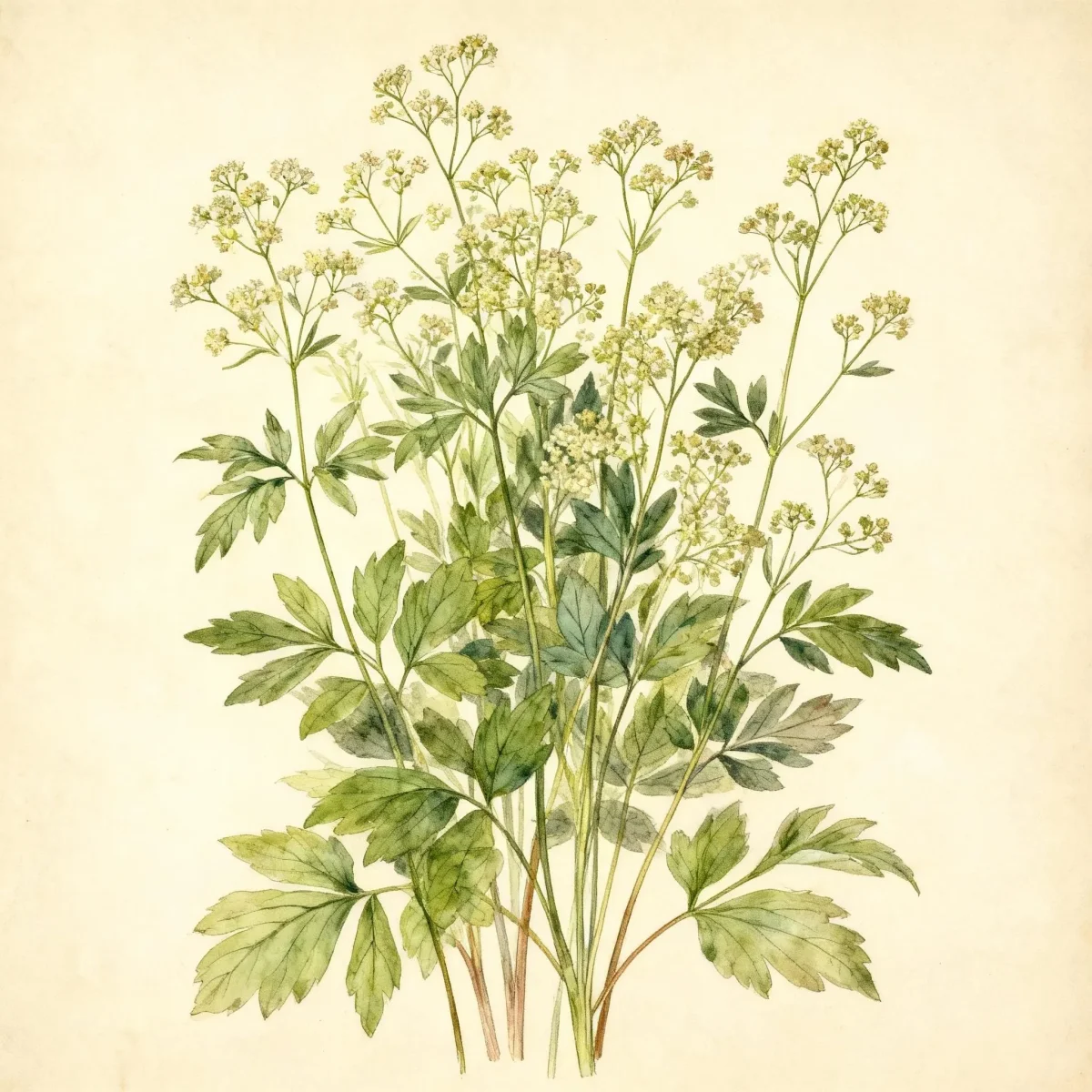
Thalictrum foetidum, commonly called yellow meadow rue, is native to central Europe. It is a clump-forming perennial that is typically found on grasslands, slopes and damp rocky ledges. It typically grows 1-2.5’ tall and features lacy, fine-textured, medium green, compound leaves (3-4 pinnate) which generally remain attractive through the growing season. Tiny, greenish-yellow flowers appear in terminal, branched sprays above the foliage in late spring, creating a mass effect that is somewhat attractive.
Tolerances
- Deer
Potential Problems
This species generally exhibits few complications in the garden. There are generally no serious insect or disease problems reported for Thalictrum foetidum. Focus on providing appropriate cultural conditions—good drainage and consistent moisture—to ensure vigorous health, which naturally deters most opportunistic pests or diseases.
Frequently Asked Questions
What hardiness zones is Yellow meadow rue suitable for?
Yellow meadow rue (Thalictrum foetidum) is reliably hardy in USDA Zones 5 through 8.
How large does Thalictrum foetidum grow?
This herbaceous perennial typically reaches a mature height between 1 and 2.5 feet tall, with a spread ranging from 1 to 1.5 feet wide.
What sun exposure does Thalictrum foetidum need?
Thalictrum foetidum performs best in locations receiving full sun to partial shade, requiring consistent moisture if placed in full sun.
When does Yellow meadow rue bloom?
This species displays its airy, greenish-yellow flowers during the peak late spring and early summer period—specifically from May to July.
Conclusion
Thalictrum foetidum provides irreplaceable airy texture and reliable structure due to its low maintenance level and consistent foliage quality. For gardeners seeking an elegant structural plant that handles medium moisture conditions well, yellow meadow rue is an excellent addition to the mid-border. Check your local USDA zone compatibility and plan to incorporate Thalictrum foetidum into your landscape this coming spring to benefit from its fine texture.
Companion Planting
When selecting companions for Thalictrum foetidum, consider plants that benefit from similar moisture and sun profiles, which often means pairing it with woodland edge species. Plants with bold, large leaves, like Peonies or large Hosta varieties, create an excellent textural contrast against the fine, lacy foliage of yellow meadow rue. In perennial borders, pair it with plants that bloom slightly earlier or later to ensure season-long interest, such as Siberian Iris or late-season Astilbe.
Design Ideas
The delicate nature of the blooms and foliage allows Thalictrum foetidum to soften the edges of more rigid designs. It excels in informal plantings, blending seamlessly into cottage gardens where mingling is encouraged. For a subtle, monochromatic effect, plant yellow meadow rue alongside other plants featuring pale green or white flowers, allowing the airy structure of the Thalictrum to dominate the visual space during early summer.