Indian jujube (Ziziphus jujuba)
The Indian jujube (Ziziphus jujuba) is a deciduous tree from Asia, cherished for its crisp, edible fruit resembling apples or dates.
Scroll down to discover growing tips, care requirements, companion plants, and more
Complete Plant Information
Overview
The Indian jujube, scientifically known as Ziziphus jujuba, offers gardeners a unique combination of historical significance and delicious autumn fruit production. This droopy-branched, deciduous tree is primarily cultivated for its fruit, which transitions from an apple-like crispness when young to date-like sweetness when fully cured. Growing Ziziphus jujuba successfully requires consistent heat and full sun exposure, rewarding patient growers with a rewarding harvest.
Native to temperate Asia, this large shrub or small tree matures typically between 15 and 30 feet tall. While largely underutilized in modern American landscaping, the Ziziphus jujuba has a cultivation history spanning over four millennia in China. Its attractive appearance, combined with its edible yield, makes it a valuable addition to home gardens prioritizing edible landscaping.
Fast Facts
- Plant Family: Rhamnaceae
- Plant Type: Tree
- Native Range: Temperate Asia
- Hardiness Zones: USDA Zones 6-9
- Size at Maturity:
- Height: 15-30 ft
- Spread: 15-25 ft
- Bloom Time: May to June
- Bloom Description: White to yellowish-green
- Sun Exposure: Full sun
- Water Needs: Medium
- Maintenance Level: Medium
How to Grow
Planting the Indian jujube should occur during the dormant season, allowing the roots to establish before the intense summer heat typical of its preferred climates arrives. This tree thrives in full sun and prefers average, well-drained soils, tolerating alkaline conditions well. Ensure the location drains effectively, as heavy, poorly drained soils must be strictly avoided.
Established Ziziphus jujuba specimens exhibit some drought tolerance, which is expected given its preference for hot, somewhat dry climates. However, for optimal growth and fruit development, maintain consistent, regular moisture, especially during the growing season. Be aware that this tree has a tendency to sucker from the roots, requiring occasional trimming to maintain desired structure.
Minimal pruning is usually required once shape is established, focusing mainly on removing deadwood or suckers. Protect developing fruits from early frosts in northern areas, as the growing season must be long enough for the fruit to fully ripen into its desired texture and sweetness.
Landscape Uses
The primary appeal of the Indian jujube is undeniably its fruit production, leading to its placement in home gardens where fruit access is the main goal. While not commonly selected for purely ornamental reasons, its somewhat spiny branches and deciduous nature should be considered when positioning it within a landscape design scheme.
When planting Ziziphus jujuba, locate it where its mature spread (up to 25 feet) allows ample room without encroaching permanently on structures or walkways. If using it near edible garden plots, focus on companions that share its high sun and heat requirements, avoiding competition for consistent moisture that the maturing crop needs.
Standout Features
Flower Qualities
- Fragrant
- Insignificant
Fruit Qualities
- Showy
- Edible
Noteworthy Characteristics
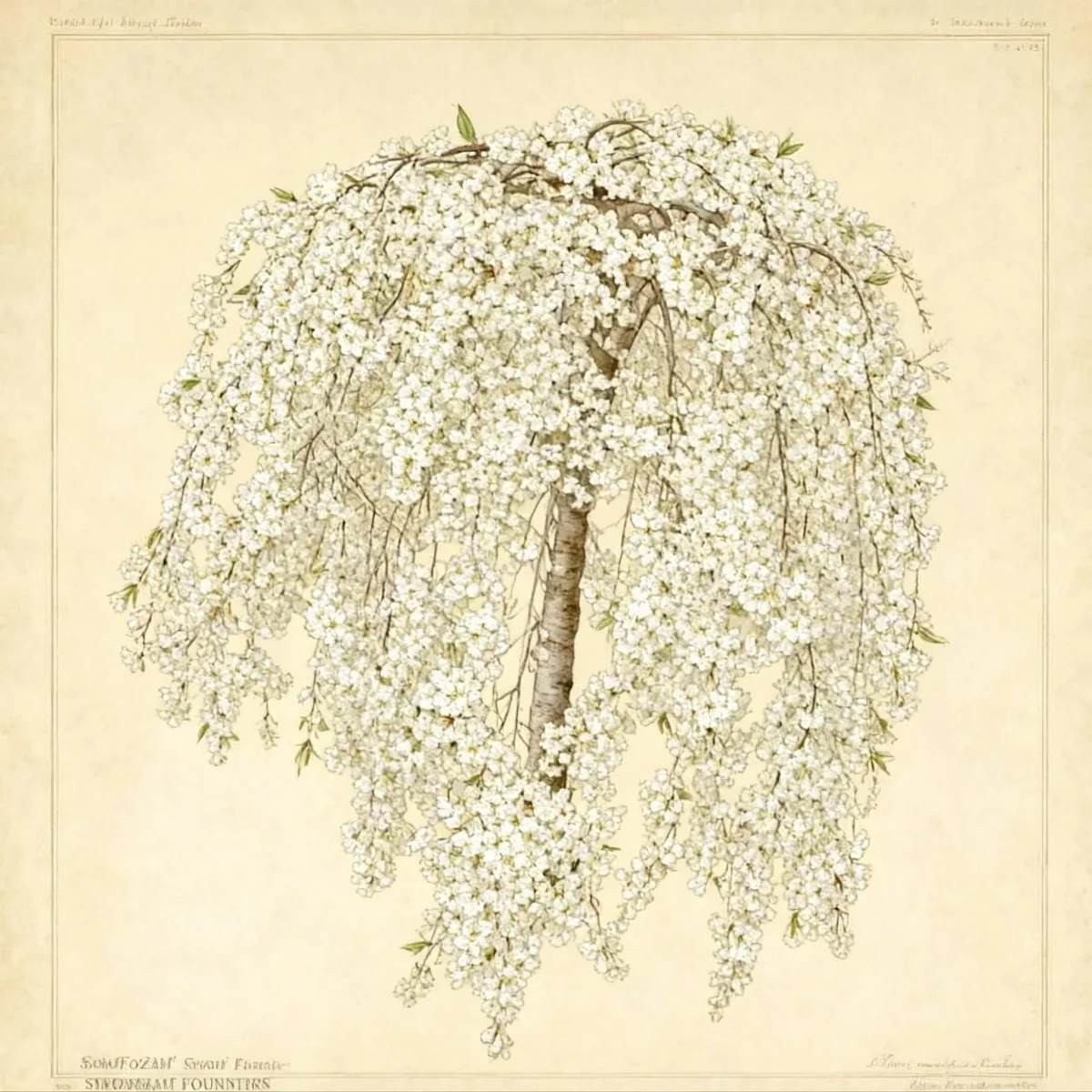
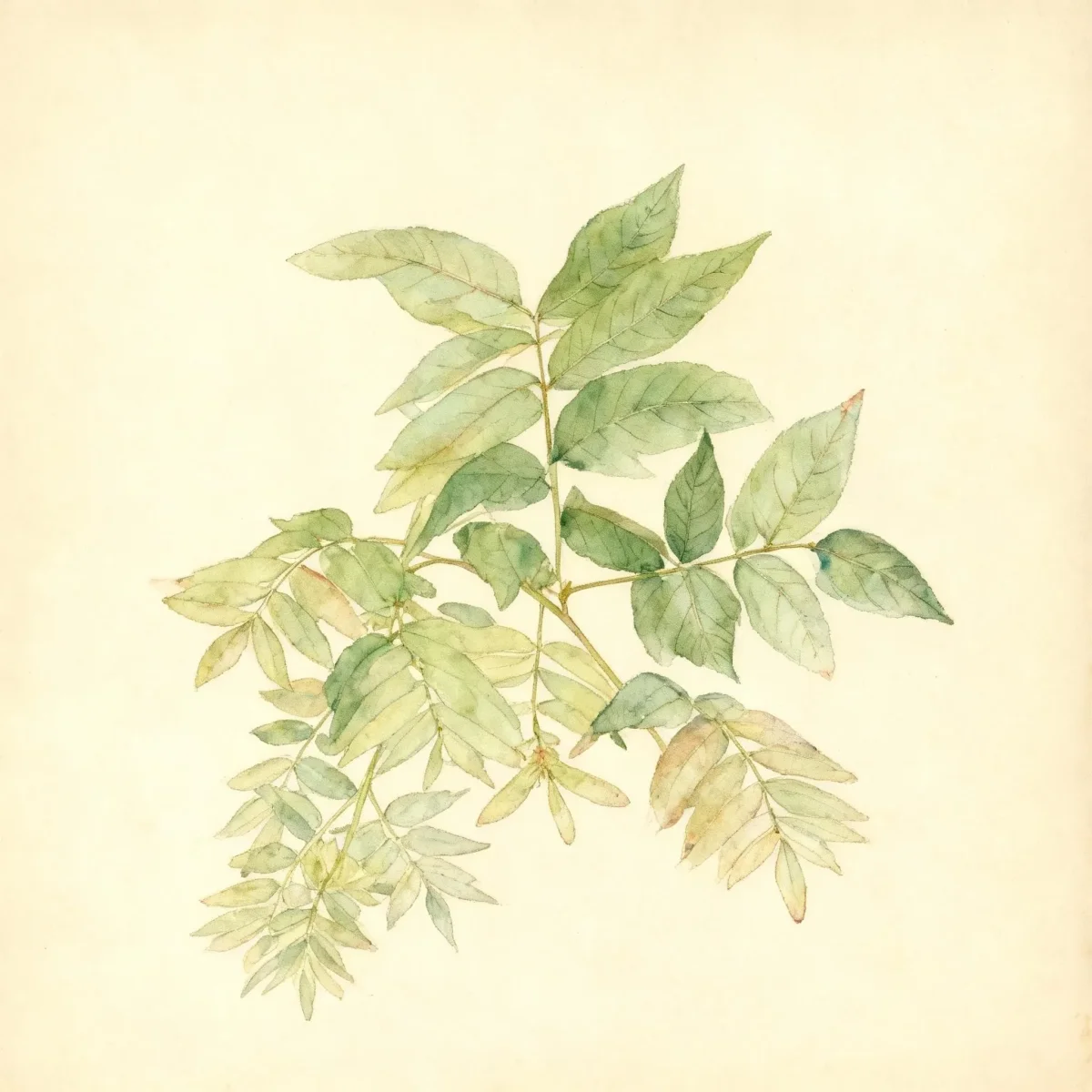
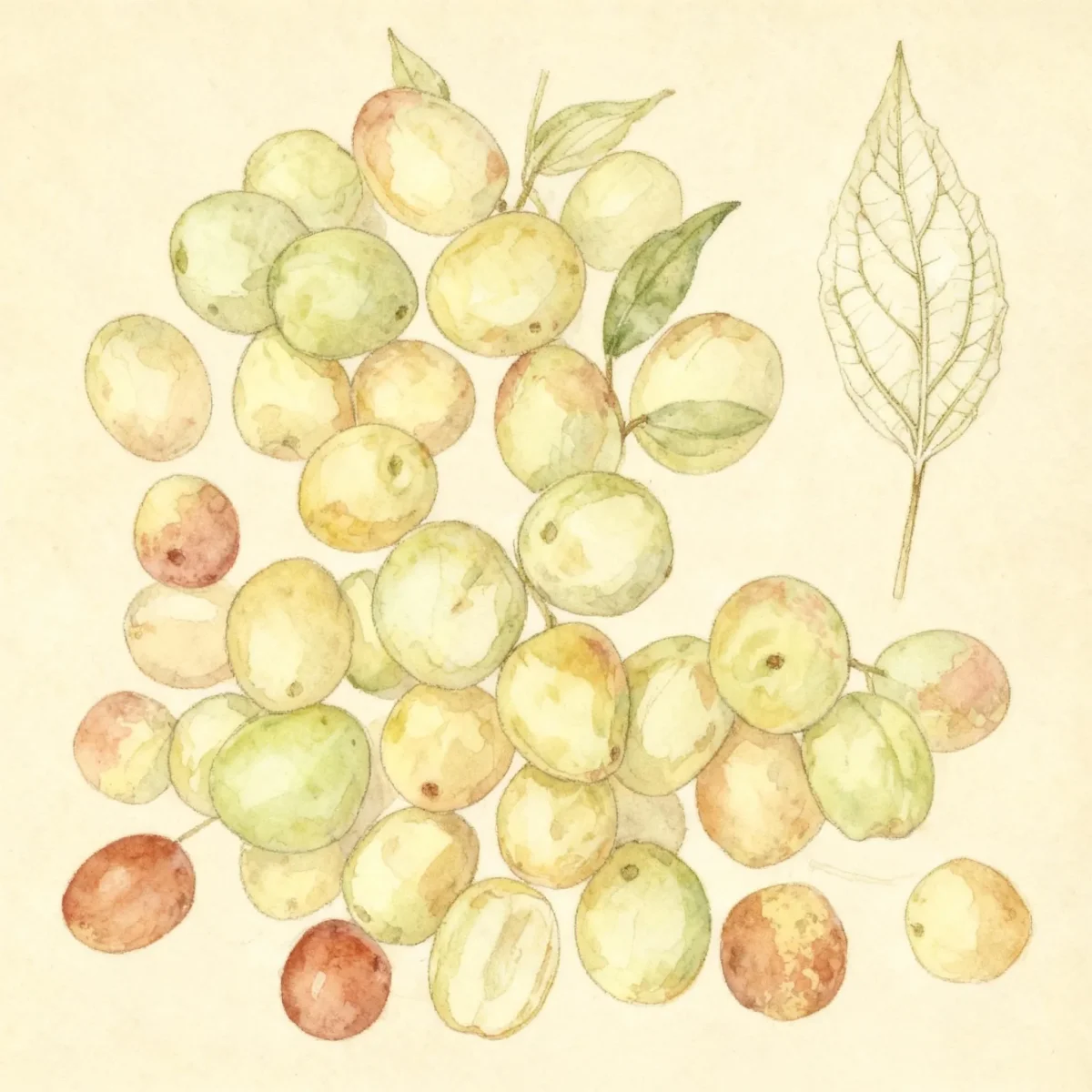
Ziziphus jujuba, called common jujube, is recognized as a small, droopy-branched, somewhat spiny, deciduous tree or large shrub native from southeastern Europe to China, typically reaching 15 to 30 feet tall. Small, glossy green leaves are ovate to oblong-elliptic and turn yellow in the fall. The fruit matures from green to red, offering a crisp, sweet flesh reminiscent of an apple before wrinkling to resemble a date. This plant is sometimes known by the scientific name Ziziphus zizyphus and possesses numerous traditional medicinal uses.
Tolerances
No specific resistances were explicitly listed beyond general soil tolerance.
Potential Problems
Fortunately, the Indian jujube generally avoids serious insect or disease issues in most manageable climates. The most significant concern revolves around fruit production itself; in the cooler, northern boundaries of its growing range (Zone 6), the season may be insufficient for the fruit to fully ripen before frost. Gardeners should also note that fallen, overly ripe fruits can create unwanted litter beneath the tree canopy.
Frequently Asked Questions
What hardiness zones is Indian jujube suitable for?
The Ziziphus jujuba is best suited for USDA Hardiness Zones 6 through 9.
How large does Indian jujube grow?
This tree typically reaches a mature height between 15 and 30 feet, with a corresponding spread often between 15 and 25 feet.
When does Indian jujube bloom?
The fragrant, small, white to yellowish-green flowers appear during the late spring to early summer, specifically from May to June.
What sun exposure does Ziziphus jujuba need?
To perform optimally and set fruit, the Ziziphus jujuba requires full sun exposure throughout the day.
Conclusion
The Ziziphus jujuba provides a fascinating opportunity for gardeners to cultivate an ancient and rewarding fruit crop, often referred to as the Chinese date. Its attractive form combined with the dual texture and flavor profile of its edible fruit makes the Indian jujube highly valuable. Before planting, confirm that your local climate provides the extended heat and full sun exposure necessary for successful fruiting.
Companion Planting
When planning the layout around your Ziziphus jujuba, select other heat-loving, drought-tolerant plants that thrive in full sun. Consider pairing it with Mediterranean herbs like Rosemary or Lavender, which enjoy similar well-drained soil conditions and high daytime temperatures. Ensure that any companions do not overly shade the base of the tree, as this can encourage suckering and reduce fruit yield on the main specimen.
Design Ideas
Because the Ziziphus jujuba can develop a somewhat sprawling or droopy habit, it works well planted as a specimen tree in a large, sunny yard where its silhouette can be appreciated. In warmer climates, it can serve as a surprisingly effective, informal screen or backdrop, especially given its medium maintenance demands. For the best harvest, treat it as a focal point in an edible landscape section rather than trying to hide it in dense mixed borders.