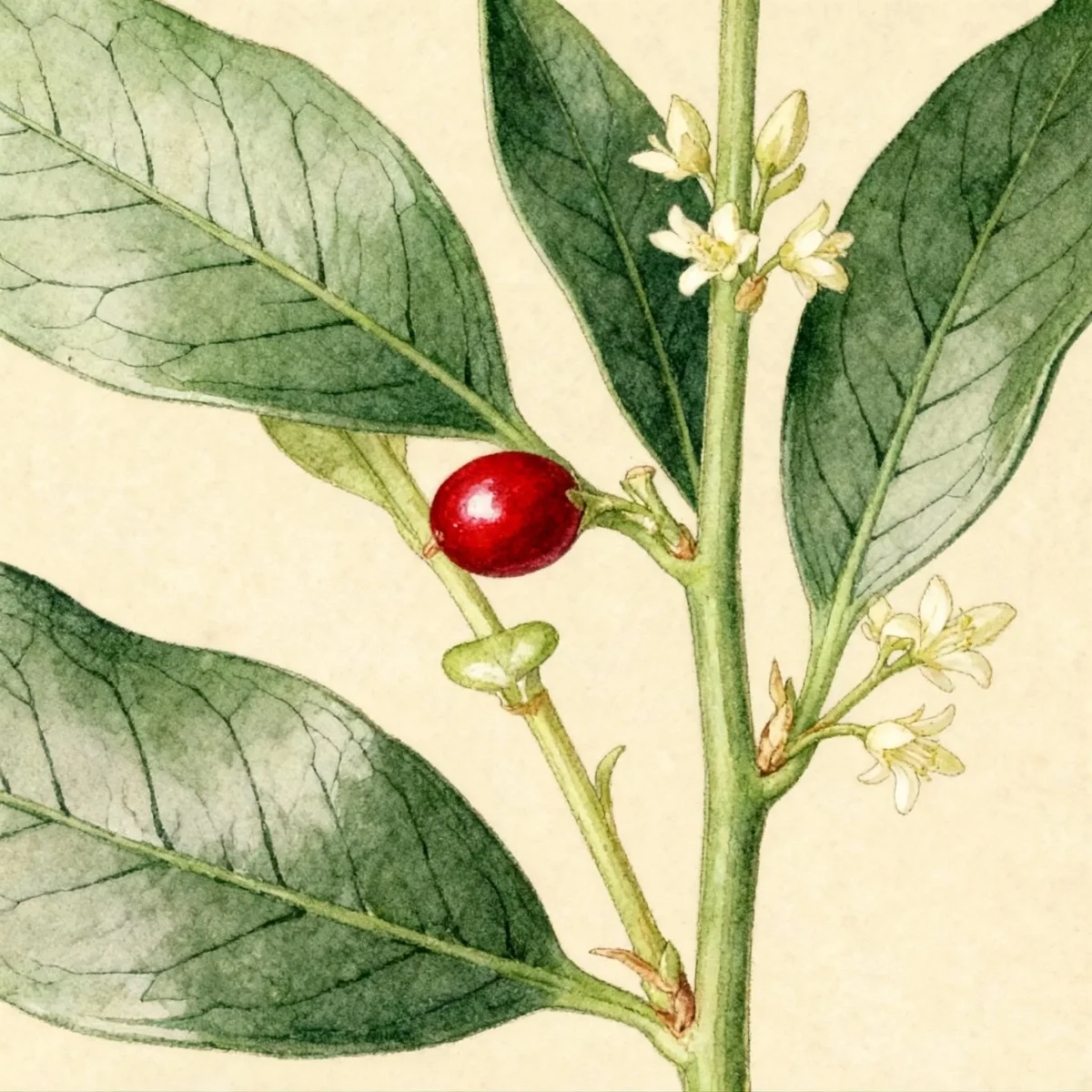
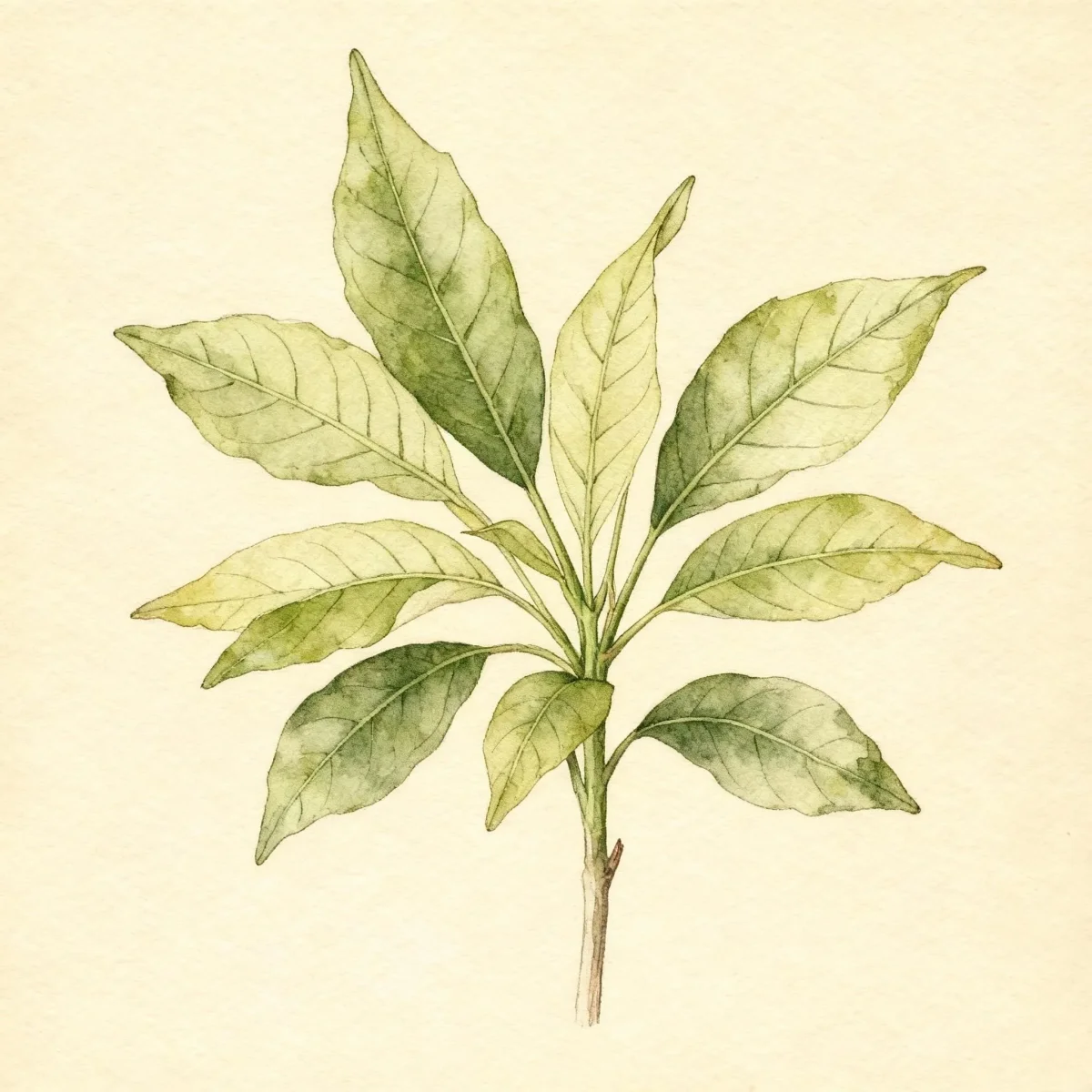
Japanese skimmia (Skimmia japonica)
Skimmia japonica, or Japanese skimmia, is a dense evergreen shrub prized for fragrant spring flowers and persistent red berries.
Scroll down to discover growing tips, care requirements, companion plants, and more
Complete Plant Information
Overview
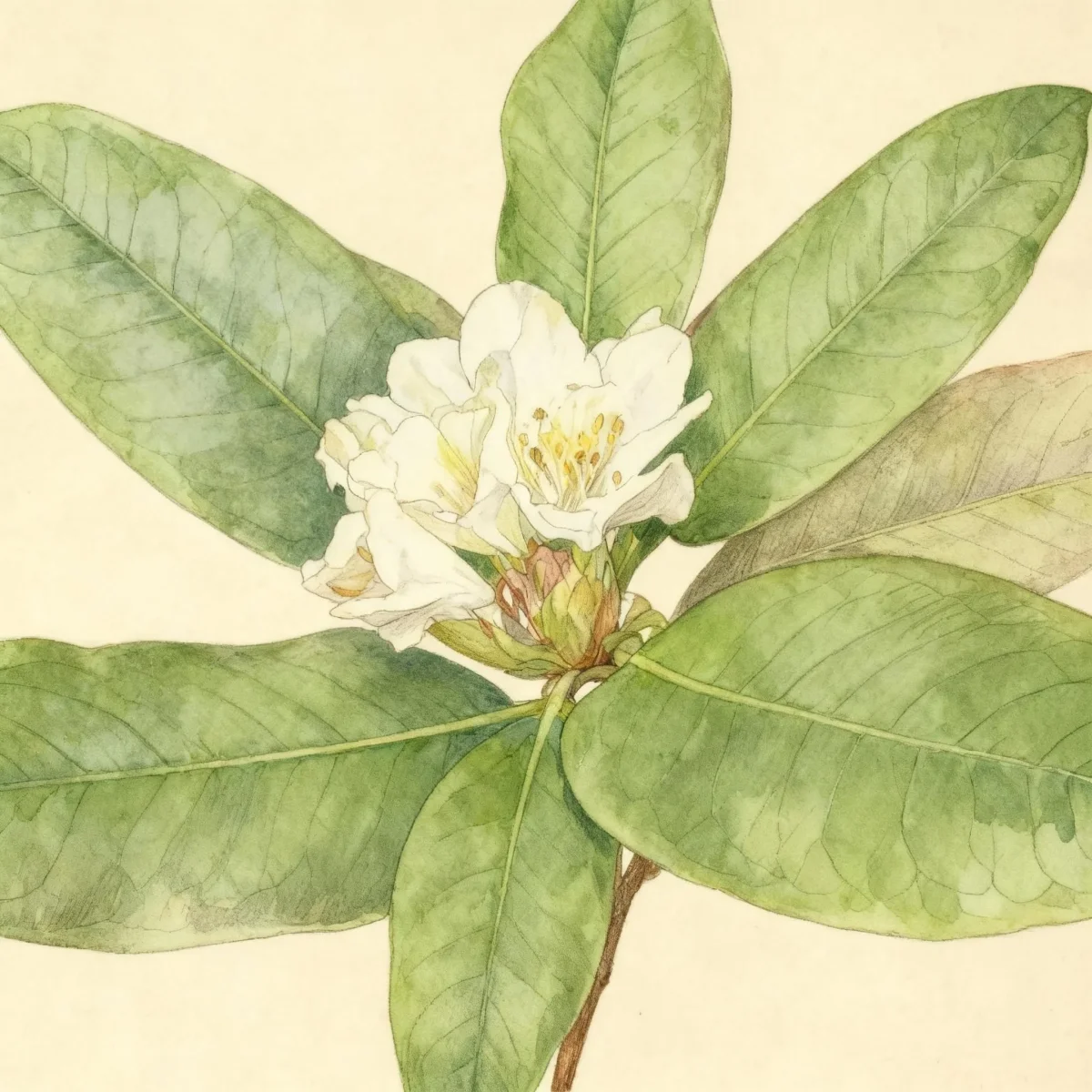
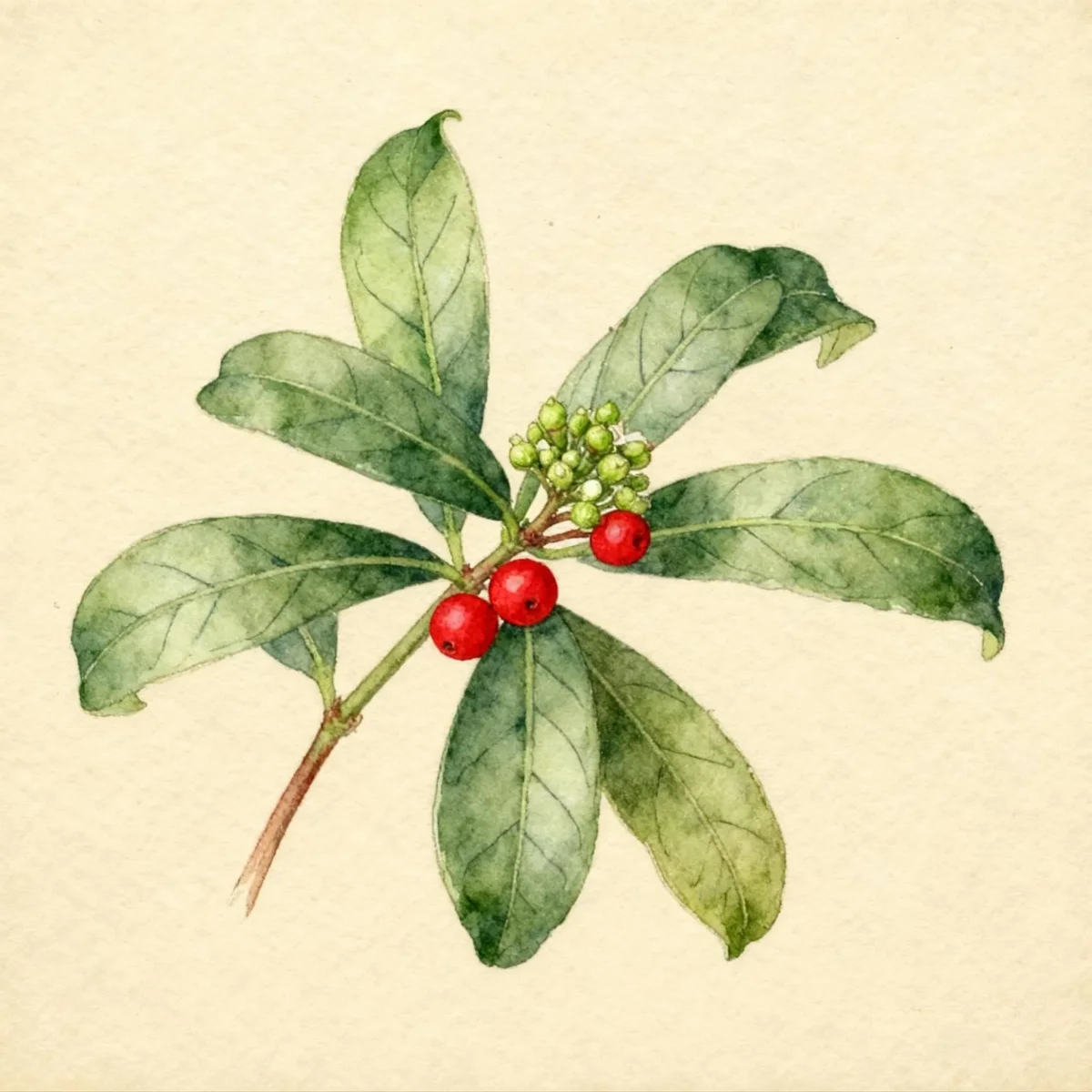
The Japanese skimmia (Skimmia japonica) is a distinguished broadleaf evergreen shrub highly valued for its structure and year-round aesthetic appeal in shaded gardens. This compact grower offers creamy white, mildly fragrant flowers in mid-spring, which are followed by vibrant red berries persisting through winter on female plants. It provides excellent textural contrast against other woodland plantings, making Skimmia japonica a cornerstone for dark, difficult areas.
Maturing typically between 3 and 4 feet tall with a spread up to 5 feet, the Japanese skimmia forms a dense, mounded habit. Its leathery, dark green foliage remains deeply colored even in deep shade, offering structure when many other plants are dormant. The value of this shrub lies in its low maintenance coupled with its dependable winter interest provided by the showy fruit set when male plants are present nearby.
Native to Japan and China, Skimmia japonica brings an exotic, rich green presence to temperate landscapes. Success with this plant hinges on providing the rich, moist soil conditions it naturally prefers in its native understory habitat. Gardeners appreciate the reliability of this evergreen for framing walkways or providing foundation coverage where sun exposure is minimal.
Fast Facts
- Plant Family: Rutaceae
- Plant Type: Broadleaf evergreen
- Native Range: Japan, China
- Hardiness Zones: USDA Zones 6-8
- Size at Maturity:
- Height: 3-4 ft
- Spread: 4-5 ft
- Bloom Time: April
- Bloom Description: Creamy white
- Sun Exposure: Part shade to full shade
- Water Needs: Medium
- Maintenance Level: Low
How to Grow
To establish a thriving Japanese skimmia, seek planting locations providing moist, humusy, organically rich, and well-drained soils. While it tolerates deep shade, it performs best in part shade or sun-dappled conditions beneath taller trees. Avoid exposing Skimmia japonica to harsh afternoon sun, as the foliage is prone to scorching. Planting is best done in spring or early fall, allowing the roots to establish before extreme temperatures.
Water needs for this shrub are medium; consistent moisture is critical, especially during dry spells. Avoid letting the soil dry out completely, which stresses the plant, though excellent drainage must be maintained to prevent root rot. Low maintenance is a hallmark of this species, requiring minimal pruning other than shaping, typically done right after flowering. Fertilizing should be light, focusing on incorporating organic matter around the base annually to support soil health.
A unique cultural requirement for this plant involves its reproductive habits. The shrub is dioecious, meaning male and female flowers appear on separate plants. To achieve the decorative red fruit set characteristic of the female Japanese skimmia, ensure you plant at least one fragrant male specimen for every six females within close proximity for effective pollination.
Landscape Uses
The evergreen nature and dense habit of Skimmia japonica make it exceptionally useful for creating year-round presence in the landscape. It excels when used as a neat, informal hedge, delivering consistent texture along property lines or garden borders where taller privacy screens are not required. It functions beautifully as an understory shrub, softening the base of mature deciduous or evergreen trees in woodland gardens.
When utilizing Japanese skimmia in foundation plantings, ensure adequate spread room is available so the mounding form can mature without constant shearing. Its tolerance for heavy shade also makes it a superb choice for filling dark corners where many flowering shrubs decline. Consider pairing it with acid-loving companions like rhododendrons, azaleas, or shade-tolerant ferns like the Japanese painted fern to enhance the rich, dark green aesthetic.
Standout Features
Flower Qualities
- Showy
- Fragrant
Fruit Qualities
- Showy
Noteworthy Characteristics
Skimmia japonica, commonly called Japanese skimmia, is a dense, mounded, broad-leaved evergreen shrub that matures to 3-4’ tall and to 5’ wide. This shrub is ornamentally grown in shady locations for appreciation of its evergreen leaves, mildly fragrant white flowers in spring and red fruits on female plants in fall. Leathery, dark green leaves cluster somewhat whorl-like at the branch ends and are aromatic when crushed, contributing significantly to its year-round appeal.
Tolerances
- Heavy Shade
Potential Problems
Skimmia japonica is generally robust and avoids serious insect or disease issues, classifying it as an easy-to-grow evergreen. The primary pests to monitor are scale insects and aphids, which can sometimes cluster on new growth or the undersides of leaves. Should these appear, horticultural oil or insecticidal soap can effectively treat minor infestations. Mites are another sporadic concern, particularly if the plant is struggling in overly dry or sunny conditions. Maintaining optimal soil moisture helps keep the Japanese skimmia vigorous and less susceptible to pest pressure.
Frequently Asked Questions
What hardiness zones is Japanese skimmia suitable for?
The Japanese skimmia is suitable for USDA Hardiness Zones 6 through 8.
How large does Japanese skimmia grow?
At maturity, Skimmia japonica typically reaches a height of 3 to 4 feet and spreads between 4 and 5 feet wide.
What sun exposure does Skimmia japonica need?
This plant thrives best in part shade to full shade conditions; exposure to direct, intense sun may cause the foliage to scorch.
When does Japanese skimmia bloom?
The flowers appear in April, producing a display of fragrant, creamy white blooms at the branch tips.
Conclusion
The Japanese skimmia provides essential structure and reliable seasonal color, particularly its famous winter berries, making it an invaluable asset for shaded garden designs. Because of its low maintenance needs and preference for rich, well-drained soil, Skimmia japonica offers sophisticated year-round appeal. Before planting, confirm your garden falls within USDA Zones 6–8 and ensure adequate moisture and shade are provided for success.
Companion Planting
Due to its cultural affinity for shade and acidic, humus-rich soils, Japanese skimmia pairs beautifully with other woodland edge plants. Consider using hostas, especially those with variegated foliage, to complement the dense green structure of Skimmia japonica. Ferns, such as the Japanese Painted Fern or Autumn Fern, add delicate texture contrast against the shrub’s leathery leaves. These companions share similar root zone preferences, simplifying overall soil care in your shady border.
Seasonal Care Calendar
For optimum health, focus care around seasonal shifts. In early spring, before new growth begins, lightly amend the soil surface with compost to feed the shallow roots of the Japanese skimmia. Summer care primarily involves monitoring water needs; focus on deep, infrequent watering during dry spells rather than shallow sprinkles. In late fall, after the ornamental red fruits have ripened, ensure the plant is well-watered before the ground freezes, which helps prevent winter desiccation of the evergreen foliage. Repair pruning should be done immediately after flowering to maintain shape without sacrificing next year’s flower buds.