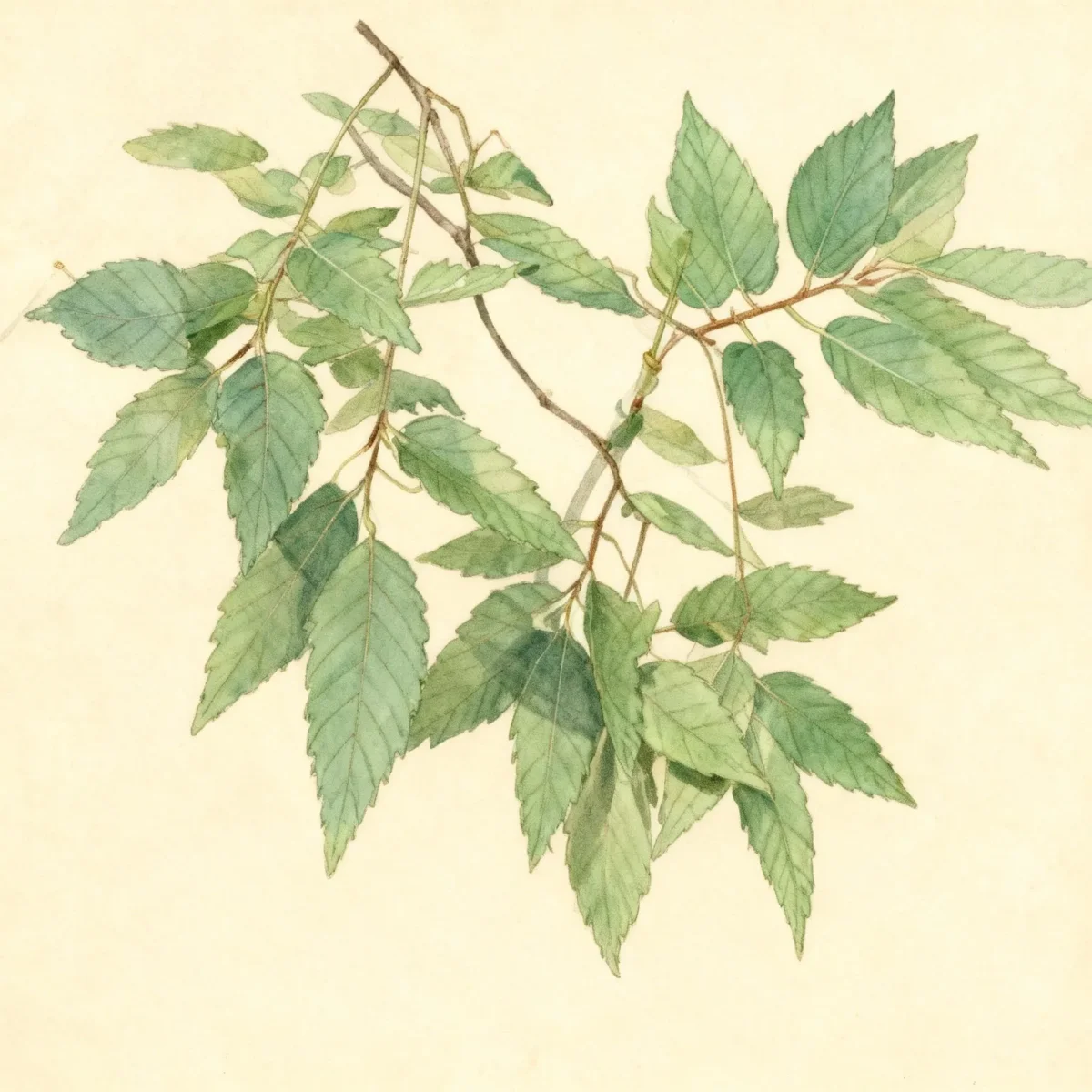
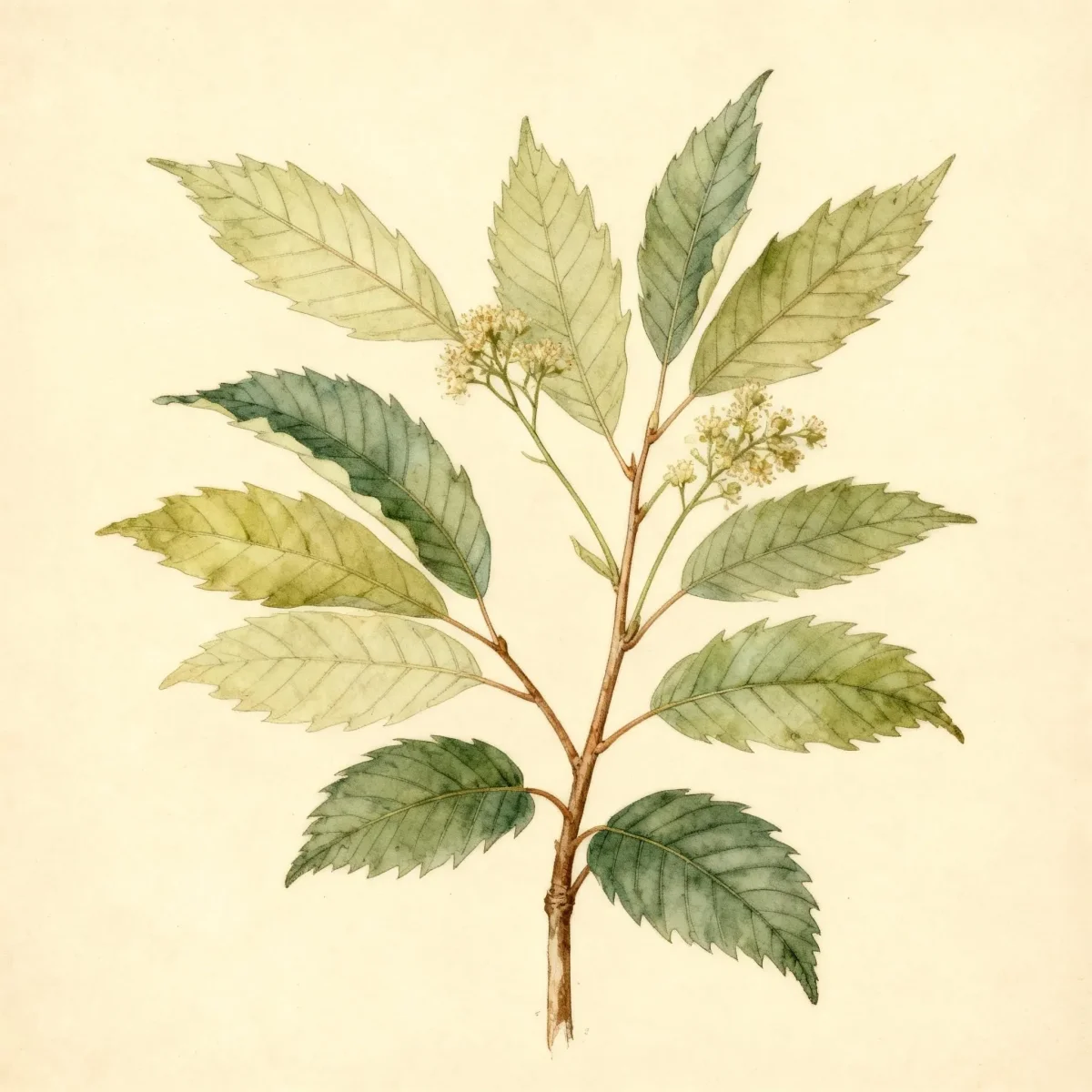
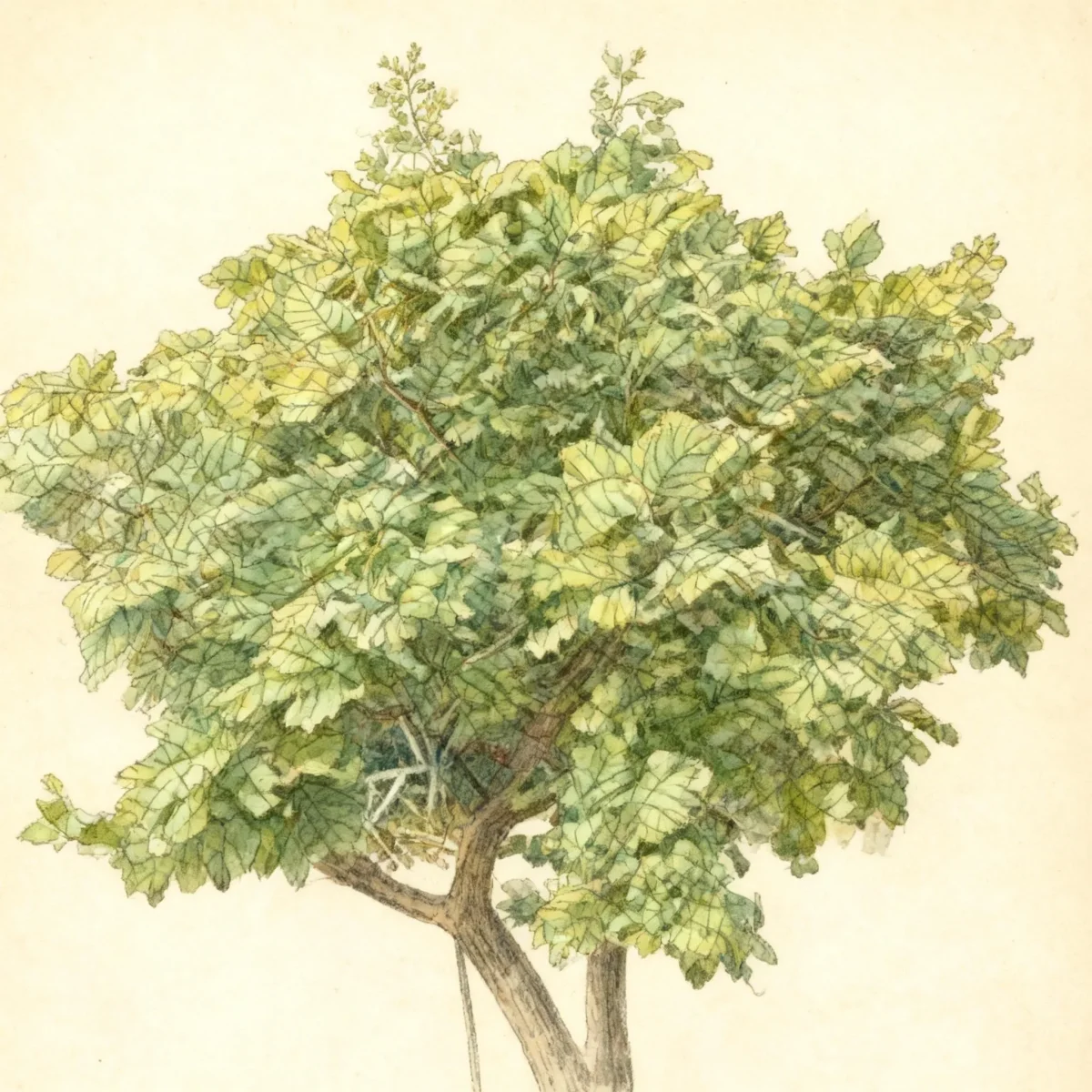
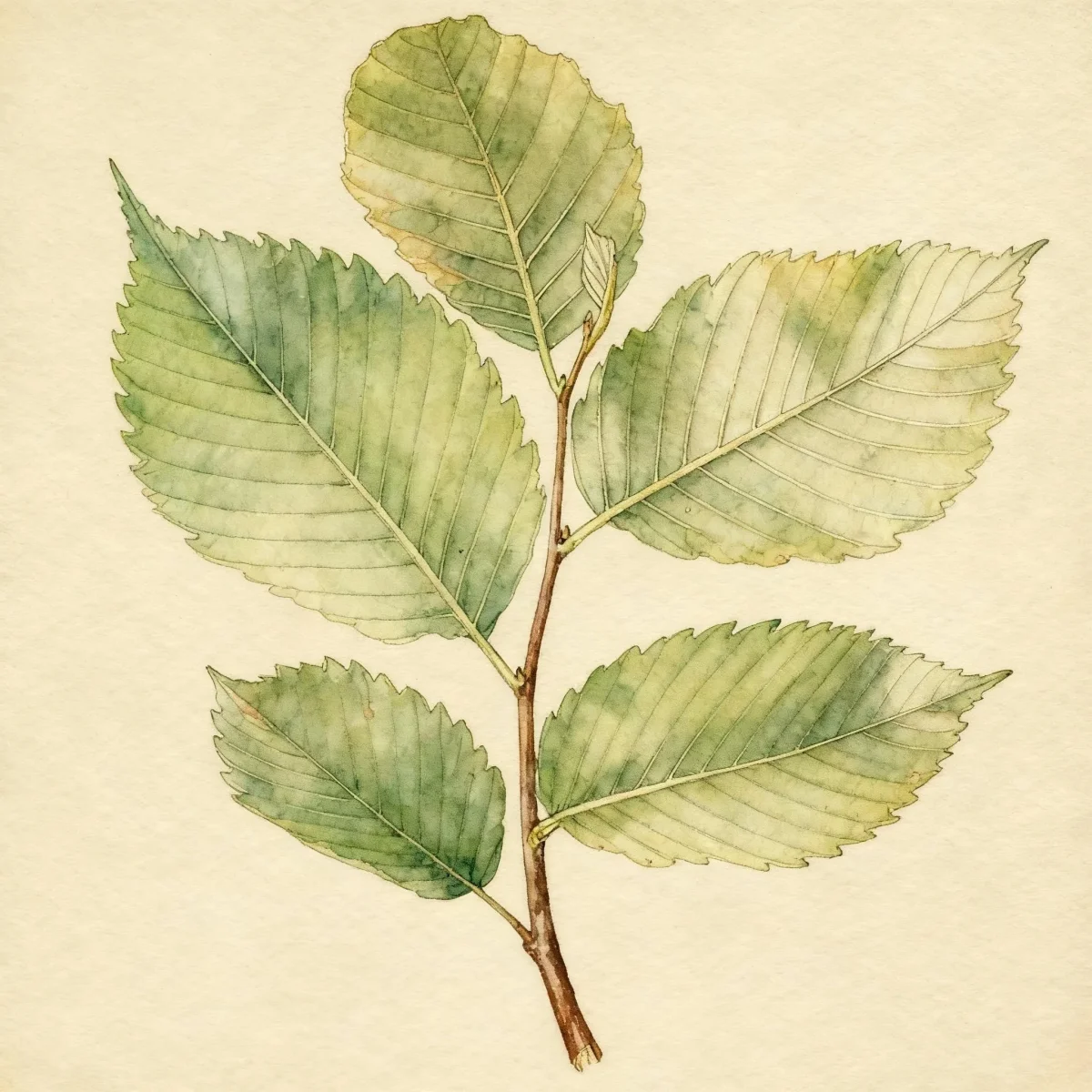
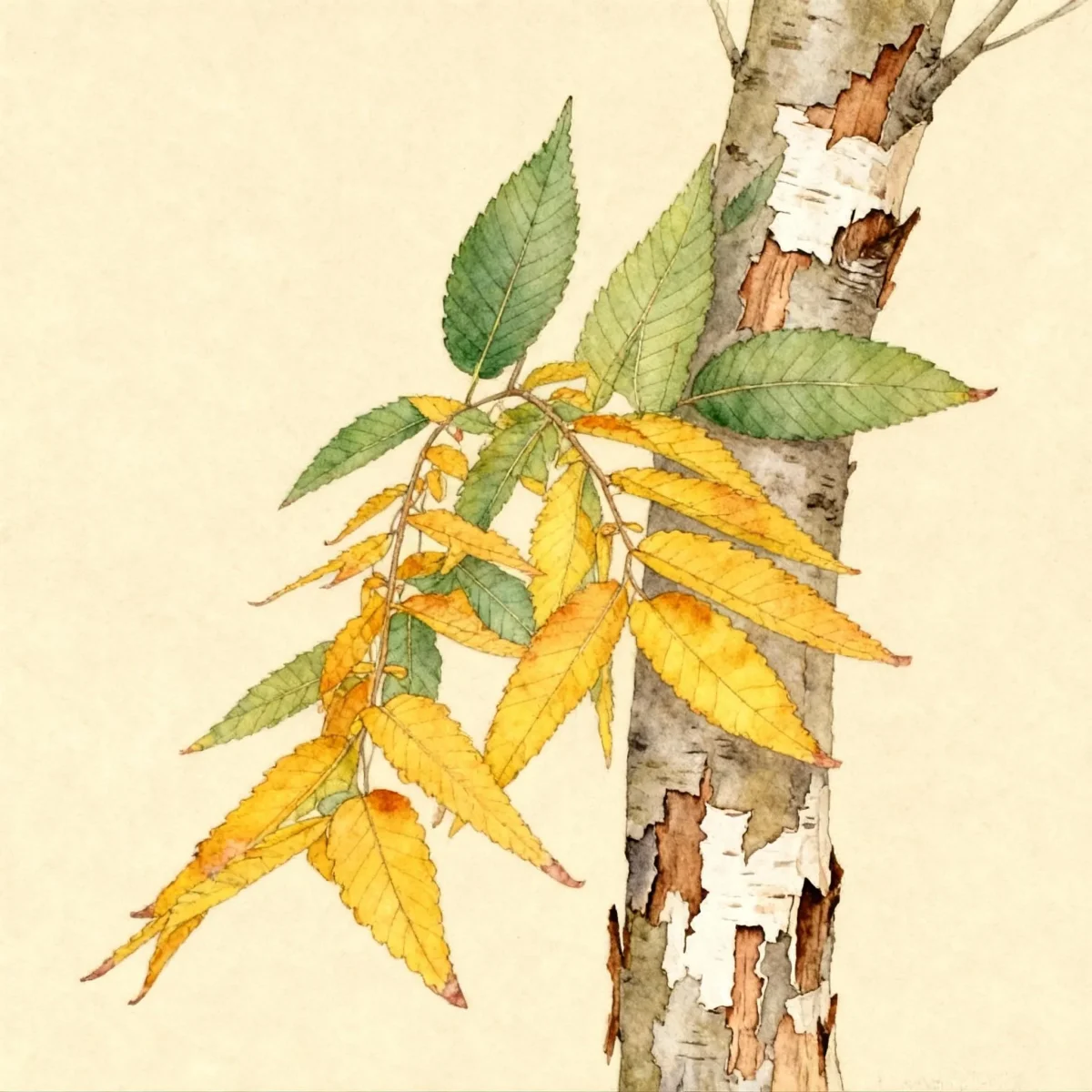
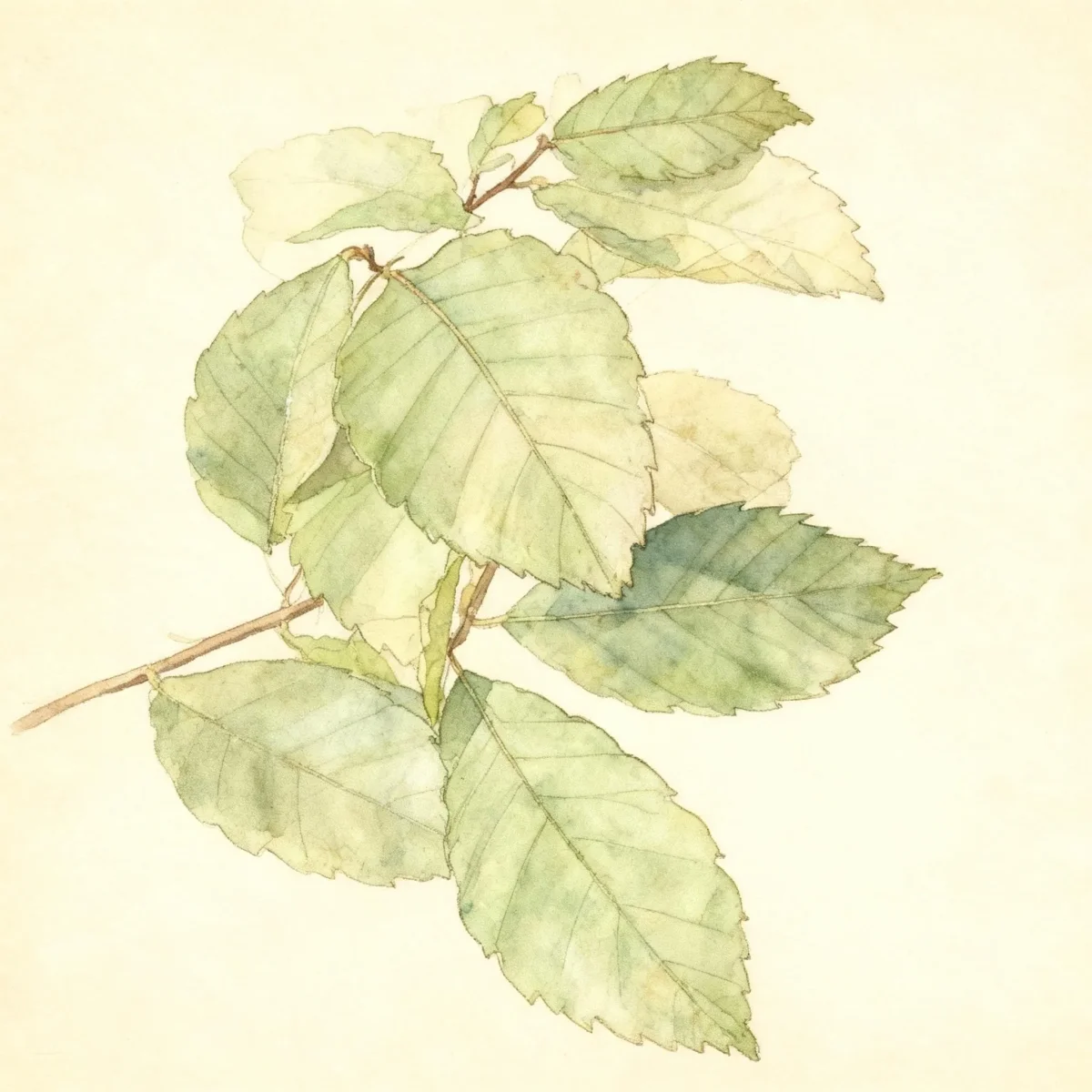
Winged elm (Ulmus alata)
Discover the deciduous Winged elm (Ulmus alata), a mid-sized tree native to Eastern N. America, valued for upright form and adapting to urban conditions.
Scroll down to discover growing tips, care requirements, companion plants, and more
Complete Plant Information
Overview
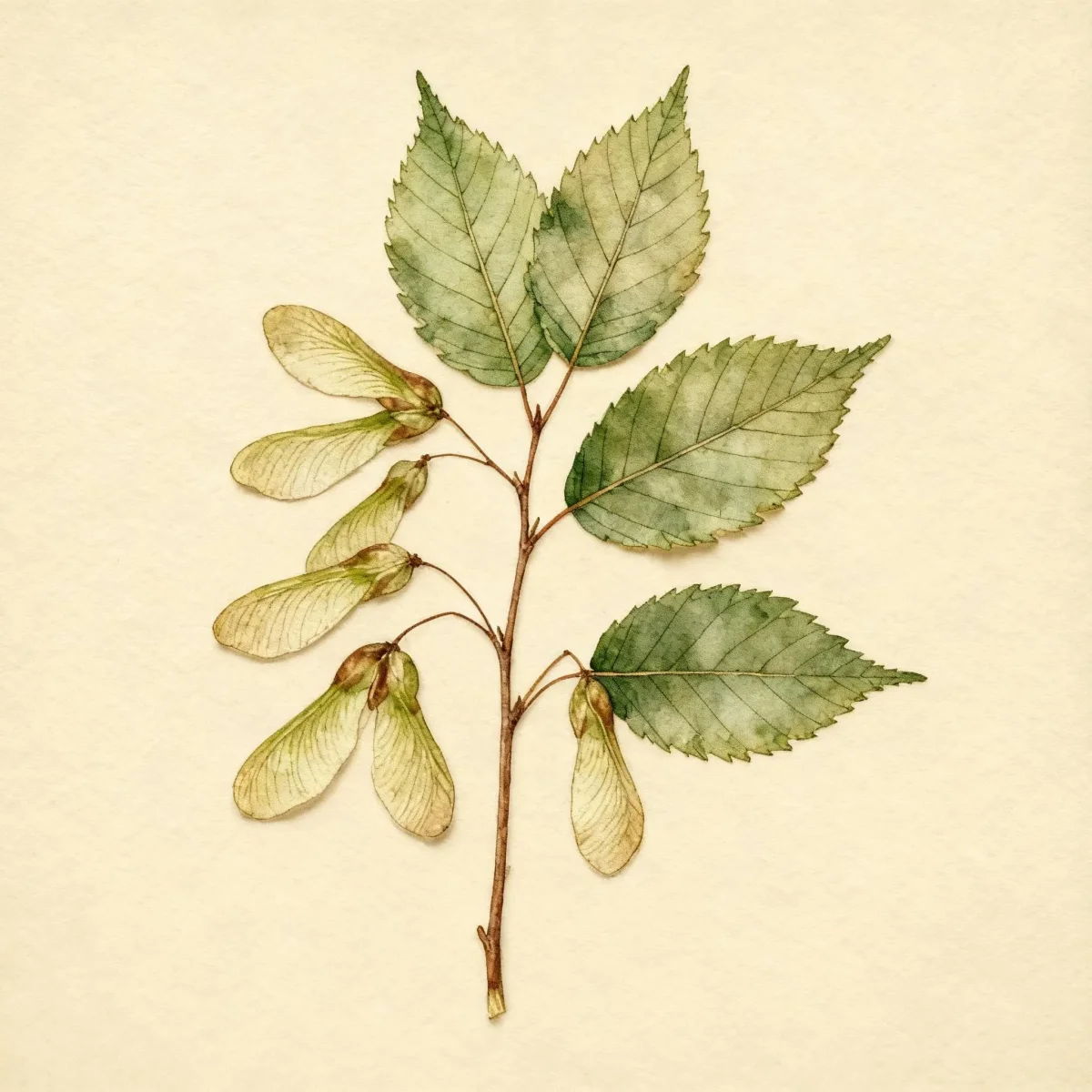
The Winged elm (Ulmus alata) is a small to medium-sized deciduous tree prized for its adaptable nature and distinctive bark features. This species, known by the common name Winged elm, develops an appealing open-rounded crown as it matures, making it a useful shade addition to landscapes. Native primarily to Eastern and Central North America, it thrives across a wide variety of sites once established.
A key identifier for Ulmus alata is its branchlets, which are adorned with two wide, corky wings, giving rise to its specific epithet. While its flowers are visually insignificant, the speedy development of its wafer-like samaras in spring ensures early seed dispersal. Gardeners often appreciate the low maintenance required once established, though structural pruning is sometimes necessary when young.
This elm is recognized for its general tolerance to urban stresses, including certain levels of air pollution. While it may not be the most showy specimen, its size (30-50 ft tall) makes it a suitable but infrequent choice for street or shade tree applications where resilience is key.
Fast Facts
- Plant Family: Ulmaceae
- Plant Type: Tree
- Native Range: Eastern and central North America
- Hardiness Zones: USDA Zones 6-9
- Size at Maturity:
- Height: 30-50 ft
- Spread: 25-40 ft
- Bloom Time: March to April
- Bloom Description: Reddish green
- Sun Exposure: Full sun
- Water Needs: Medium
- Maintenance Level: Low
How to Grow
Ulmus alata should be planted in spring or fall in locations receiving full sun, although it shows tolerance to light shade. This tree establishes well in average, medium moisture, well-drained soils, but it particularly prefers rich, moist loams. It is remarkably adaptable, handling both moist and drier sites effectively once its roots are anchored.
Water needs for the Winged elm are best described as medium. Provide consistent water, especially during establishment or extended dry periods, to support its growth. Fertilization is rarely required if the soil is reasonably fertile, reflecting its low overall maintenance needs.
Pruning young trees is often recommended primarily to establish a strong central leader or single trunk, as Ulmus alata can naturally develop multiple competing trunks. Be aware that specific regional performance varies; for instance, it may not be reliably winter hardy throughout the entire St. Louis area, suggesting careful site selection is paramount.
Landscape Uses
While Ulmus alata is rarely encountered in commercial nurseries today, its stature lends itself to functional landscape roles. It can serve effectively as a specimen shade tree in larger yards due to its relatively rapid growth and open crown structure. Its urban tolerance suggests potential value as a street tree, provided space allows for its eventual spread of 25 to 40 feet.
Because of its potential susceptibility to common elm diseases, avoid planting it in highly formal settings where disease visibility would be problematic. Instead, consider naturalistic plantings or borders where its modest beauty can be appreciated without high aesthetic demands. Companion plantings should favor materials that thrive in similar medium moisture, well-drained conditions under full sun.
Standout Features
Flower Qualities
- Insignificant
Noteworthy Characteristics
Ulmus alata, commonly called winged elm, is a small to medium-sized deciduous tree that typically grows to 30-50’ tall with an open-rounded crown. It is native from Virginia to southern Indiana and Missouri south to Florida and Texas, often found in both dry upland and moist low areas in the wild. The defining feature is the two wide corky wings present on the branchlets, which contribute to its common name, Winged elm.
Tolerances
- Air Pollution
Potential Problems
Winged elm is susceptible to several serious diseases common to the Ulmus genus. Dutch elm disease poses a fatal threat, spreading through airborne bark beetles and clogging the tree’s water-conducting tissues, leading to swift decline. Phloem necrosis, caused by a phytoplasma, also attacks vascular tissues, resulting in bark loosening and eventual death.
In addition to fatal fungal and bacterial issues, powdery mildew can be a noticeable problem, sometimes coating the foliage with white patches late in the summer. Insect pests like borers, leaf miners, and various scales may also attack the tree. Careful monitoring and proactive cultural care are essential to manage the lifespan of any Ulmus alata.
Frequently Asked Questions
What hardiness zones is Winged elm suitable for?
The Winged elm (Ulmus alata) is suitable for USDA hardiness zones 6 through 9.
How large does Ulmus alata grow?
This tree typically reaches a mature height between 30 and 50 feet, with a spread ranging from 25 to 40 feet wide.
What sun exposure does Ulmus alata need?
Ulmus alata requires full sun for optimal development, although it can tolerate periods of light shade.
When does Winged elm bloom?
The inconspicuous flowers of the Winged elm appear relatively early, blooming from March into April, displaying a reddish green color before the leaves emerge.
Conclusion
The Ulmus alata, or Winged elm, provides a resilient, low-maintenance option for spaces needing a medium-sized deciduous tree adaptable to various soil moistures and urban environments. Despite its disease risks, its unique corky wings offer year-round interest. Before planting, confirm that your USDA hardiness zone falls within zones 6-9 and ensure adequate space for its mature dimensions.
Companion Planting
When integrating Winged elm into the landscape, select herbaceous companions that share its preference for medium moisture and well-drained soils, particularly under bright sun exposure. Consider native understory plants such as various woodland phlox (Phlox species) or ferns that tolerate slightly drier summer conditions once the tree canopy develops shade. Companion planting avoids competing directly with the elm’s root system while enhancing the overall ecological value of the site.
Design Ideas
For a more naturalistic look, situate the Winged elm along woodland edges or near water features, reflecting its native habitat preferences. Use it where its eventual open-rounded canopy can be appreciated without crowding nearby structures, allowing the distinctive alata branch structure to be visible in winter. When space is limited, regular structural pruning in youth is essential to manage its canopy size effectively in a residential setting.