Wild bergamot (Monarda 'Peter's Purple')
Discover Monarda 'Peter's Purple', a vibrant Wild bergamot prized for its lavender purple blooms and low maintenance in zones 6-9.
Scroll down to discover growing tips, care requirements, companion plants, and more
Complete Plant Information
Overview
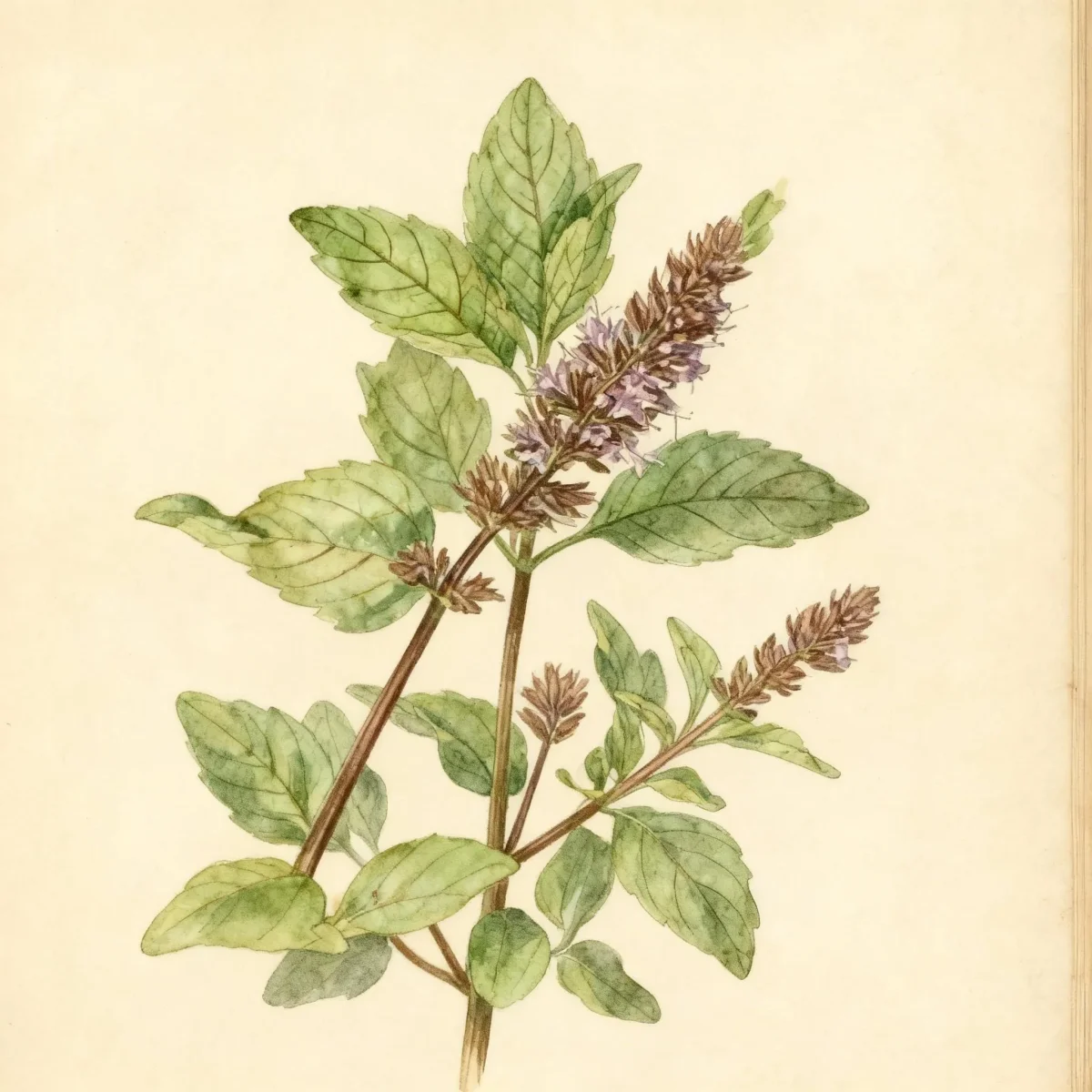
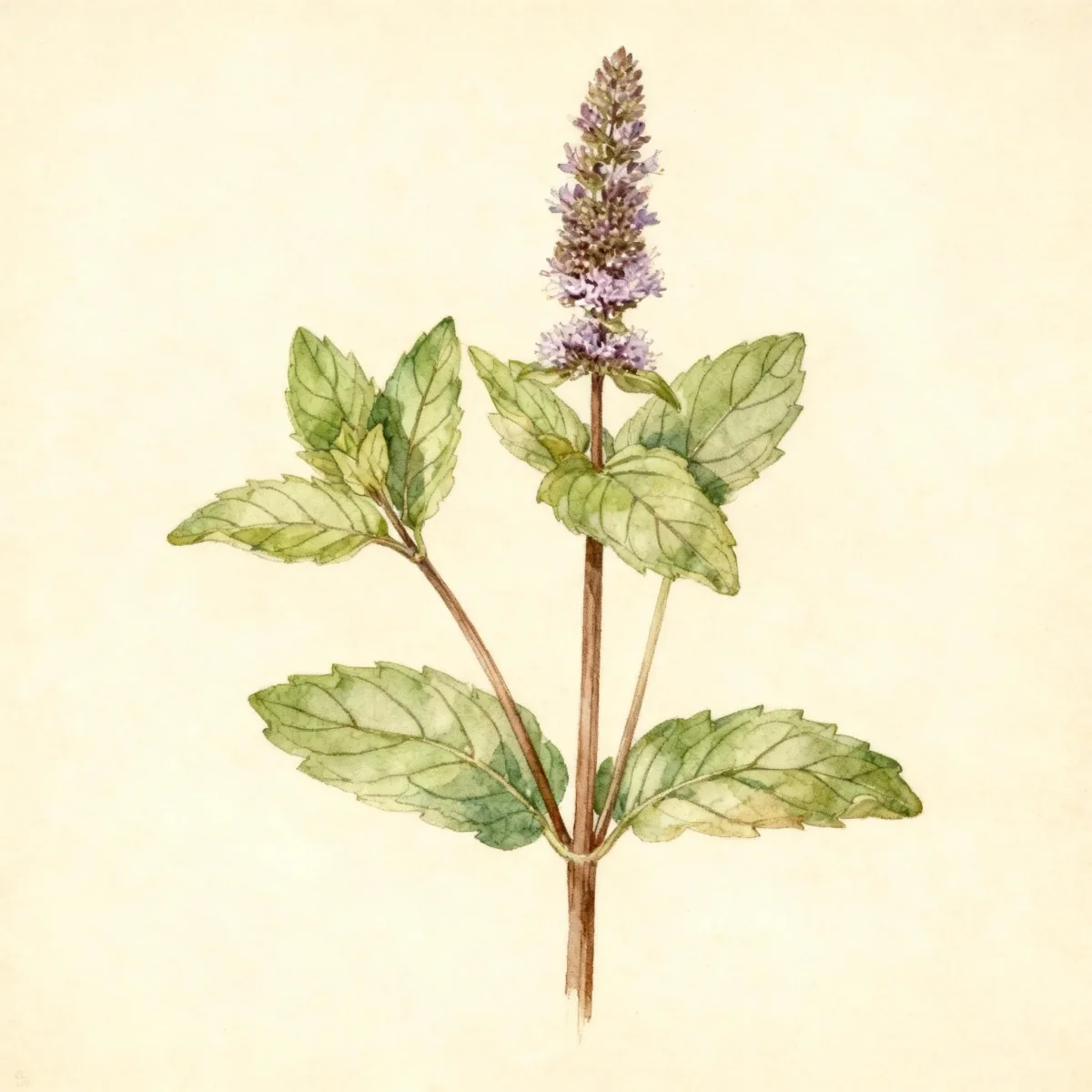
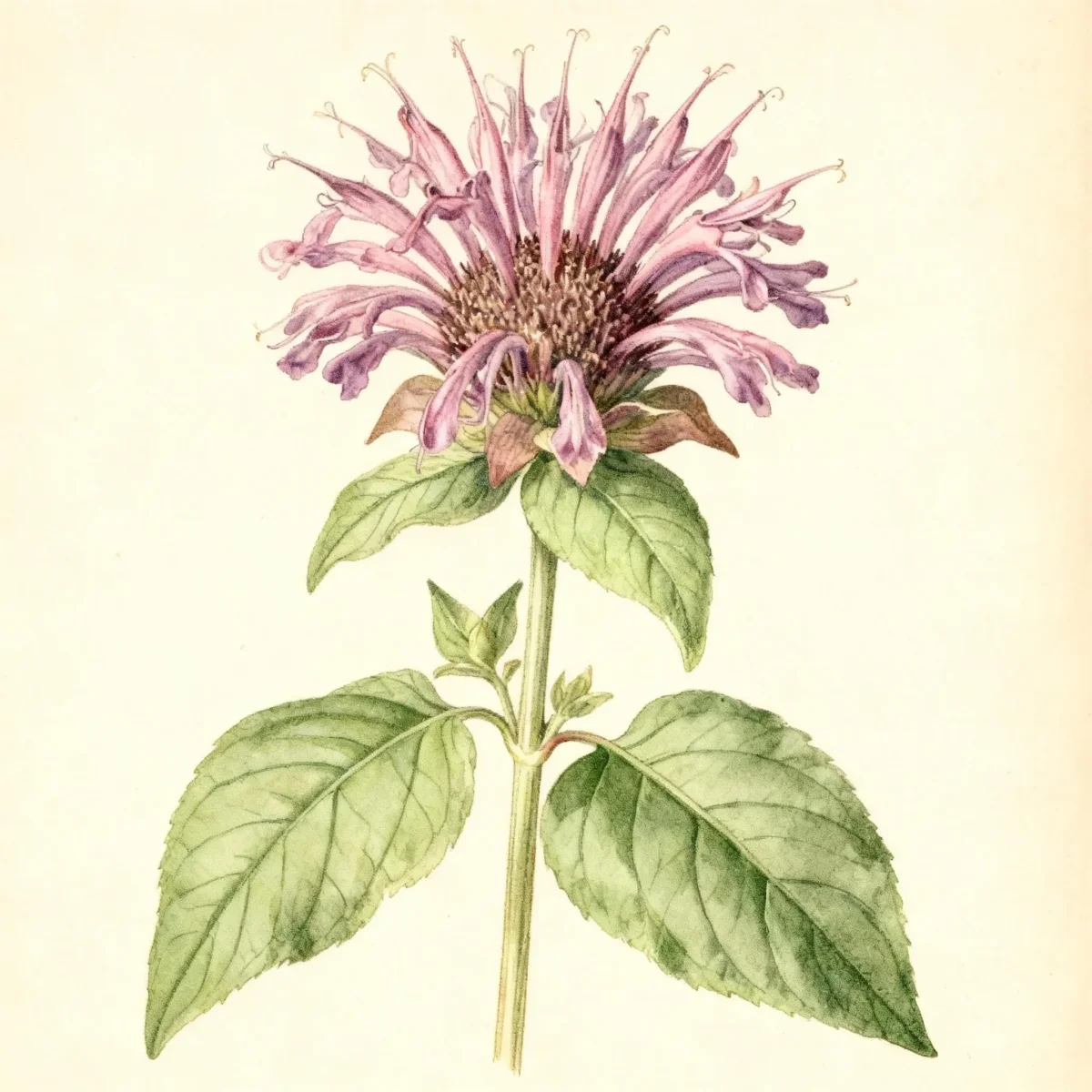
Monarda ‘Peter’s Purple’, commonly known as Wild bergamot, is an outstanding herbaceous perennial valued for its striking color display and robust nature. This hybrid cultivar brings terminal whorls of vivid lavender purple flowers atop aromatic, lance-shaped foliage, attracting substantial pollinator activity throughout mid-summer. Originating as a cross involving Monarda fistulosa, this variety thrives in heat and humidity, making it an excellent selection for challenging summer climates where many other perennials struggle.
As a clump-forming perennial that slowly spreads by rhizomes, Monarda ‘Peter’s Purple’ offers excellent structure in the garden while requiring relatively low maintenance. Its ability to handle medium to wet conditions sets it apart, making it highly valuable for rain gardens or moist borders. Gardeners appreciate this Wild bergamot for its long bloom period and its ability to naturalize softly within the landscape design.
The appeal of Monarda ‘Peter’s Purple’ extends beyond its beauty; it is celebrated for its ecological contributions, supporting bees and hummingbirds during its peak bloom in June through August. While generally tough, proper air circulation is key to keeping this lovely selection healthy, ensuring you enjoy the prolific lavender purple blooms year after year.
Fast Facts
- Plant Family: Lamiaceae
- Plant Type: Herbaceous perennial
- Hardiness Zones: USDA Zones 6-9
- Size at Maturity:
- Height: 3-5 ft
- Spread: 2-3 ft
- Bloom Time: June to August
- Bloom Description: Lavender purple
- Sun Exposure: Full sun to part shade
- Water Needs: Medium to wet
- Maintenance Level: Low
How to Grow
Plant Monarda ‘Peter’s Purple’ during spring or fall in average, moisture-retentive soils. While most related hybrids prefer medium to wet conditions, be aware that cultivars derived from Monarda fistulosa parentage, like this one, show increased tolerance for slightly drier soils compared to other bee balms. They thrive best in full sun but benefit greatly from afternoon shade in locations experiencing intense summer heat to maintain foliage quality.
Establish a consistent watering schedule, ensuring the soil never completely dries out, especially during establishment and hot spells. While fertilization is usually unnecessary in rich, humusy soils, routine deadheading of spent flowers will maintain a tidier appearance and might encourage a longer bloom cycle. Good air circulation is essential; avoid overly crowded plantings to mitigate potential foliar diseases.
Maintenance for Monarda ‘Peter’s Purple’ is low, though clumps should be divided every three to four years. This division prevents overcrowding, controls its slow rhizomatous spread, and keeps the plants vigorously healthy. In late winter or early spring, cut back old stems before new growth begins.
Landscape Uses
Monarda ‘Peter’s Purple’ excels in diverse landscape applications due to its vibrant color and moisture tolerance. It is highly recommended for naturalizing areas where you desire a meadow-like quality, or specifically for rain gardens situated near downspouts or ponds where soil stays consistently moist. The height of this Wild bergamot—reaching 3 to 5 feet—makes it perfect for the middle to back tiers of perennial borders.
In cottage gardens, the lavender purple spires of Monarda ‘Peter’s Purple’ mix beautifully with white daisies, yellow black-eyed Susans, or blue salvias, creating textural contrast. It also performs well when used in mass plantings for visual impact along streams or bordering walkways. Even in containers, provided moisture needs are met, this cultivar adds vertical interest and fantastic pollinator appeal.
Standout Features
Flower Qualities
- Showy
Noteworthy Characteristics
Monarda is a genus of about 15 species of annuals and herbaceous perennials from prairies and woodlands in North America. ‘Peter’s Purple’ is a unique hybrid that boasts terminal whorls of two-lipped, 2 1/2 in. long, lavender purple flowers. It is known to thrive in heat and humidity, offering exceptional mid-summer color for the gardener seeking reliable perennial interest.
Tolerances
- Deer
- Wet Soil
Potential Problems
While Wild bergamot is generally admired for its vigor, powdery mildew and rust remain potential issues for some Monarda cultivars. Susceptibility to these foliar diseases increases significantly if the plants are subjected to dry soil conditions or poor airflow. Always prioritize good air circulation when spacing your plants. Fortunately, Monarda ‘Peter’s Purple’ is specifically reported to possess good resistance to mildew, though continued vigilance and ensuring moisture consistency will always yield the healthiest plants.
Frequently Asked Questions
What hardiness zones is Wild bergamot suitable for?
Monarda ‘Peter’s Purple’ is reliably grown in USDA Hardiness Zones 6 through 9.
How large does Monarda ‘Peter’s Purple’ grow?
This herbaceous perennial typically reaches a mature height between 3 and 5 feet tall, with a spread generally spanning 2 to 3 feet wide.
When does Monarda ‘Peter’s Purple’ bloom?
This cultivar displays its distinctive lavender purple flowers from June continuously through August, providing valuable mid-summer color.
What sun exposure does Wild bergamot need?
It prefers full sun but appreciates being sited where it can receive some cooling afternoon shade, particularly in hot climates.
Conclusion
Monarda ‘Peter’s Purple’ offers gardeners a rewarding combination of vibrant lavender purple texture, strong pollinator attraction, and relative ease of care. This variety of Wild bergamot is particularly valued for handling heat and humidity better than some relatives. Before planting, confirm that your intended location provides the medium to wet, well-drained conditions necessary for this beautiful perennial to thrive.
Companion Planting
When choosing companions for Monarda ‘Peter’s Purple’, focus on plants that share similar requirements for moist, rich soil and full-to-partial sun exposure. Tall grasses like Switchgrass (Panicum virgatum) or other moisture-loving prairie natives partner well, offering dynamic textural contrast behind the upright flower spikes. Consider integrating plants that bloom earlier or later in the season to ensure continuous color in your perennial borders, such as Astilbe or robust Coneflowers (Echinacea).
Wildlife Benefits
The genus Monarda is legendary for its ability to draw in beneficial insects, and ‘Peter’s Purple’ is no exception. Its tubular, whorled flowers are perfectly shaped for hummingbirds, who sip the nectar greedily. Furthermore, the blooms are a major magnet for native long-tongued bees and various butterflies throughout the critical mid-summer months. Planting this Wild bergamot enriches biodiversity right in your backyard landscape.