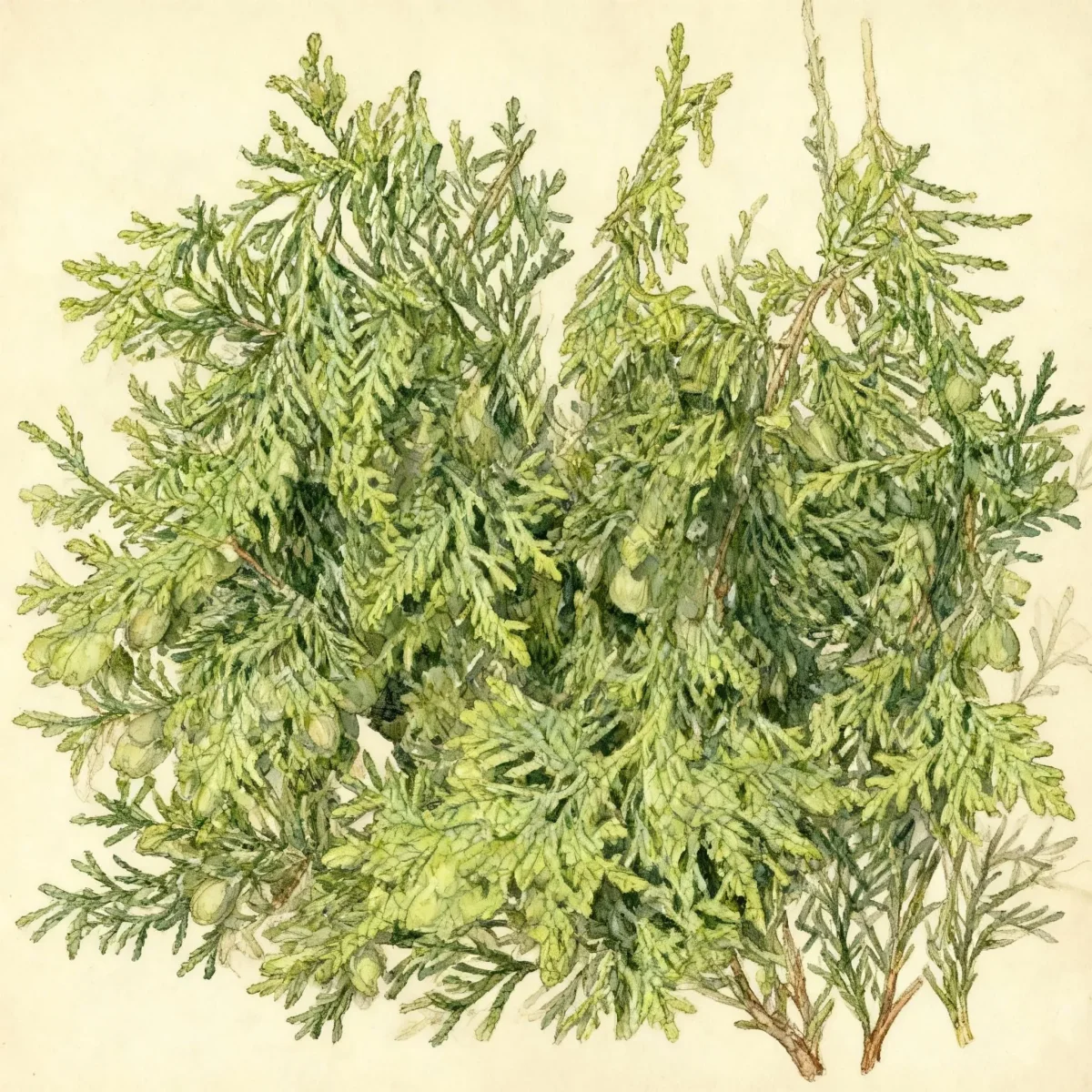
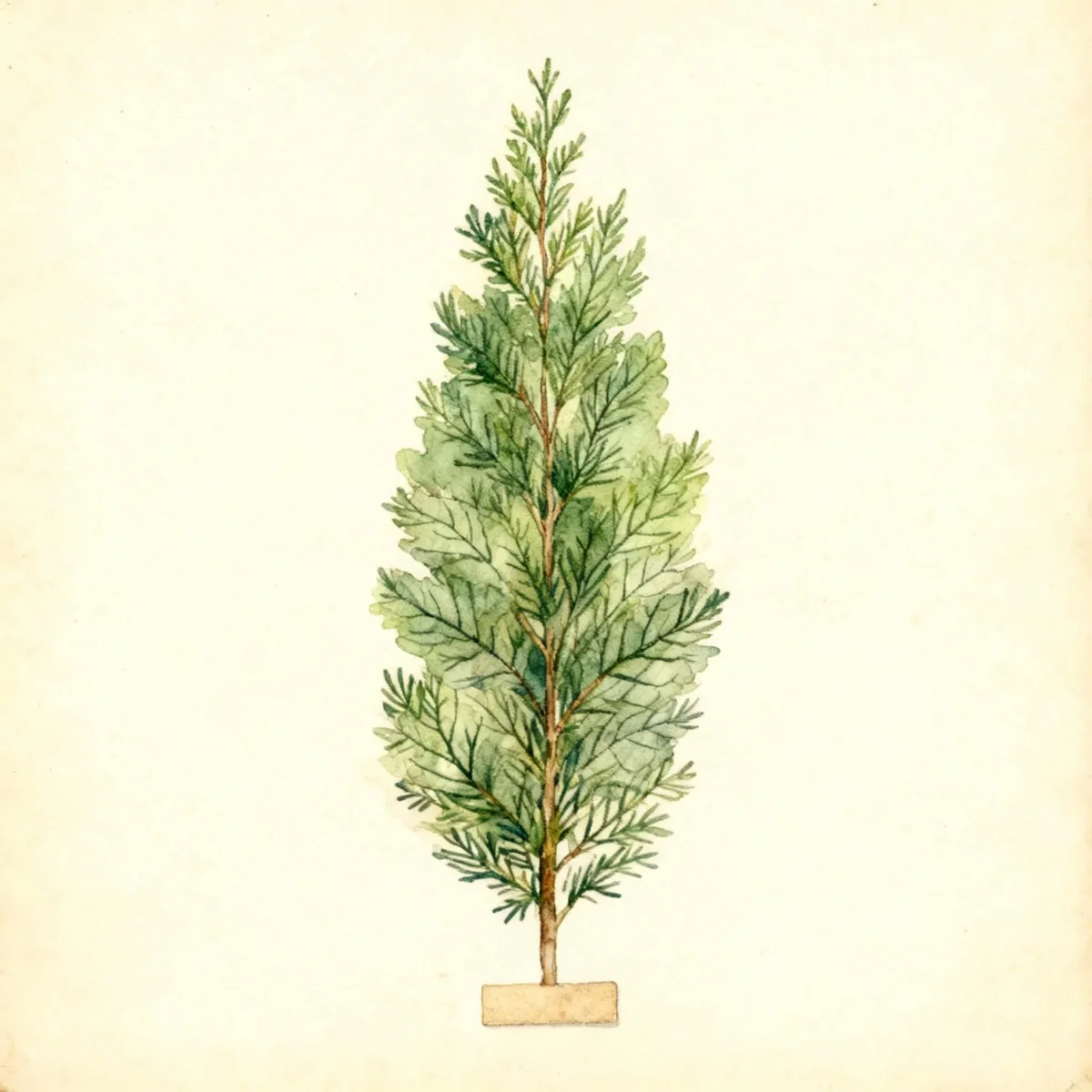
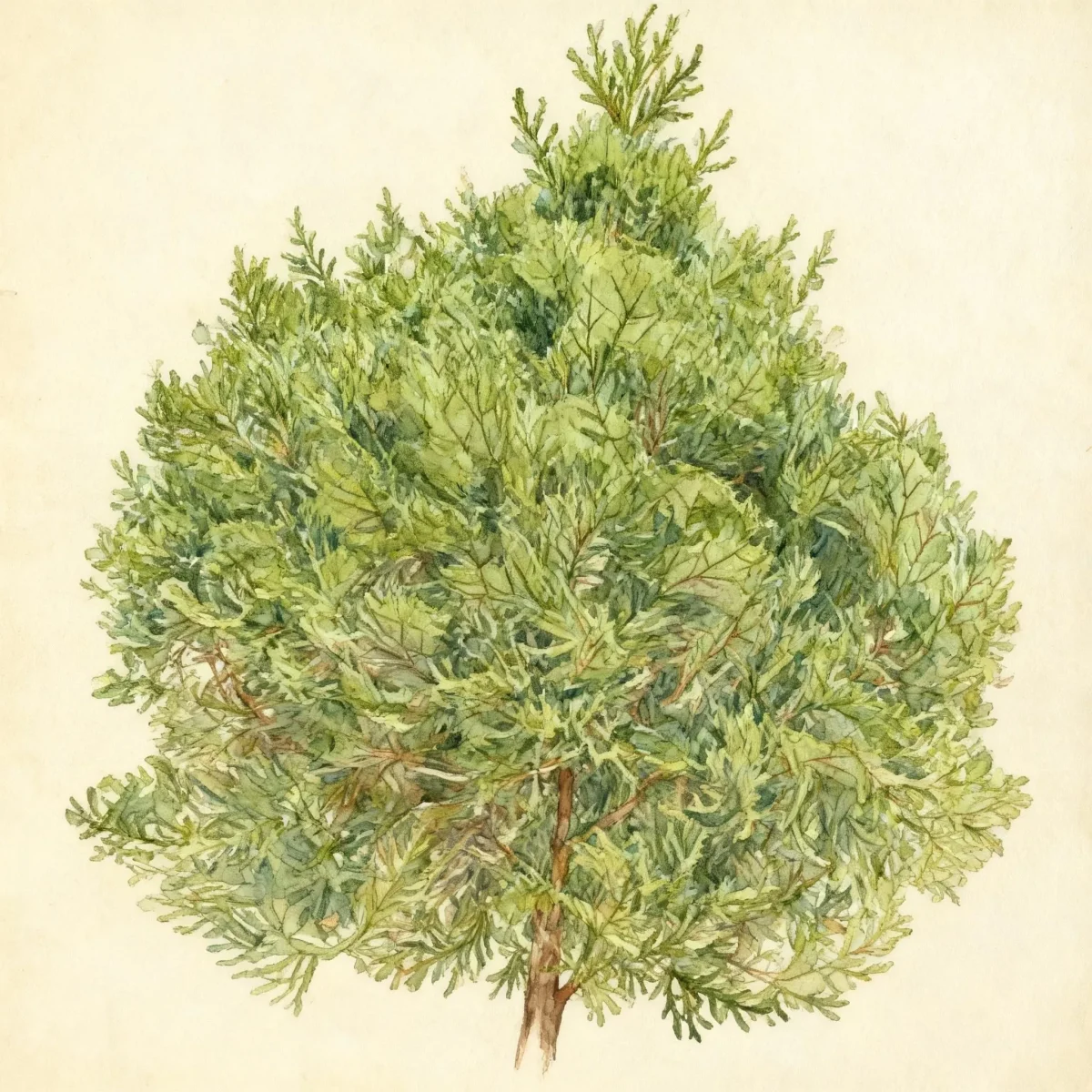
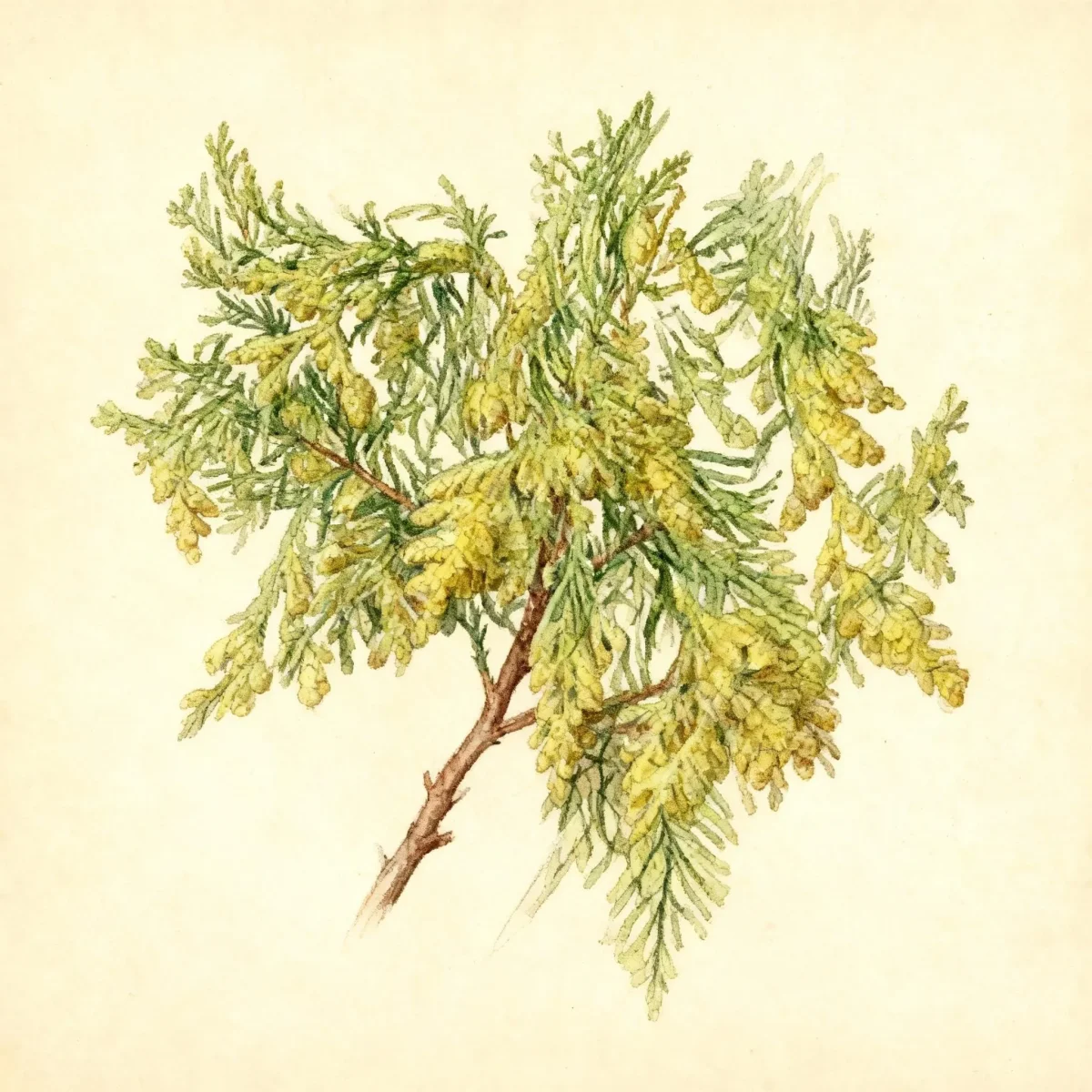
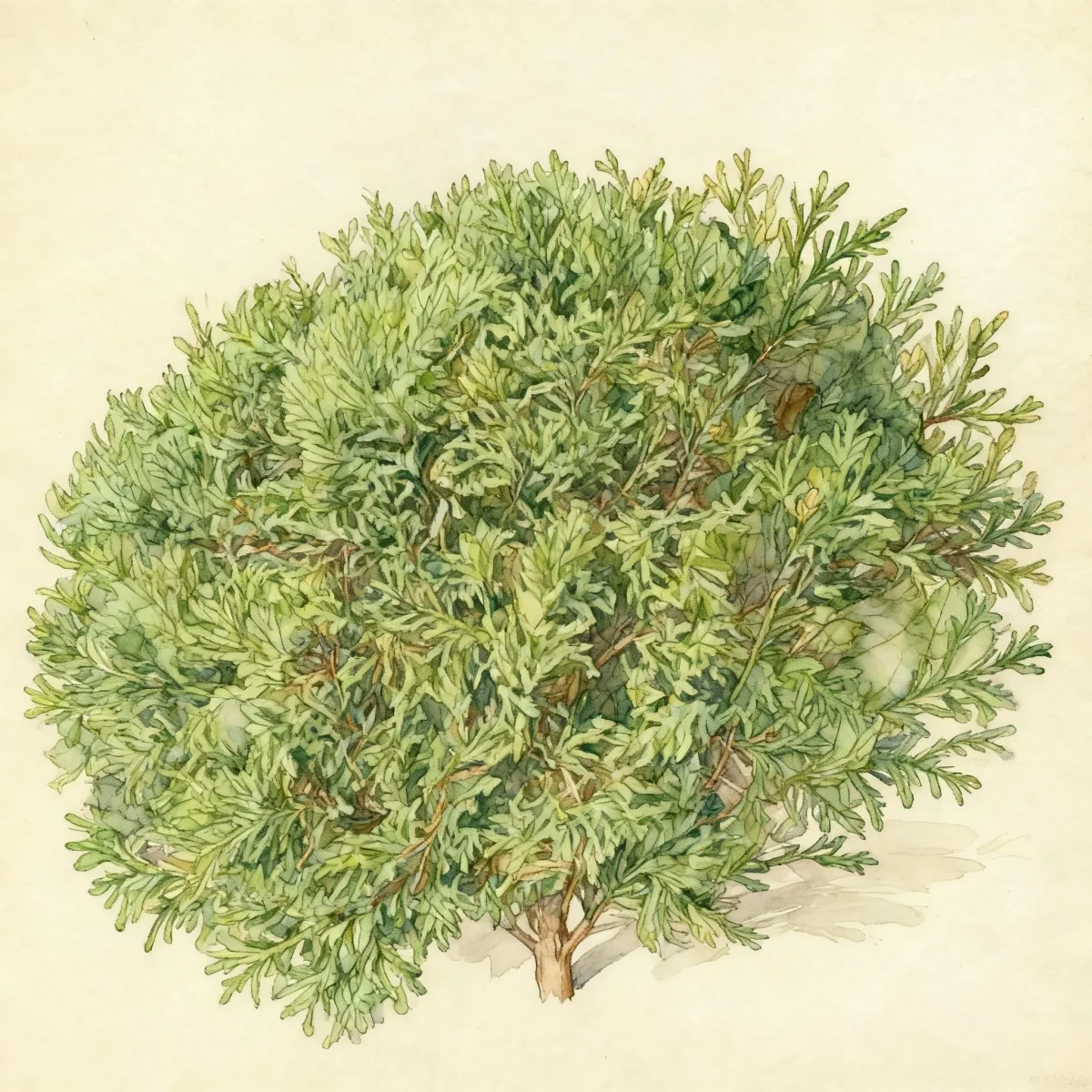
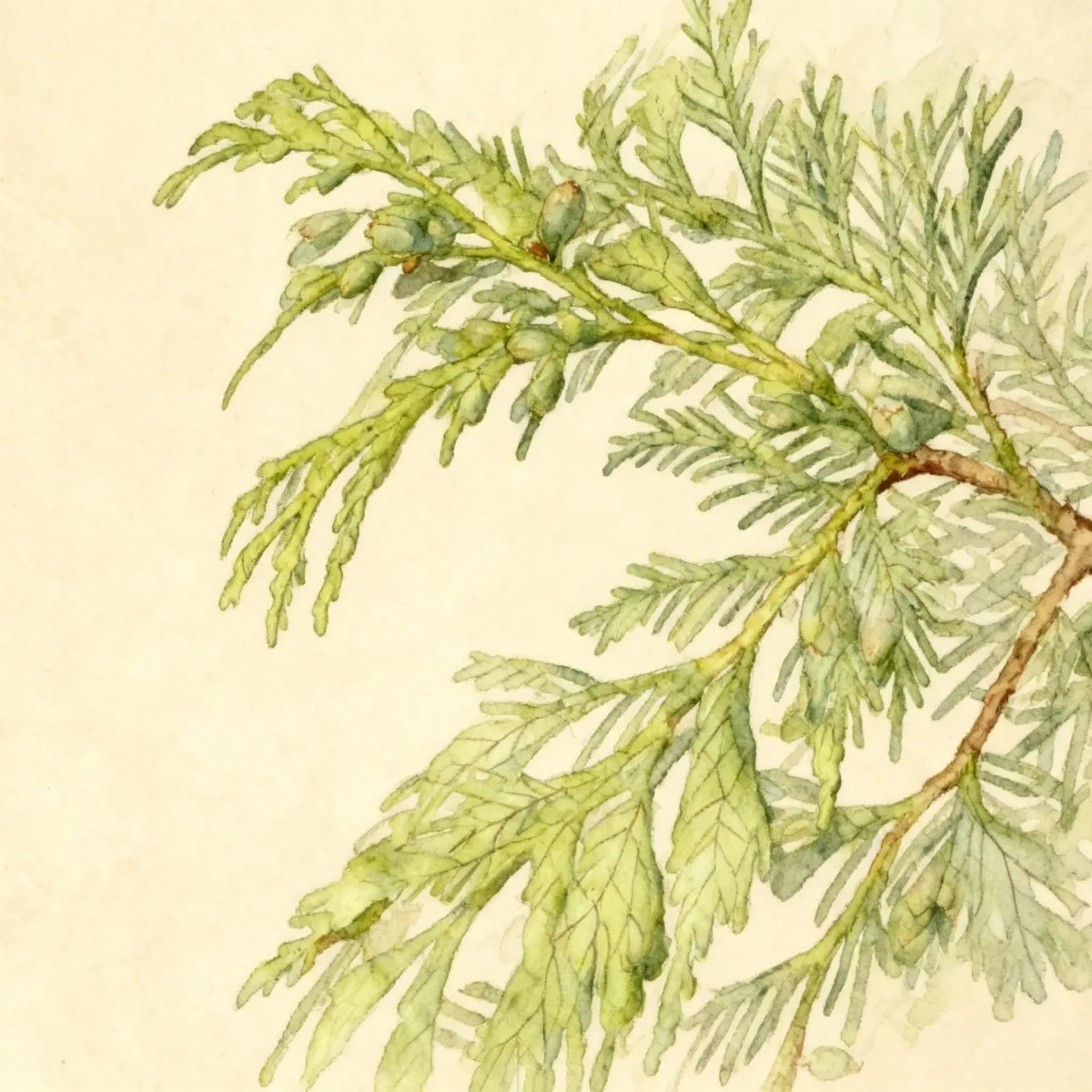
American arborvitae (Thuja occidentalis 'Filip's Magic Moment')
Thuja occidentalis 'Filip's Magic Moment' is a compact American arborvitae featuring dense, golden yellow-green foliage, perfect for small landscapes.
Scroll down to discover growing tips, care requirements, companion plants, and more
Complete Plant Information
Overview
Thuja occidentalis ‘Filip’s Magic Moment’ offers a brilliantly colored, compact form highly sought after in structured gardens. This cultivar of the American arborvitae distinguishes itself with upright, conical growth accented by luminous golden yellow-green foliage throughout the season. It provides excellent vertical structure in restricted spaces where larger heritage varieties of Thuja occidentalis would overwhelm the planting area.
Discovered as a natural mutation, this specific selection maintains excellent density, making it a superb choice for low-maintenance, year-round screening or specimen planting. Gardeners value the low required maintenance combined with its vibrant color contrast against dark green evergreens. Its manageable stature ensures that the sweeping beauty of the American arborvitae becomes accessible even in suburban settings.
Providing year-round interest, Thuja occidentalis ‘Filip’s Magic Moment’ adapts well to various conditions once established, though consistency in moisture is crucial for peak performance. Its dense habit provides excellent visual texture, solidifying its role as a versatile and reliable accent for foundations and formalized landscapes.
Fast Facts
- Plant Family: Cupressaceae
- Plant Type: Needled evergreen
- Hardiness Zones: USDA Zones 3-7
- Size at Maturity:
- Height: 6-8 ft
- Spread: 1-3 ft
- Bloom Time: Non-flowering
- Sun Exposure: Full sun to part shade
- Water Needs: Medium
- Maintenance Level: Low
How to Grow
Optimal establishment for Thuja occidentalis ‘Filip’s Magic Moment’ occurs when planted in the spring or early fall, allowing the root system time to develop before experiencing the stress of extreme heat or deep freeze. This specific cultivar performs best in average, medium moisture, well-drained soils. While it exhibits some soil tolerance, prioritize locations offering moist, neutral to alkaline loams for the richest color and density.
Watering is essential, particularly for new plantings, as this American arborvitae is intolerant of dry conditions. Established plants require medium water, ensuring consistency rather than deep, infrequent saturation. While fertilization is rarely required due to its low maintenance nature, an annual spring feeding can promote superior foliage color.
Positioning is key to managing its exposure. Best performance is achieved in full sun, which intensifies the golden hue of its foliage. However, in very hot summer climates, some light afternoon shade prevents scorching. Avoid planting in full shade, as reduced light sharply decreases foliage density. Furthermore, protect Thuja occidentalis ‘Filip’s Magic Moment’ from exposed, windy sites, which can exacerbate winter burn.
Landscape Uses
The compact, upright conical shape of Thuja occidentalis ‘Filip’s Magic Moment’ makes it inherently valuable for foundations and structured landscapes. Its relatively narrow spread (1-3 ft) allows it to fit comfortably where traditional, sprawling arborvitae cannot be utilized. Use several specimens marching along a walkway edging for formal definition or mass planted as a bright, low screen.
Because of its striking golden color, this cultivar offers excellent contrast. Pair it with dark green traditional evergreens or deep purple deciduous shrubs to really make the color pop. It serves beautifully as a vertical accent plant in cottage or contemporary mixed borders, adding essential structural height without excessive width.
Its vertical orientation also makes Thuja occidentalis ‘Filip’s Magic Moment’ an excellent choice for container gardening near entryways, provided the container is large enough to avoid year-round root confinement and it receives consistent moisture.
Standout Features
Noteworthy Characteristics
Thuja occidentalis, commonly known as American arborvitae, Eastern arborvitae, Eastern white cedar or Northern white cedar, is a dense, conical to narrow-pyramidal (sometimes maturing to broad-pyramidal), often single-trunked, evergreen tree that is native to eastern and central Canada south to northern Illinois, Ohio and New York with scattered populations further south in the Appalachians to North Carolina. ‘Filip’s Magic Moment’ was discovered by Edwin Johannes Arnoldes Smits of The Netherlands in 2000 as a naturally-occurring branch mutation of Thuja occidentalis ‘Smaragd’. It is a compact, upright, conical evergreen shrub with golden yellow-green foliage, growing 6 to 8 ft. Tall and 1 to 3 ft. Wide.
Tolerances
- Clay Soil
- Black Walnut
- Air Pollution
Potential Problems
While generally robust, be aware of common cedar and arborvitae pests and diseases. Leaf blight may occasionally cause some foliage spotting and subsequent dropping, which can often be managed by improving air circulation through careful pruning and avoiding overhead watering during humid periods. Watch for canker, which can damage stems and branches.
Minor insect populations, including leaf miner (damaging leaf tips), bagworms, mealybugs, scales, and spider mites, are occasional visitors; regular inspection helps catch infestations early. In exposed winter sites, the foliage of Thuja occidentalis ‘Filip’s Magic Moment’ may show signs of winter burn, appearing yellow-brown. To mitigate this, ensure plants are adequately watered heading into winter dormancy. Furthermore, due to their conical shape, they are susceptible to stem breakage from heavy ice and snow accumulation; gently brush off heavy snow loads when safe to do so.
Frequently Asked Questions
What hardiness zones is Thuja occidentalis ‘Filip’s Magic Moment’ suitable for?
This American arborvitae is reliable in USDA Zones 3 through 7, offering excellent cold tolerance for much of the temperate United States.
How large does American arborvitae ‘Filip’s Magic Moment’ grow?
This cultivar matures to a compact size for an evergreen, typically reaching 6 to 8 feet in height with a narrow spread of only 1 to 3 feet wide.
What sun exposure does Thuja occidentalis ‘Filip’s Magic Moment’ need?
For the best color and density, this plant requires full sun, though it can tolerate part shade, especially where summer afternoons are intensely hot.
When does Thuja occidentalis ‘Filip’s Magic Moment’ bloom?
As a member of the Cupressaceae family, it is a non-flowering conifer, meaning it produces no noticeable flowers or showy blooms.
Conclusion
Thuja occidentalis ‘Filip’s Magic Moment’ excels as a compact, vibrant vertical element, providing year-round color with minimal homeowner effort. Its manageable size fulfills the landscape role of the classic American arborvitae without demanding excess space. Before purchasing, confirm your local hardiness zone falls within the 3 to 7 range and plan a planting location that offers consistent moisture and appropriate sun exposure.
Companion Planting
When integrating Thuja occidentalis ‘Filip’s Magic Moment’ into your landscape design, consider companions that share similar cultural needs, particularly moisture and sun preferences. Pair this golden evergreen with deep purple or dark green foliage plants to maximize the visual pop of its yellow-green needles. Excellent companions include Japanese maples (Acer palmatum cultivars) or dark green dwarf spruces, which offer contrasting textures and hues without competing heavily for similar soil nutrients.
Seasonal Care Calendar
Springtime is ideal for assessing winter damage and applying a slow-release fertilizer if growth appears lackluster; prune lightly only as needed immediately following the first flush of spring growth. Summer care focuses primarily on ensuring consistent, medium moisture, especially during dry spells—never allow the soil around your American arborvitae to dry out fully. Fall preparation involves deep watering before the ground freezes hard to help prevent winter desiccation, which can cause the foliage burn seen on exposed specimens. In winter, be diligent about knocking heavy, wet snow off the branches to prevent structural damage to the upright stems of this cultivar.