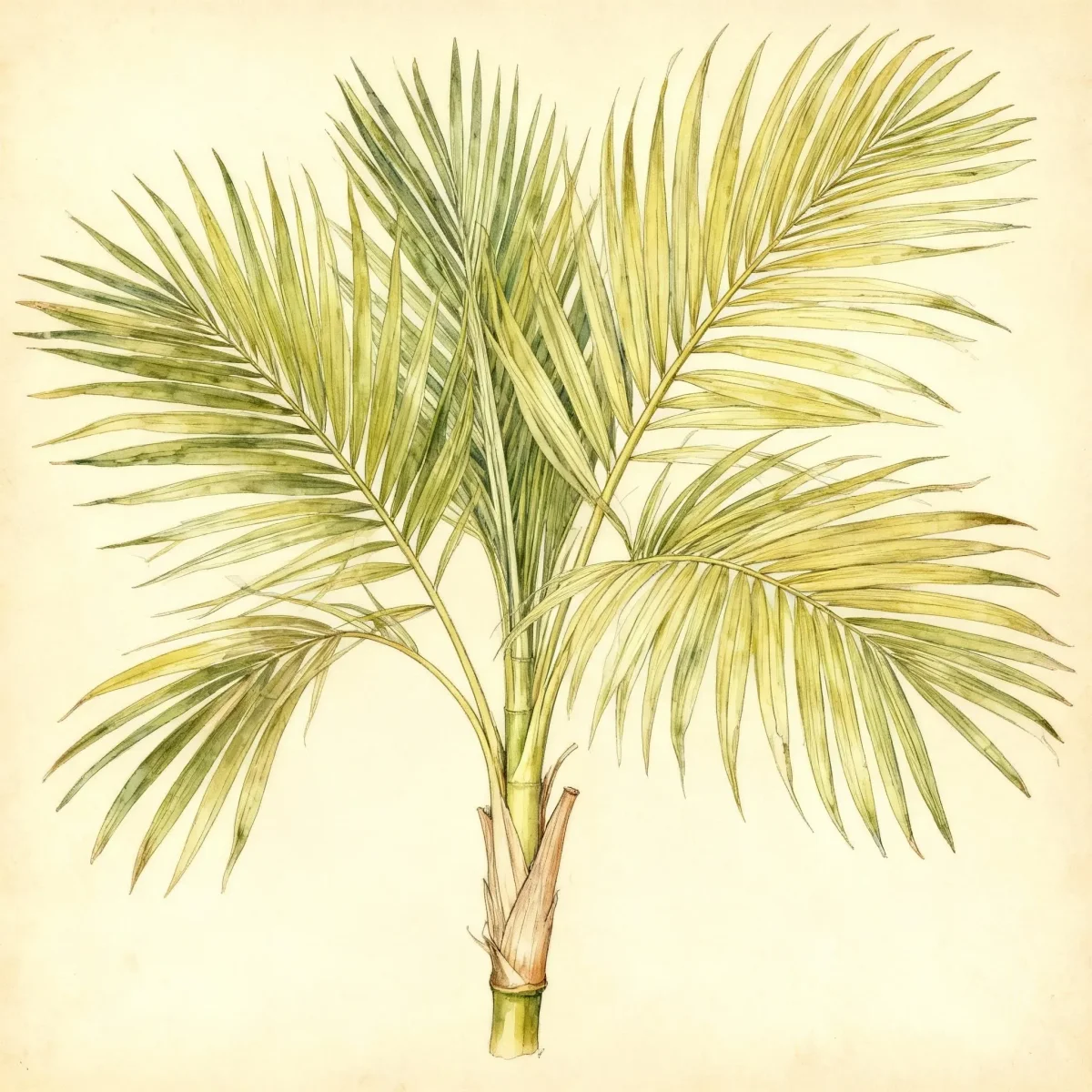
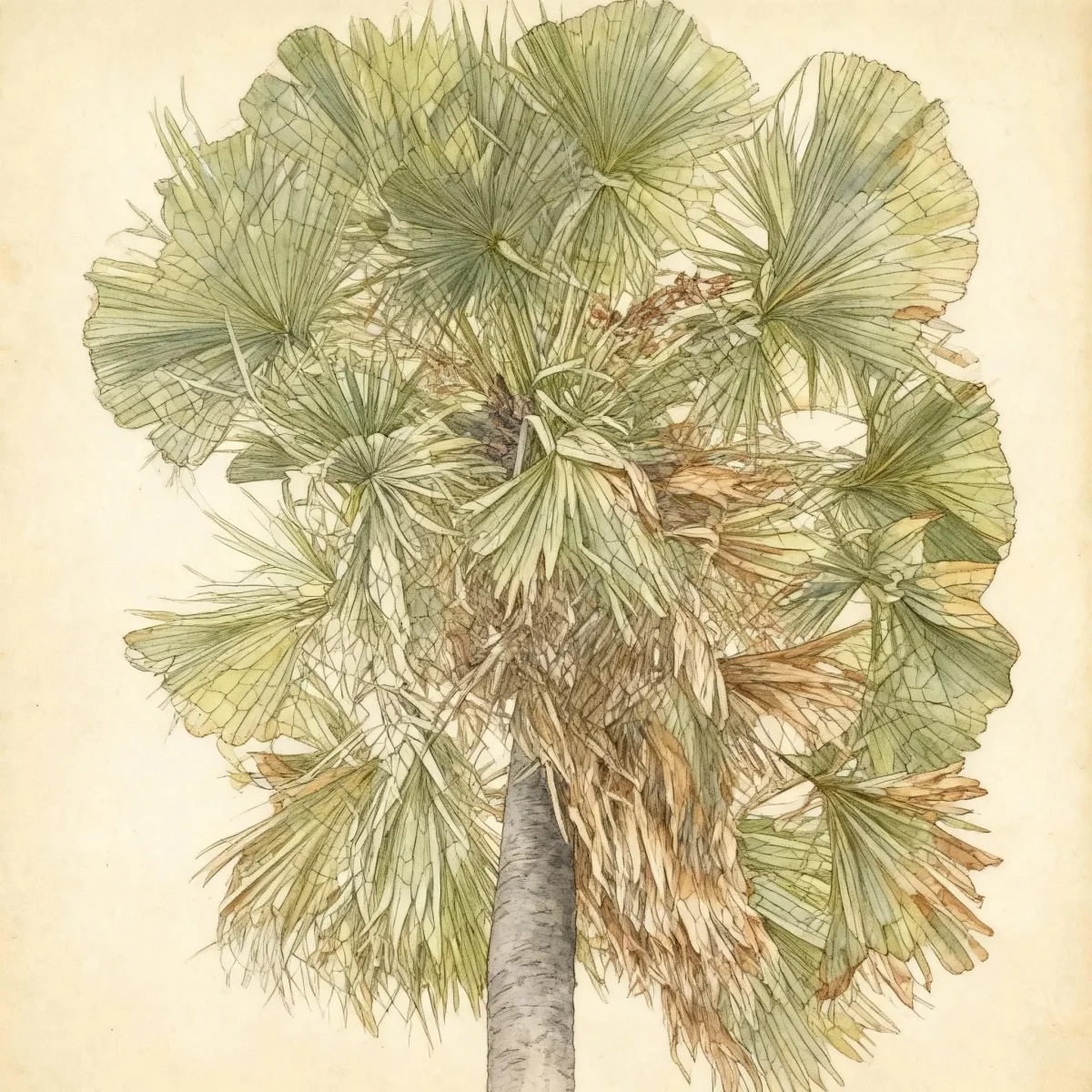
European fan palm (Chamaerops humilis)
The Chamaerops humilis, or European fan palm, is a remarkably hardy, clumping palm perfect for Mediterranean climates.
Scroll down to discover growing tips, care requirements, companion plants, and more
Complete Plant Information
Overview
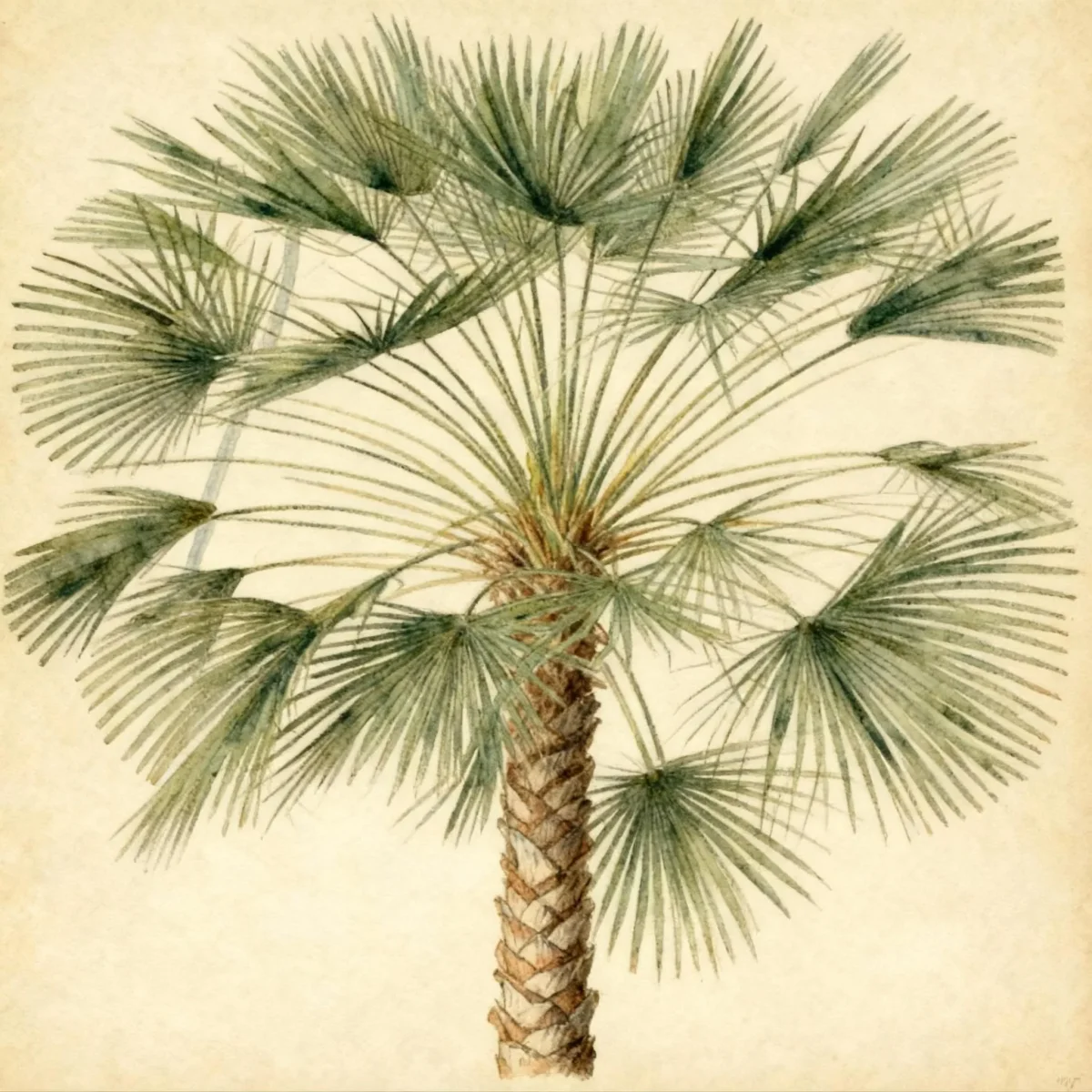
The Chamaerops humilis, widely known as the European fan palm, stands out as the only palm native to Europe, offering superb hardiness unmatched by many other ornamental palms. This evergreen species forms dense, upright clumps, lending a distinctly Mediterranean texture to the landscape, capable of maturing as a substantial shrub or small tree. It provides year-round structure and visual interest due to its deeply divided, fan-shaped foliage that often exhibits attractive blue-green to silver hues.
This resilient plant thrives in environments mimicking its native rocky hills, preferring plenty of sunshine while still tolerating partial shade, though heavy shade can reduce its compact shape. Growers appreciate the Chamaerops humilis for its ability to manage brief dips into near-freezing temperatures, making it a viable outdoor option in regions where other palms fail. Whether maintained in a multi-trunked shrub form or pruned into a single-trunk specimen, the European fan palm is versatile and visually commanding.
Successful cultivation of Chamaerops humilis centers on providing excellent drainage, as it possesses some drought tolerance once established but strongly dislikes overly saturated soil conditions. Its textural foliage and robust structure make it an excellent focal point, offering architectural value against softer plantings.
Fast Facts
- Plant Family: Arecaceae
- Plant Type: Palm or Cycad
- Native Range: Western and central Mediterranean
- Hardiness Zones: USDA Zones 9-11
- Size at Maturity:
- Height: 6-15 ft
- Spread: 6-20 ft
- Bloom Time: April to May
- Bloom Description: Yellow
- Sun Exposure: Full sun to part shade
- Water Needs: Medium
- Maintenance Level: Medium
How to Grow
The European fan palm establishes best when planted in the spring, allowing it ample time to settle roots before the stress of extreme summer heat or winter cold arrives. Key to success is ensuring rich, moist, and crucially, well-drained soil. In areas prone to heavy, waterlogged winters, amend the planting site heavily with coarse grit or establish the Chamaerops humilis on a slight mound to encourage runoff.
During the growing season, maintain consistent moisture—the ‘Medium’ water needs mean regular deep watering, especially for younger plants or those in containers. However, once established, this palm exhibits pleasing drought tolerance, making it a good choice for xeriscaping central Mediterranean-type climates. Fertilization should be applied sparingly, typically following label instructions for palms during the active growing season.
For cultivating Chamaerops humilis in cooler zones (8b), plan for proactive winter protection. Plants in containers are easily handled; bring them indoors and overwinter them in cool, bright locations. Outdoor specimens benefit from wrapping the base, or you can rely on its inherent hardiness, noting it tolerates brief dips down to 15-20°F. Pruning is generally minimal; focus only on removing dead or damaged fronds, although removing suckers is necessary if a single-trunk specimen is desired.
Landscape Uses
The adaptability of the Chamaerops humilis allows it to excel in numerous landscape applications. When left unpruned, its clumping habit creates handsome, dense shrubs perfect for screening or defining corners of a property border. If the goal is a formal, tree-like accent, regularly removing suckers allows the central trunk(s) to rise elegantly, showcasing the fibrous trunk texture.
This species functions superbly as a specimen plant due to its distinctive fan-shaped foliage and sturdy presence. Grouping several European fan palms provides a robust, tropical feel without the vulnerability of less hardy species. Furthermore, it is an excellent component in container gardens situated on patios, decks, or near foundations, providing height and texture where in-ground planting is impossible.
If growing in a mild climate, consider pairing the Chamaerops humilis with other drought-tolerant, textural Mediterranean flora, such as lavender, rosemary, or Agave species. The architectural form of this palm contrasts beautifully with finer grasses or broadleaf evergreens.
Flower Qualities
- Showy
Noteworthy Characteristics
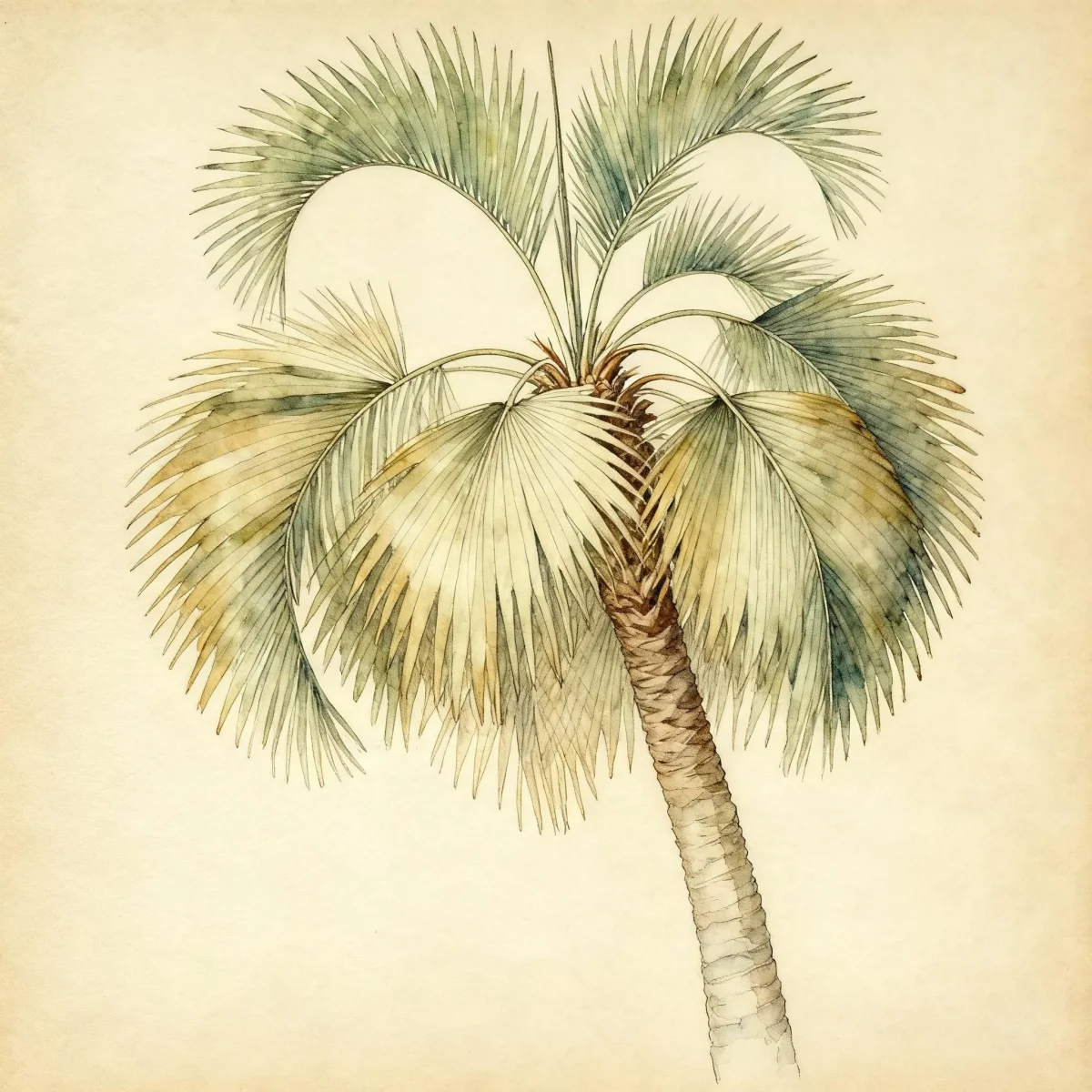
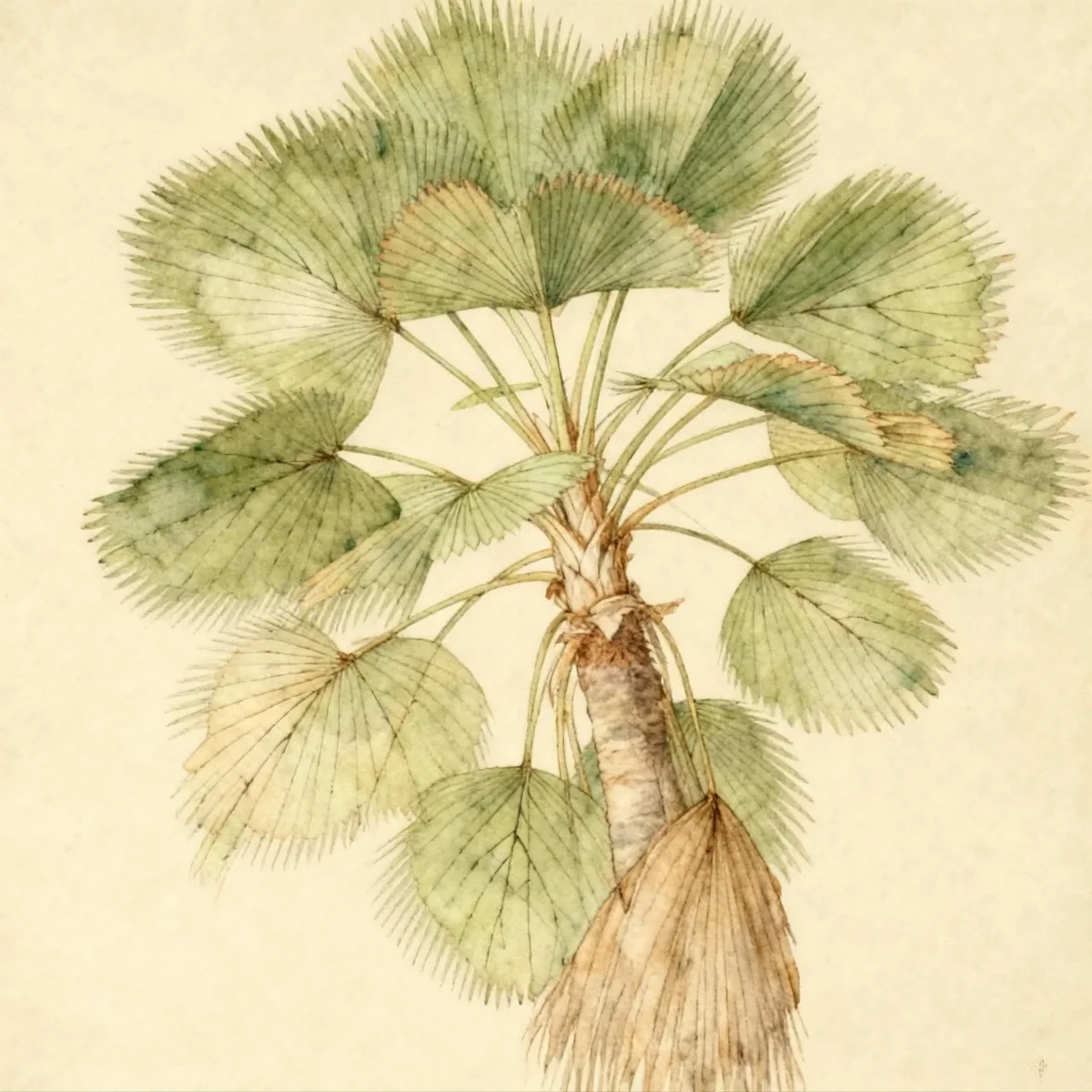
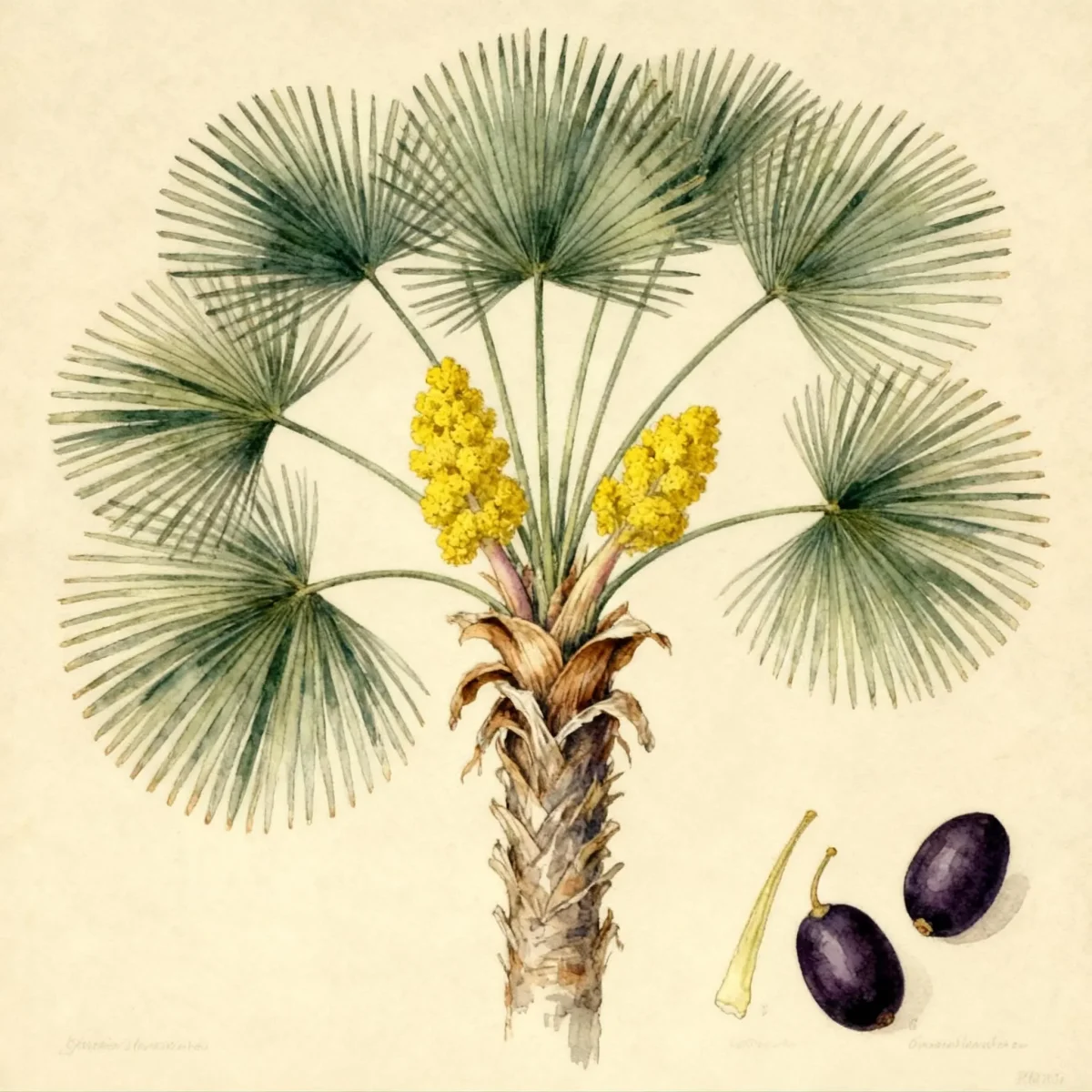
Chamaerops humilis, commonly known as Mediterranean fan palm or European fan palm, is a single- to multiple-trunked evergreen palm with an upright irregular form that typically matures as a shrub or small tree growing to 6-15’ tall with a spread to 6-20’ wide. It often suckers from the base of the main trunk to form a clump of 8-10 trunks, but it can be easily trained to grow with a single trunk by regularly removing the suckers. It is the northernmost naturally occurring palm in the world, and the only palm that is native to Europe. The distinctive, triangular, palmate-compound leaves are highly ornamental and arranged on spiny petioles, leading to its common name of fan palm.
Tolerances
- None listed
Potential Problems
The Chamaerops humilis is highly valued because it generally avoids serious insect or disease issues when grown in appropriate conditions. However, watch for common houseplant or sheltered tropical pests such as mealy bugs, scale insects, and spider mites, especially if the palm is grown indoors or situated in a sheltered, warm corner of the garden.
Management for these minor infestations usually involves spot treating the affected areas with horticultural oil or insecticidal soap. Ensuring good air circulation is vital, particularly if the plant is kept in a container or protected spot, as stagnant, humid air can encourage pest outbreaks. Avoid overwatering, which can lead to root issues that stress the palm, making it more susceptible to these less aggressive pests.
Frequently Asked Questions
What hardiness zones is European fan palm suitable for?
The Chamaerops humilis is generally suited for USDA Hardiness Zones 9 through 11, offering excellent cold tolerance for an outdoor palm in many transition zones.
How large does Chamaerops humilis grow?
This palm typically reaches heights between 6 to 15 feet, with a spread ranging from 6 to 20 feet wide, often forming a wide, bushy clump.
What sun exposure does Chamaerops humilis need?
The ideal exposure for the European fan palm is full sun, although it will tolerate partial shade, keeping in mind that too much shade can cause it to lose its desired compact shape.
When does European fan palm bloom?
Bloom time occurs from April through May, producing bright yellow flowers, although these are often somewhat hidden by the leaf stems.
Conclusion
The Chamaerops humilis is an outstanding choice for gardeners seeking a tough, structurally interesting palm that exhibits genuine cold resilience. Its ability to be shaped as a shrub or tree, combined with its adaptable cultural requirements in well-drained soils makes the European fan palm a garden staple. Assess your local USDA zone, and if you fall within Zones 9 to 11, plant this magnificent palm this season to enjoy its classic Mediterranean appeal.
Companion Planting
For landscapes featuring the Chamaerops humilis, selecting companions that share similar Mediterranean requirements enhances overall cohesion and simplifies garden maintenance. Pair the palm with drought-tolerant, aromatic herbs like Lavender (Lavandula) or upright Rosemary (Salvia rosmarinus); their fine textures contrast nicely with the palm’s stiff fan leaves.
In drier borders or rock gardens, planting lower-growing succulents or yucca varieties around the base of the European fan palm can accentuate its bold form while maintaining water efficiency. Ensure that companion plants do not crowd the base of the palm, as good air circulation remains crucial for preventing pest issues on the Chamaerops humilis.
Container Growing
The Chamaerops humilis adapts exceptionally well to container life, often remaining smaller (maturing closer to 5 feet) than its landscape counterparts when root-bound. Use large, heavy containers to prevent tipping, as the wide spread of the fronds can make top-heavy palms unstable.
The drainage requirements become even more critical when growing in pots; use a specialized, gritty palm mix or amend standard potting soil heavily with pumice or perlite. Water deeply when the top few inches of soil dry out, but never allow the pot to sit in standing runoff. Moving containers indoors for overwintering in cold regions is the easiest way to ensure the long-term survival of your European fan palm.