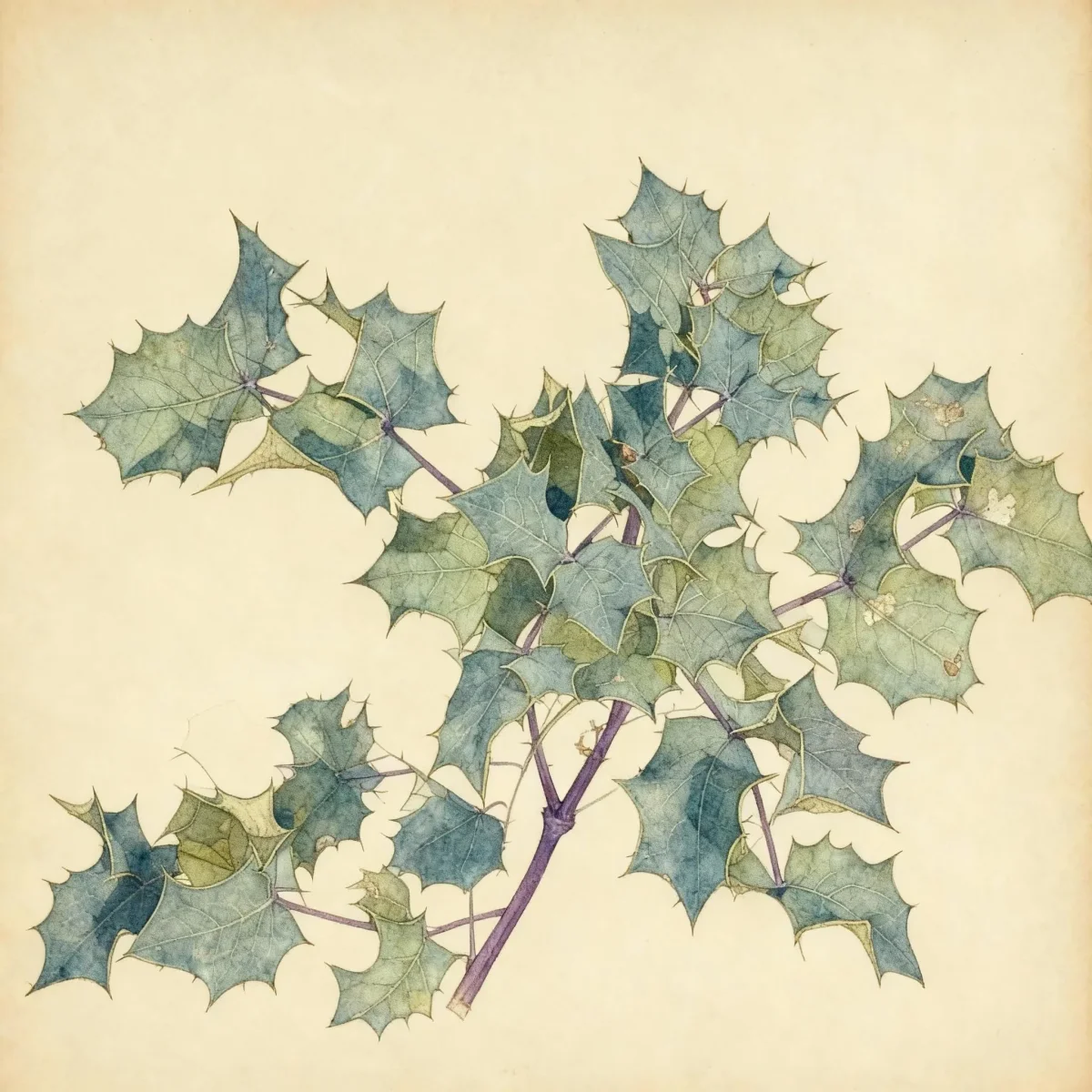
Barberry (Berberis 'Soft Caress')
Discover Berberis 'Soft Caress' Barberry, a showy broadleaf evergreen known for its fragrant yellow flowers and low maintenance needs in Zones 7-10.
Scroll down to discover growing tips, care requirements, companion plants, and more
Complete Plant Information
Overview
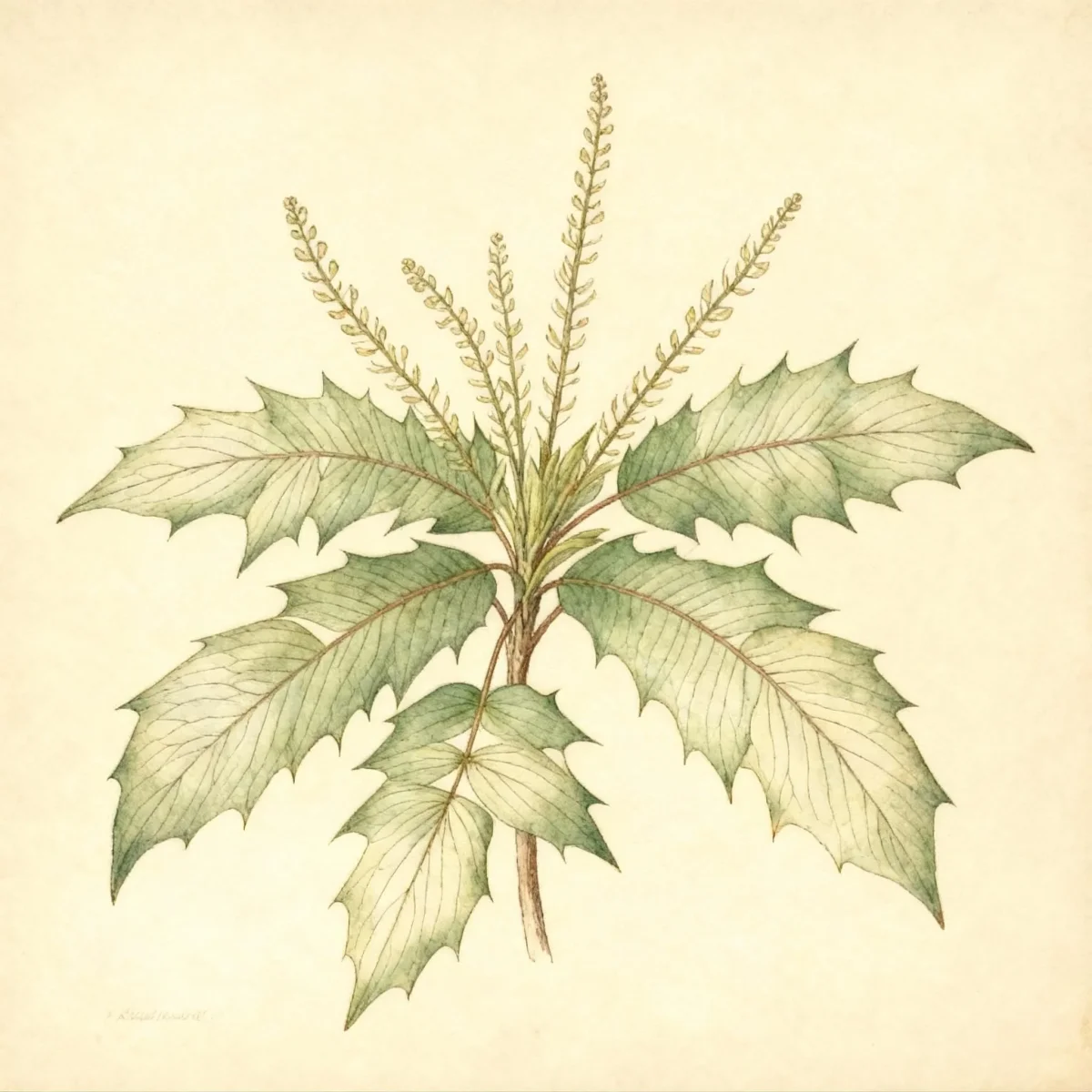
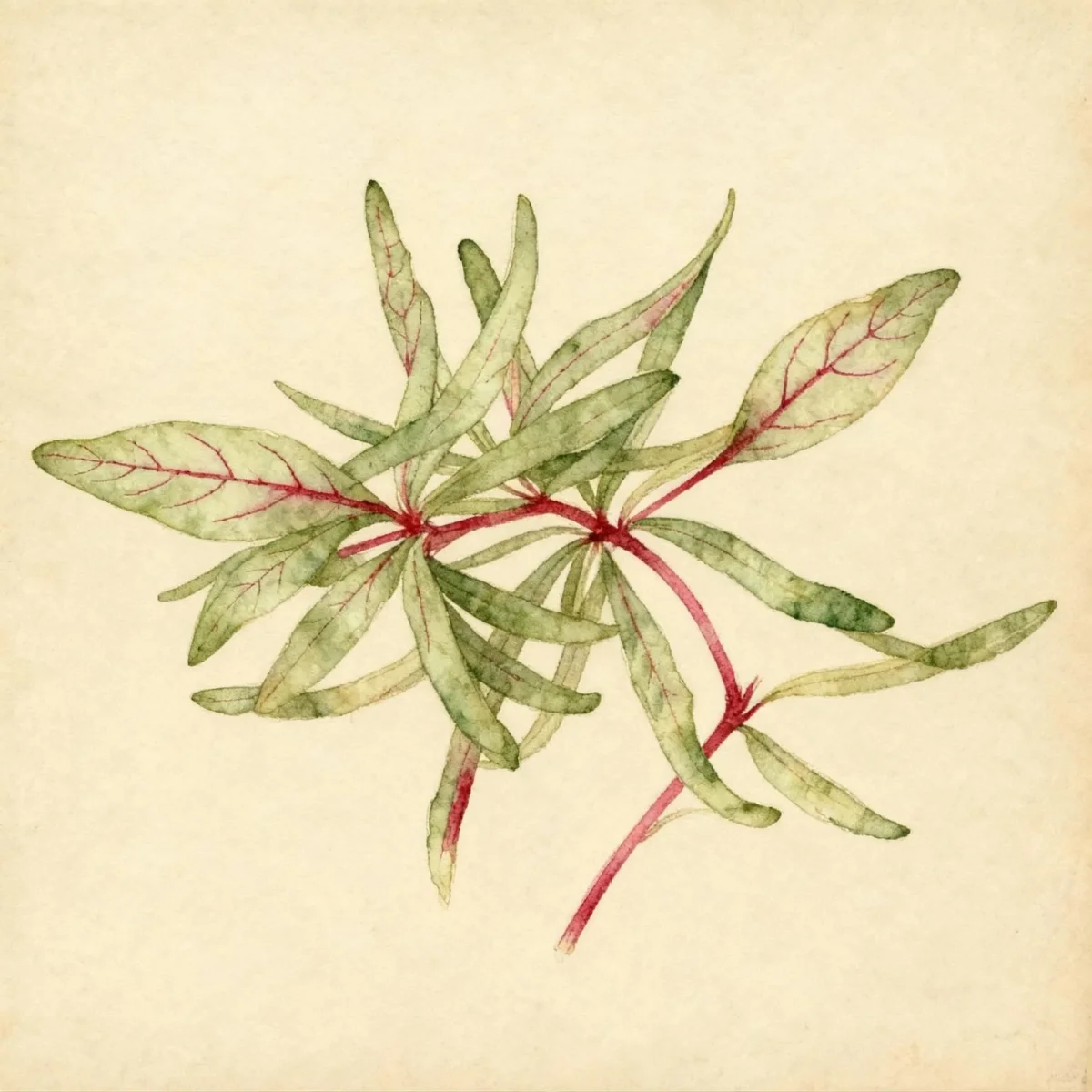
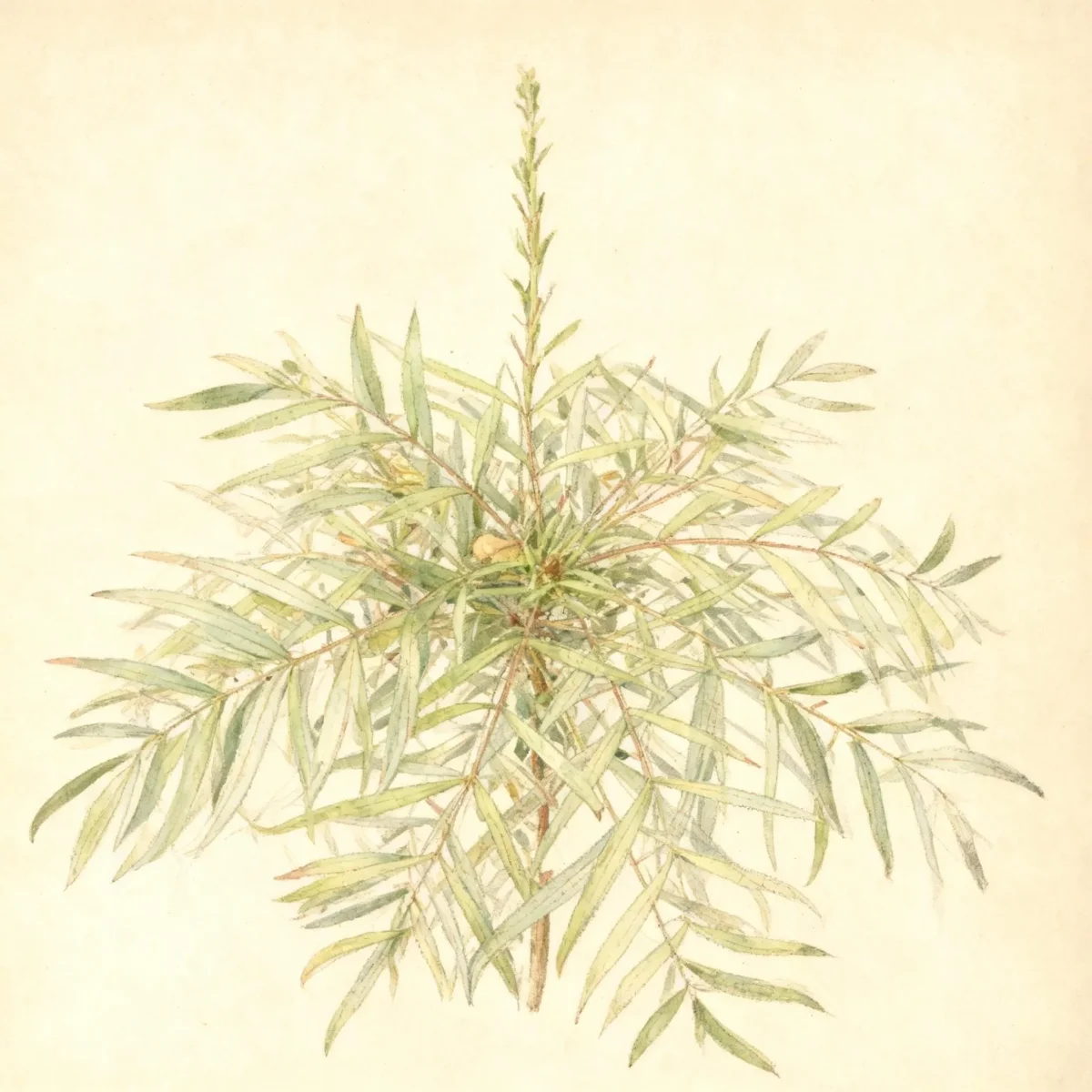
Berberis ‘Soft Caress’ is a standout broadleaf evergreen, offering unique texture and seasonal interest to the landscape. This specific cultivar of Barberry is cherished because it features unusual, narrow thread-like leaflets and, notably, has thornless stems, making it much more garden-friendly than traditional spiny varieties. It provides excellent structure, maintaining its evergreen character throughout the year, especially for gardeners in warmer climates.
This versatile shrub excels in average, well-drained soil and adapts well to various conditions, including urban settings where pollution tolerance is a benefit. While it thrives best with full sun to maximize foliage color, Berberis ‘Soft Caress’ handles light shade gracefully. Its adaptability combined with low maintenance requirements position it as a reliable backbone plant for sustainable designs.
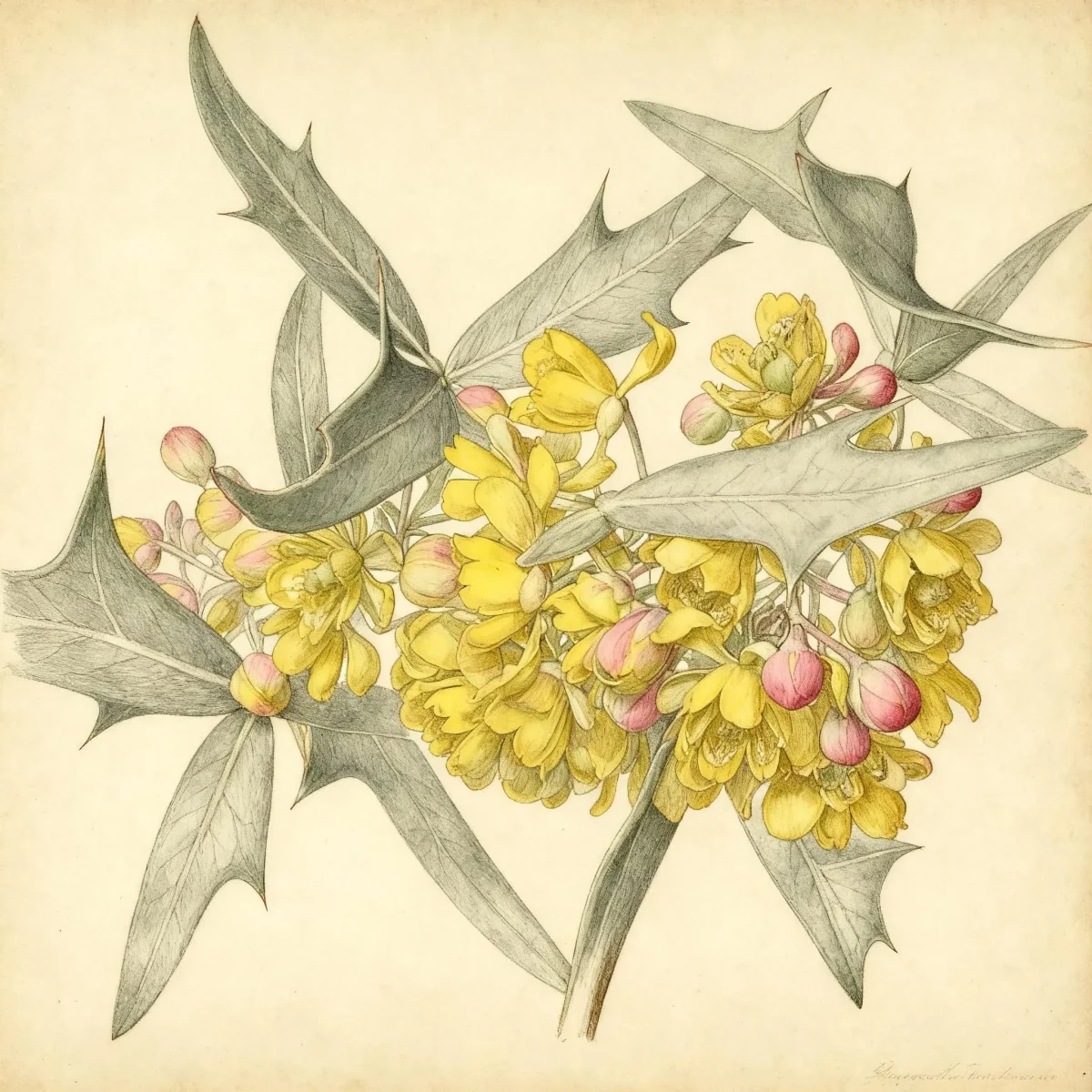
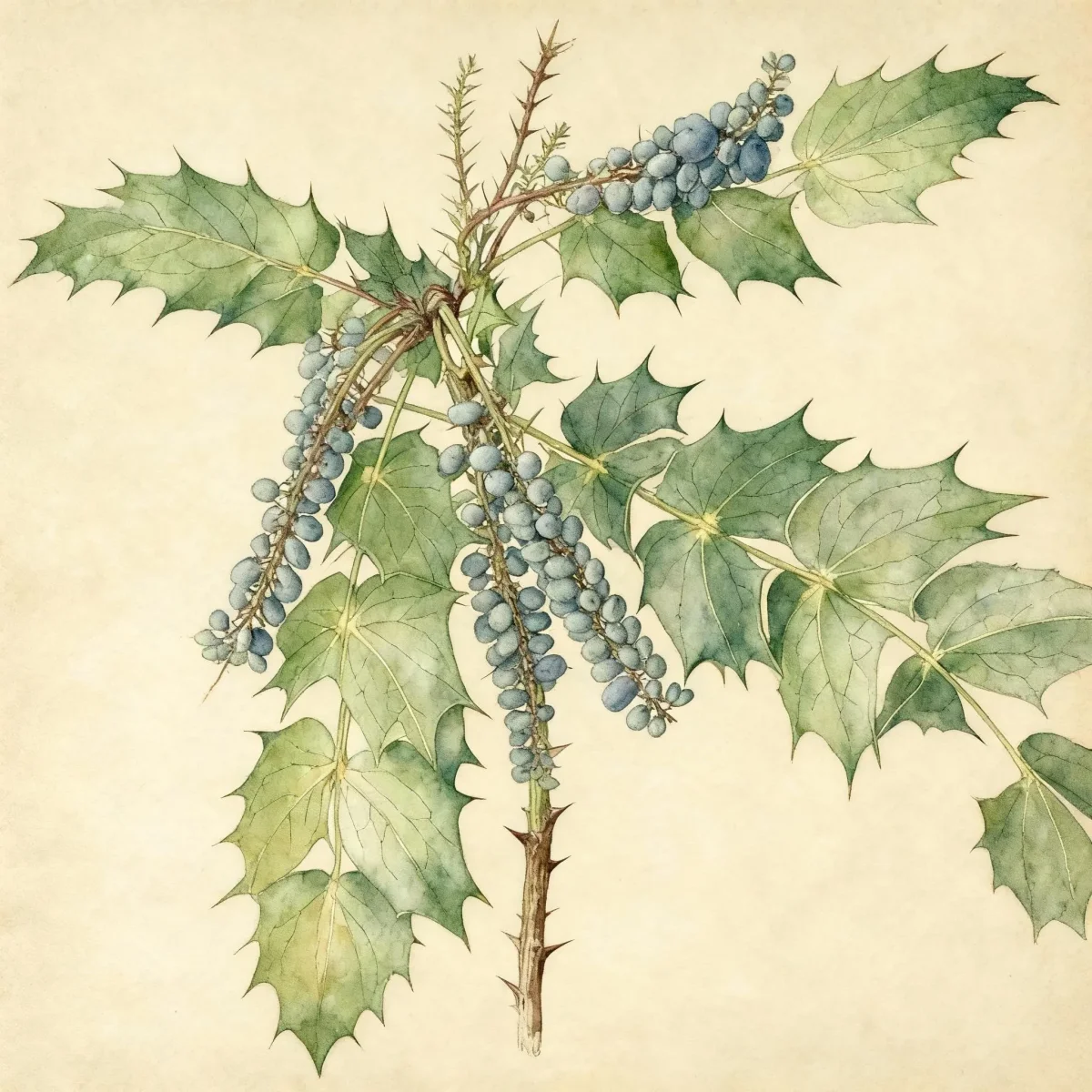
A significant feature of this Barberry is its late-season floral display, offering racemes of fragrant yellow flowers that mature into attractive blue berries dusted with a frostlike bloom. For gardeners seeking texture, color contrast, and relative ease of care, Berberis ‘Soft Caress’ proves to be a highly valuable addition to borders and foundational plantings.
Fast Facts
- Plant Family: Berberidaceae
- Plant Type: Broadleaf evergreen
- Hardiness Zones: USDA Zones 7-10
- Size at Maturity:
- Height: 4-5 ft
- Spread: 3-4 ft
- Bloom Time: September to October
- Bloom Description: Yellow
- Sun Exposure: Part shade
- Water Needs: Dry to medium
- Maintenance Level: Low
How to Grow
Plant Berberis ‘Soft Caress’ during the cooler periods of fall or early spring to allow the root system to establish before summer heat or winter freezes. This adaptable Barberry prefers average, well-drained soil. While it tolerates light shade, remember that placing it in full sun will enhance its overall foliage color, contributing positively to your garden design.
Once established, this shrub demonstrates notable drought tolerance, fitting well into water-wise landscapes. Water deeply when planting and infrequently thereafter, only allowing the soil to dry out betweenings unless rainfall is scarce. Avoid planting Berberis ‘Soft Caress’ in areas that remain consistently wet or poorly drained, as this is where it performs poorly.
Maintenance for this variety is generally low. Fertilization is rarely required if the soil conditions are adequate. Pruning, if necessary, should focus on shaping, as it naturally forms a tidy habit. Due to its adaptability and tolerance for urban pollutants, Berberis ‘Soft Caress’ requires minimal intervention to look its best year after year.
Landscape Uses
Berberis ‘Soft Caress’ fills several important functional roles in landscape design, thanks to its medium size and evergreen texture. It is highly recommended for use as an informal hedge where its dense structure provides a soft, continuous screen without the harsh presence of thorns found on other barberries. Furthermore, its manageable spread makes it excellent for defining the edges of shrub borders.
Consider planting this unique Barberry as a foundation plant close to structures, where its year-round color provides consistent interest. Its reliable growth habit—4 to 5 feet tall and 3 to 4 feet wide—makes it perfect for filling in gaps between taller specimens or using as a robust barrier plant where lower maintenance is key.
Standout Features
Flower Qualities
- Showy
- Fragrant
Fruit Qualities
- Showy
Noteworthy Characteristics
Berberis is a genus of about 450 species of evergreen or deciduous shrubs from all parts of the North Hemisphere as well as North and tropical Africa and South America. Genus name comes from the Latinized form of the Arabian name for the fruit. ‘Soft Caress’ was discovered in 2001 by Karen Reiter Stever of ItSaul Plants, LLC of Atlanta, Georgia as a naturally occurring whole plant mutation of unnamed plants of Berberis sp. It is an evergreen shrub with unusual, narrow thread-like leaflets and thornless stems.
Tolerances
- Tolerant of many pollutants in urban areas
Potential Problems
This Barberry generally exhibits no serious insect or disease problems, which contributes greatly to its low maintenance rating. A minor consideration, shared with most barberries, is that the dense foliage tends to trap wind-blown litter, requiring occasional clean-up underneath the canopy. Regular inspection ensures good air circulation and hygiene, though major interventions are seldom needed.
Frequently Asked Questions
What hardiness zones is Barberry suitable for?
Berberis ‘Soft Caress’ is suitable for USDA Hardiness Zones 7 through 10.
How large does Berberis ‘Soft Caress’ grow?
This evergreen shrub typically reaches a mature height between 4 and 5 feet, with a spread of 3 to 4 feet wide.
What sun exposure does Barberry need?
While Berberis ‘Soft Caress’ tolerates light shade, it requires full sun exposure to ensure the best possible foliage coloration.
When does Barberry bloom?
This cultivar usually blooms from September through October, producing fragrant yellow flower clusters.
Conclusion
Berberis ‘Soft Caress’ provides gardeners with a tough yet refined evergreen anchor, prized for its thornless stems and reliably fragrant yellow blooms in the fall. For gardeners seeking drought-tolerant structure and low upkeep within USDA Zones 7-10, this Barberry cultivar is an excellent choice. Check your local hardiness zone compatibility and plan your planting for spring success before the heat sets in.
Companion Planting
Selecting appropriate companions enhances the architectural qualities of Berberis ‘Soft Caress’. Since this Barberry prefers well-drained soil and can handle dry conditions once established, pair it with other drought-tolerant, low-water shrubs like certain Sedums or low-growing Rosemary varieties. For color contrast against its evergreen needles, consider using plants with contrasting chartreuse or silver foliage during the summer months.
In foundation plantings, place lower-growing perennials or groundcovers beneath the shrub to suppress weeds and cover the base soil, which will help retain moisture while maintaining good air flow around the Barberry’s roots. Given its preference for part shade to sun, ensure companions share similar light requirements for uniform growth across the planting bed.
Seasonal Care Calendar
For spring maintenance, remove any accumulated debris from beneath the plant and apply a light layer of mulch if needed to help conserve moisture during the upcoming growing season. Summer care focuses primarily on deep, infrequent watering until the shrub is fully naturalized; do not overwater, particularly in heavy clay soils.
Fall is when the fragrant yellow flowers transition to attractive blue berries—a key ornamental feature of Berberis ‘Soft Caress’. In winter, inspect the canopy for any trapped leaves or debris that might promote mildew or rot; gently clear this material if found, especially in milder climates where the plant remains fully active.