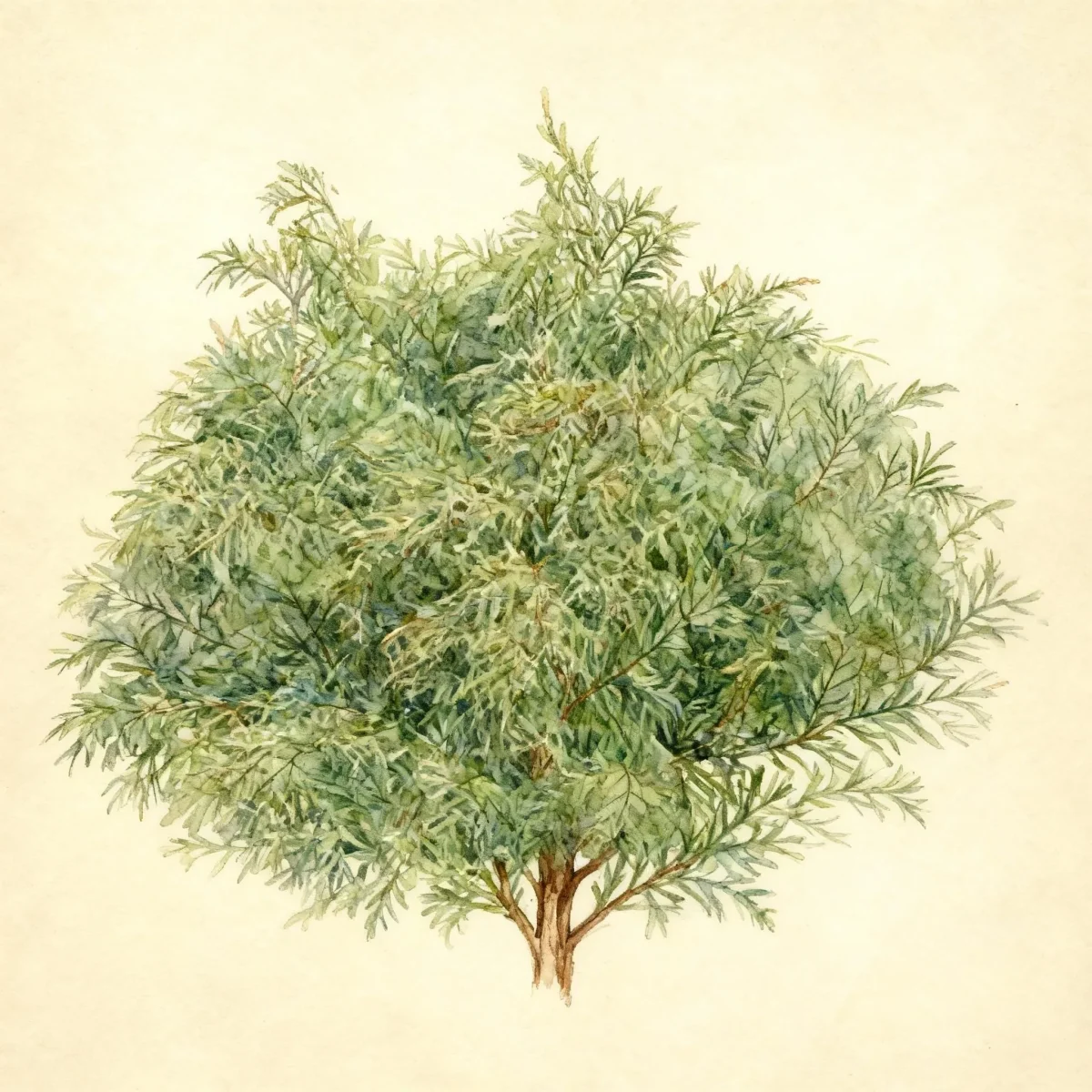
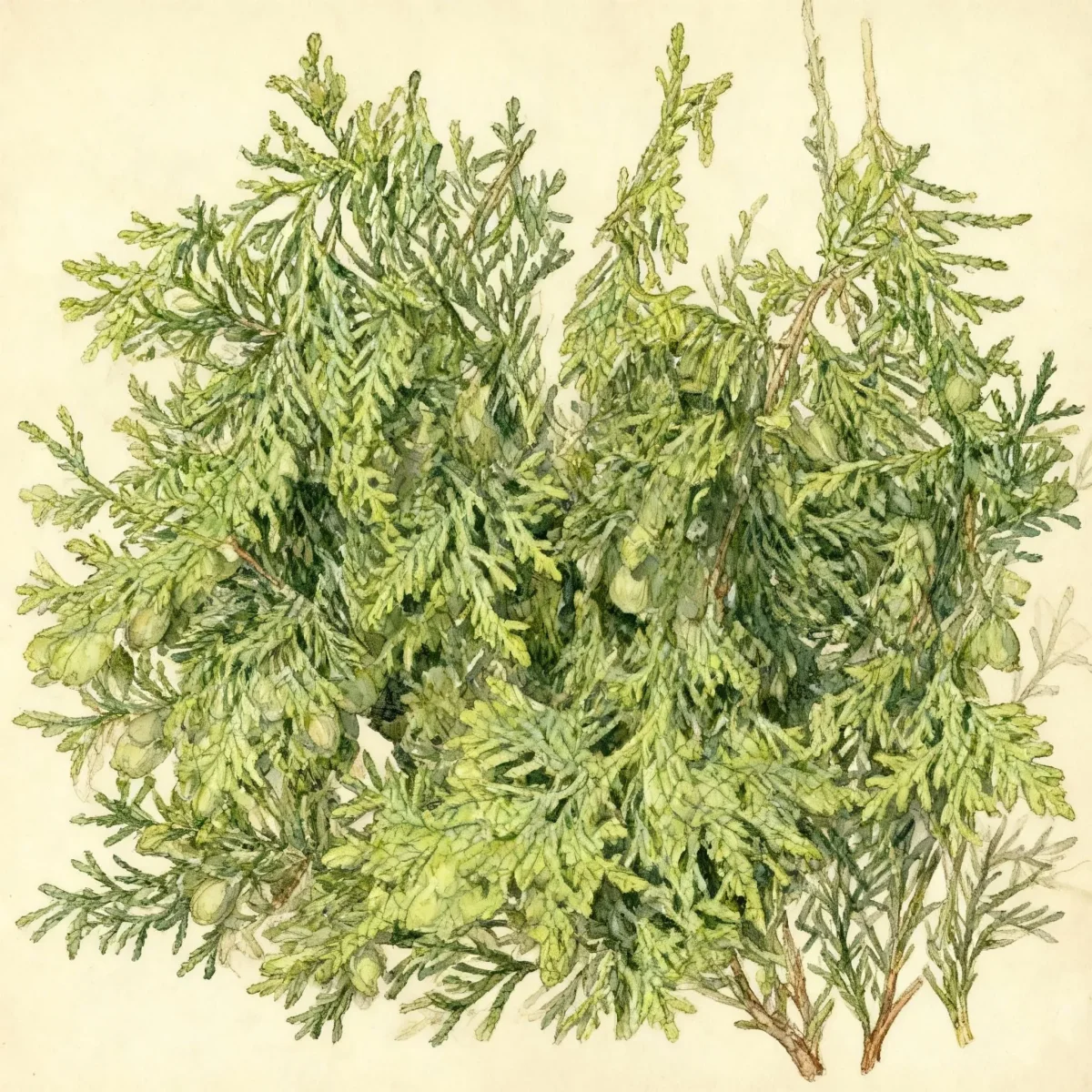
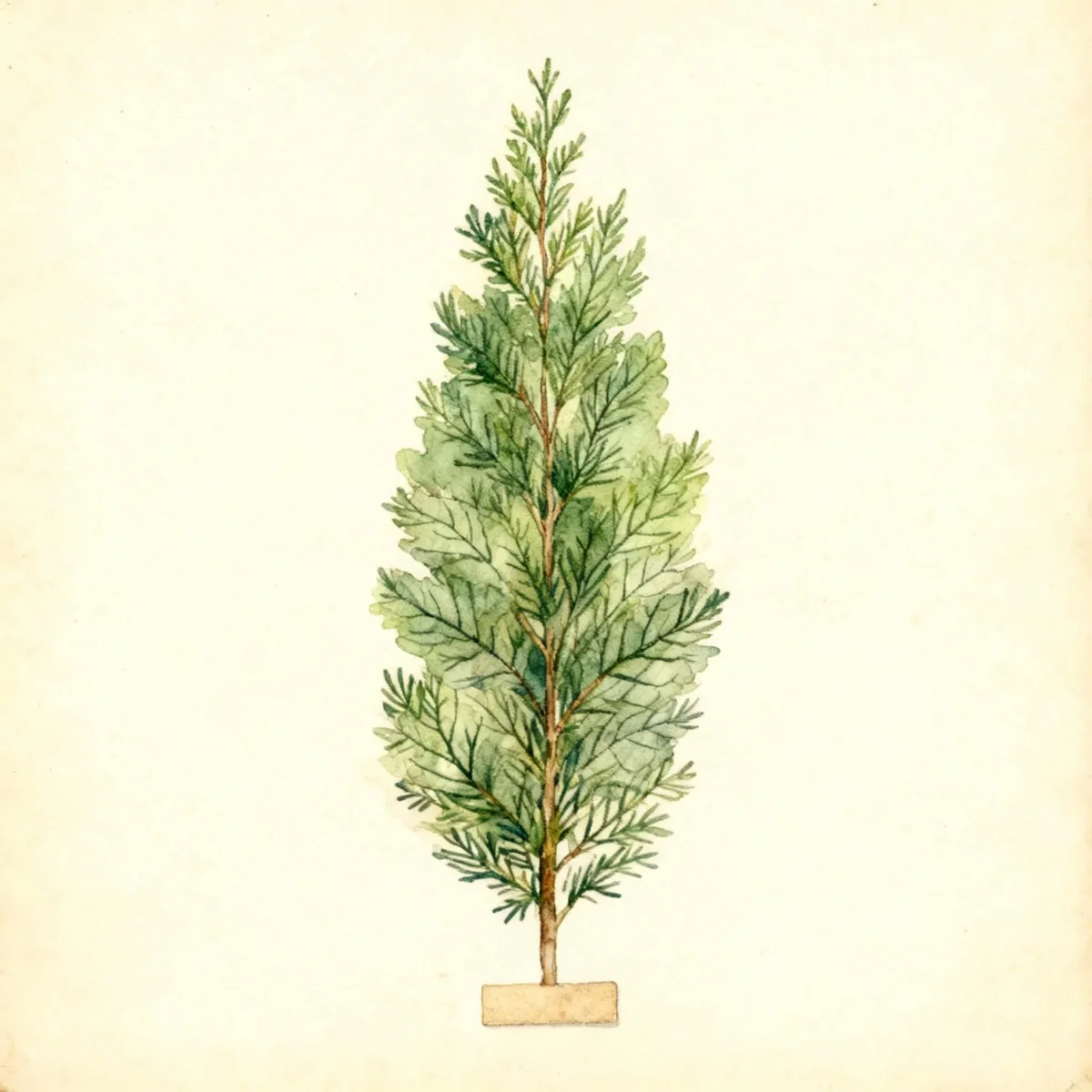
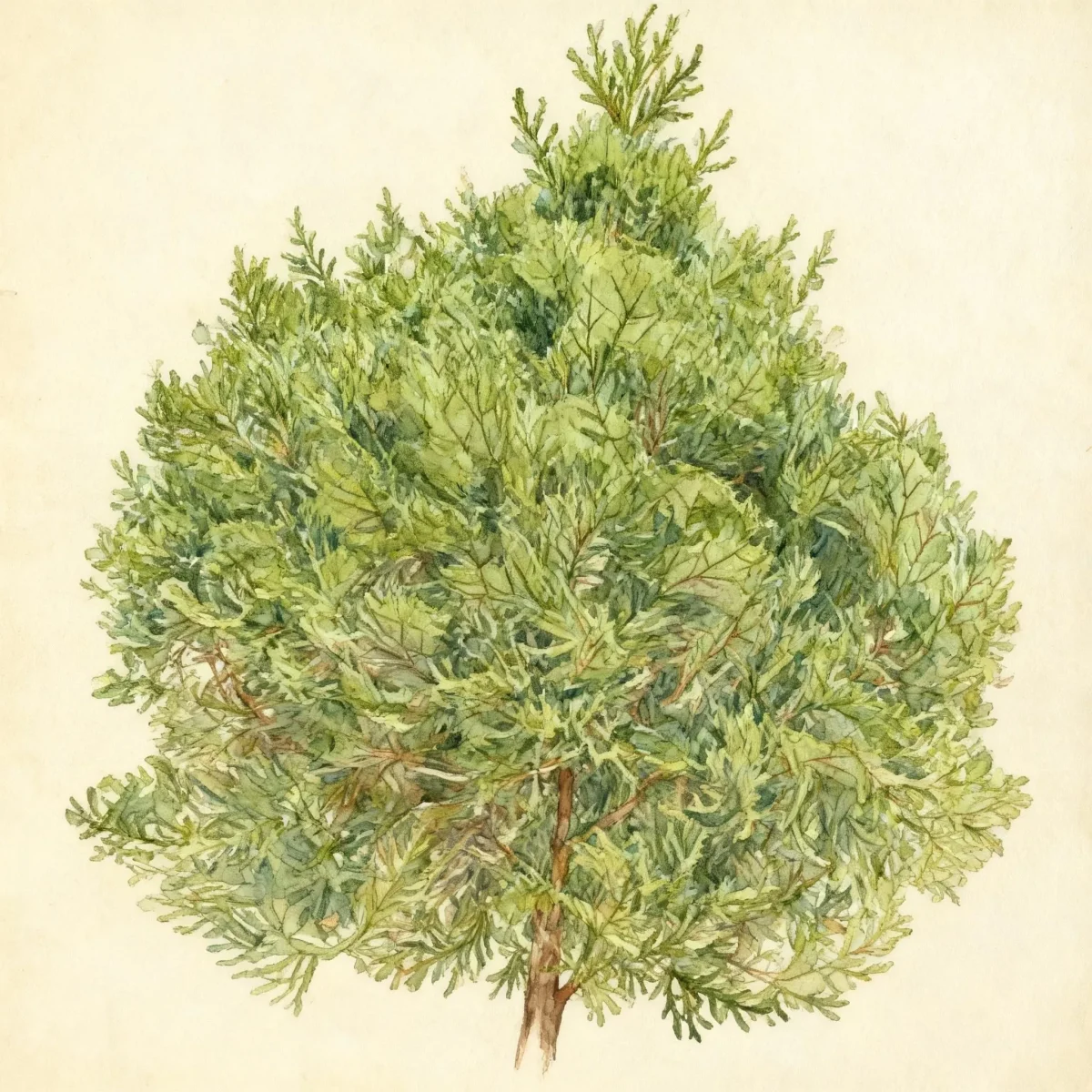
Russian arborvitae (Microbiota decussata 'Prides' CELTIC PRIDE)
Microbiota decussata 'Prides' CELTIC PRIDE, or Russian arborvitae, is a cold-hardy dwarf evergreen perfect for ground cover.
Scroll down to discover growing tips, care requirements, companion plants, and more
Complete Plant Information
Overview
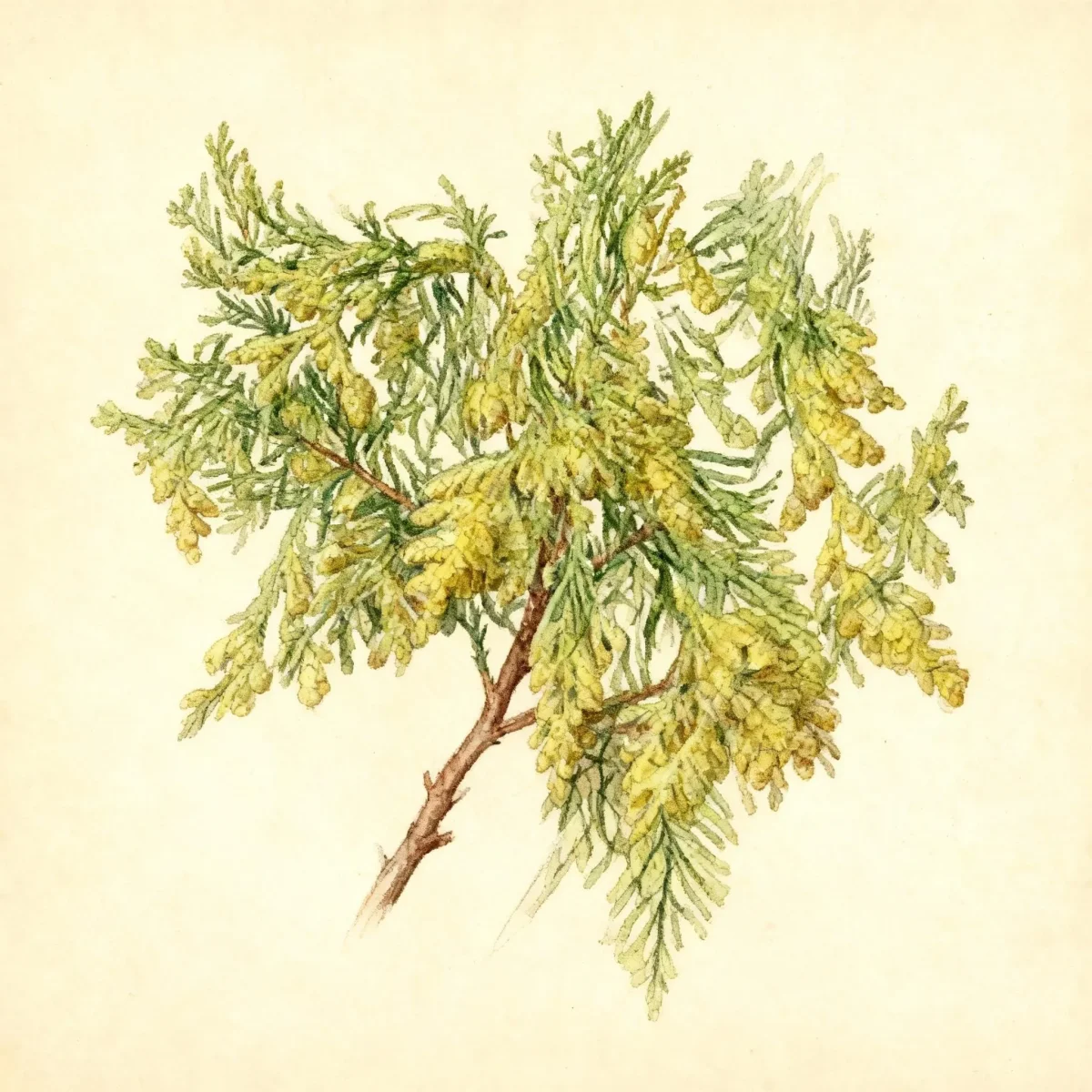
Microbiota decussata ‘Prides’ CELTIC PRIDE, frequently known as Russian arborvitae, is a standout dwarf evergreen conifer valued for its exceptional cold hardiness and dense, spreading habit. Originating high in the mountains of Eastern Russia, this plant thrives where many other conifers struggle, offering reliable texture and year-round color to challenging garden spots. Its feathery, soft-textured, scale-like foliage transitions beautifully from bright green in summer to rich bronze-purple tones during the colder months.
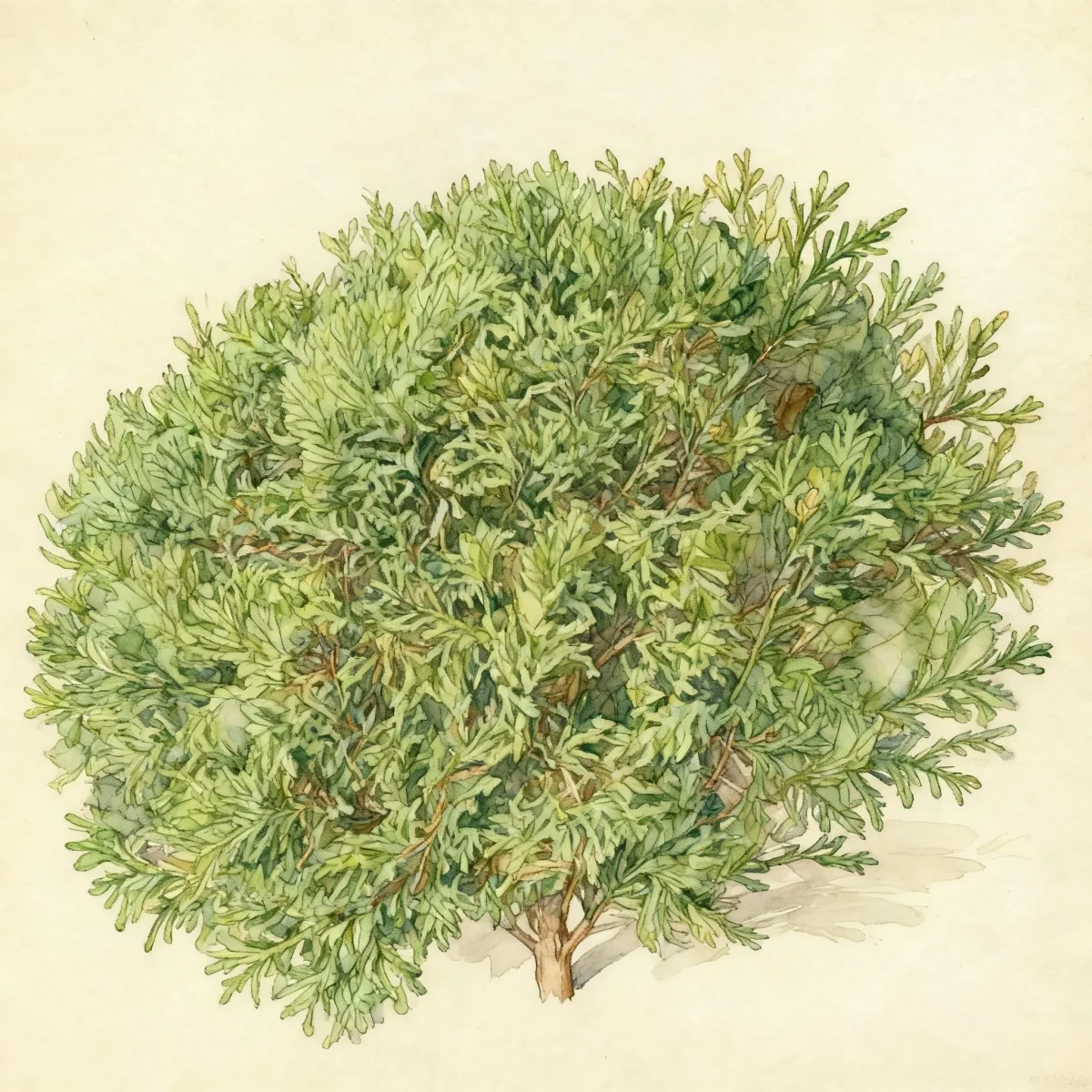
This selection, ‘Prides’, provides gardeners with a low-maintenance solution for covering slopes and large ground areas. As a tough, disease-resistant form of Siberian cypress, it maintains a low profile, spreading horizontally rather than creating a large vertical presence. The ease of care and adaptability make Microbiota decussata ‘Prides’ CELTIC PRIDE an excellent structural plant for foundation plantings or rock gardens needing reliable evergreen coverage.
Functionally, Russian arborvitae serves as an attractive, spreading ground cover in areas where you need erosion control. Its dense mat helps suppress weeds while providing aesthetic appeal through all four seasons. Gardeners appreciate that this variety, often sold as CELTIC PRIDE, remains manageable in size while offering dependable performance even in very cold climates.
Fast Facts
- Plant Family: Cupressaceae
- Plant Type: Needled evergreen
- Hardiness Zones: USDA Zones 2-7
- Size at Maturity:
- Height: 1-3 ft
- Spread: 4-5 ft
- Bloom Time: Non-flowering
- Bloom Description: Non-flowering
- Sun Exposure: Full sun to part shade
- Water Needs: Medium
- Maintenance Level: Low
How to Grow
For optimal growth, plant Microbiota decussata ‘Prides’ CELTIC PRIDE during the spring or fall, ensuring the soil is well-prepared. They require average, moist, but critically well-drained soils; this plant cannot tolerate soggy conditions or standing water, which quickly leads to root rot. While preferring full sun, this Russian arborvitae tolerates partial shade, although density and winter color may be reduced in deeper shade.
Watering should be consistent, aiming for medium moisture, especially while the plant is establishing its root structure during the first year or two. Once mature, this evergreen is moderately drought-tolerant but benefits from regular deep watering during extended dry spells. Fertilization is rarely necessary; focus instead on maintaining good soil structure, as heavy feeding can encourage softer growth susceptible to stress.
‘Prides’ demonstrates superior cold hardiness, reaching Zone 2 survivability, making it a superb choice for harsh winter regions. However, be mindful that this plant tends to falter in areas characterized by hot, humid summers, performing best in cooler summer climates. There is generally no significant pruning requirement, as the goal is to maintain its naturally spreading, shrubby ground cover habit.
Landscape Uses
Microbiota decussata ‘Prides’ CELTIC PRIDE excels as a functional and decorative ground cover, particularly effective for stabilizing banks and slopes where its spreading stems anchor the soil. It creates a continuous, low-lying tapestry of texture rather than a series of individual shrubs. Consider using this plant where you might typically install creeping junipers but desire a softer, more feathery texture.
Due to its modest height (up to 3 feet) and significant spread, it is an interesting alternative for foundation plantings along the front of buildings, providing necessary winter structure where taller shrubs might eventually obscure windows. It also looks excellent as a specimen plant or integrated into large rock gardens, allowing its cascading stems to drape over stone edges. The foliage offers year-round interest, contrasting nicely with deciduous shrubs or broadleaf evergreens.
This is an excellent choice for covering large areas where maintenance must be minimal. The robust nature of Microbiota decussata ‘Prides’ CELTIC PRIDE means it establishes quickly into a dense mat, helping to shade out undesirable weeds beneath it.
Standout Features
Noteworthy Characteristics
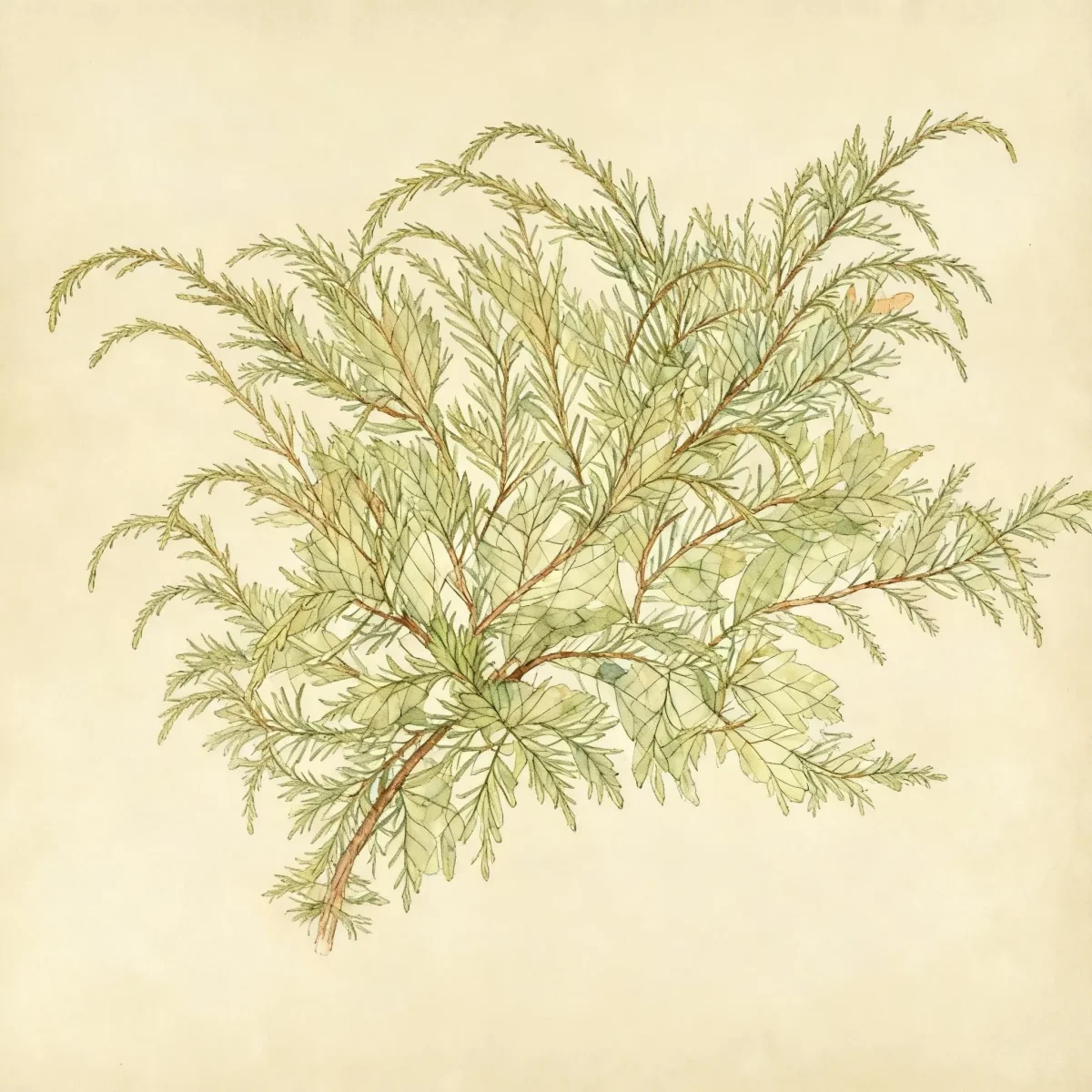
Microbiota decussata, commonly called Siberian cypress or Russian arborvitae, is a dwarf, evergreen conifer endemic to the Sikhote-Alin mountains of far-eastern Russia where it grows above the timberline on bald peaks. It forms a shrubby ground cover to 8-18” tall with indefinitely spreading stems that nod at the tips, potentially spreading to 10-12’. Feathery, soft-textured, scale-like foliage is arranged in flat, fan-like sprays reminiscent of arborvitae (Thuja). The foliage shifts from bright green in summer to bronze-purple in fall and winter. ‘Prides’ is recognized as a cold hardy and disease resistant selection of Siberian cypress reaching 1-3’ tall and spreading to fill a 4-5’ area.
Tolerances
- Deer
- Erosion
Potential Problems
The primary cultural pitfall for Russian arborvitae involves soil drainage; poorly drained soils will lead to root rot, which can swiftly damage or kill the plant. Always ensure the planting site has good aeration and drainage before installation. Furthermore, Microbiota decussata ‘Prides’ CELTIC PRIDE tends to falter when grown in climates dominated by hot, humid summers, indicating where locational selection is key for long-term success. On the positive side, deer tend to avoid this plant, reducing browsing pressure. The ‘Prides’ cultivar specifically offers improved disease resistance compared to the basic species.
Frequently Asked Questions
What hardiness zones is Russian arborvitae suitable for?
Microbiota decussata ‘Prides’ CELTIC PRIDE is exceptionally cold-hardy, thriving in USDA Zones 2 through 7.
How large does Russian arborvitae grow?
This dwarf evergreen typically reaches a height between 1 and 3 feet, with a lateral spread ranging from 4 to 5 feet at maturity.
What sun exposure does Microbiota decussata ‘Prides’ CELTIC PRIDE need?
It prefers locations receiving full sun to partial shade, though performance is best in cooler summer climates.
When does Microbiota decussata ‘Prides’ CELTIC PRIDE bloom?
This is a non-flowering conifer, so gardeners should not expect traditional blooms; its visual interest lies in its foliage throughout the year.
Conclusion
The Russian arborvitae, specifically the resilient Microbiota decussata ‘Prides’ CELTIC PRIDE, offers gardeners an exceptional, low-maintenance evergreen ground cover that provides reliable structure and seasonal color shifts. Its superior cold tolerance and deer resistance make it a practical choice for difficult landscapes. Before planting, confirm your garden site avoids hot, humid summers and possesses well-drained soil to ensure the long life of this unique conifer.
Companion Planting Opportunities
Given the preference of Microbiota decussata ‘Prides’ CELTIC PRIDE for cooler, moist but well-drained conditions, companion plants should share similar cultural needs to ensure cohesive garden design. Consider pairing this sprawling ground cover with other shade-tolerant or partial-sun lovers like Hosta varieties, especially those with coarse or variegated foliage that contrasts nicely with the feathery texture of the Russian arborvitae. Low-growing ferns, such as the Japanese Painted Fern, thrive in similar light conditions and complement the evergreen’s spreading habit elegantly at the woodland edge.
For rock gardens or sloped areas where drainage is naturally excellent, pair this evergreen with creeping potentilla or low-growing heathers. These companions share a low-maintenance requirement and thrive in the full to partial sun exposure that the CELTIC PRIDE prefers for its best winter color development. Avoid planting near species that require consistently wet feet, as this increases the risk of fungal issues spreading between plants.
Seasonal Care Calendar
Spring preparation involves a light inspection; clean away any winter debris caught in the lower branches of the Microbiota decussata ‘Prides’ CELTIC PRIDE. If growth appears sparse, a minimal application of balanced, slow-release fertilizer in early spring is sufficient, but typically not required. Summer care centers on monitoring moisture; if you experience a drought, ensure adequate watering, especially for specimens situated on sunny slopes where water retention is poor.
In autumn, appreciate the foliage transition to bronze-purple hues; this is the plant’s natural response to cooler temperatures and short days, not a sign of distress. Winter care emphasizes protection from harsh, desiccating winds, although the Zone 2 rating of ‘Prides’ suggests high inherent cold tolerance. Mulching lightly around the base in late fall can help moderate soil temperatures and retain critical moisture entering the winter dormancy period.